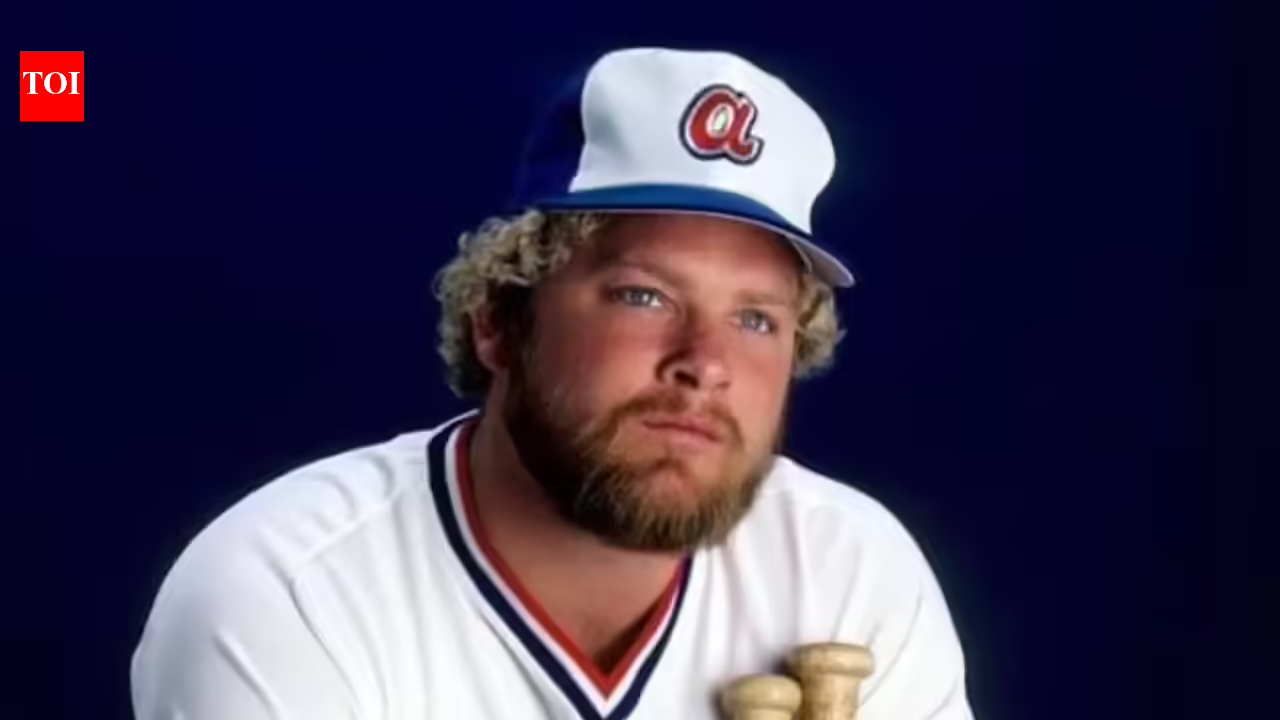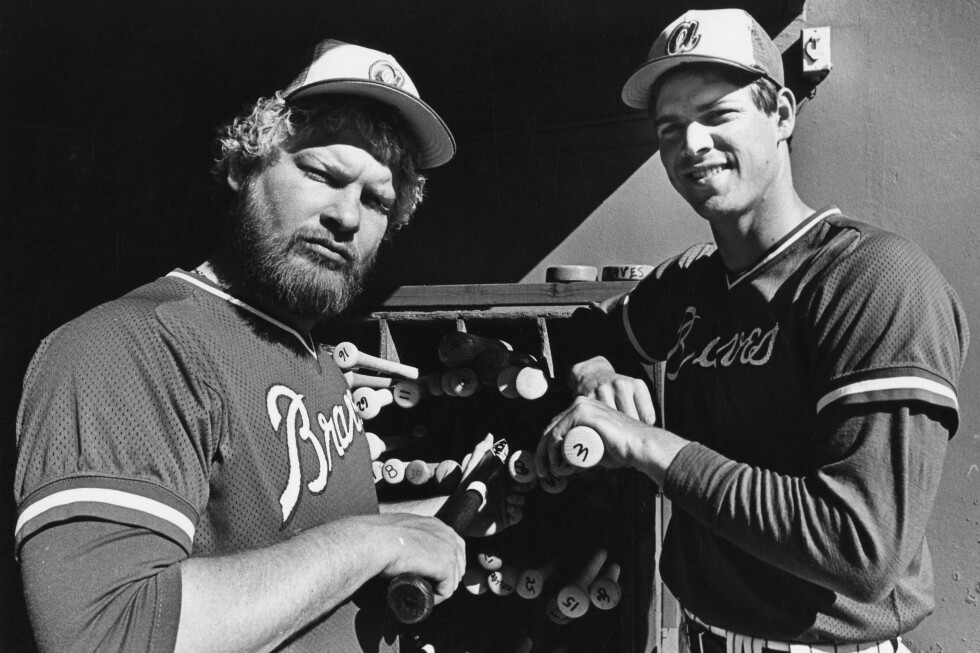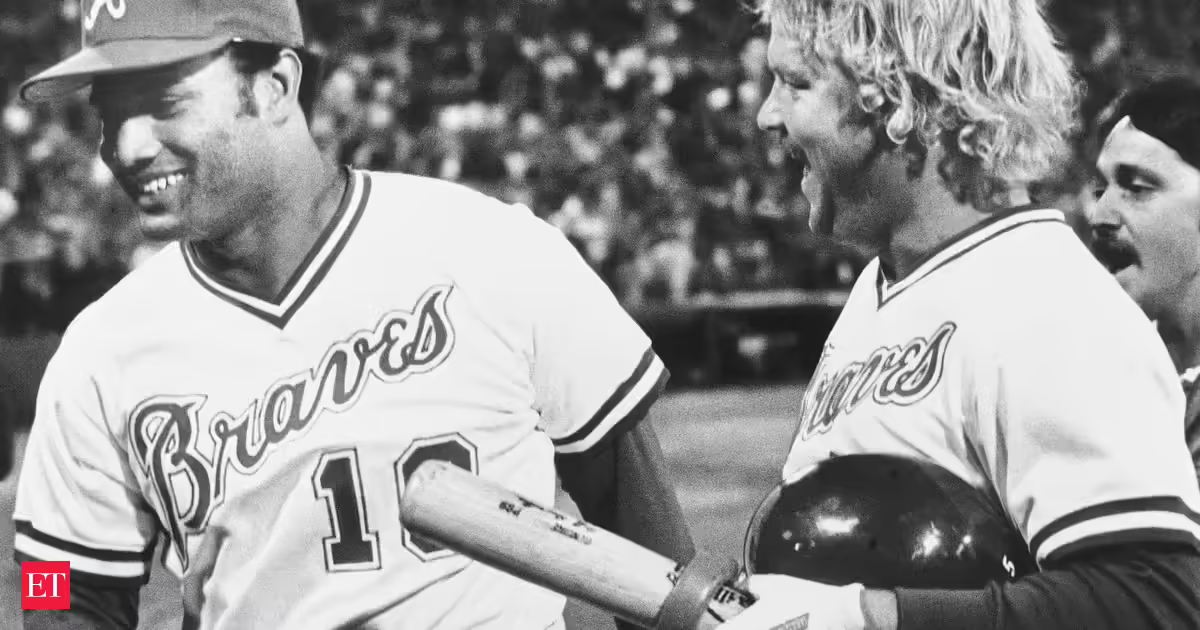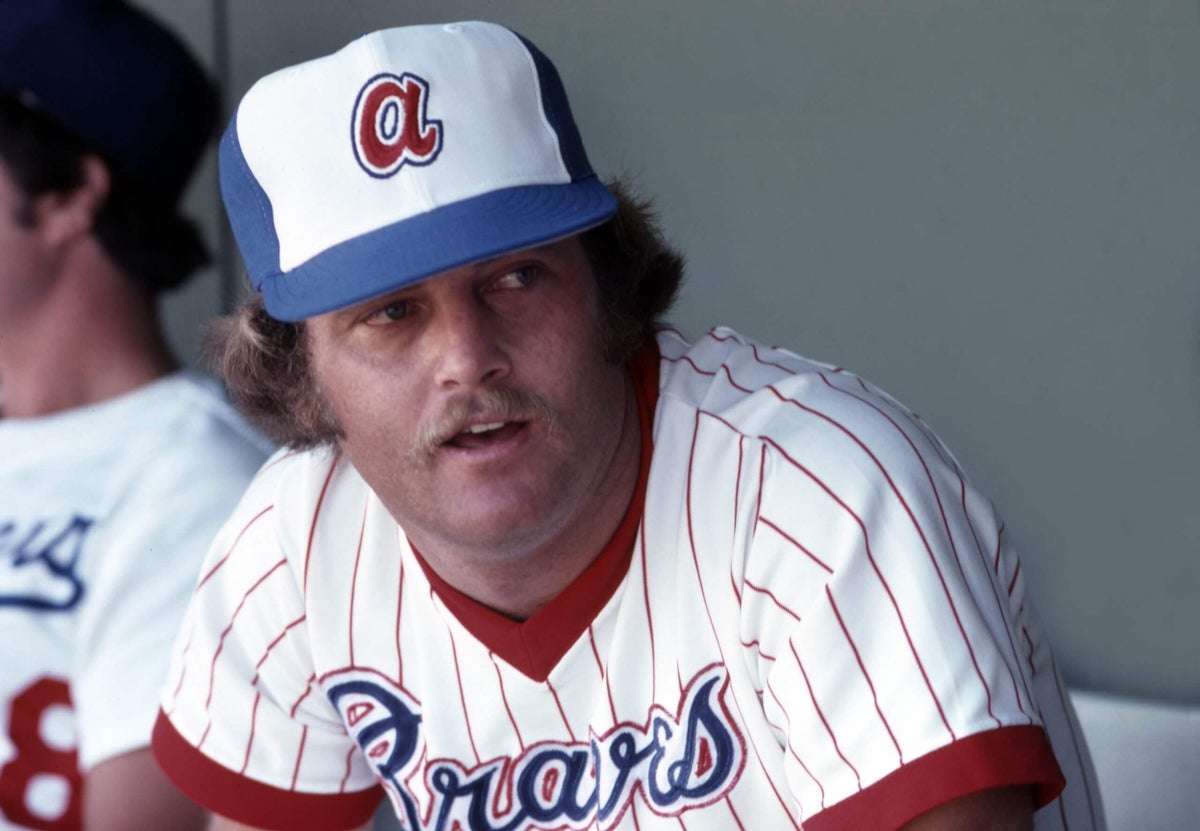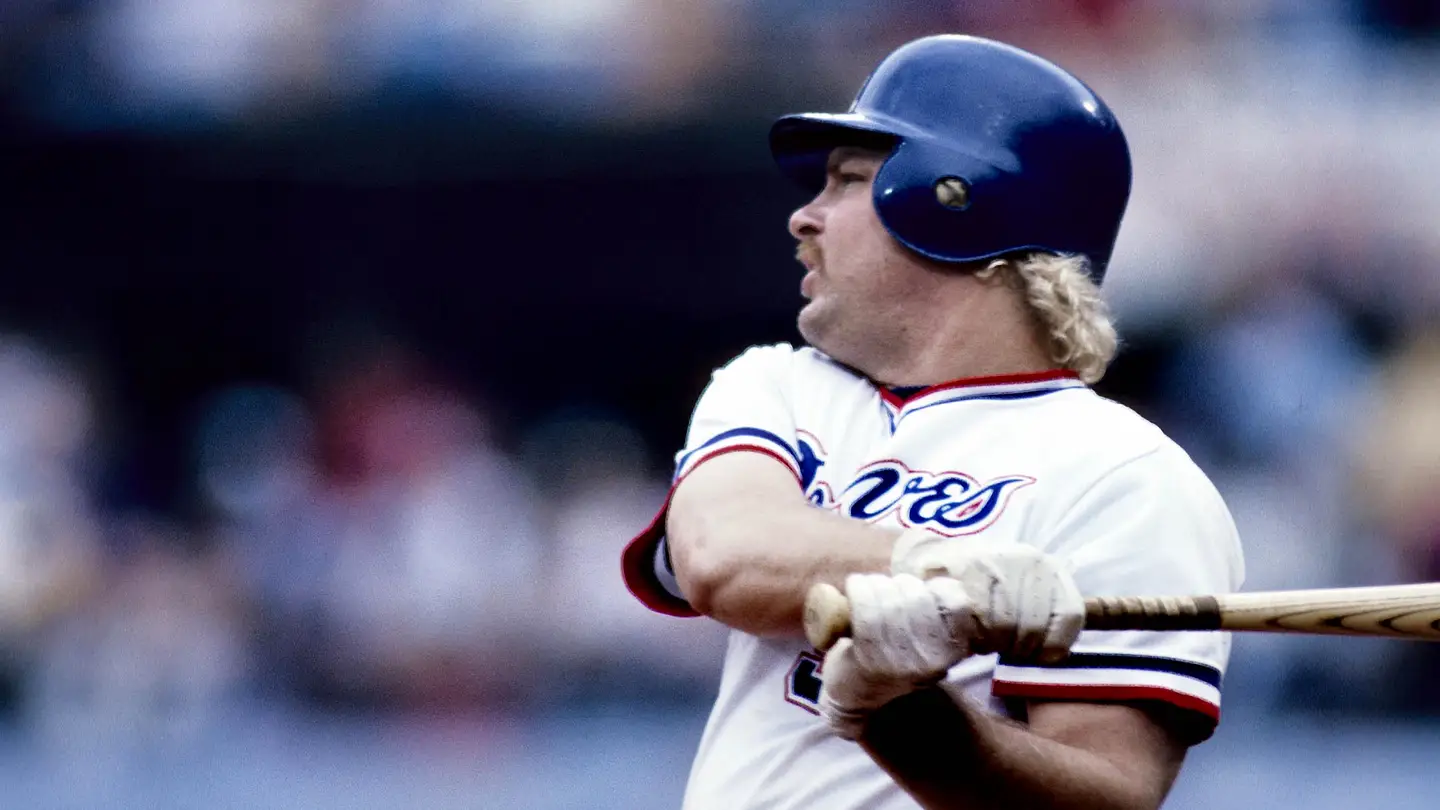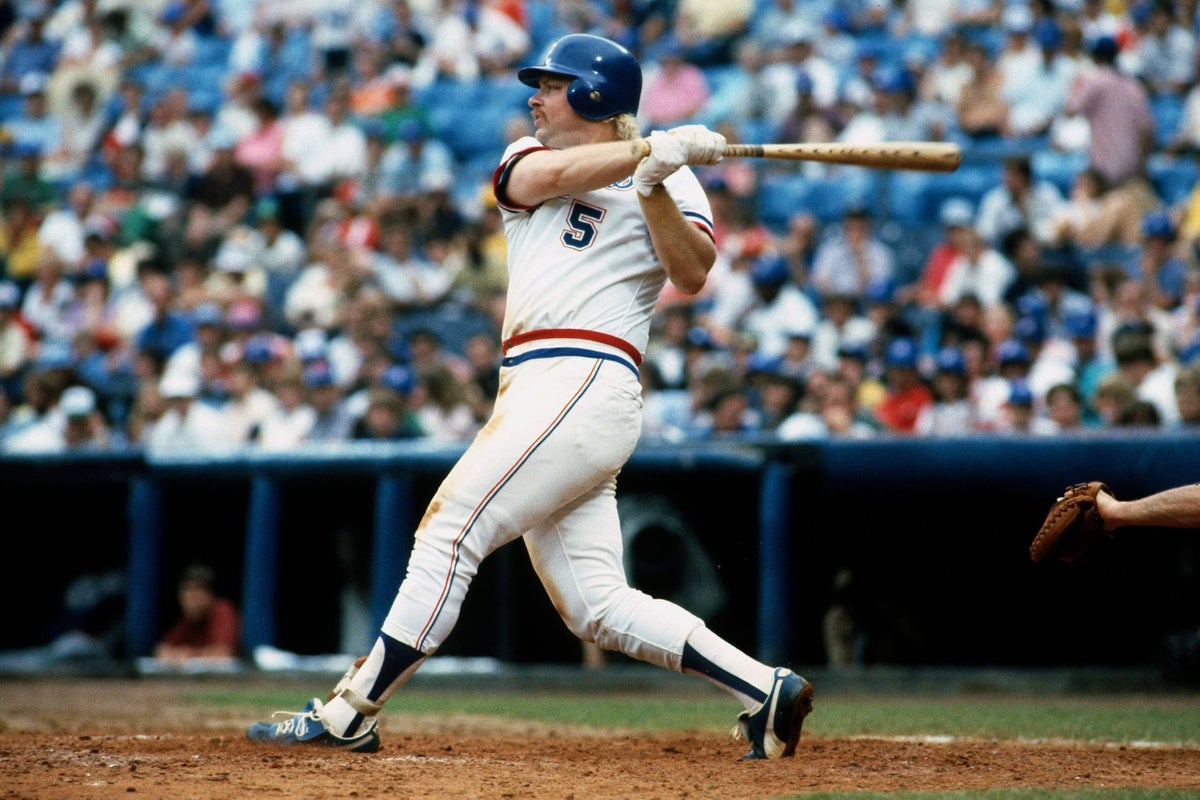
Jerry Maddox fumed.He had been called up to the big leagues from Triple-A Richmond for the first time two weeks earlier. He had notched his first two hits against the Philadelphia Phillies.But June 16, 1978, at Atlanta Stadium was different. The Atlanta Braves’ No. 1 pick of the free-agent draft, Bob Horner, was starting at third base. Horner had not played an inning in the minor leagues. Just eight days earlier, he had played his last game with Arizona State in the College World Series.“It blew my mind,” Maddox recently recalled.Horner died last week at age 68. In college, he was among the game’s great power hitters, the first winner of college baseball’s Golden Spikes Award, given to the best overall player. In the major leagues, Horner hit 218 home runs over 10 seasons. He notably hit four in a 1986 game against the Montreal Expos, the ninth player to do so.His first game was just as memorable, mostly because it showcased Horner’s massive potential. But also because of the ripple effect it caused, particularly for Maddox, a fellow Arizona State product trying to establish himself in the majors.They were connected in many ways. Both third basemen. Both college players of the year. In 1975, Maddox set the NCAA mark for most home runs in a season with 20. Three years later, Horner broke it with 25.Bob Horner hit 218 home runs over 10 MLB seasons with the Braves. (David Durochik / AP)“Bob Horner is the single greatest natural hitter I have seen in not only college baseball, but in professional baseball,” said former Arizona State teammate Chris Bando, a catcher who played nine years in the big leagues.“He had such a short, quick swing,” said former college teammate Ken Phelps, who played 11 years in the majors. “And he could wait on the baseball really well because of that. You hardly ever saw him get fooled, especially as he got older.”Not long after the 20-year-old Horner arrived in Atlanta, team owner Ted Turner approached Maddox in the dugout. He asked him to go to a nearby hotel and welcome Horner, who was expected to start his pro career in Double-A Savannah.“So I take a cab over to his hotel and talk to him and his agent, Bucky Woy, and introduce him to the Braves,” Maddox said. “I told him he’s lucky he didn’t go to A-ball because it sucks. And the stadium in Savannah, where he was going, that was a stadium they used in the old Negro Leagues. It was old. I said, ‘You’re going to hate it there, but you’re going to work your way up.'”It happened sooner than expected. Horner and Woy convinced Atlanta general manager Bill Lucas to let him stay with the big-league club. Lucas was mainly concerned about how Horner would react if he struggled. Horner assured him that if he did, he’d go to the minor leagues for seasoning.This was a big story. Lucas told reporters Horner’s experience at Arizona State had prepared him for the majors. He likened Horner to Dave Winfield, who had gone from college to the San Diego Padres five years earlier.For Maddox, a 1975 eighth-round draft pick, it was a setback. Since his promotion, he had battled Rod Gilbreath for playing time. Now he had to worry about the college kid.Horner was polite, addressing everyone as “Mister,” but his confidence was unmistakable. During his first meeting with Bobby Cox, the Atlanta manager had offered the rookie a postgame beer. Horner went straight to Cox’s cooler and helped himself. (“If he didn’t want me to have one, he wouldn’t have offered,” he explained to reporters.)The day before his debut, the 6-foot-1, 205-pound Horner took batting practice. Used to aluminum bats in college, Horner had not swung a wooden bat in three years. It did not matter. He belted 12 balls into the Atlanta Stadium bleachers.“This guy will be all right,” baseball legend Hank Aaron said after watching the BP session. “You can tell by the way the ball leaves his bat. It’s whistling.”Horner became the 13th player to make the jump from college to the majors since the free-agent draft began in 1965. In front of 18,572 fans (a crowd that one Pittsburgh writer called “unusually large”) he faced Pittsburgh Pirates right-hander Bert Blyleven, a future Hall of Famer with a wicked curveball.Horner grounded to short in his first at-bat. He flew out to center in his second. Through 4 2/3 innings, Blyleven did not give up a hit. Trailing 7-0, Cox sent up the 24-year-old Maddox to pinch hit for pitcher Craig Skok. Maddox smoked a single to right.Jerry Royster followed with a single. Blyleven then threw a pitch that catcher Ed Ott couldn’t handle. Maddox scored from third. As he crossed the plate, he felt he had proved something to team officials. That the college kid wasn’t the only rising prospect on the roster. That’ll show ’em, he thought.“I broke up the no-hitter and the shutout,” Maddox said on the phone.Then Horner came to bat in the sixth. He did not sweat Blyleven’s breaking pitch. He had seen curveballs throughout his final college season. Nor did he feel pressure.“Nothing bothered him,” said Dave Hudgens, a former Arizona State teammate and big-league hitting coach. “He was like — I don’t want to say stone-faced — but nothing overwhelmed him.”“There’s a picture of us sitting in the dugout (at the College World Series) in Omaha — I don’t know what year it was — and I swear that Bob is asleep,” former college teammate Steve Michael said. “That’s how reassured and calm he was about things.”Blyleven threw the curve. Horner belted it over the left-field wall.“I was feeling really good about myself, and he knocks one into the stands,” Maddox said.Three days later, Maddox reported to the stadium packed for a West Coast trip that started in San Diego. He realized his bag was not on the truck. He knew what that meant: He was headed back to the minors.Horner stayed with the Braves. He finished with 23 home runs in 89 games, edging San Diego shortstop Ozzie Smith for National League Rookie of the Year. He hit 33 home runs in his second season and 35 in his third, but then injuries and weight issues took a toll. Horner struggled to stay on the field. In 1989, a shoulder injury forced him to retire at age 31.“If he could’ve stayed healthy and kept in a little bit better physical shape … he definitely had Hall of Fame-caliber talent,” Bando said last week. “There’s no doubt in my mind.”“He could have conceivably hit between 350-450 home runs if he would have stayed healthy,” Michael said.While Horner battled, Maddox never made it back to the big leagues. During his time with the Triple-A Braves, he told The Richmond Times-Dispatch that he checked the Atlanta box scores to see how Horner was doing. What he saw didn’t provide much hope.Horner, HR.Horner, HR.Horner, 3 for 4.Maddox’s resentment faded. He saw Horner during Arizona State offseason alumni games and golf tournaments, and they always had a great time together, he said. Had the college kid taken his spot with the Braves? Absolutely, Maddox said. He has no doubt. But he never gave Horner a hard time about it. The truth was the truth.“He could hit better than me,” Maddox said.
The story of Bob Horner’s first MLB game, and the last for an Arizona State teammate
Bob Horner and Jerry Maddox were connected in many ways. Both ASU products. Both third basemen. One game set them on different paths.
1,228 words~6 min read