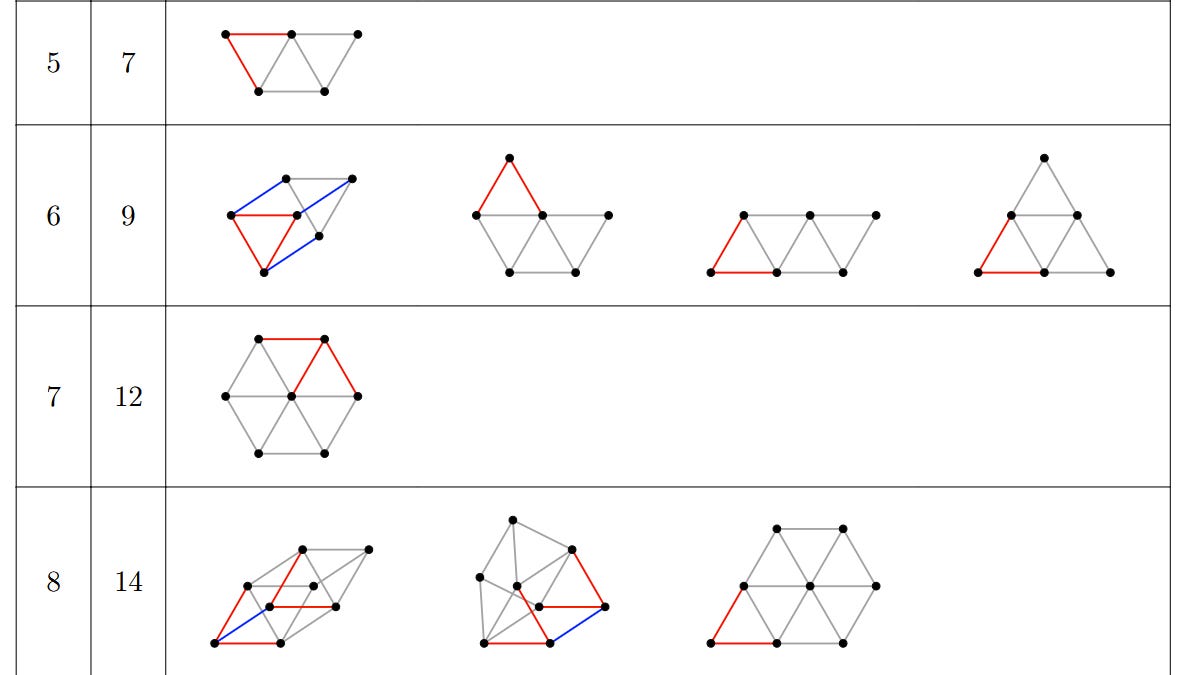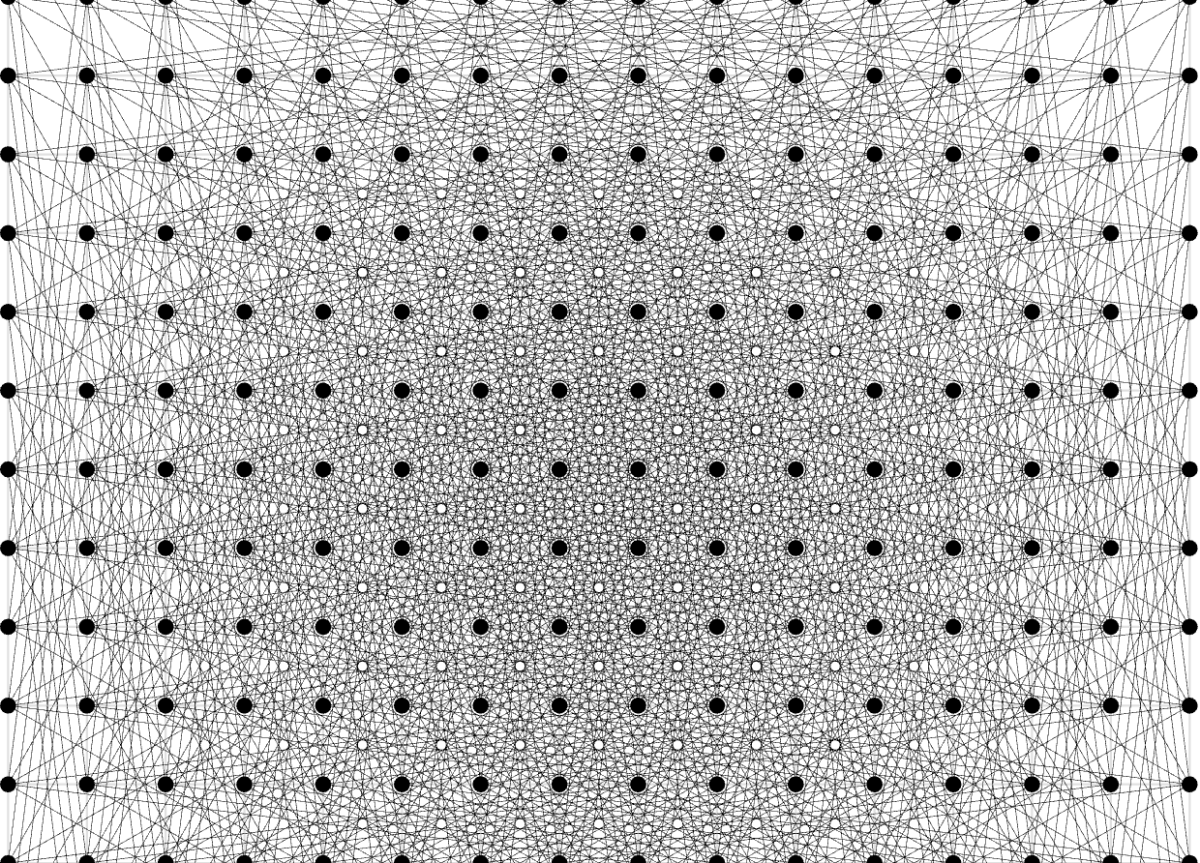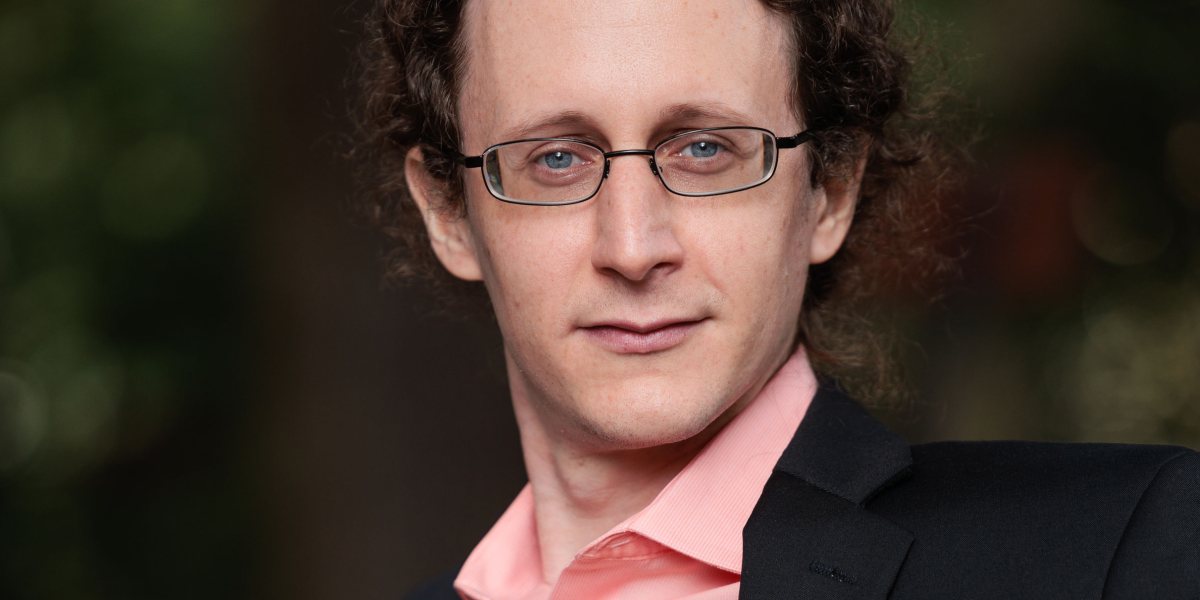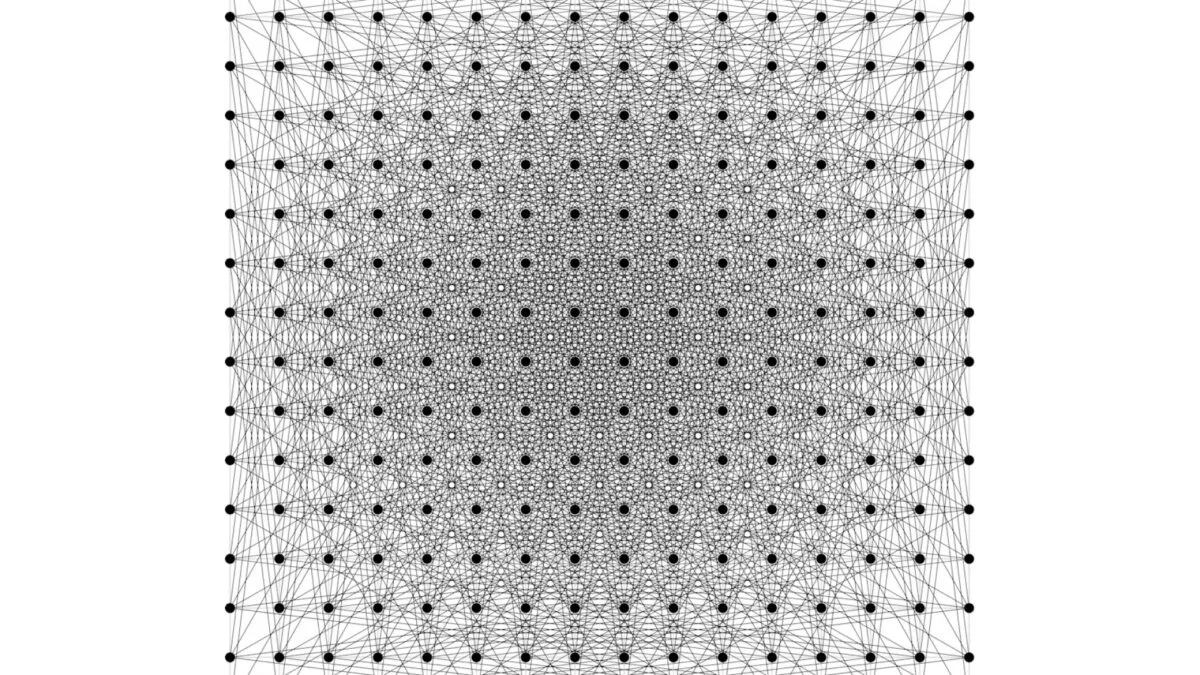
Will Sawin got OpenAI’s email on a Friday night. Or Saturday morning. Either way, Sawin, a professional mathematician, spent his entire weekend thinking about that email. By next Monday, he decided to write up a paper that essentially improved what was given to him—an AI’s “proof” of Paul Erdős’s unit-distance problem, an infamous conjecture from 1946. Last week, OpenAI published a blog post on the AI’s proof. The paper came with a companion piece containing comments from nine renowned mathematicians uninvolved with OpenAI, including Sawin. Many prominent mathematicians praised the work, with Fields medalist Tim Gowers calling it a “milestone in AI mathematics.” This result is just one of dozens of AI-derived solutions to long-time mathematical riddles. All this has us asking: Could AI usher in a new era of mathematical advancements? Today, we share a breakthrough on the planar unit distance problem, a famous open question first posed by Paul Erdős in 1946. For nearly 80 years, mathematicians believed the best possible solutions looked roughly like square grids. An OpenAI model has now disproved that… pic.twitter.com/j2g3Ze0zEG — OpenAI (@OpenAI) May 20, 2026 The answer, if one even exists, is likely a nuanced one. There are certainly computational advantages that AI brings to the equation (no pun intended). But what does this really mean? Does that represent some tangible revolution, or is it a “misconception” stemming from AI’s data-driven imitation of human intelligence, to quote Pope Leo’s recent encyclical?
An OpenAI Model ‘Disproved’ a Famous Math Conjecture. This Mathematician Couldn't Leave It Alone
Mathematician Will Sawin discusses his experience reviewing and refining a mathematical proof devised by OpenAI's internal model—and what that could mean for mathematics.
2,548 words~12 min read