Rafael Pimentel Pinto, CIO. Internationally awarded Innovation and Digital Transformation Expert.gettyA lot has been said in recent years about what a modern CIO must do, but I think the right question to ask is who a modern CIO needs to be. The common framing is that the role has expanded, but the word “expand” does not describe well what has happened to it. The role has fragmented, and I see it fragmented into four identities. Four identities, just like the number of members in two of the most iconic rock bands ever: The Beatles and Queen—each member bringing their unique personality, skills and talent, producing some of the songs many of us still carry on our playlists all these years later. And talking about songs, I bet most of your favorite ones are written in a 4/4 time signature. Or consider the string quartet, a form that has lasted three centuries because four distinct voices, each irreplaceable, can produce something none of them could alone. What happens when an organization needs the equivalent of a quartet, but only has one seat to fill it from? The string quartet works because four people each carry one role and the difference between the physics of each instrument provides a wide range of sound that covers most of the human ear’s musical range, from the cello’s low register to the violin’s high one. So, let’s break out the four voices, or identities, that I consider a modern CIO should have, to be able to cover the organization’s “musical range.”The Technologist Even though this is the obvious one, I just want to make it clear that I mean this in a strategic way, not the technician surrounded by cables in a back room, but the one who understands how technology fits into the needs of the organization, and has the skills to guide teams all the way from an idea to a tangible outcome. The goal is to be the technical advisor, strategist and enabler who builds a healthy IT ecosystem for the organization. The Psychologist I don’t mean this literally, so no clinical training is needed for this. I’m sure this is something most leaders underestimate. We are always dealing with change resistance, executive ego management, team morale, reading the room in meetings, knowing when a CEO is asking a technical question versus asking for reassurance. The modern CIO spends as much time on human dynamics as on technology decisions, and learning how to manage people’s fear, ego, reading a room and holding it during a crisis will have a direct impact on the outcomes of projects and operations, and will build that much needed trust IT teams need from the rest of the organization.The Lawyer Privacy, governance, contracts (and those for cloud services!), regulations, cyber liability, you name it. Five years ago, saying the CIO is part lawyer would have been a stretch. Today it is almost an understatement. A CIO who waits for legal to weigh in on every decision will be too slow to function. The role now requires enough legal literacy to know which decisions need counsel, which can move without it and how to frame the conversation when the counsel is brought in. Mistakes here are not just operationally costly; they are legally and reputationally durable. At some point in my career, I remember reading laws and regulations way more than technical documents and that made me realize how important it is for anyone in roles like this to have a very strong understanding of the language and concepts. The Diplomat Anyone who has held the CIO position recently knows the role requires enormous time brokering between parties whose interests do not naturally align either internally, between different teams or externally with vendors, partners, peers, auditors, regulators. This is not technical execution, it is the patient construction of agreements to make execution possible. Unlike the psychologist identity, the diplomat does not deal with people’s inner experience, but with their interests and the ones of the teams or groups they belong to. By now you would have noticed that these four identities are not always in harmony. They argue, they compete for time and attention inside the same person, often on the same day. But the string quartet endures precisely because tension between the voices is part of the form, not a failure of it. When tension is created, then resolved, then created again the pleasure is not in the resolution alone, it is in the movement between. The technologist's instinct toward speed pulls against the lawyer's instinct toward caution. The diplomat's patience strains against the psychologist's reading of urgency. Held in motion, these four identities produce judgment no single one of them could reach alone.The modern CIO is the person who carries those four voices, not in alternation but at once and resolves them well enough that the organization rarely sees the work it took. Four voices, one seat, no script. Forbes Technology Council is an invitation-only community for world-class CIOs, CTOs and technology executives. Do I qualify?
Behind The CIO's Desk: The Four Identities The Role Now Demands
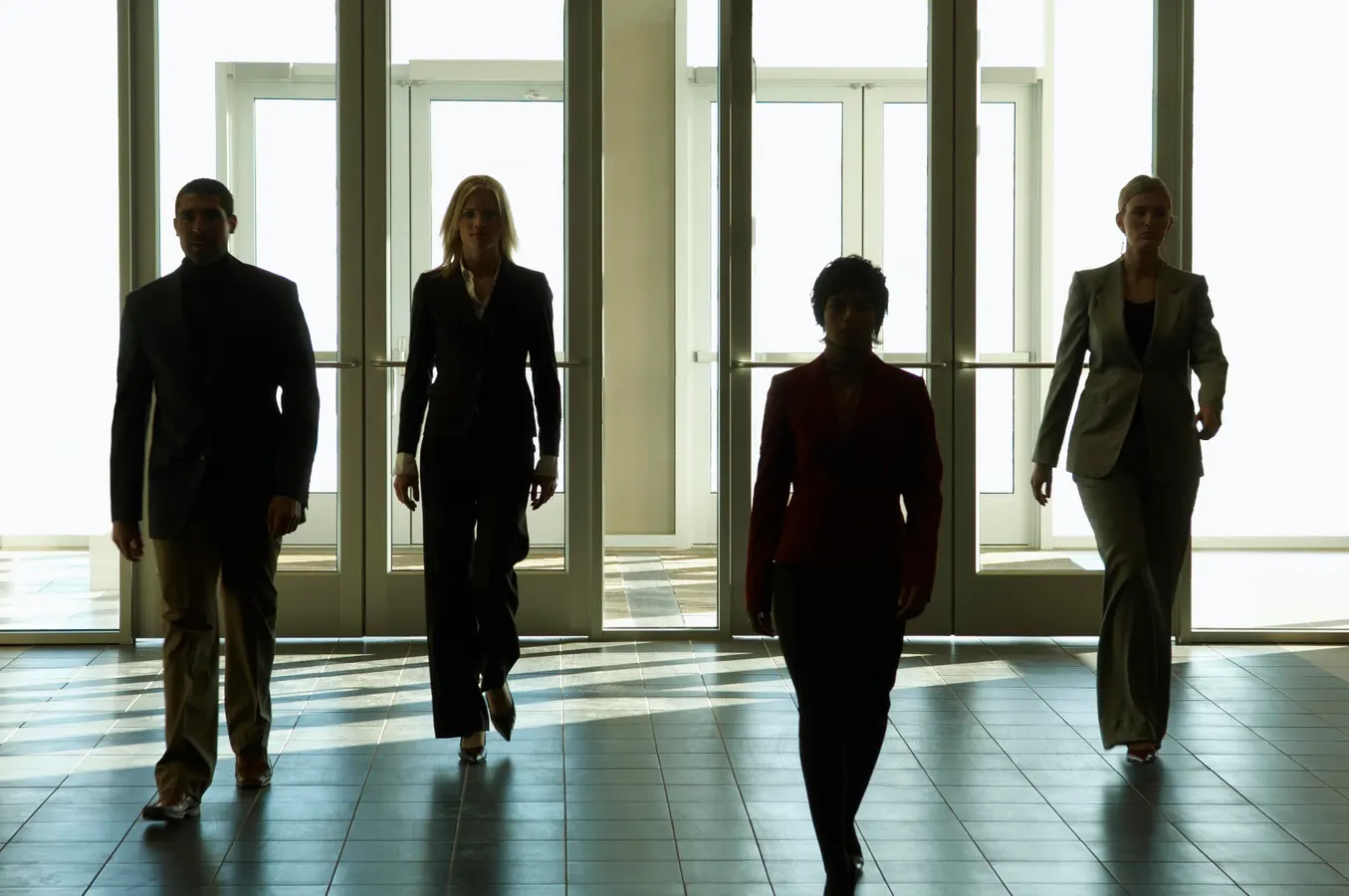
Anyone who has held the CIO position recently knows the role requires enormous time brokering between parties whose interests do not naturally align.
TL;DRAI
The modern CIO role has fragmented into four distinct identities: Technologist, Psychologist, Lawyer, and Diplomat — each requiring skills that actively compete for time and attention within the same person. CIOs lacking legal literacy and stakeholder brokering capability will become execution bottlenecks as governance, compliance, and cross-functional negotiation claim an ever-larger share of the role.
840 words~4 min read