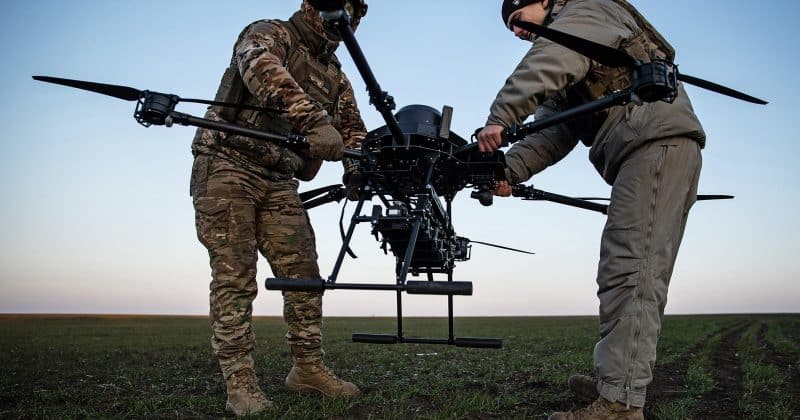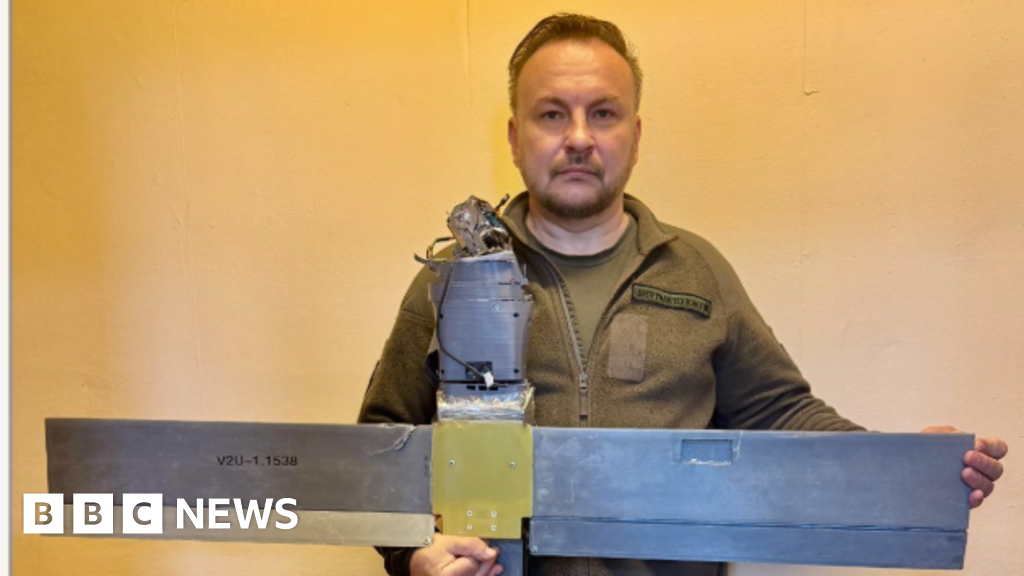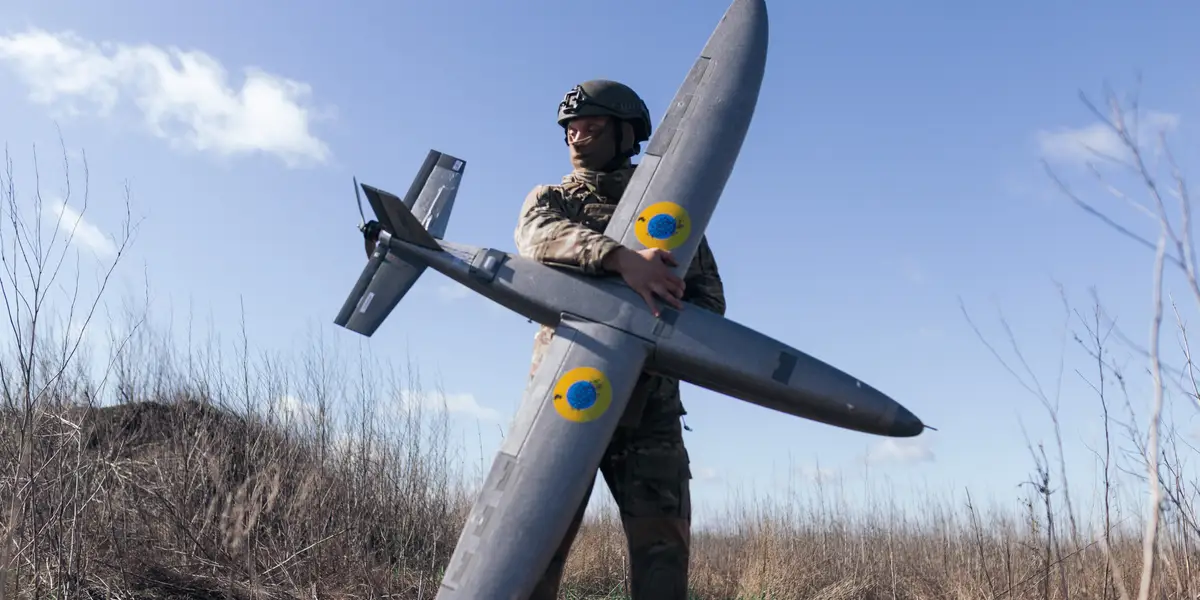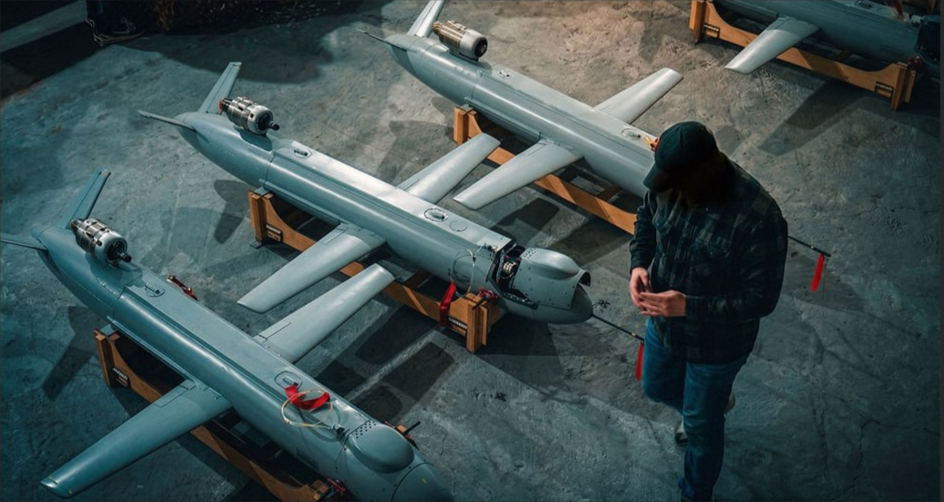
For the past few months, a drone has been prowling Russian logistics routes. The Hornet, which the Russians call the "Martian-2", is a mid-range kamikaze drone partially piloted by artificial intelligence. The drone – which is built of polystyrene, has a 2-metre wingspan and a range of more than 100 km – costs $6,000 USD. It can hit a target at a speed of 200 km/h and can carry a 4.5kg payload. After the drone is launched using a catapult, it flies using an electric propeller motor, which means that it is nearly silent, according to Russian sources. It is piloted using two cameras. The US-designed Hornet was developed by the American company Perennial Autonomy, which was founded and financed by former Google CEO, Eric Schmidt. This drone is frequently used in US Army training exercises. However, in July 2025, Perennial Autonomy – then called Swift Beat – made a deal to supply Ukraine with drones. Ukrainian President Volodymyr Zelensky announced on May 5 that Ukraine had quadrupled its number of mid-range strikes, meaning those beyond 20 kilometres, between February and April 2026.
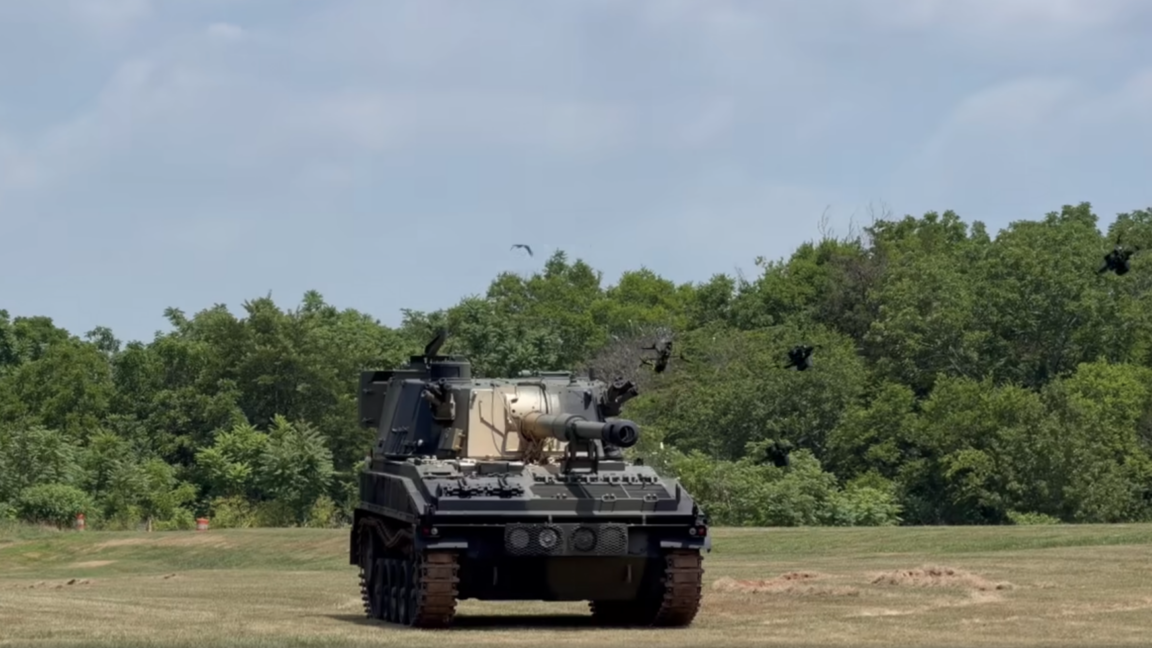
This shows a Hornet drone on its launcher. © US Army
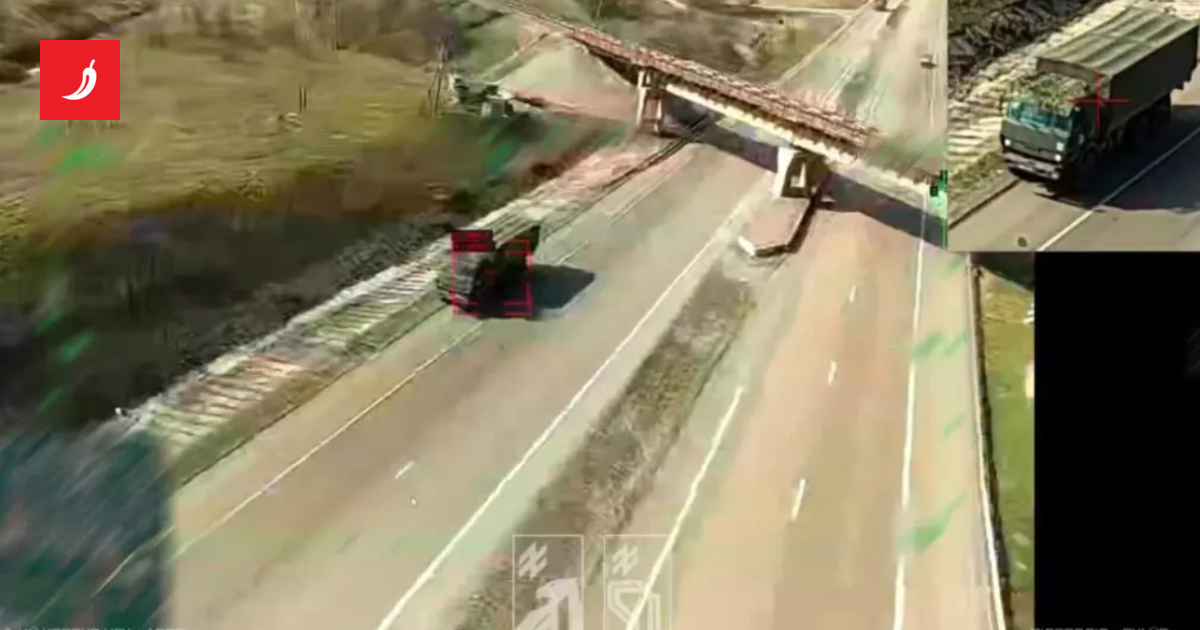
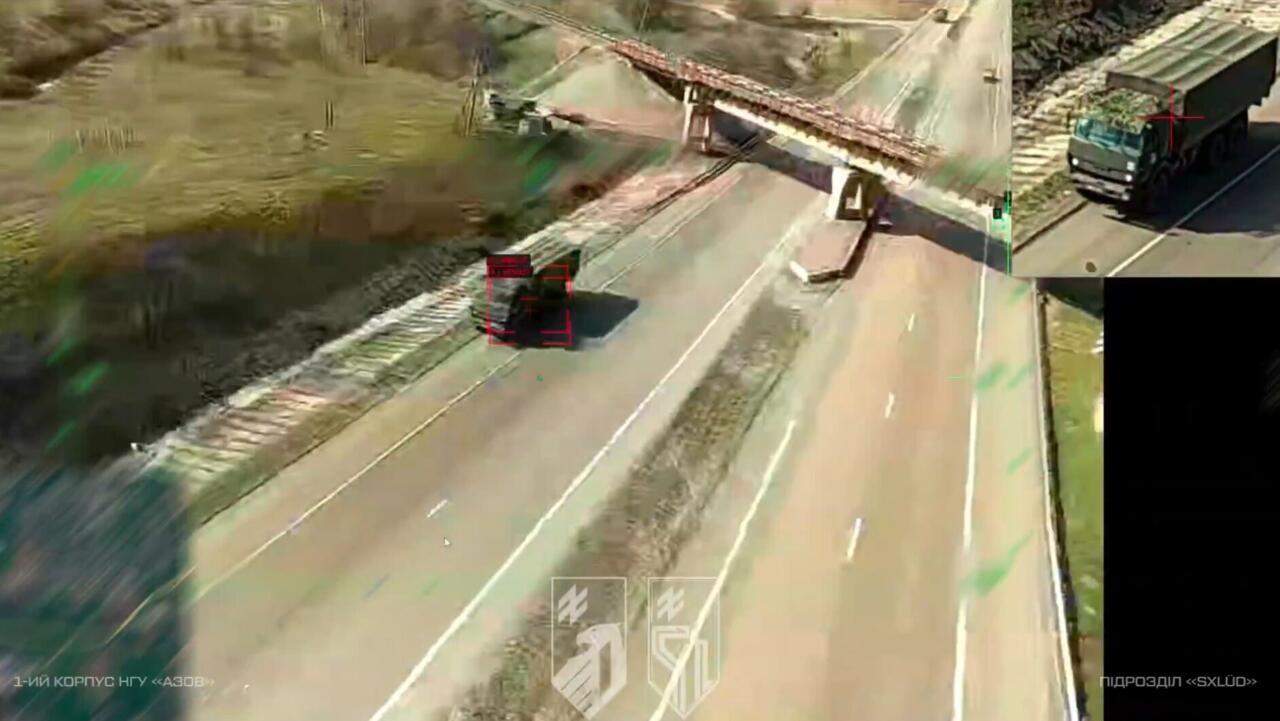
Once the drone is in Russian-occupied territory, it can apparently pilot itself using artificial intelligence, a system that makes it less vulnerable to Russian signal jamming. The drone is said to be able to automatically identify its targets before striking. It is, however, very difficult to know the precise role played by artificial intelligence in the decision taken to strike. Our team contacted Perennial Autonomy, who did not want to comment on the drone’s piloting system. The Ukrainian Army did not respond to our questions. Elite Ukrainian units like the Azov and Khartia Brigades have been posting images of Hornet drones striking Russian supply convoys. On his Telegram channel, Russian military blogger Alexander Kharchenko admitted that Russian “logistics is seriously disrupted”. He said that the Hornet is allowing Ukrainians to strike at an unprecedented distance: “Until recently, the guys were easily carrying out patrols 50 kilometres from the frontlines. But now, this area is under fire by the Hornets.” ‘The drone approaches its target silently, we don’t have time to react’ In video after video, the same scene repeats over and over. The drone flies over the area, spots a Russian truck or another piece of equipment and marks its target with a red square. Then, it hurtles toward its target to detonate.