The assertion that large language models (LLMs) are "terrible at video games" warrants a nuanced technical examination. While LLMs demonstrate remarkable capabilities in text generation, translation, and code comprehension, their performance in interactive, real-time, and often visually complex environments like video games is indeed significantly limited. This limitation stems not from a fundamental inability to process game-related data, but rather from a mismatch between the inherent architecture and training objectives of LLMs and the dynamic, multimodal, and often continuous nature of game states and actions.
Understanding the Core Architecture and Training of LLMs
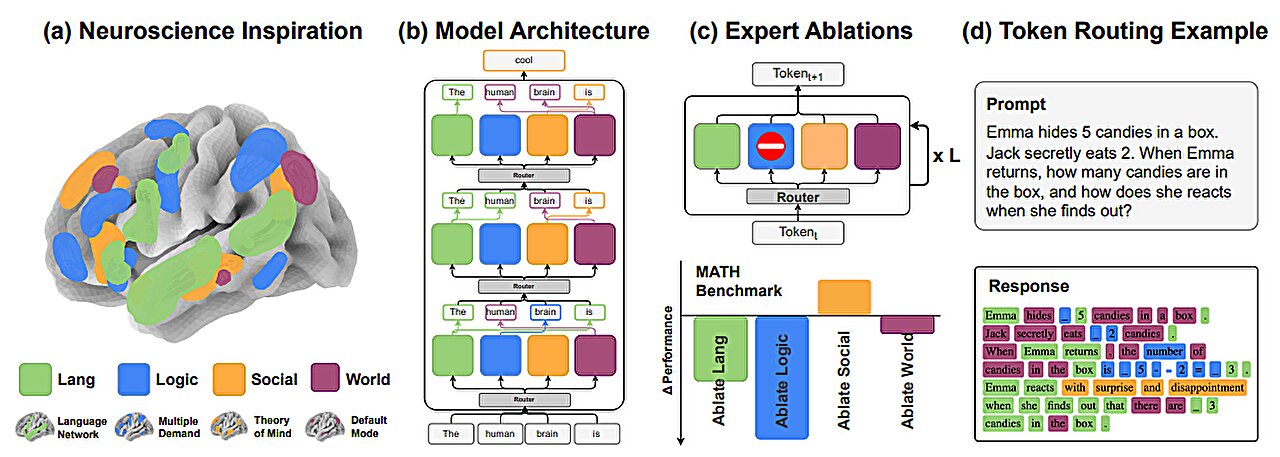
At their core, LLMs are transformer-based neural networks designed to predict the next token (word or sub-word unit) in a sequence, given a preceding sequence of tokens. Their training objective is typically self-supervised, leveraging vast amounts of text data to learn statistical relationships between words. This leads to a profound understanding of language syntax, semantics, and even some degree of world knowledge.
The transformer architecture, with its self-attention mechanism, excels at capturing long-range dependencies within sequential data. This is highly effective for understanding context in text. However, this sequential processing paradigm presents inherent challenges when applied to video games.