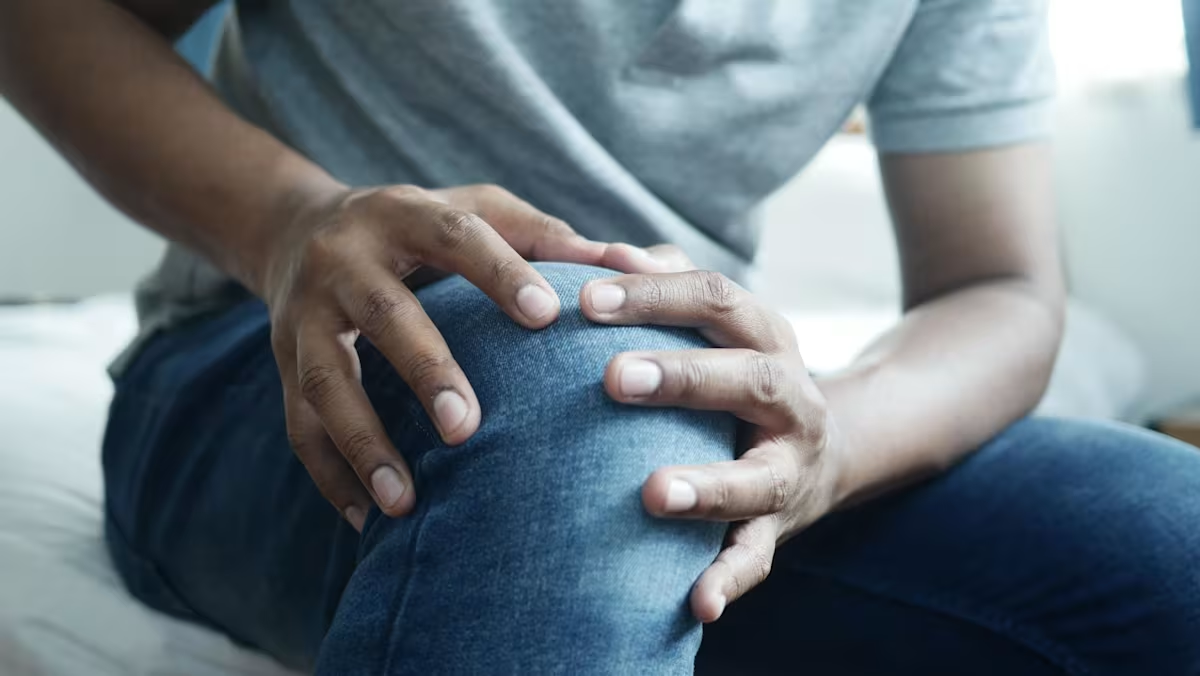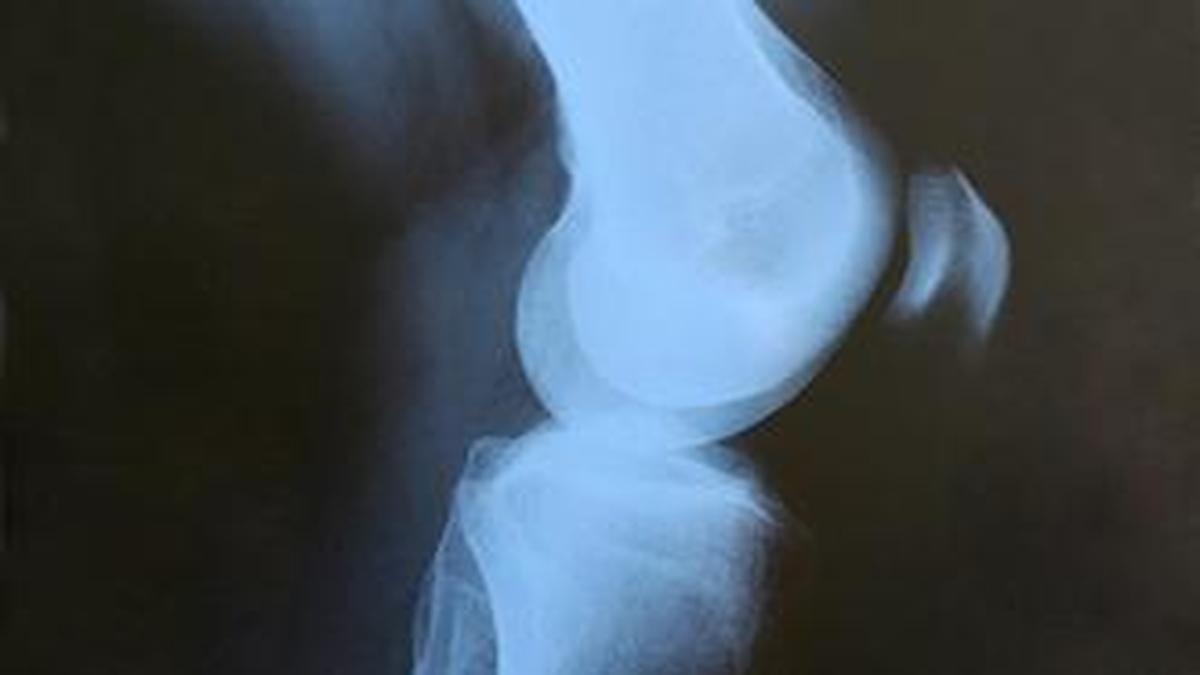
Cramming intense weekend sports into a sedentary workweek spikes the risk of knee ligament injuries | Image used for representational purpose only
| Photo Credit: Getty Images
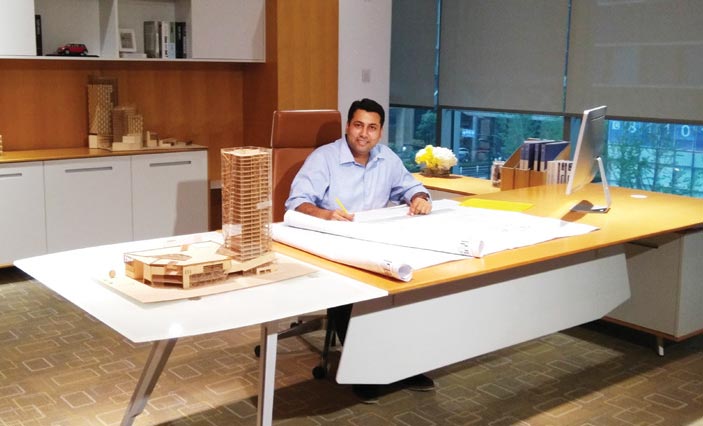
Orthopaedic specialists are seeing an increase in injuries to the anterior cruciate ligament (ACL), one of the major ligaments that stabilises the knee, among young professionals who spend long hours sitting during weekdays and then suddenly engage in high-intensity physical activities over weekends. This ‘weekend warrior’ lifestyle puts excessive strain on the knees, particularly when the body is not conditioned for high-impact movements.The ACL plays an important role in stabilising the knee during movements such as twisting, jumping, pivoting and sudden changes in direction. Injury to this ligament can lead to pain, swelling and difficulty with movement. Unpredictable training routines, lack of flexibility and failure to warm up properly are among the common causes of such injuries.Sports and strainSports commonly associated with ACL injuries include football, badminton, pickleball, tennis, running, marathon events and high-intensity gym workouts. These activities involve sudden stops, quick turns, jumping and pivoting movements that place significant stress on the knee joint.ACL injuries are no longer limited to professional athletes. Adults in their 20s, 30s and even 40s are increasingly experiencing these injuries during recreational sports and fitness activities. Obesity and sudden weight gain can add further strain on the knee joints. Poor playing surfaces, inappropriate footwear, fatigue and improper exercise techniques are also contributing factors.Warning signsAn ACL injury usually occurs suddenly and may be accompanied by a popping sound in the knee. Common symptoms include immediate pain, swelling, difficulty walking and a feeling that the knee is unstable or giving way. Many people also experience difficulty climbing stairs, turning or fully moving the knee. Early diagnosis is important to prevent further joint damage.Prevention and recoveryRecovery depends on the severity of the injury. Minor tears may improve with physiotherapy and rehabilitation, while complete tears often require surgery followed by months of recovery and strengthening exercises. If left untreated, ACL injuries can lead to chronic knee instability, cartilage damage and early osteoarthritis. Experts advise maintaining regular physical activity during the week, strengthening leg muscles and warming up properly before sports to reduce the risk of injury. Many ACL injuries can be prevented through regular conditioning and gradual fitness training. Staying physically active throughout the week, strengthening the quadriceps and hamstring muscles, improving flexibility and balance, wearing proper footwear and avoiding sudden overexertion can all help reduce strain on the knees.With more urban professionals taking part in fitness programmes and recreational sports, experts stress that fitness should be consistent rather than limited to weekends. Building muscle strength, flexibility and overall conditioning can help people stay active while reducing the risk of serious knee injuries.(Dr Rajesh Srinivas is a consultant orthopaedic surgeon, Manipal Hospitals, Varthur Road, Bengaluru. rajesh.srinivas@manipalhospitals.com) Published - June 01, 2026 04:06 pm IST