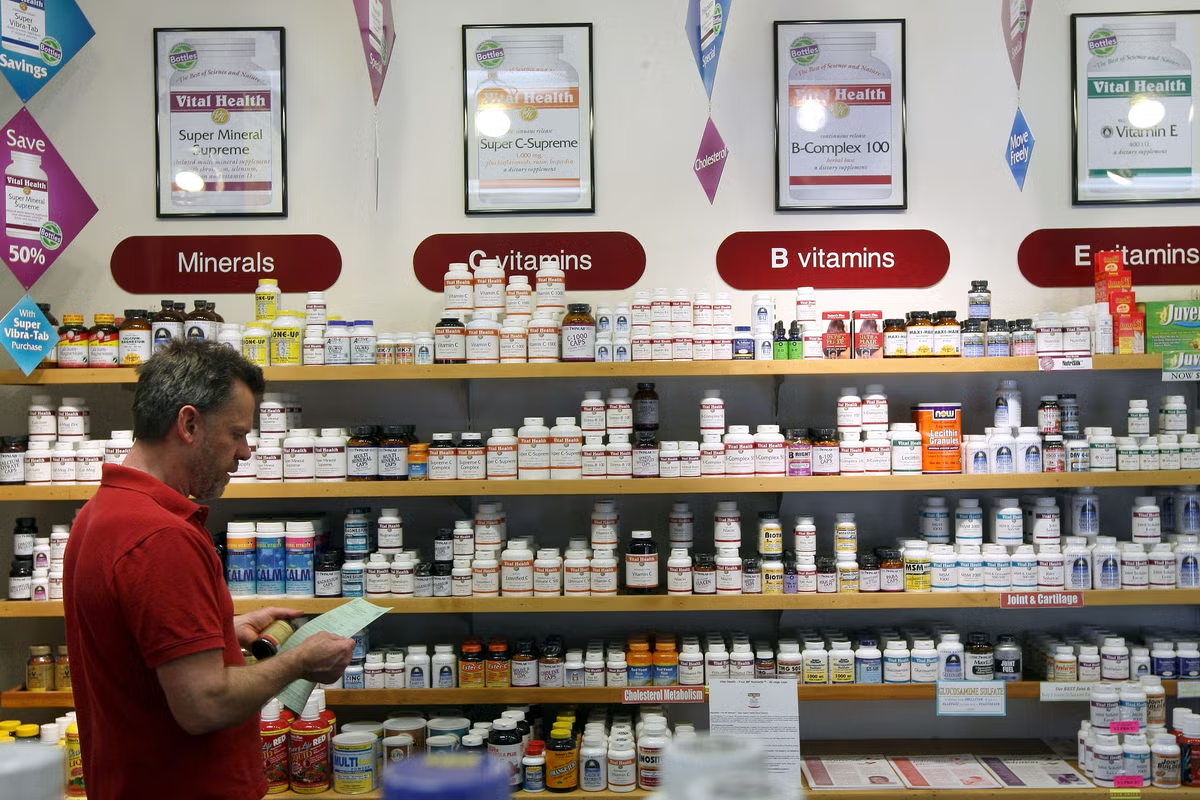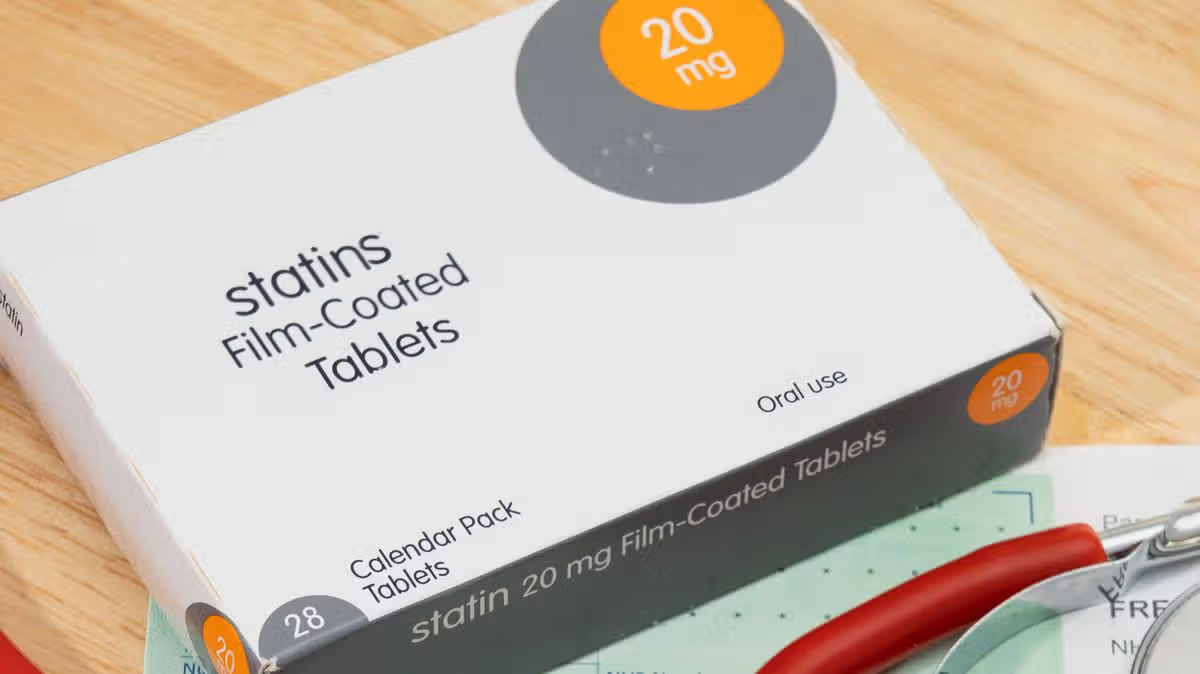
Dr Amir Khan who has appeared on ITV's This Morning said people need to check with their doctor if they’re on certain medications11:40, 01 Jun 2026A TV doctor has issued an urgent alert for anyone taking warfarin, tetracyclines, ciprofloxacin and some statins - because some supplements will interfere with how they work. Speaking today on Instagram Dr Amir Khan, who has appeared on This Morning and Lorraine explained people need to check with their doctor if they’re on certain medications.Many people take supplements for health reasons, but they may be unaware of potential issues. Dr Khan said: “Let’s have a quick chat about supplements because loads of people take them. Magnesium, turmeric, St. John’s wart, collagen, herbal remedies, and I think many assume, well, it’s natural, so it should be safe. But natural doesn’t automatically mean harmless, especially if you’re taking medication.“For example, St. John’s wort, which some people take for low mood, is one of the biggest culprits. It can interfere with anti-depressants, the contraceptive pill, blood thinners, and even some medication used after organ transplant. It changes how your liver processes drugs.”He also highlighted an issue for people taking some supplements for inflammation. Dr Khan said: “Then there’s turmeric or curcumin supplements. These are really popular for inflammation and joint pain, but if you’re taking blood thinners like warfarine or anti-coagulants, there’s concern about increased bleeding risk.“Magnesium is another one. Magnesium supplements can affect how well some medications are absorbed, things like certain antibiotics or thyroid medication. So, timing can matter. Make sure you mention that to your doctor.”For Magnesium according to experts thyroud medication including Levothyroxine couild be impacted with a ‘four hour rule’ suggested. Blue Horizon blood tests said: “To ensure your medication works correctly, you should leave a gap of at least four hours between taking your levothyroxine and taking any magnesium supplement. Many patients find it easiest to take their thyroid medication first thing in the morning and their magnesium supplement before bed.”For antibiotics magnesium can reduce the absorption of antibiotics like tetracyclines, for example doxycycline and fluoroquinolones like ciprofloxacin, levofloxacin. Experts say to take these antibiotics at least 2 hours before or 4 to 6 hours after magnesium.Content cannot be displayed without consentBisphosphonates are sed to treat osteoporosis - for example alendronate and ibandronate), and magnesium can interfere with their absorption and neutralize the necessary stomach acid.Article continues belowDr Khan added: “Calcium supplements can do something similar, reducing absorption of medications, including levothyroxine and some antibiotics if taken together. And then there’s vitamin K, important for bone health and often found in some supplements. It can interfere with warfarine because warfarine affects um your vitamin K pathways and that can affect your bleeding and clotting risk.“Even grapefruit juice, I know it isn’t technically a supplement, but it can with some statins and other medications because of the way it affects drug breakdown. Now, this doesn’t mean supplements are bad. Some are genuinely helpful for the right person at the right dose for the right reason. But my message is simply this."If you’re taking regular medication, don’t forget to tell your doctor which supplements you also take. Because sometimes the interaction we’re worried about isn’t between two medication. It can be between medicine and something you thought was hard. almost like a supplement. Just let us know.”
TV doctor's warfarin ciprofloxacin statins alert over supplements
Dr Amir Khan who has appeared on ITV's This Morning said people need to check with their doctor if they’re on certain medications
553 words~3 min read