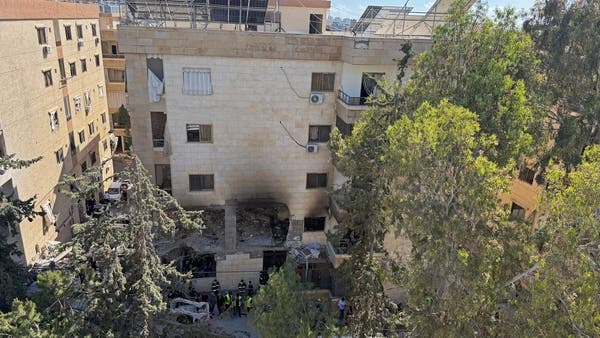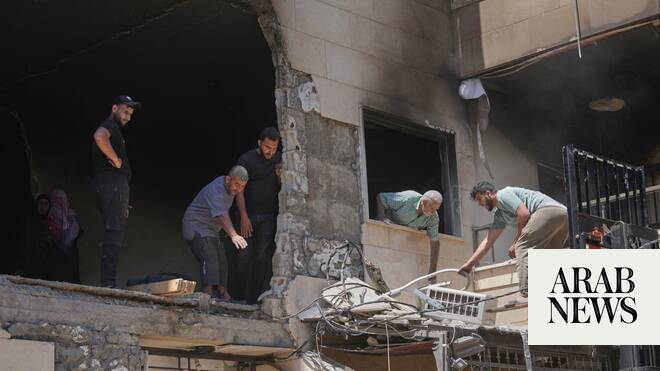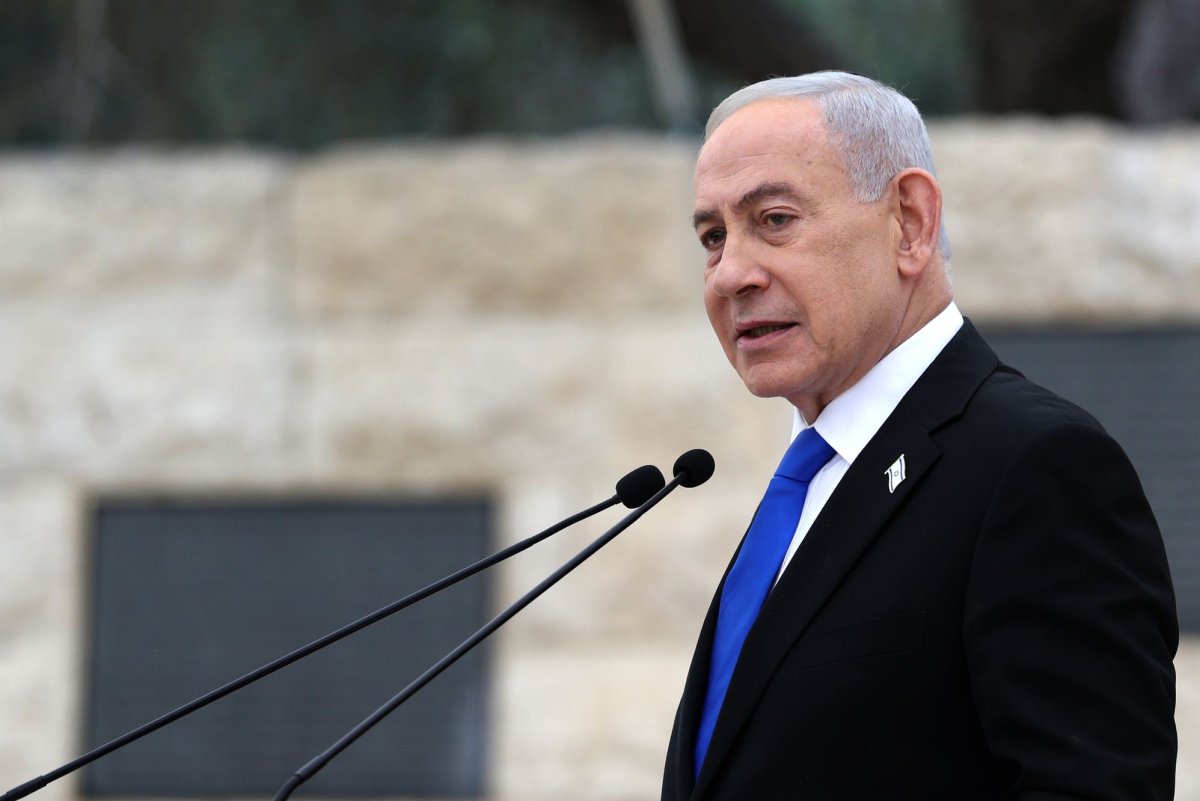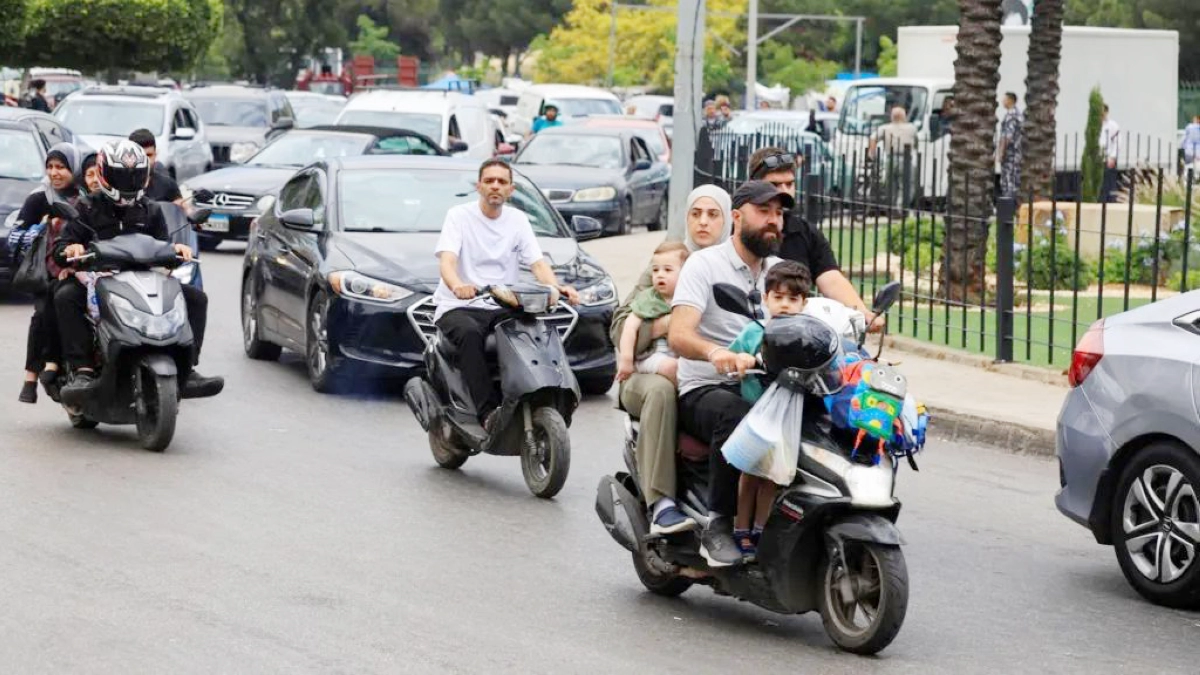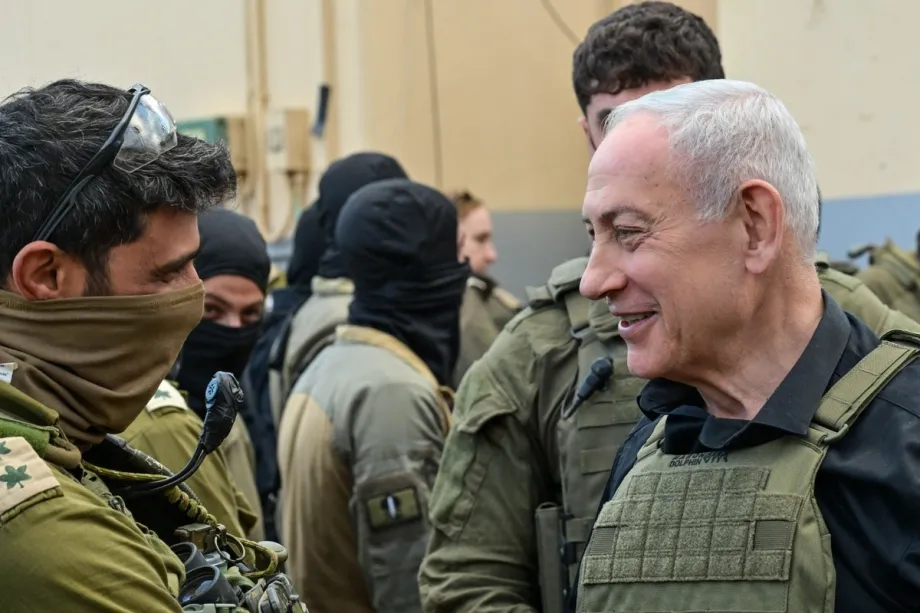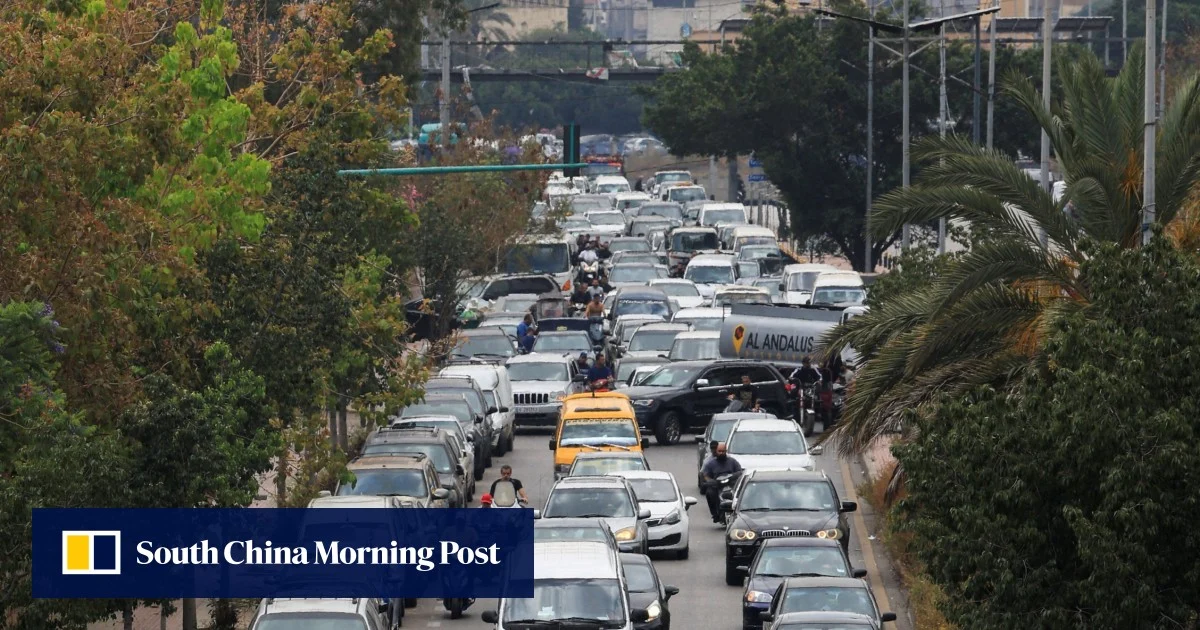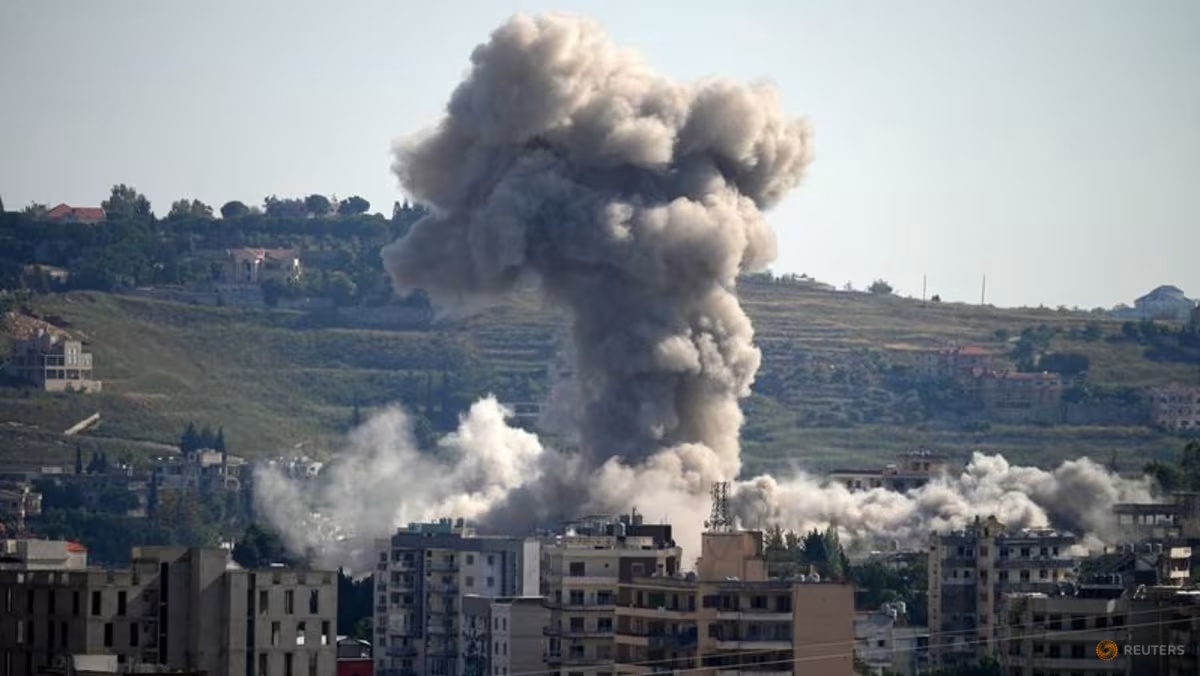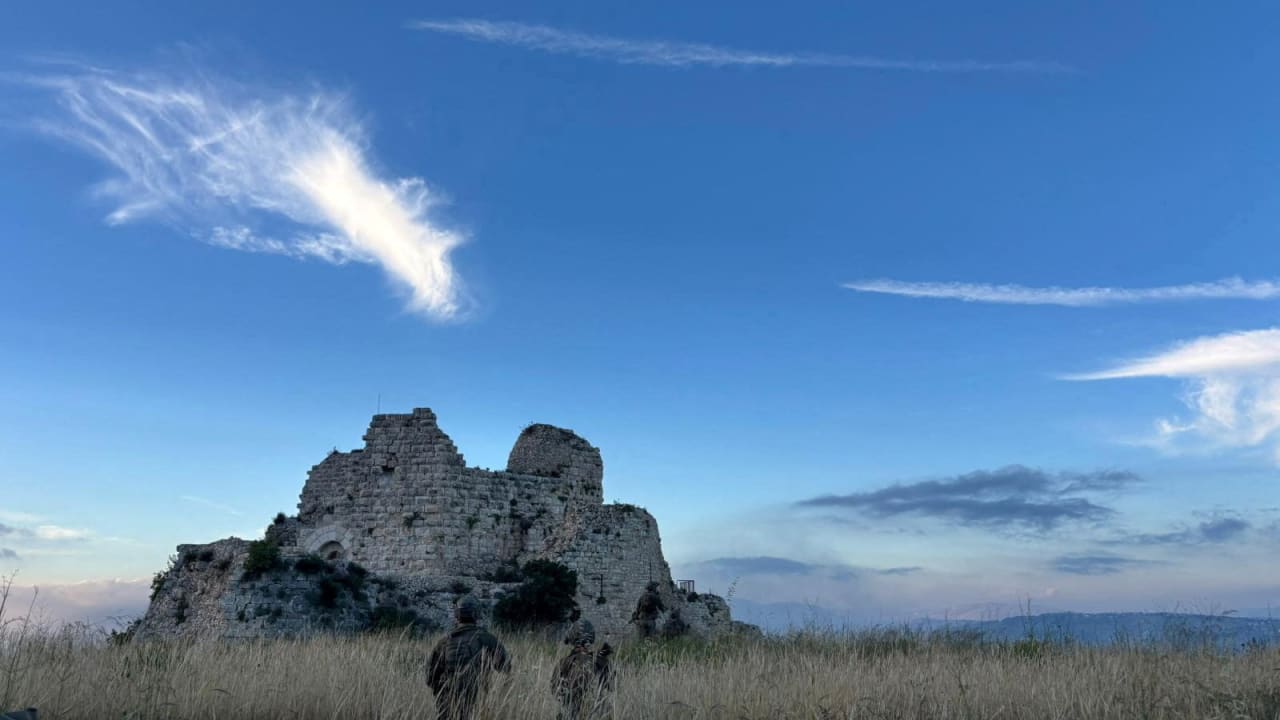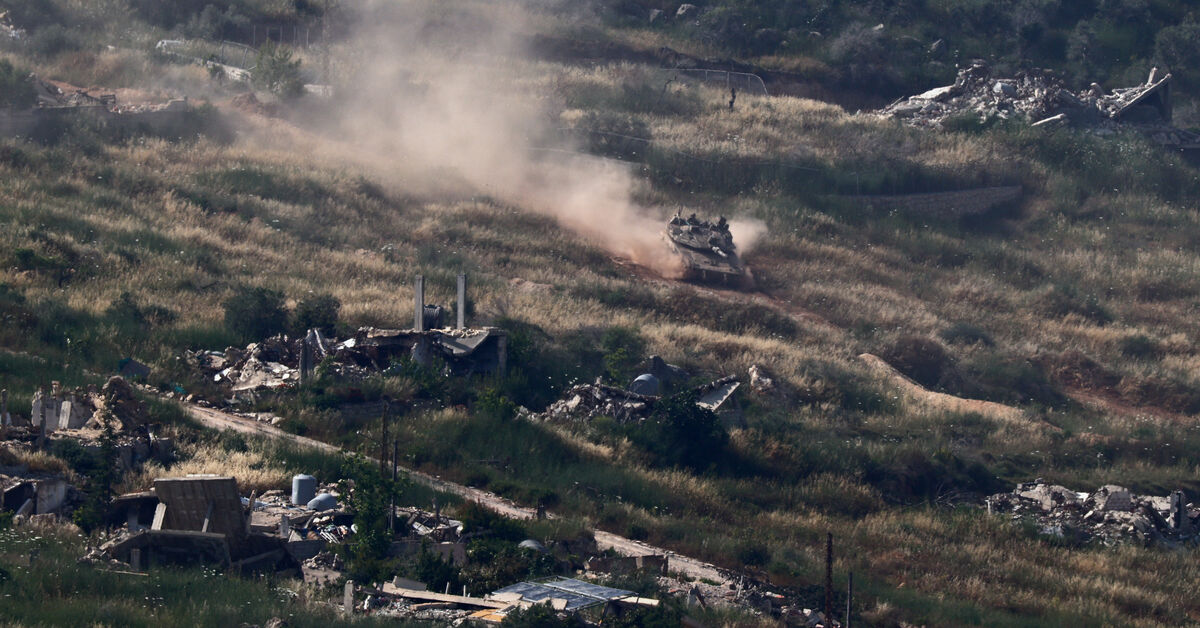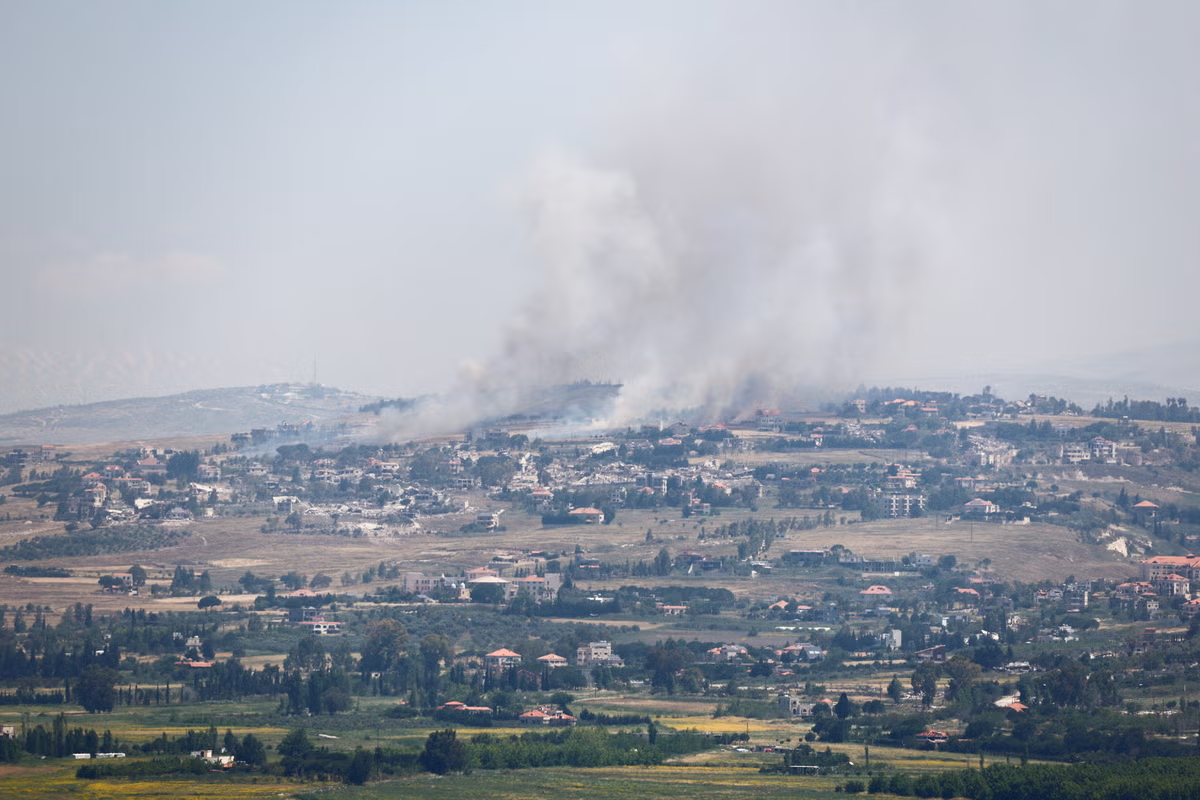
Benjamin Netanyahu says he has ordered Israeli forces to strike Beirut’s southern suburbs, known as Dahiyeh. It comes as the Israeli military expanded its incursion into southern Lebanon, pushing north of the Litani River and re-capturing the strategic Beaufort Castle on Sunday, 44 years after it first occupied it.Both Israel and Hezbollah have accused the other of violating the nominal ceasefire brokered by the United States, which officially began on 17 April."In light of the repeated violations of the ceasefire in Lebanon by the terrorist organisation Hezbollah and the attacks on our cities and citizens, prime minister Benjamin Netanyahu and defence minister Israel Katz have instructed the IDF to strike terror targets in the Dahiyeh district of Beirut," a joint statement from Mr Netanyahu and Mr Katz said.Dahiyeh is often described as a Hezbollah stronghold and has borne the brunt of much of Israel’s bombardment of the capital. It is a densely populated residential suburb predominantly made up of Shia Muslims, along with Christians and Palestinian refugees.Smoke rises in Lebanon, as seen from the Israeli side of the border, June 1, 2026. REUTERS/Amir Cohen (Reuters)The US had urged Israel against striking Beirut for several weeks as part of a broader push to de-escalate the conflict and reach a peace deal.Peace talks are continuing between Israel, Iran, and the US this week, with Iran reiterating that a truce in Lebanon is a vital part of any agreement.An Israeli flag and a flag of the Golani Brigade fly on Beaufort Castle, as seen from Marjayoun, southern Lebanon, June 1, 2026. REUTERS/Stringer (Reuters)Iran’s foreign ministry spokesperson, Esmaeil Baghaei, said on Monday that Israeli attacks in Lebanon were among factors causing a delay to the diplomatic process to end the US-Iran war.The French foreign minister, Jean-Noël Barrot, requested an emergency meeting of the UN security council on Monday to discuss Israel’s military operations in Lebanon, which he described as unacceptable.“Nothing can justify the prolongation of Israeli military operations in Lebanon and its increasingly deep occupation of Lebanese territory,” he said.British foreign secretary Yvette Cooper on Sunday called for Israel and Hezbollah to stop the escalating conflict.“Israel's military escalation in Lebanon has killed and displaced civilians, destroyed infrastructure, and eroded space for diplomacy,” Ms Cooper wrote on X. “It must end.”People make their way on scooters as they flee the southern suburbs of Beirut, after Israeli Prime Minister Benjamin Netanyahu ordered the military to attack targets in the suburbs, Lebanon, June 1, 2026. REUTERS/Mohamed Azakir (Reuters)She added that Hezbollah “must end attacks on Israel and disarm.”Lebanon's health ministry said the death toll from Israel's military campaign has climbed to more than 3,370, with 10,269 people also wounded since 2 March, when Iran-backed Hezbollah launched strikes on Israel in retaliation for the death of Iran’s supreme leader in US-Israeli strikes.Israel says 24 of its soldiers and four civilians have been killed over the same period.In the south of Lebanon, more than 1.2 million people have been displaced following widespread evacuation orders from Israeli troops. On Wednesday it ordered all residents living south of Lebanon’s Zahrani River to leave their homes and move north.Civil defence workers inspect the site of an Israeli strike in the southern Lebanese city of Tyre on May 31, 2026. An Israeli strike near a hospital in Tyre, south Lebanon wounded 13 staffers, the Lebanese health ministry said, as Israel pushes forward its offensive deeper into the country. (Photo by KAWANT HAJU / AFP via Getty Images) (AFP/Getty)Over the last few days, the Israeli military has pummelled towns and villages in the south with air strikes, including the historic city of Tyre which is a UNESCO World Heritage Site.Médecins Sans Frontières (MSF) said last week that its teams supporting local hospitals in Tyre and Nabatiyeh have received successive waves of casualties with severe injuries, including skull fractures, traumatic brain injuries, and shrapnel from drone explosions lodged in their lungs and liver. “In some cases, entire families have been injured or killed,” said Jeremy Ristord, MSF Head of Mission in Lebanon. “This worsening situation risks having further consequences on people’s access to healthcare. If medical teams, including MSF staff, are forced to suspend activities, communities will be left without life-saving care at a time when needs are critical,” he added.
Netanyahu orders Israeli strike on southern Beirut as Lebanon conflict deepens
Both Israel and Hezbollah have accused each other of violating ceasefire brokered by US in April
706 words~3 min read