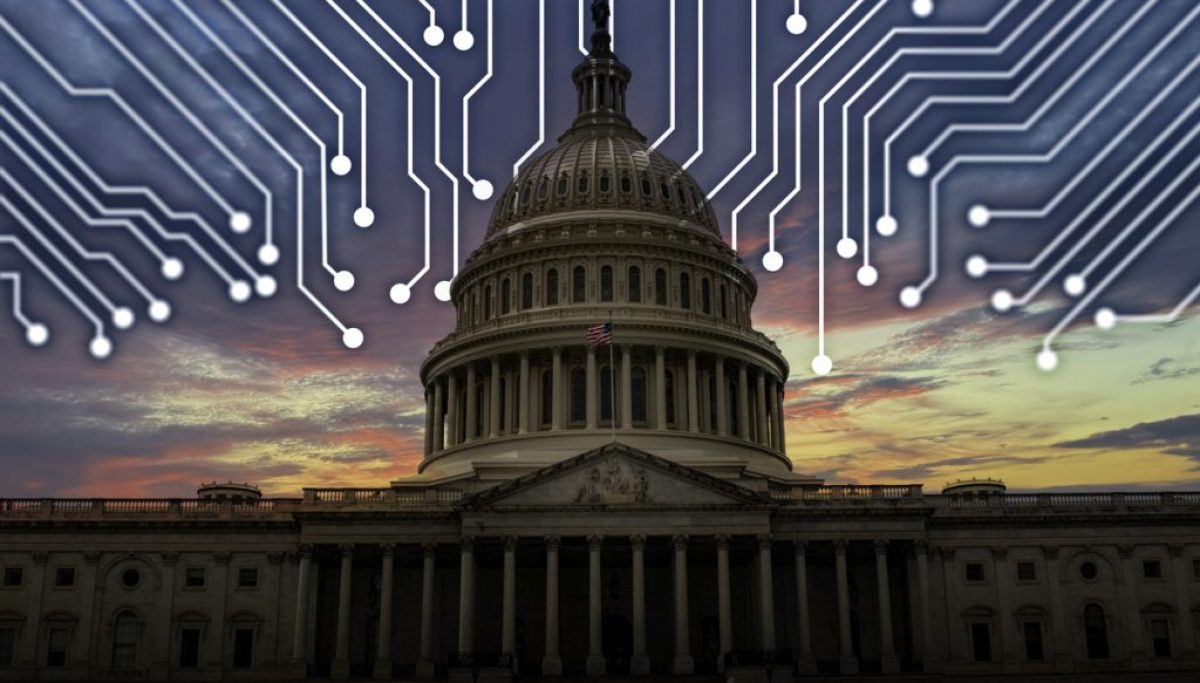
Washington has a familiar reflex whenever a powerful new technology emerges. First comes the anxiety, then the task force, then the process, then the expectation that innovators should move only after government has found a way to review, classify, or bless what they are doing.That instinct may come from a reasonable place. AI is powerful. It will create real risks. But treating the frontier of AI as something that needs a federal checkpoint before it can move forward is exactly the wrong approach for this moment.
IF THE ADMINISTRATION PANICS AT EVERY AI ADVANCE, IT DOESN’T HAVE A POLICY
We are living through the defining industrial technology revolution of the century. Artificial intelligence will shape how economies grow, how scientific discovery happens, how militaries win, how governments operate, and how citizens learn and work. The countries that lead this revolution will shape the next era of prosperity and power. The countries that hesitate will spend the next generation trying to catch up.
America’s posture should be clear: build faster, compete harder, and lead with confidence.
Supporters of the draft order may point out that its review process was reportedly voluntary. That sounds reassuring, but Washington has a way of giving voluntary programs a life of their own. Once the federal government creates a preferred path, the private sector begins to organize around it. Lawyers ask whether skipping the process creates risk. Investors ask whether participation signals responsibility. Agencies ask whether reviewed models should be favored in procurement. Before long, the optional path becomes the expected one.