A decade and change ago, Paul Elie taught a class that I found formative. Its focus was first books, and he talked about each assignment in revelatory terms, prodding us graduate students to connect exciting dots: between a first book and what followed in an author’s career; among similar books of totally different theme; around varied cultural touchpoints that did not feel but were, of course, linked.
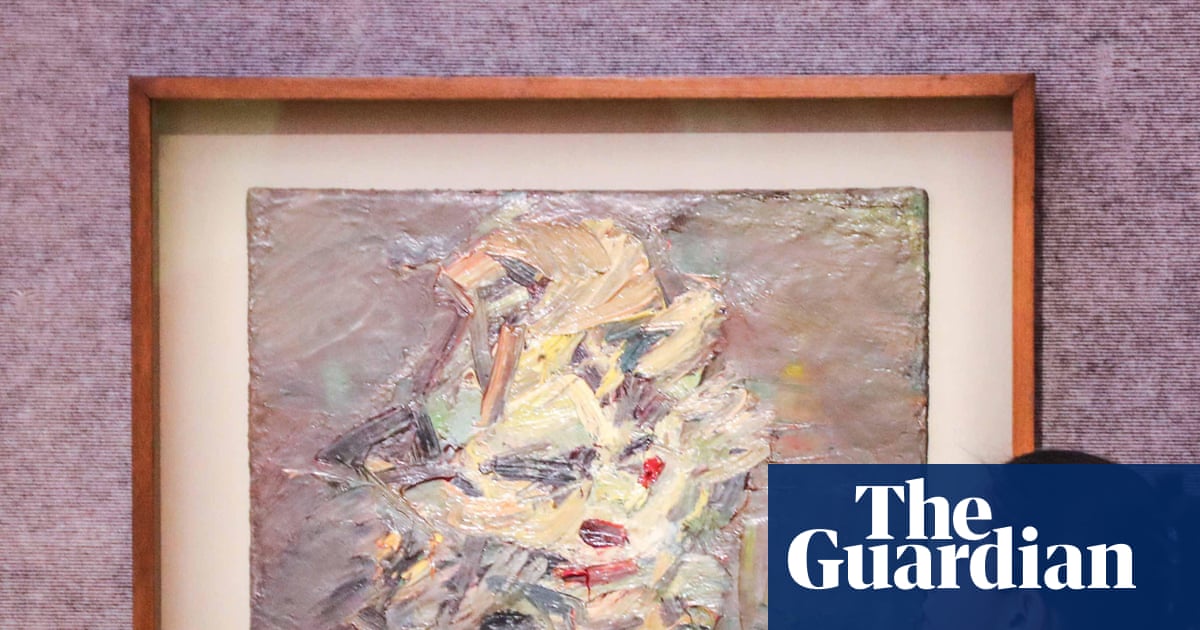
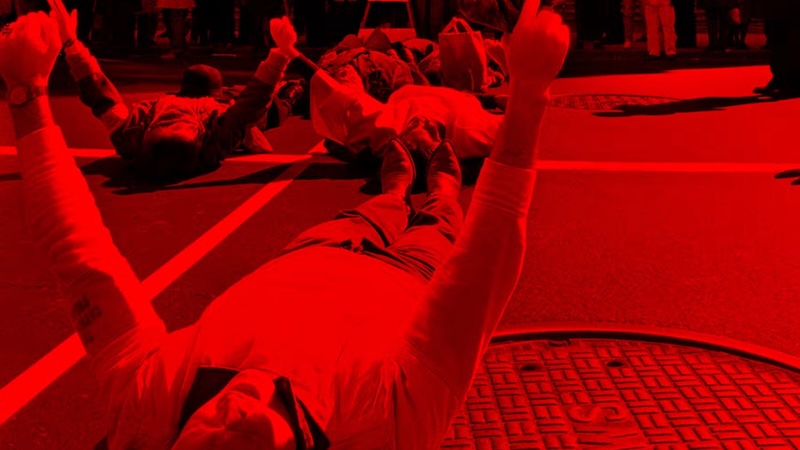
This is the energy I felt in his most recent book, The Last Supper: Art, Faith, Sex, and Controversy in the 1980s. Generative and instinctive, it pulls philosophically and aesthetically disparate-seeming artists into conversation with a whirlpool-like momentum. I had been familiar with many of the artists at its center, but not like this—Elie’s descriptions of the scenes, artworks, and controversies that I thought I knew are riveting, fresh with a different historical weight and focus.
I wanted to talk to him about the art of group portraiture, as my own most recent book, Starry and Restless: Three Women Who Changes Work, Writing, and the World, rests firmly in that territory. At first, I thought this was a departure—when I’d studied with Elie, I’d been working on narrative journalism—but after our talk, I’m not so sure. –Julia Cooke