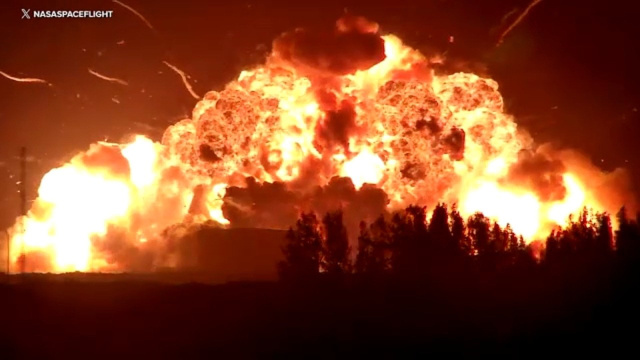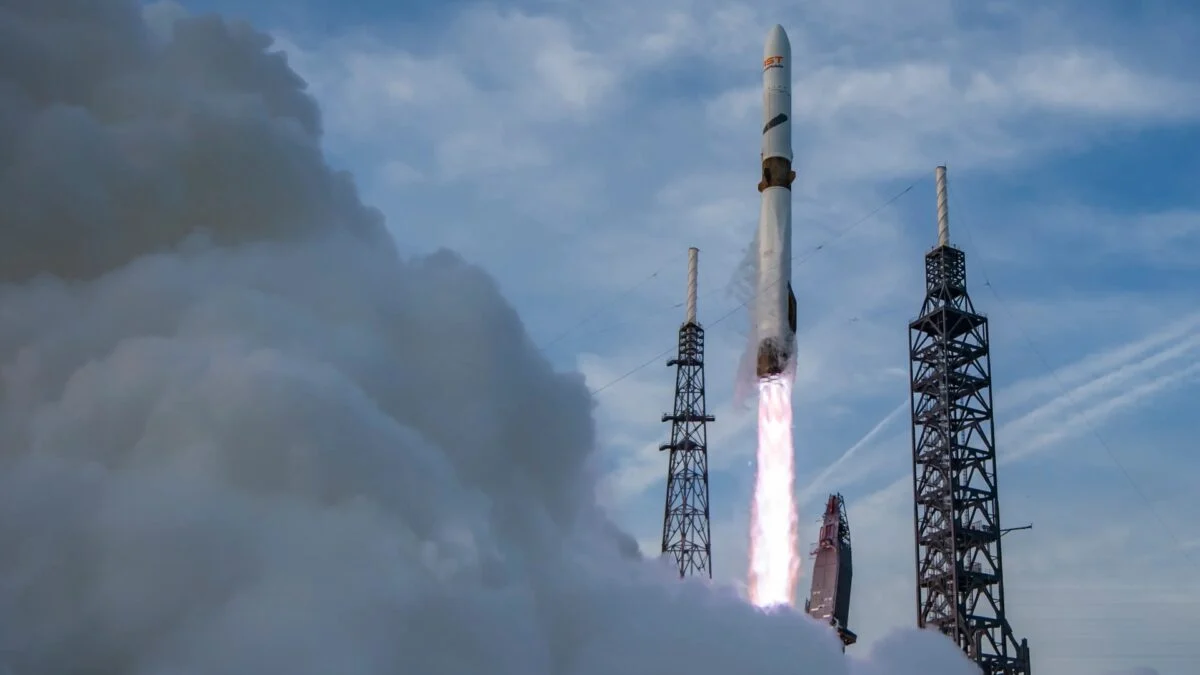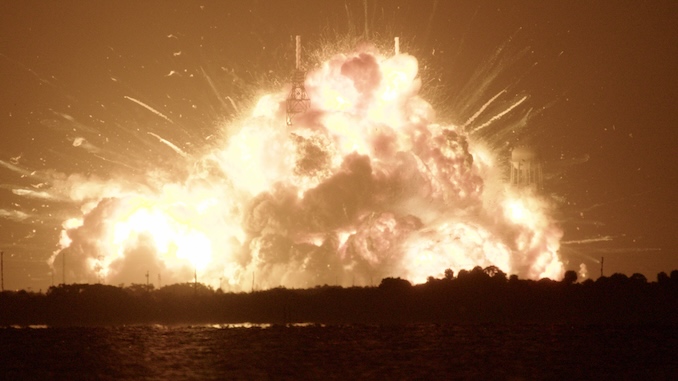
DUBLIN — The explosion of a New Glenn rocket has generated reverberations across the space industry as companies and government agencies address the loss of access to the vehicle for potentially a year or more.
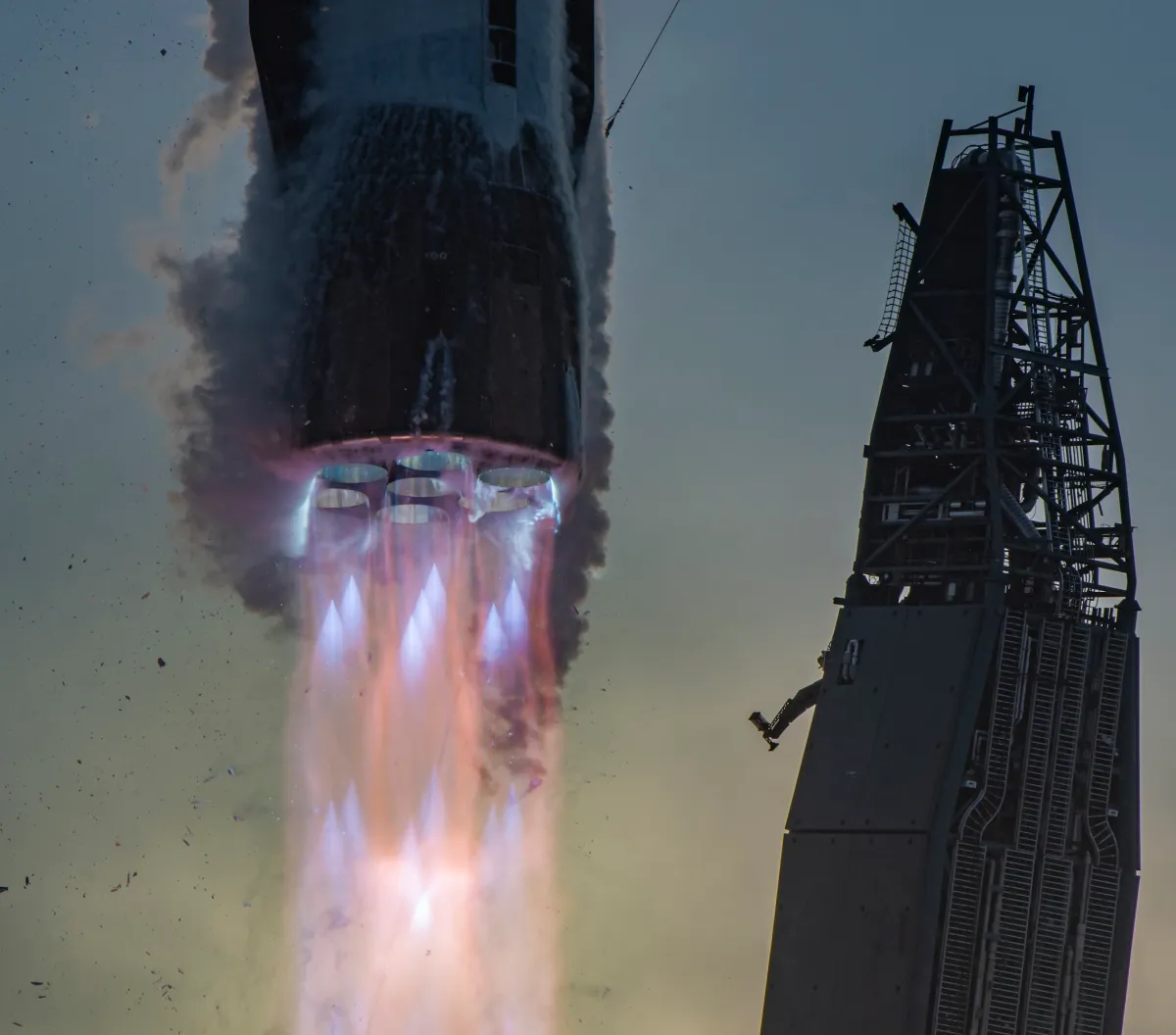
Blue Origin has provided few details about the May 28 incident in which a New Glenn rocket exploded at Cape Canaveral’s Launch Complex 36 during a static-fire test. The rocket was being prepared for the NG-4 launch in early June, carrying 48 Amazon Leo satellites.
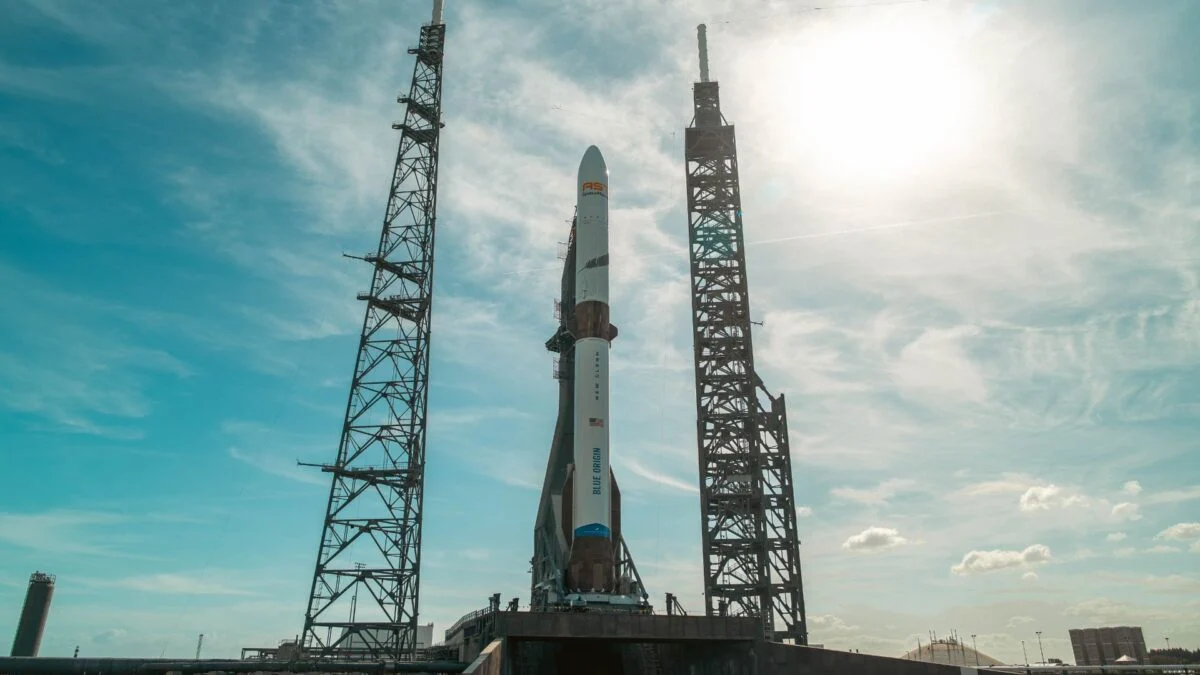
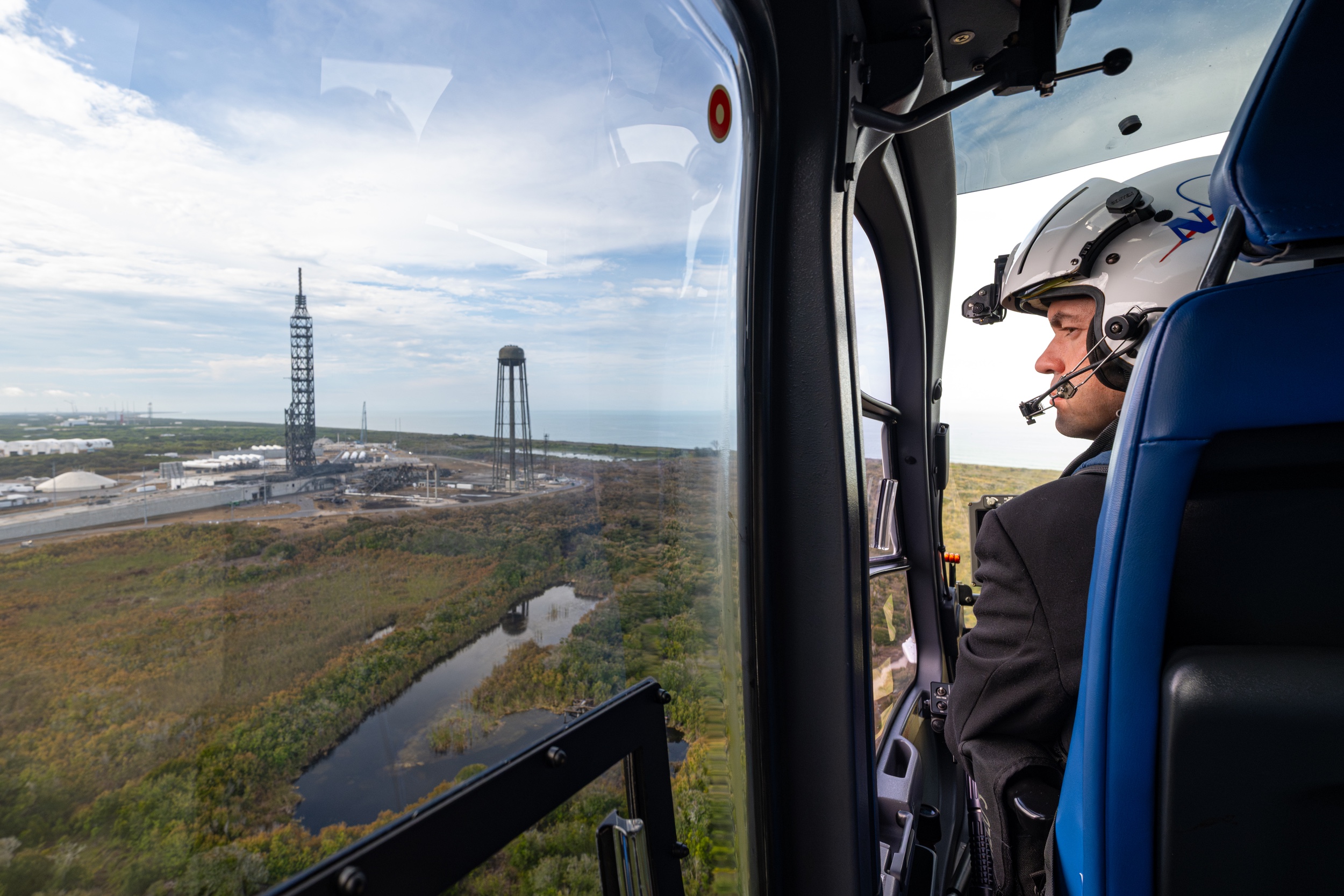
Photos of the launch site taken May 29 show extensive damage to the pad and related infrastructure. One lightning tower at the pad collapsed, and the rocket’s transporter-erector was destroyed. The main launch tower was still standing but was damaged, including bent metal beams.
“We have regained some access to Launch Complex 36 and are actively investigating the hotfire anomaly,” Dave Limp, chief executive of Blue Origin, said in a May 30 social media post. “We will start clearing the pad soon and have a good rebuild plan in place.”
The company has not disclosed what that rebuild plan is or how long it will take. When a Falcon 9 exploded at Space Launch Complex 40 during preparations for a static-fire test in September 2016, it took the company 15 months to rebuild the pad.