June 1, 2026 | 03:39 pm
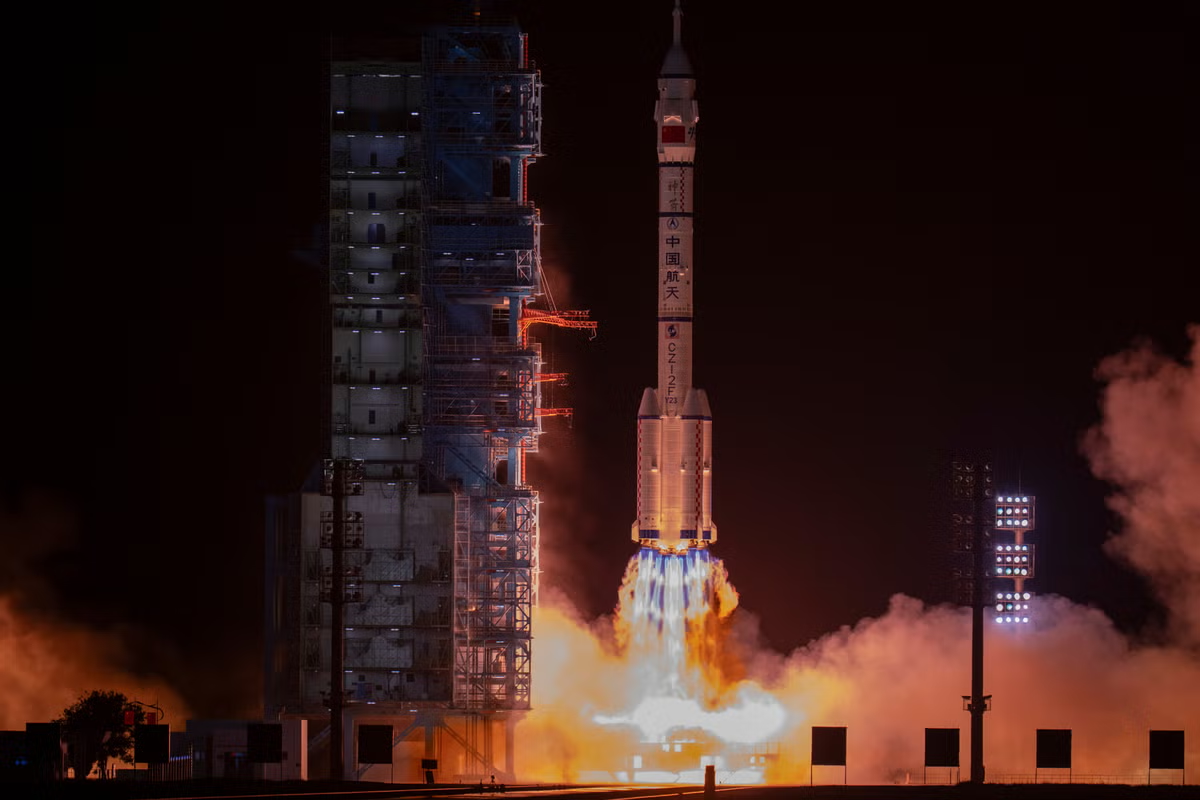
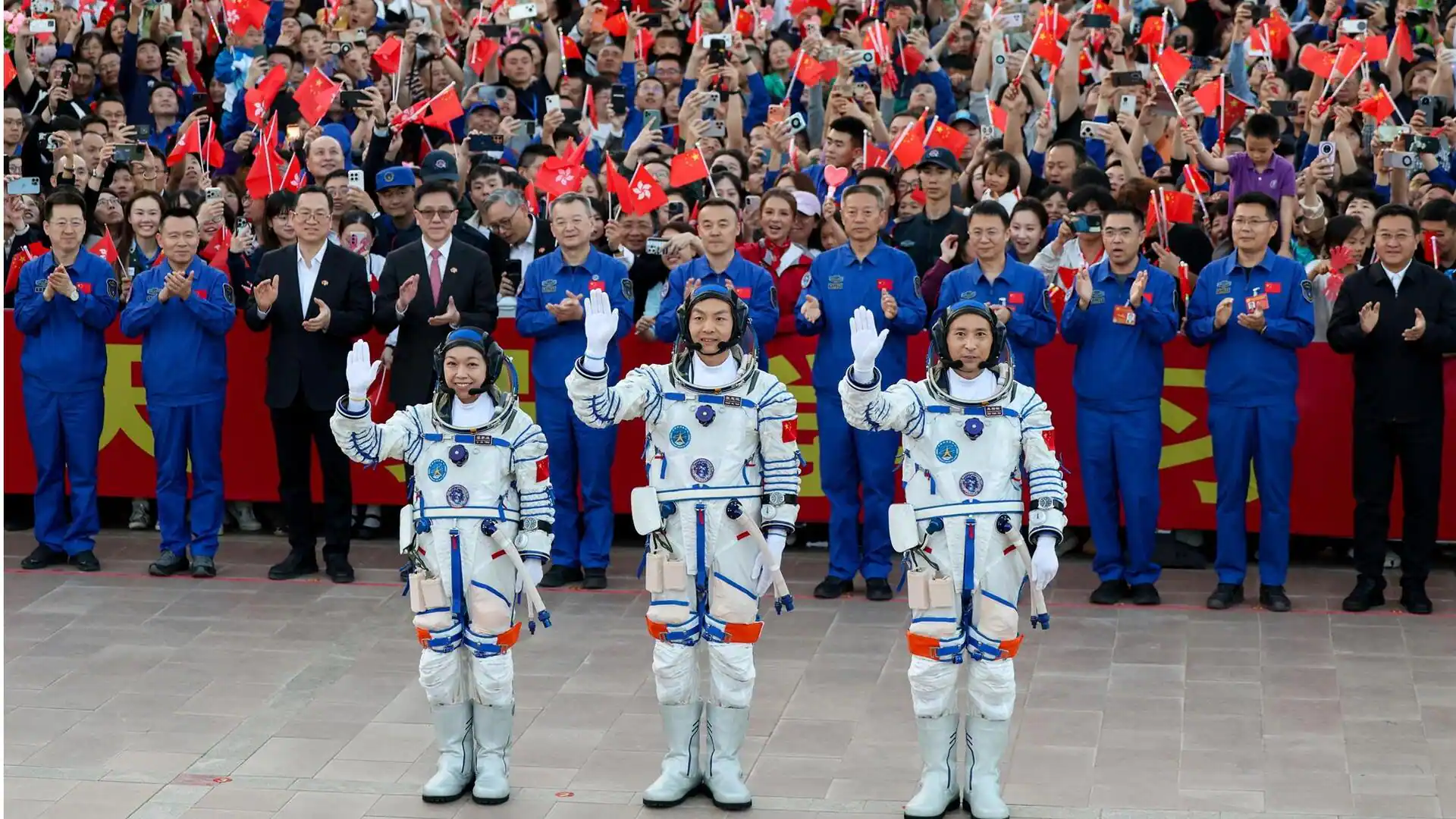
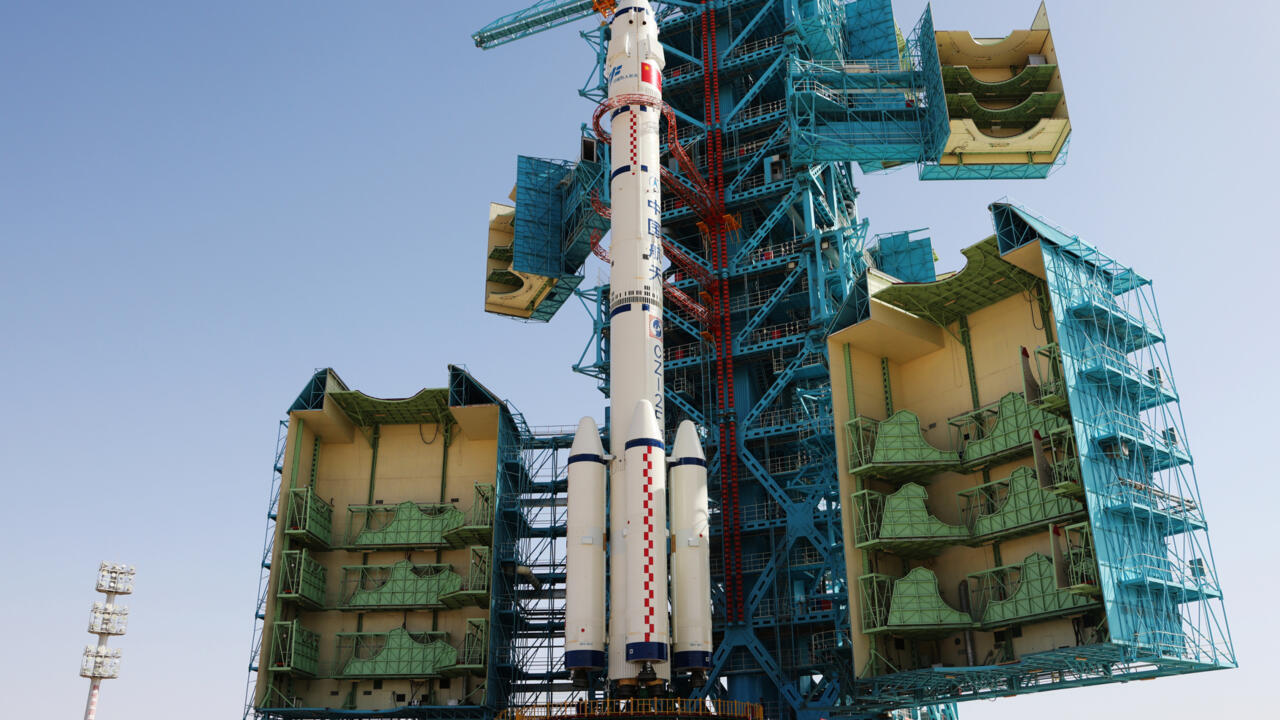
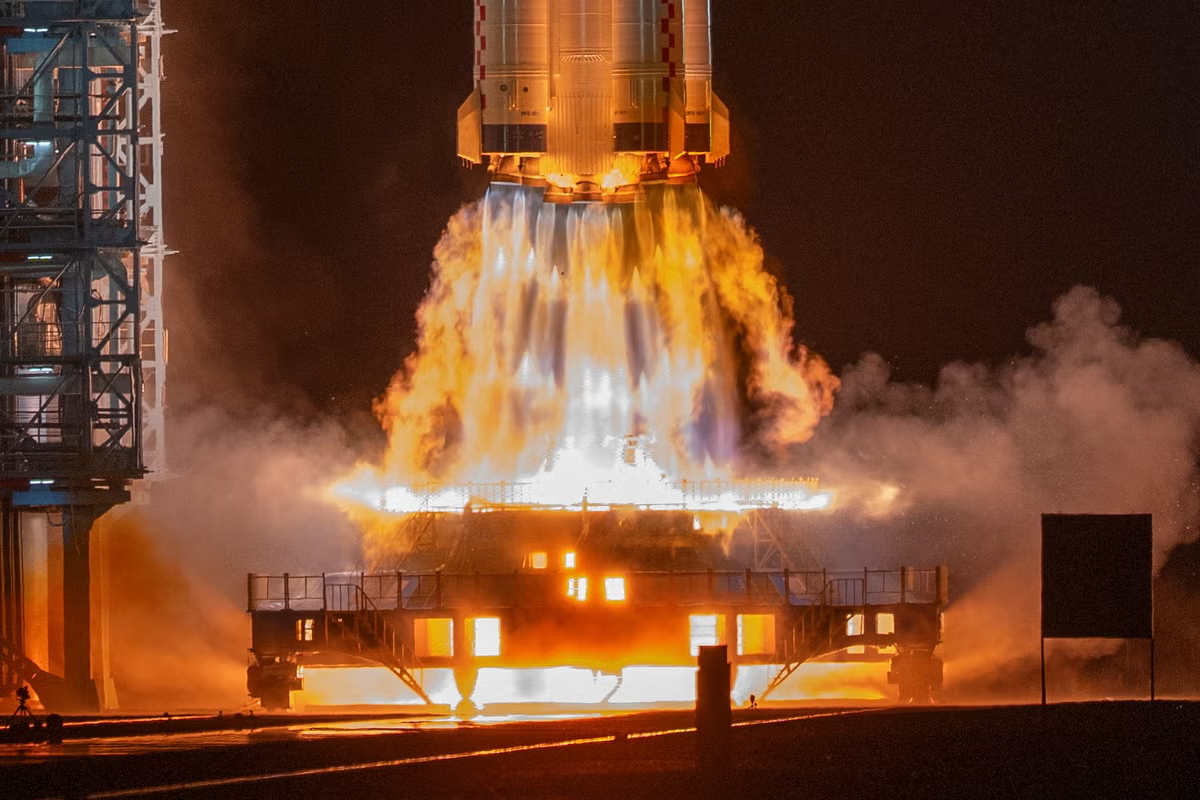
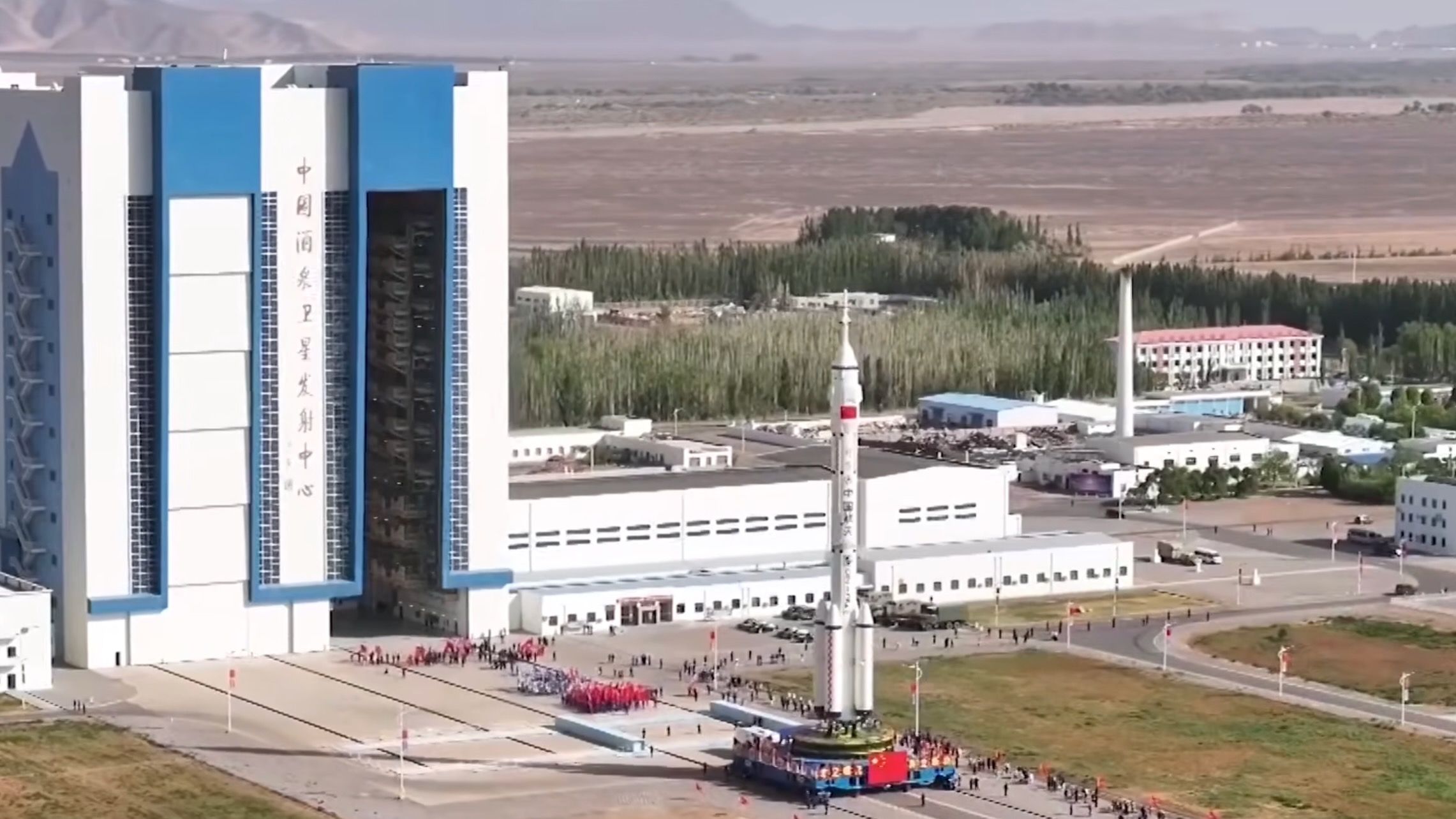
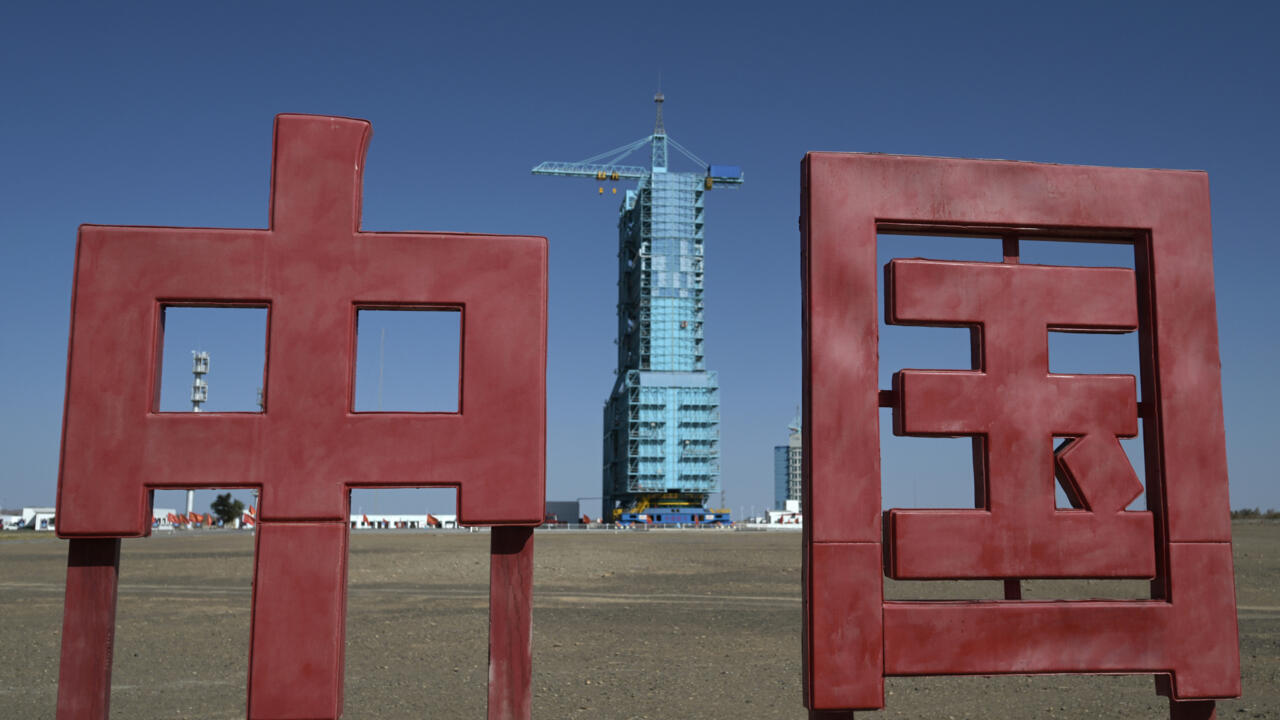
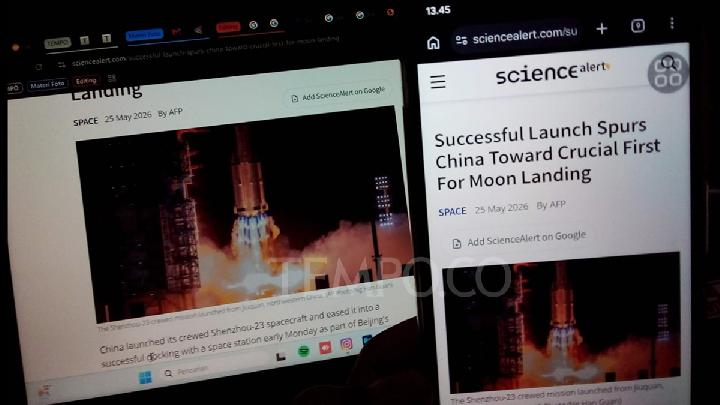
TEMPO.CO, Jakarta – China’s Shenzhou-23 mission was launched on May 24, 2026, from the Jiuquan Satellite Launch Center. The rocket carried three astronauts to the Tiangong space station, marking another step in the country’s human spaceflight program.The China Manned Space Agency (CMSA) said the launch was successful and that the crew was in stable condition after reaching orbit.“The astronauts are in good condition, and the launch has been a complete success,” the agency said in a statement on its social media account, as quoted by ScienceAlert on Monday, May 25, 2026.The mission includes Hong Kong astronaut Li Jiaying, 43, a former police officer who is making his first trip to space. He is joined by space engineer Zhu Yangzhu, 39, and former air force pilot Zhang Zhiyuan, also 39, both of whom are also on their first spaceflight.CMSA said the mission is part of China’s broader long-term space ambitions, including preparations for future exploration missions to the Moon and Mars. The astronauts are expected to remain in orbit for an extended period as part of ongoing experiments and training for deep-space missions.The mission has also drawn attention from space researchers over the physical and psychological demands of long-duration spaceflight. Richard de Grijs, an astrophysicist at Macquarie University in Australia, said astronauts may face risks including bone density loss, muscle atrophy, radiation exposure, and psychological strain.He also stressed the importance of reliable life-support systems, including air and water recycling technologies, to reduce long-term health risks during extended missions.While the Shenzhou-23 mission is still considered experimental, China has signaled plans to continue expanding its crewed space program, including a target of landing astronauts on the Moon by 2030.Read: Meteor Explodes Over United States, Triggering Sonic Boom