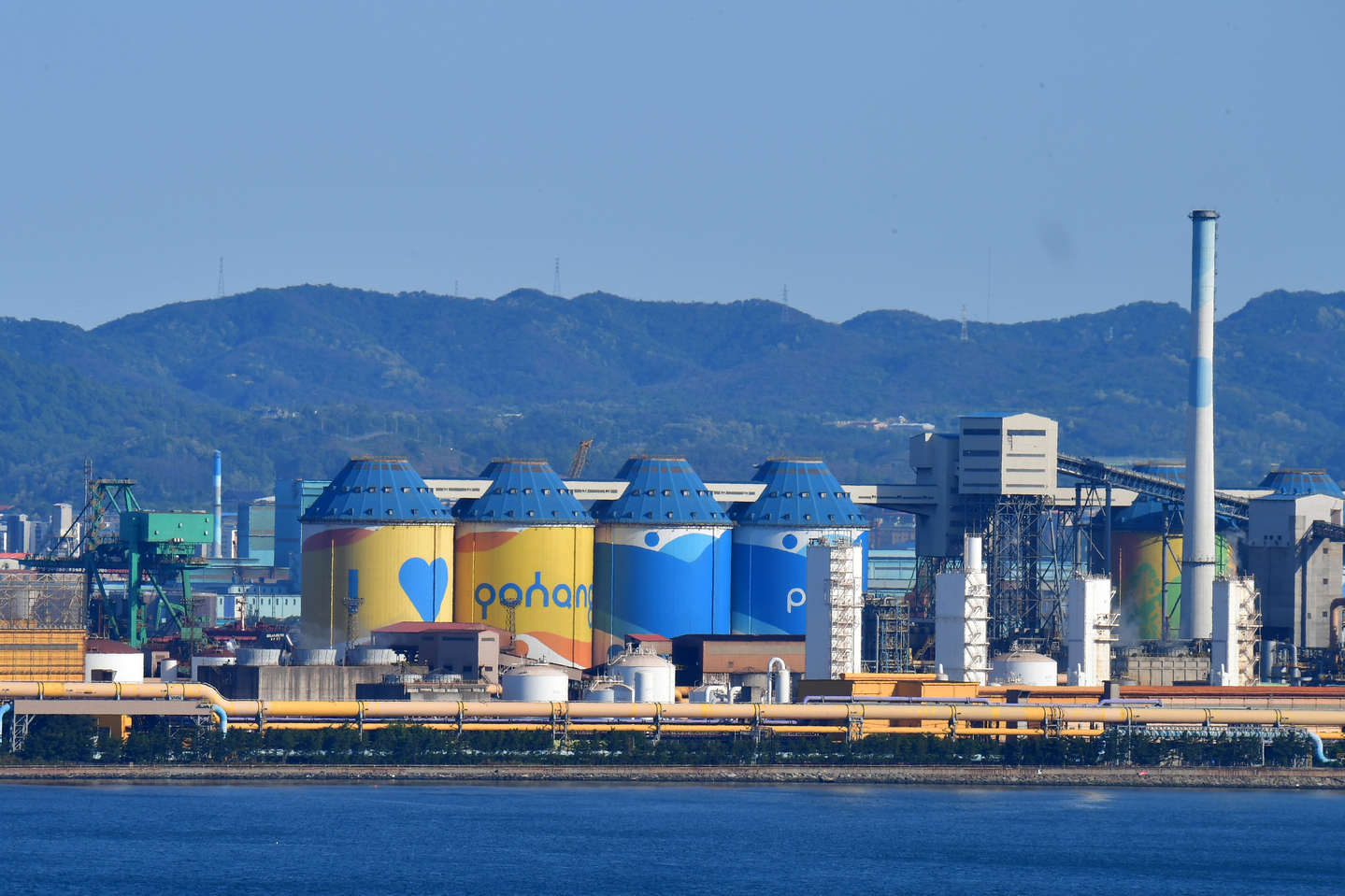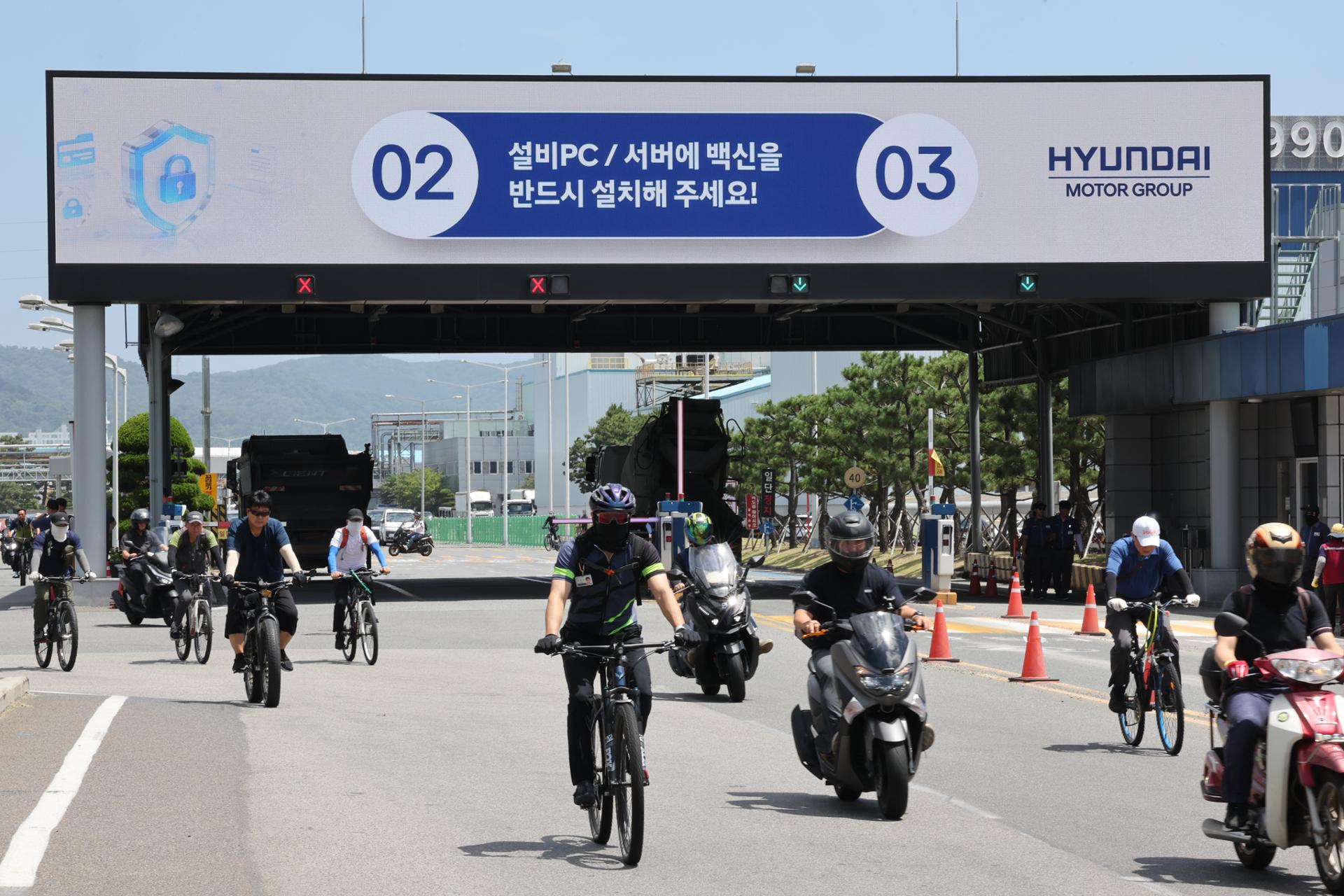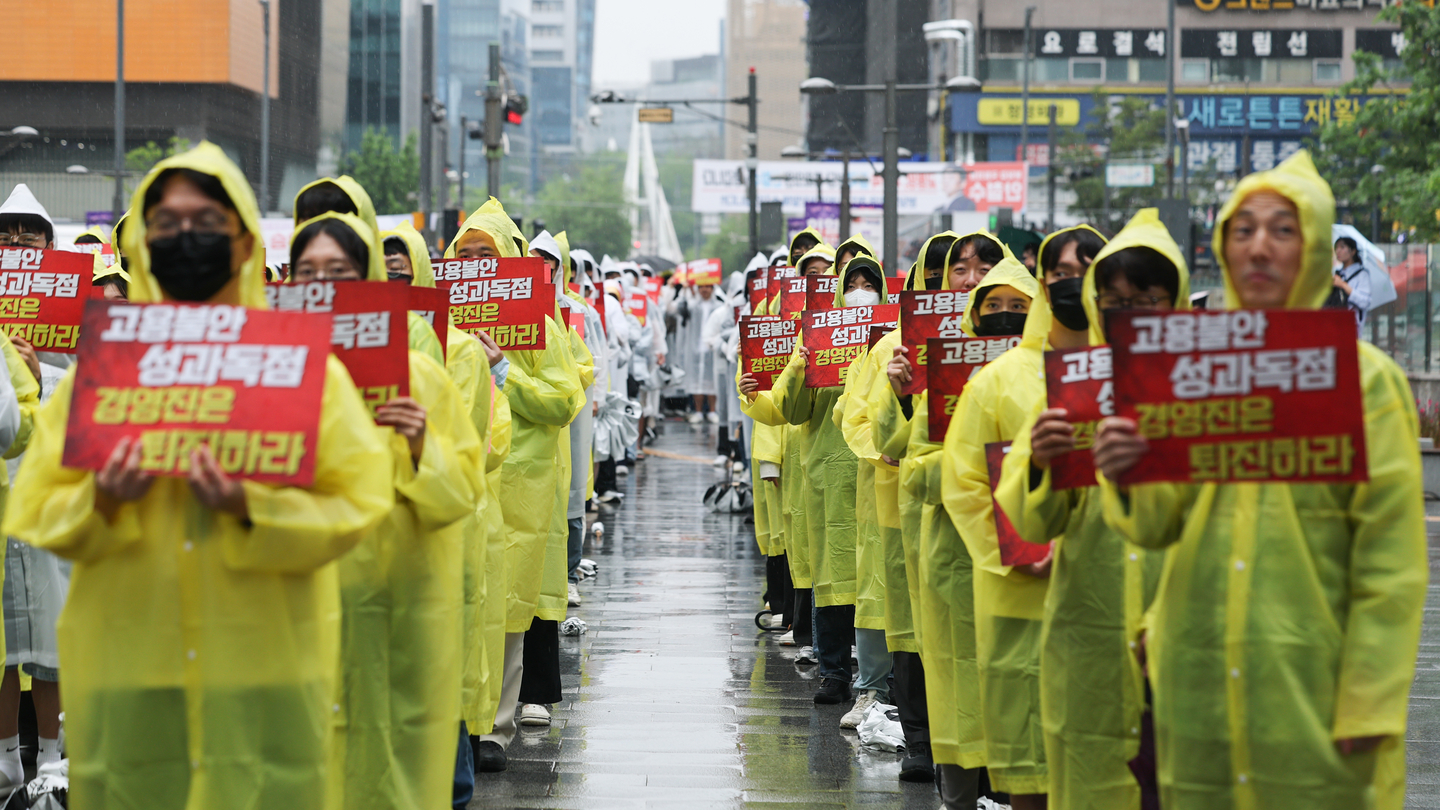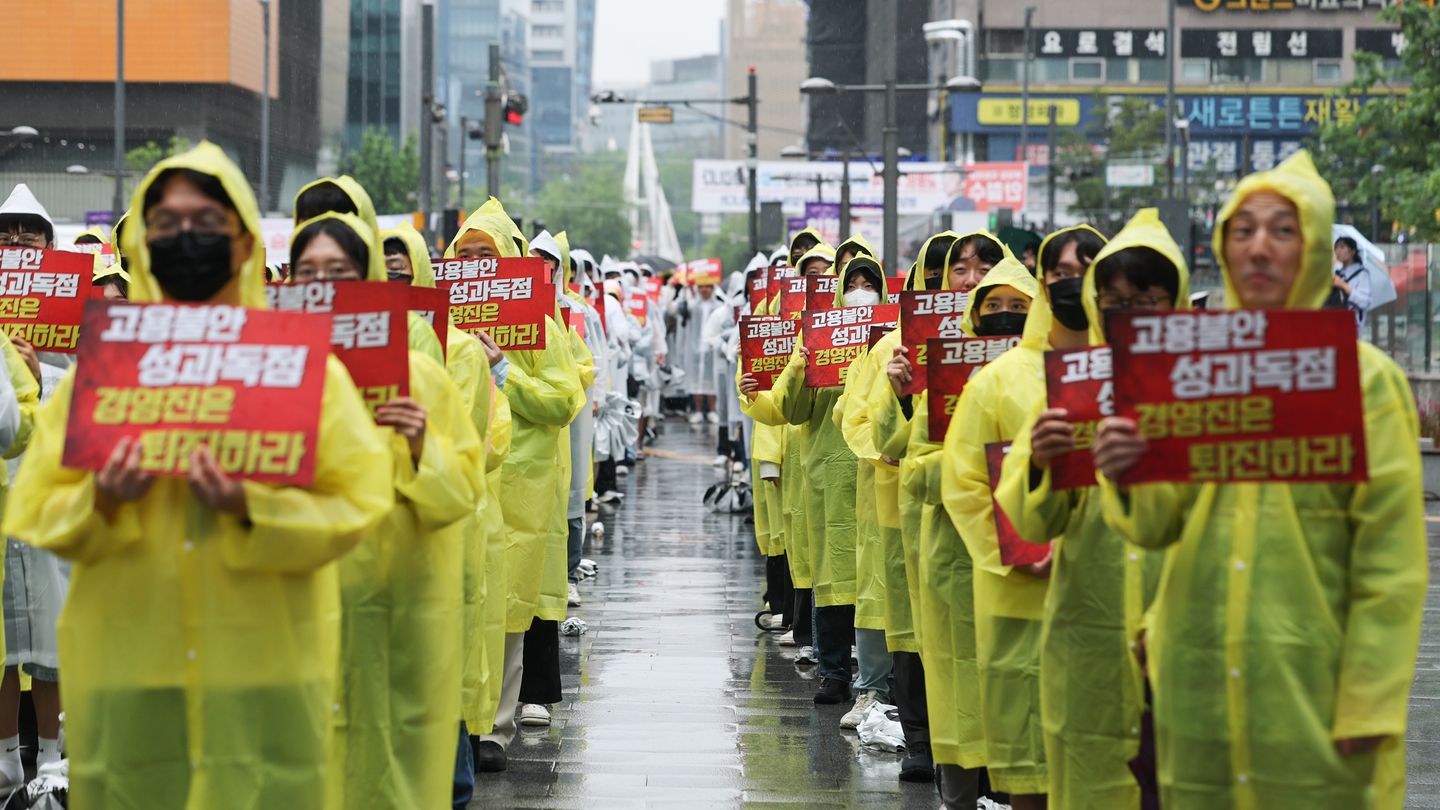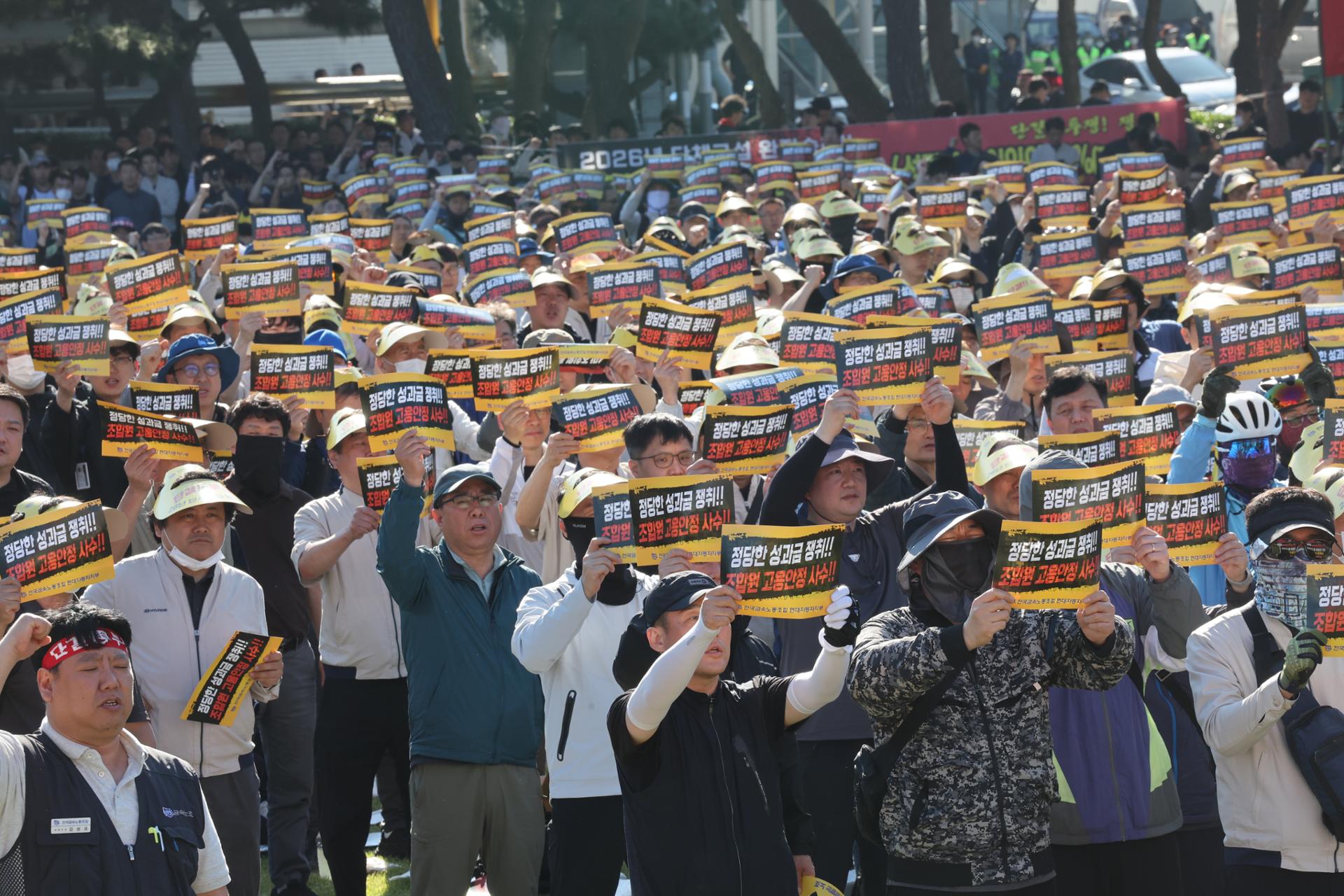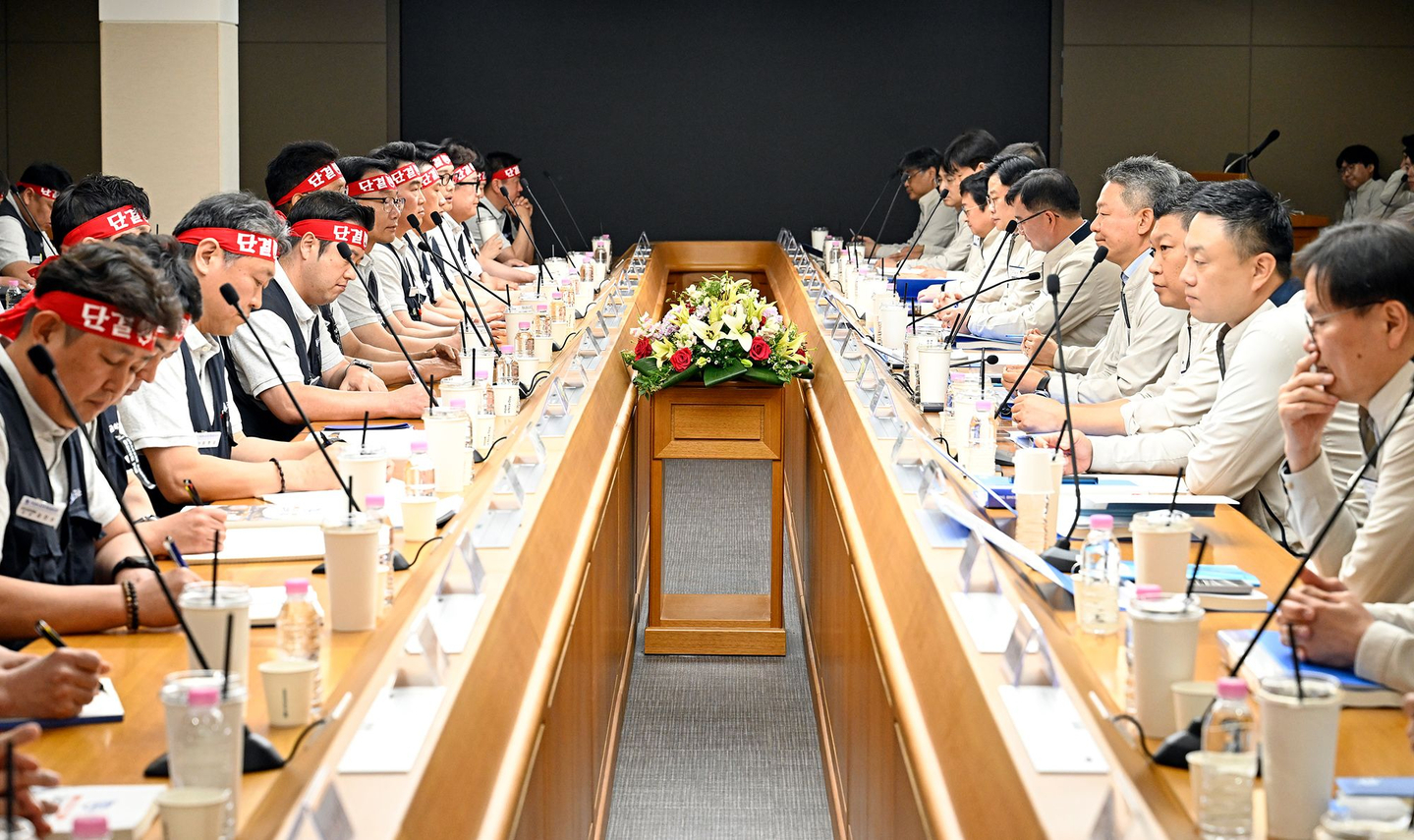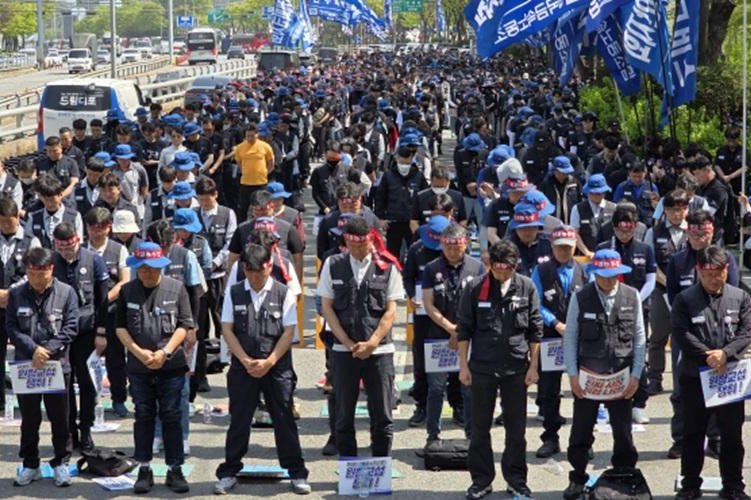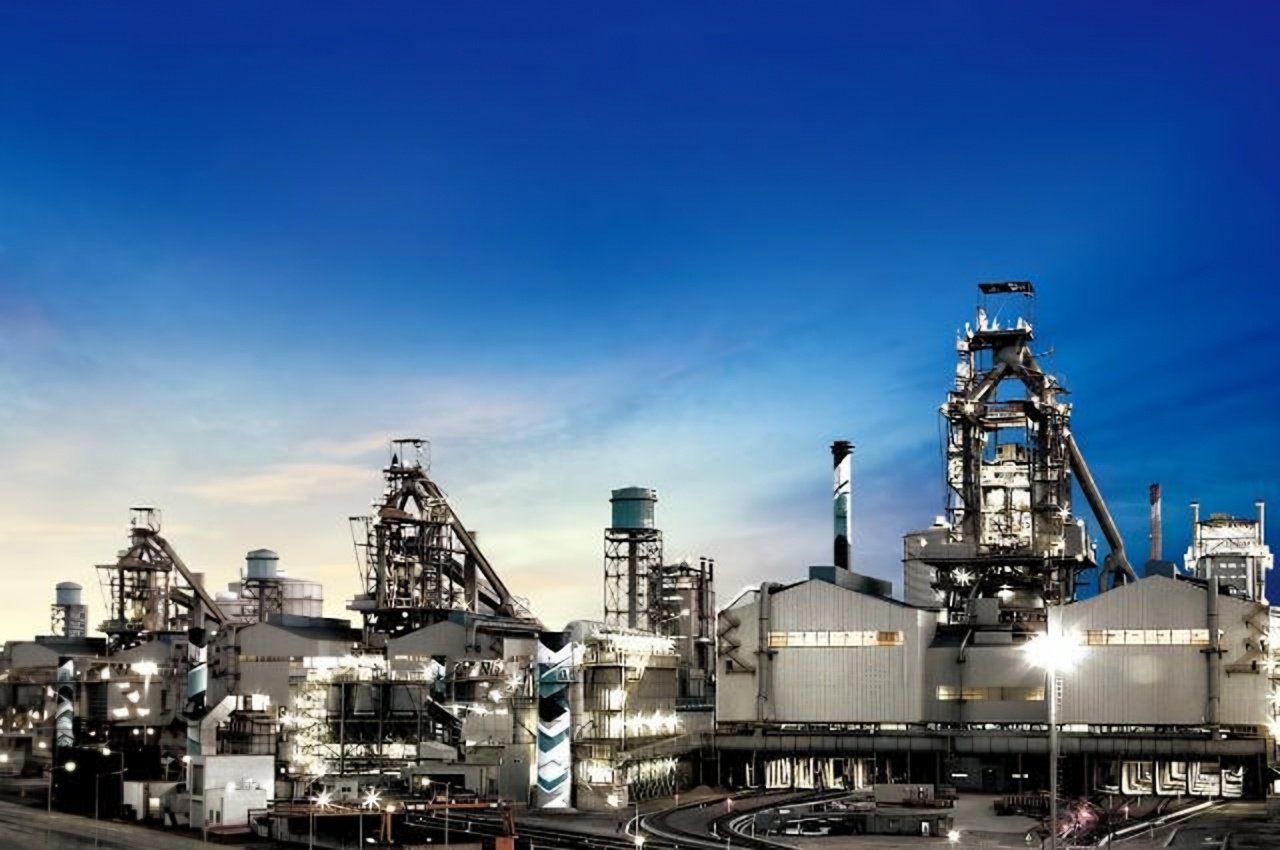
Hyundai Steel's Dangjin integrated steelworks in South Chungcheong Province / Courtesy of Hyundai Steel Steelmakers POSCO and Hyundai Steel are heading into annual wage talks amid escalating tensions with their respective labor unions. Workers' growing demands for bonus payouts and subcontractor employment are placing an additional burden on the companies already grappling with weak steel demand and growing global competition.At Hyundai Steel, its labor union is demanding a 150 percent increase in performance-based bonuses compared to last year as part of this year’s wage talks.The union said the request reflects rising productivity despite a shrinking workforce. “Despite workforce reductions and no additional hiring, blast furnace output has continued to increase, improving quality and achieving target production levels,” the union said.It argued that while the number of technical staff members across the company declined by 398 between 2021 and 2025, overall blast furnace production increased by 497 tons over the same period, resulting in higher output per worker.The union cited the company’s improved operating profit last year for its demand. Hyundai Steel reported a revenue of 22.73 trillion won ($15.04 billion) last year, down 2.1 percent from a year earlier, while operating profit rose 37.4 percent year-over-year to 219.2 billion won.The union is also pushing for a base salary increase of 149,600 won, along with broader protections tied to the adoption of artificial intelligence and higher job-grade allowances.Negotiations are currently underway. Management and union first held a meeting on May 8 and completed four rounds of talks on May 27. The next talk is scheduled for Tuesday.Members of the Korean Metal Workers' Union chant in front of the Supreme Court, urging POSCO to ensure equal treatment of subcontracted workers at its steelmaking plants, in Seoul, April 16. Yonhap POSCO is facing a more complex labor challenge. Its union has requested a 7.1 percent base salary increase with formal negotiations expected to begin this month, while locking horns with management over the company’s plan to directly hire around 7,000 subcontracted workers at its steelworks in Pohang, North Gyeongsang Province, and Gwangyang, South Jeolla Province.The union has opposed the move and filed for mediation with the National Labor Relations Commission (NLRC). Although it failed to secure the legal right to strike, the union has said the hiring issue will remain part of negotiations, launching a response committee late last month.The recently revised Trade Union Act, the so-called “yellow envelope law,” is adding another layer of complexity. It widens parent companies’ employer liability for subcontracted workers, prompting increased demands for direct bargaining rights.In April, the NLRC ruled that Hyundai Steel’s subcontractor unions should be allowed to bargain separately, effectively opening the door for direct negotiations with the parent company. Hyundai Steel has appealed the decision.POSCO is also pursuing a review process after receiving a comparable ruling from a regional labor authority.The labor disputes come at a difficult time for the steel sector, marked by weak demand, oversupply from China and mounting decarbonization pressures.In the first quarter, POSCO Holdings reported a 24.3 percent increase in operating profit, but earnings from its core steel business declined 23.8 percent year-over-year. Hyundai Steel returned to profit on a consolidated basis but remained in the red on a standalone basis.
Steelmakers face escalating labor tensions over bonuses, hiring demands - The Korea Times
Steelmakers POSCO and Hyundai Steel are heading into annual wage talks amid escalating tensions with their respective labor unions. Workers' growin...
531 words~2 min read