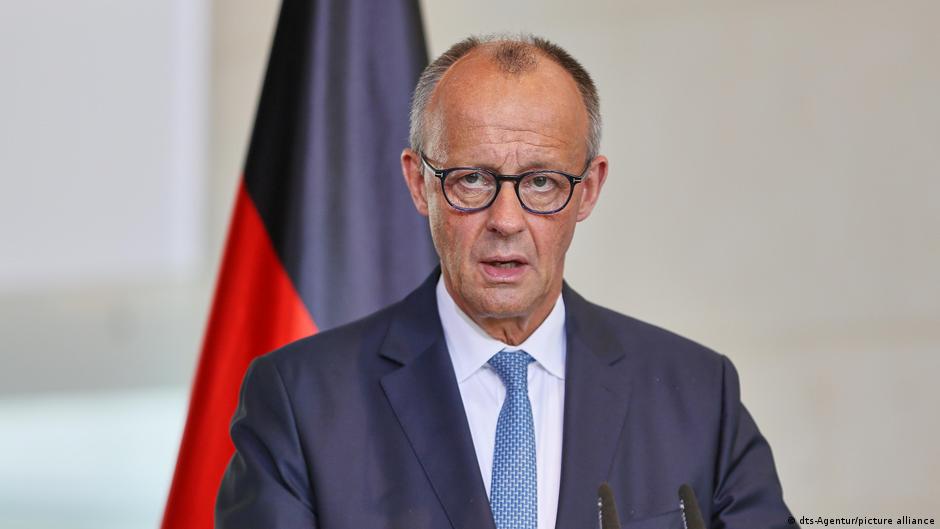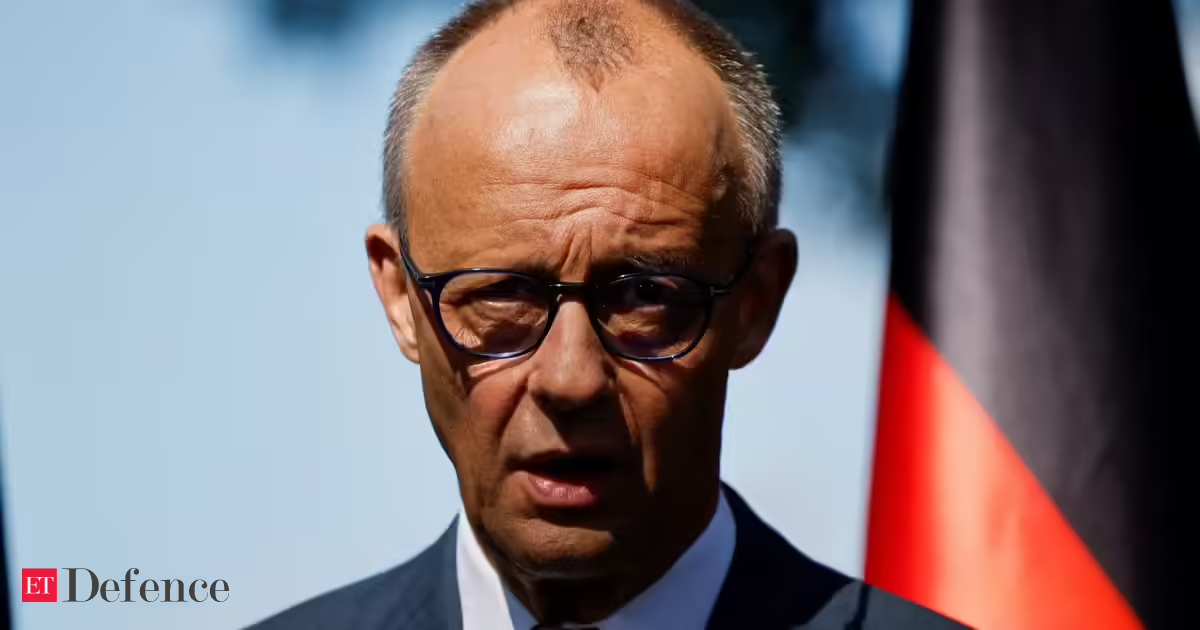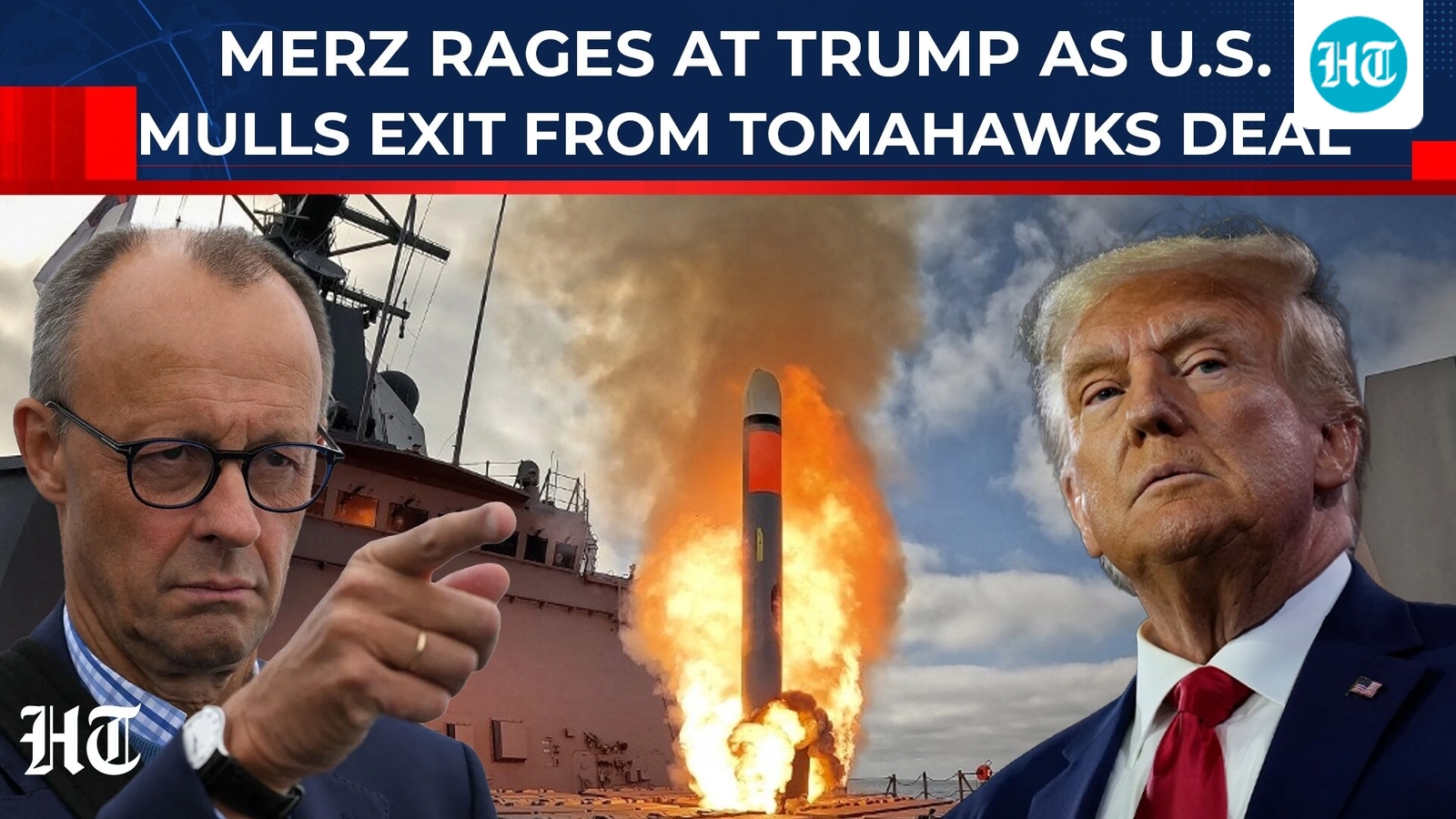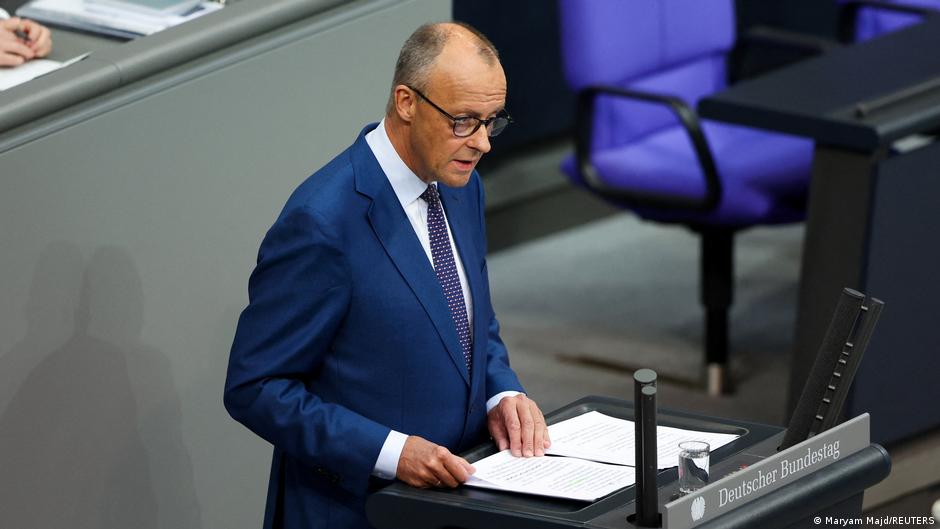
German Chancellor Friedrich Merz has adopted a cautious approach when dealing with U.S. President Donald Trump, but one day last month, Merz couldn’t hold back. At an event in his home region of the Sauerland, Merz went off script, appearing to criticize the United States over its failure in the Iran war (leaving unstated that he has effectively facilitated U.S. operations via the Ramstein Air Base in Germany). Trump retaliated by ordering the withdrawal of 5,000 troops from the more than 35,000 based in Germany and canceling a planned deployment of long-range missiles that Germany desperately needs to deter Russia.
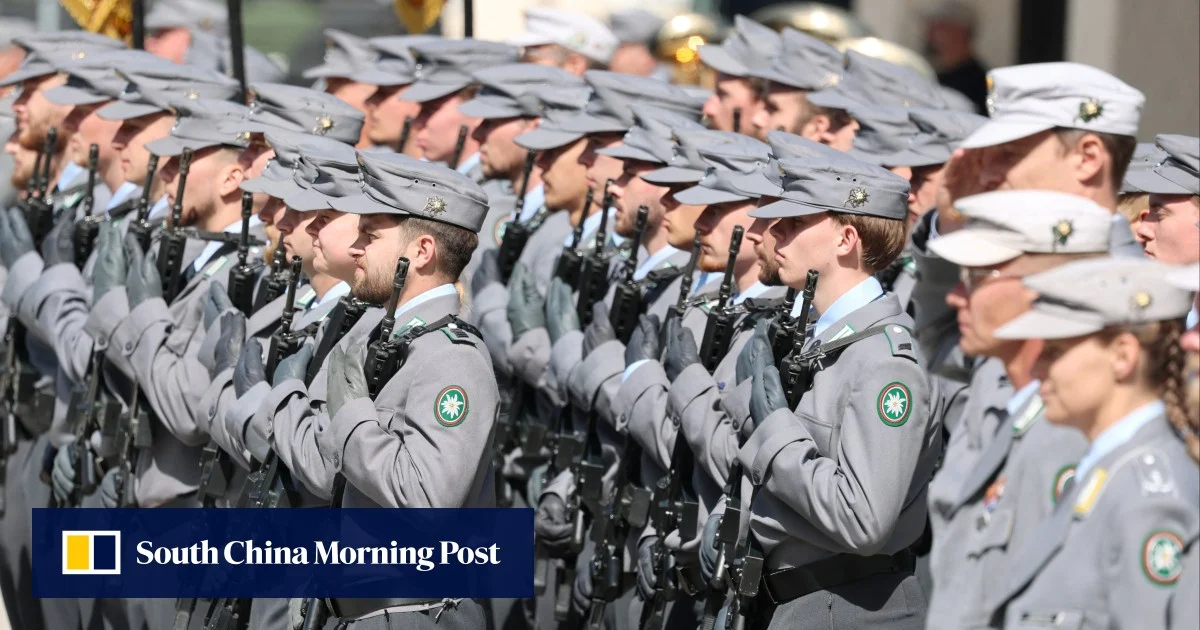
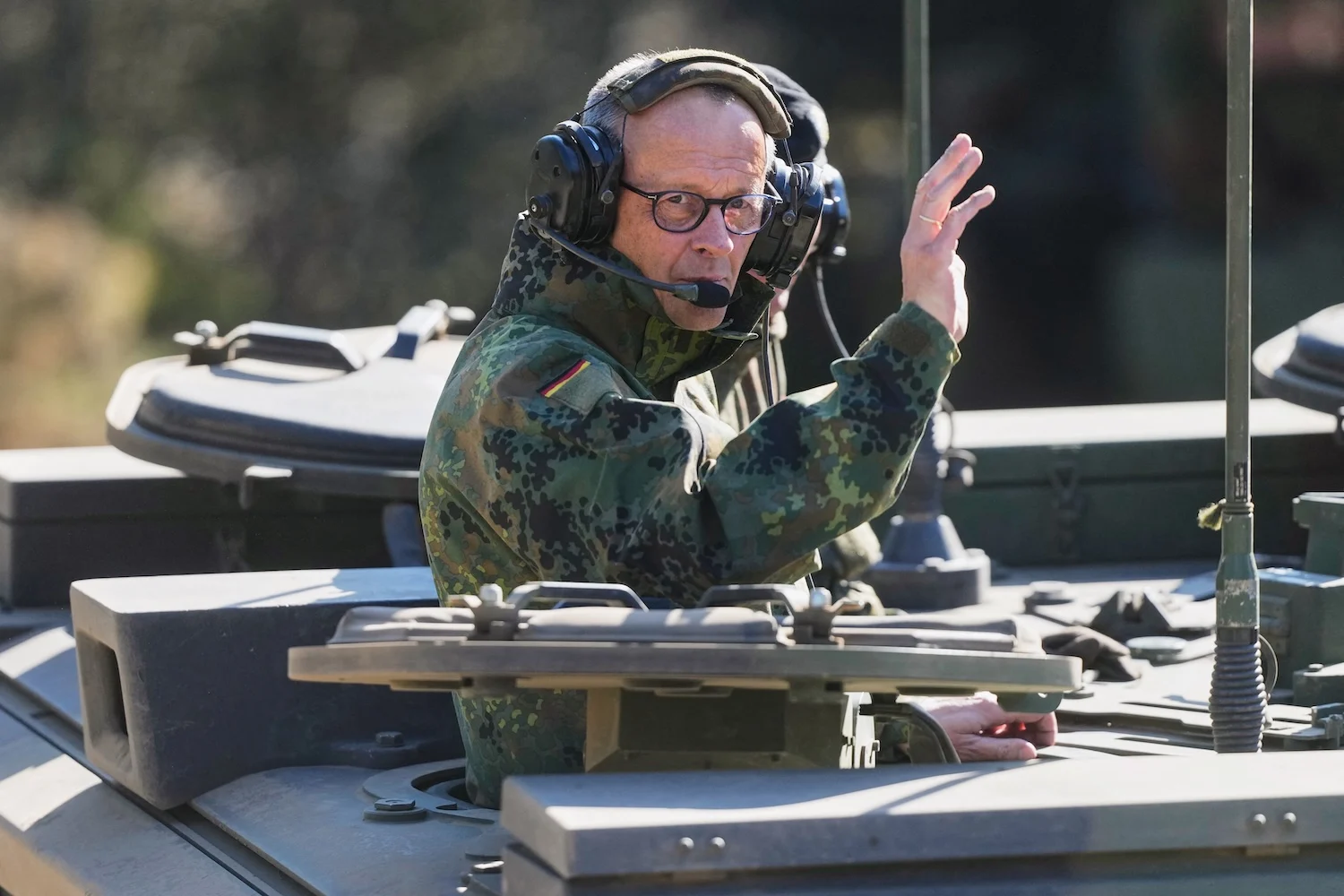
While Merz’s provocation may have been unnecessary, the underlying problem between the United States and Europe is still Trump’s desire to pivot militarily away from Europe—and Merz is undeniably part of the solution. He has taken on the onerous task of rearming Germany with a commitment to spend hundreds of billions of euros to build what will become the strongest conventional European army, despite opposition from war-weary Germans and broader European suspicions against the biggest economy also turning into a military superpower. Germany has also vowed to meet new NATO defense targets ahead of schedule, years before the United Kingdom and France.