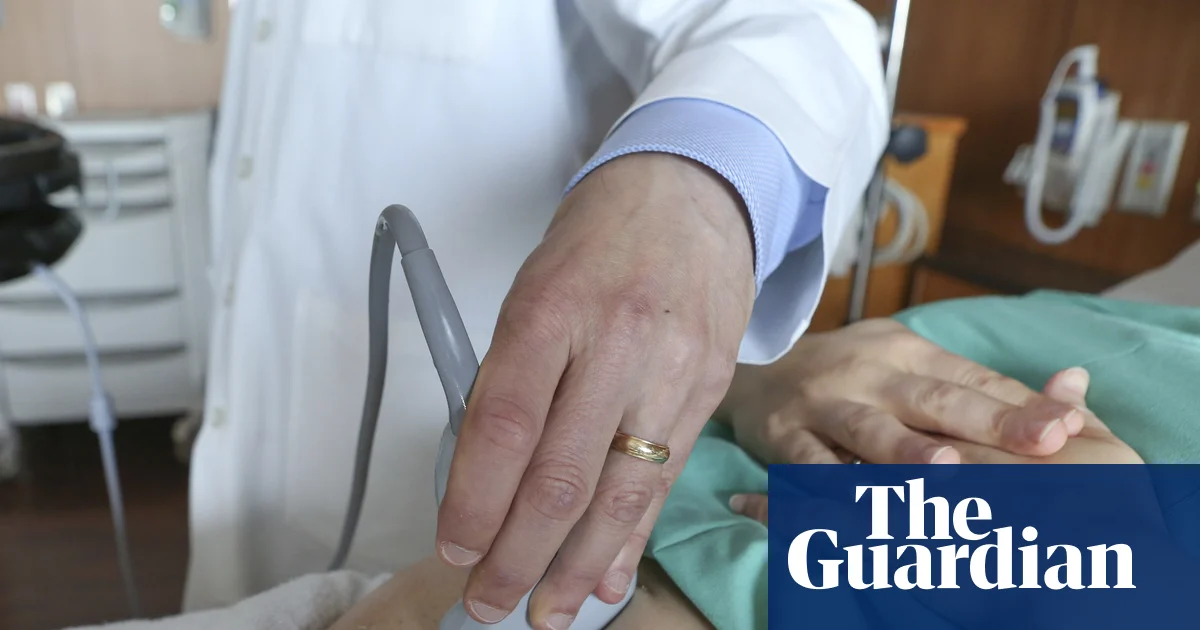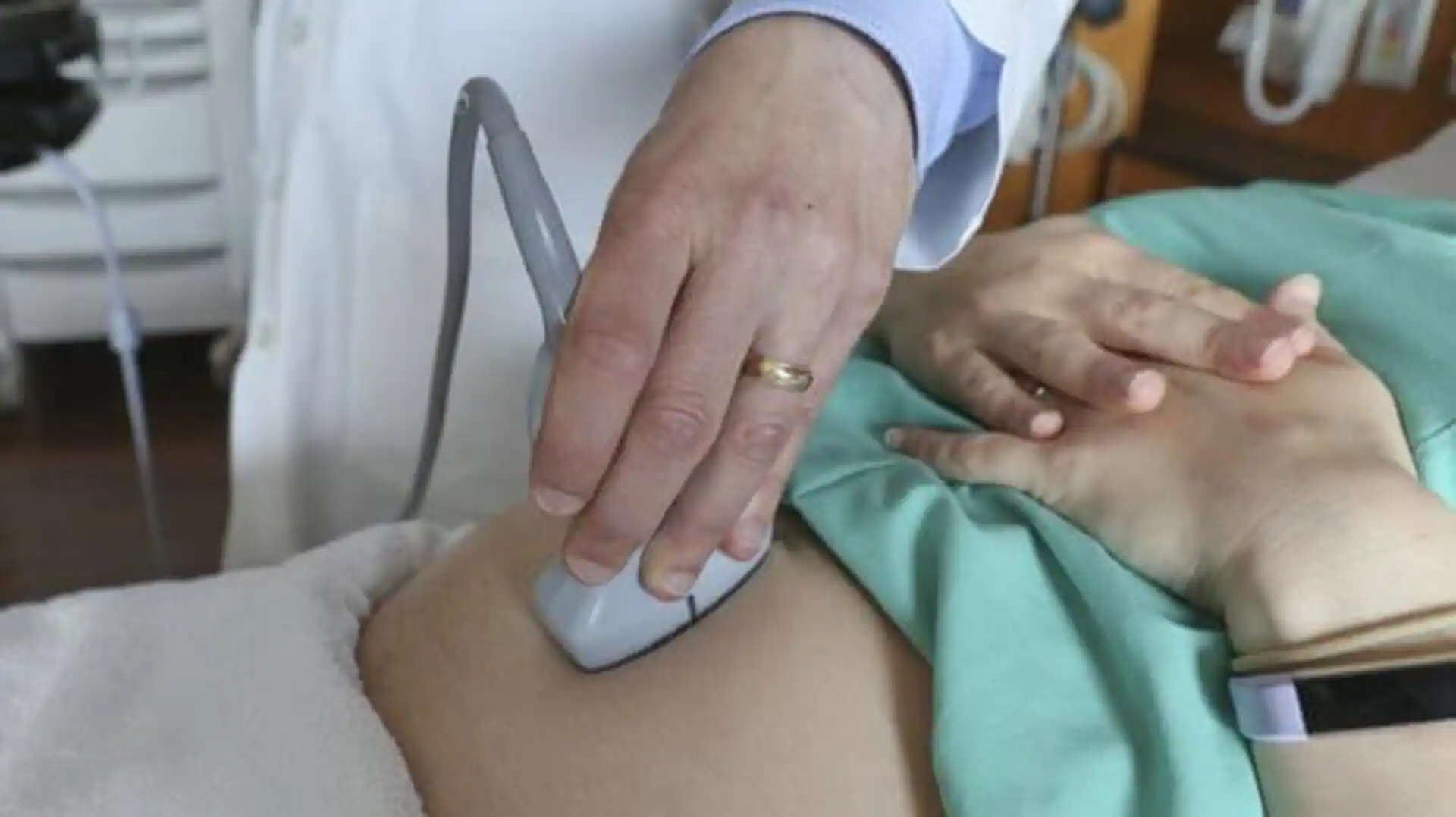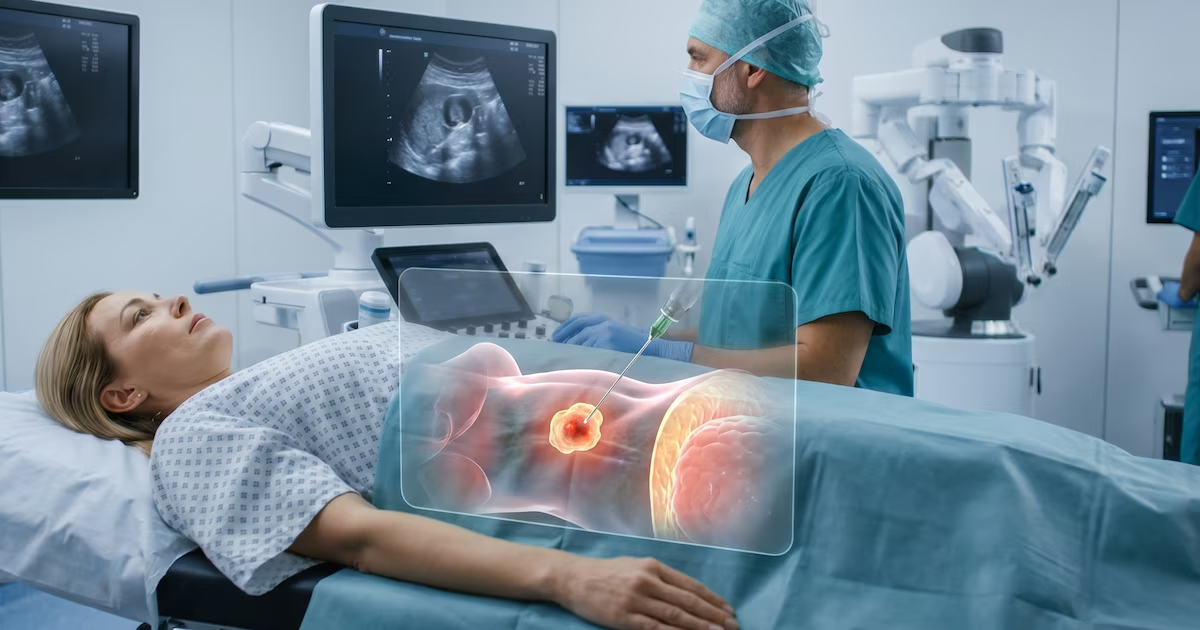
Liquid biopsy is a minimally invasive blood or bodily fluid test that analyses cancer-related genetic material such as circulating tumor DNA (ctDNA) or whole circulating tumor cells (CTCs)shed by tumors into the bloodstream | Image used for representational purpose only
| Photo Credit: Getty Images
The placenta, often called the most significant organ during pregnancy, has long been difficult to study in real time. Historically, most studies of the placenta relied on indirect snapshots, such as maternal blood pressure readings and ultrasound images. However, these methods often detected problems only after complications had already begun.Liquid biopsy technology is enabling clinicians to obtain molecular information that provides real-time indications of the overall health of a pregnancy in ways that were previously impossible. The shift from static imaging to dynamic molecular monitoring is fundamentally redefining how healthcare providers protect the health of pregnant women and unborn children.Essentially, a liquid biopsy performed during pregnancy analyses both cell-free DNA (cfDNA) and cell-free RNA (cfRNA). These molecules which naturally enter the maternal bloodstream as placental cells are shed.Beyond genetic testingFor years, most Non-Invasive Prenatal Tests (NIPTs) focused solely on identifying chromosomal abnormalities in the foetus, such as Down syndrome. Today, advanced sequencing technologies enable these fragments to be analysed to assess ‘placental fitness.’ Healthcare providers are no longer assessing only the genetics of the foetus, but also the functional health of the placenta itself.Healthcare professionals now have access to highly accurate risk-stratification data for conditions such as preeclampsia and preterm birth by measuring specific placental biomarkers weeks or even months before symptoms appear. Preeclampsia, a leading cause of maternal mortality, affects approximately 5–8% of pregnancies and often stems from poor placentation during the first trimester.Earlier risk detectionMeasuring biomarkers such as Placental Growth Factor (PlGF) through a simple blood test allows for significantly greater diagnostic accuracy. The integration of these markers into routine clinical practice could substantially reduce the number of emergency deliveries.In addition, machine learning is increasingly being used to analyse RNA patterns in maternal serum to determine how quickly placentas are maturing. This may help researchers better understand the causes of spontaneous preterm birth. Identifying placental maturation rates could serve as an early indicator of preterm birth risk.This approach enables more personalised evaluations of pregnancy duration. If data indicate a high likelihood of preterm birth, interventions such as hormonal therapy or other supportive treatments can begin early, moving away from the historical “wait-and-see” approach that has long characterised obstetric care.Precision medicine benefitsBeyond improving pregnancy outcomes, liquid biopsy testing may also help identify previously undiagnosed medical conditions in pregnant women before delivery. Because these tests sequence circulating DNA in the blood, they can occasionally detect early-stage maternal malignancies or other underlying conditions that may worsen during pregnancy.Simultaneously monitoring both mother and baby, is a hallmark of the emerging era of precision medicine. As the cost of whole-genome sequencing continues to decline towards the $200 range, these insights are becoming increasingly accessible, making placental analysis an important component of modern prenatal care rather than a luxury.Future pregnancy careUltimately, the goal of this technology is to transform fear into knowledge by using the placenta as a central indicator of pregnancy health. Liquid biopsy enables continuous and evolving insights into the uterine environment throughout pregnancy.Expecting parents are strongly encouraged to consult their healthcare provider early in the first trimester. The future of pregnancy care should focus not only on detecting complications, but also on preventing them and giving every pregnancy the best possible start, through a single drop of blood.(Dr. Sushma Tomar is consultant, obstetrics & gynaecology, Fortis Hospital, Kalyan, Mumbai. sushmatomar59@yahoo.com) Published - June 01, 2026 01:11 pm IST