An autonomous agent kicks off a three-leg trade. Leg one: it pays BTC and receives ETH. Leg two: it routes that ETH to a second counterparty for USDC. Leg three: that USDC settles to a vendor for a compute reservation. Legs one and two clear. Then the third counterparty goes quiet.
The agent is now holding USDC it never wanted, at a price that has already moved against it, with no way to reverse the first two legs. It did not lose the trade. It lost control of its own inventory.
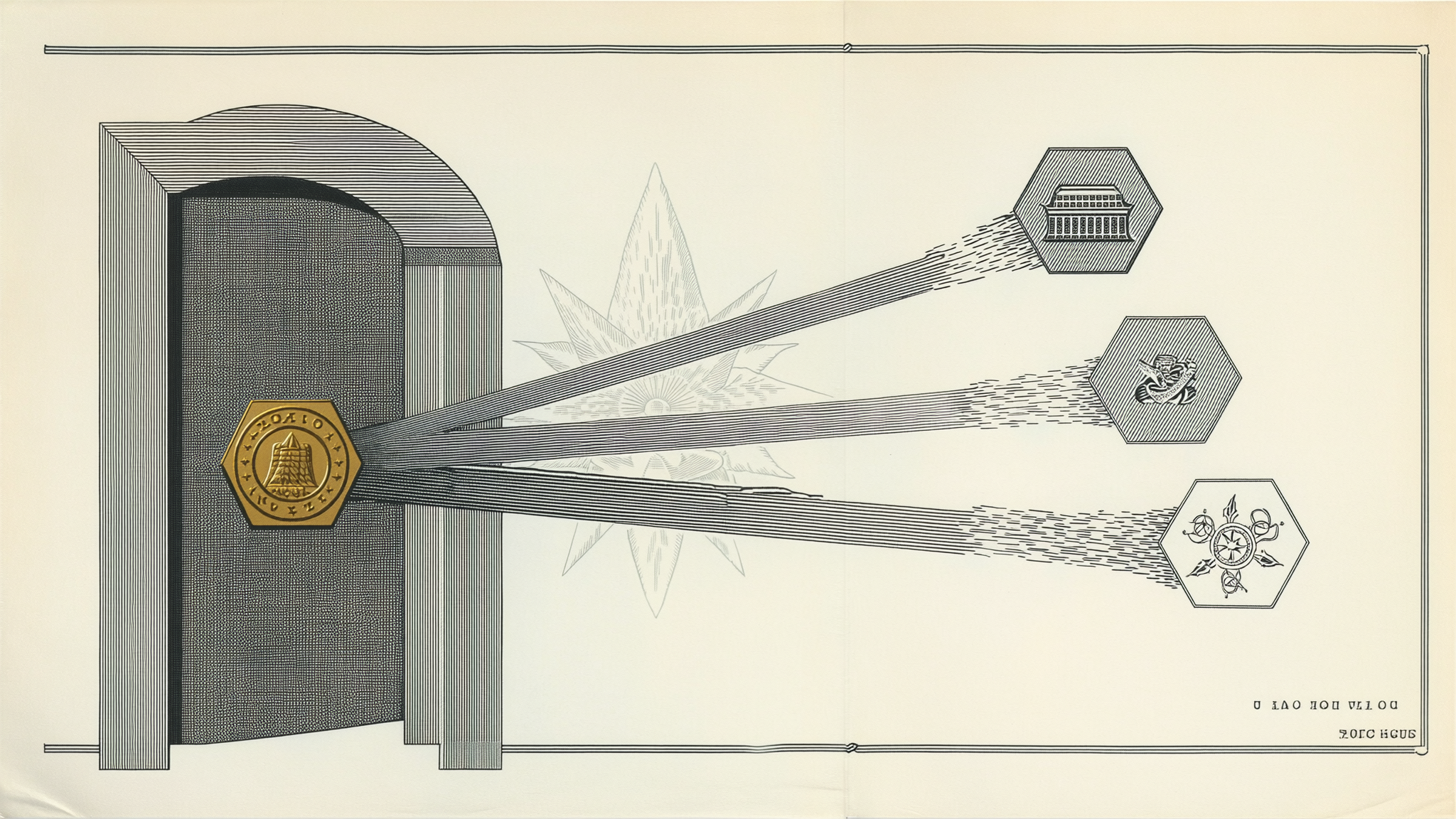
This is the failure mode that single-leg atomic swaps do not address, and it is the one autonomous agents hit constantly, because an agent's "trade" is rarely one hop. It is a path. This post is about making the whole path atomic: either every leg settles, or every leg unwinds, with no intermediate state where anyone is left holding the wrong asset.
Settle-then-hope is the default, and it is the problem
Walk through how a multi-hop trade executes today without atomicity. You settle leg one. Then you attempt leg two. Then you attempt leg three. Each "attempt" is a fresh negotiation with fresh risk. Call it settle-then-hope.