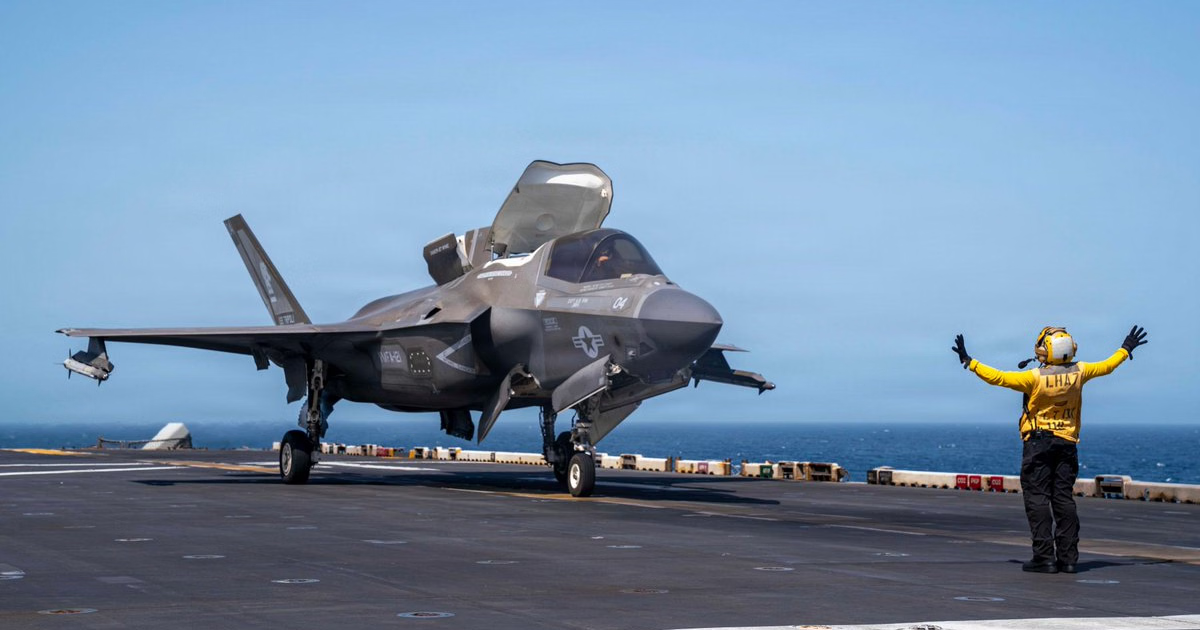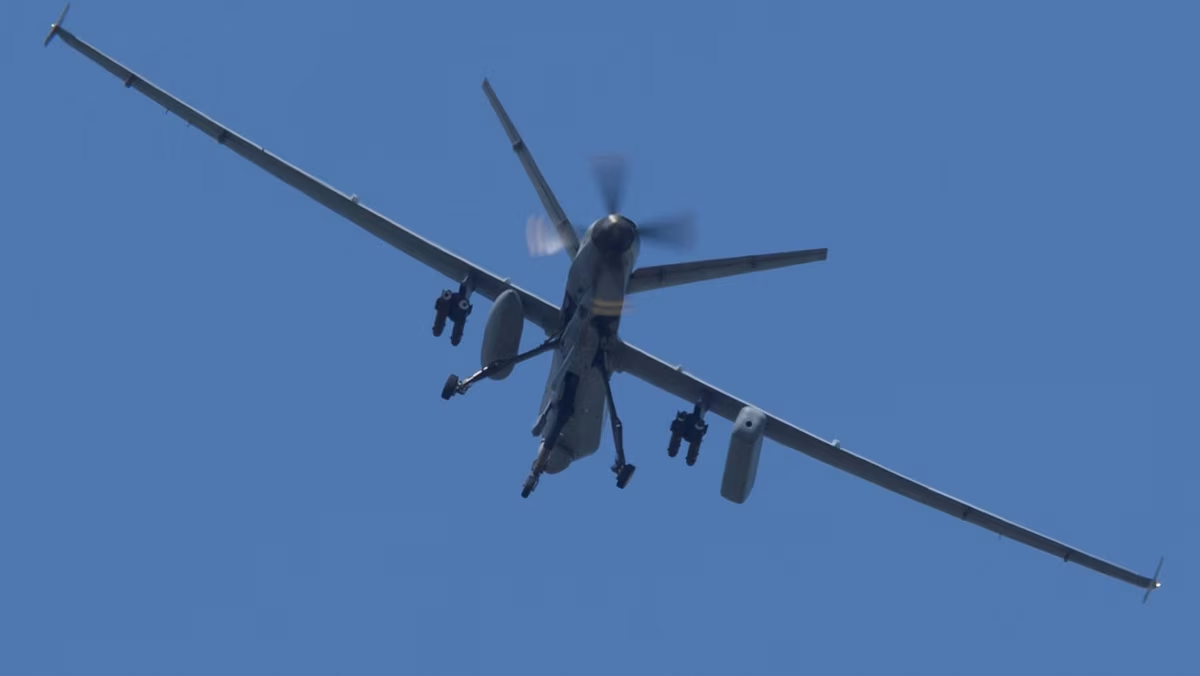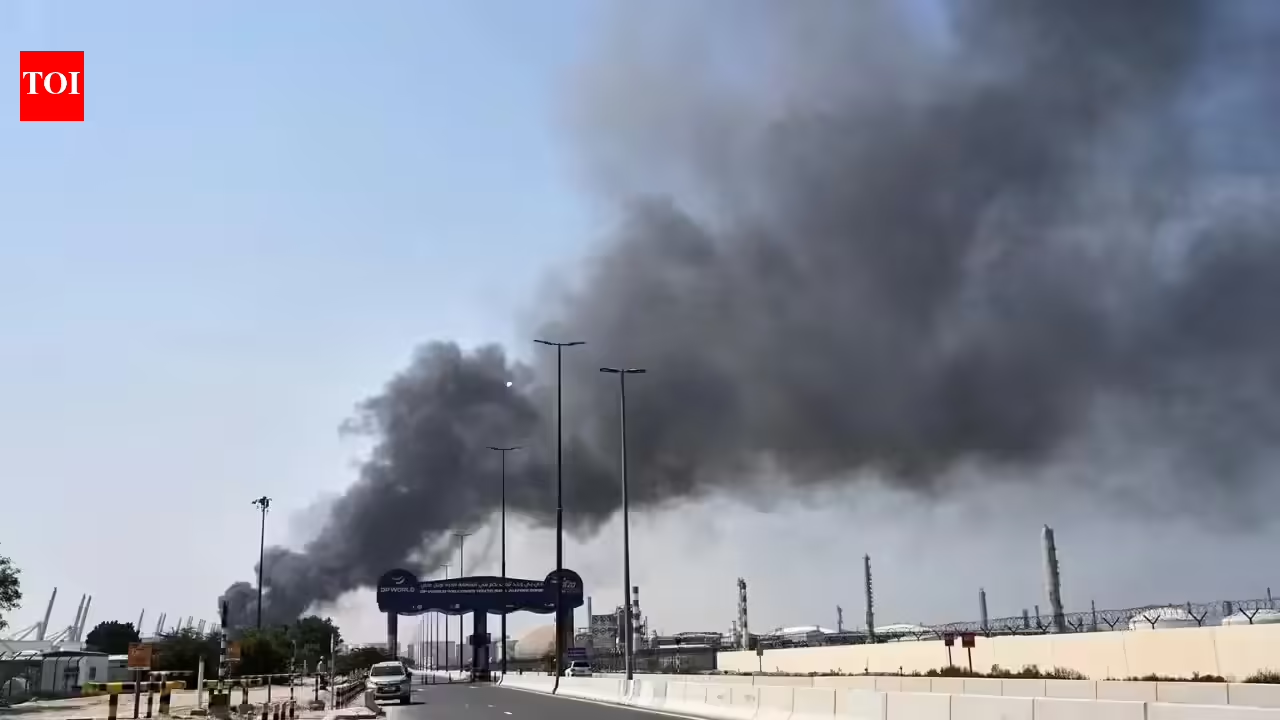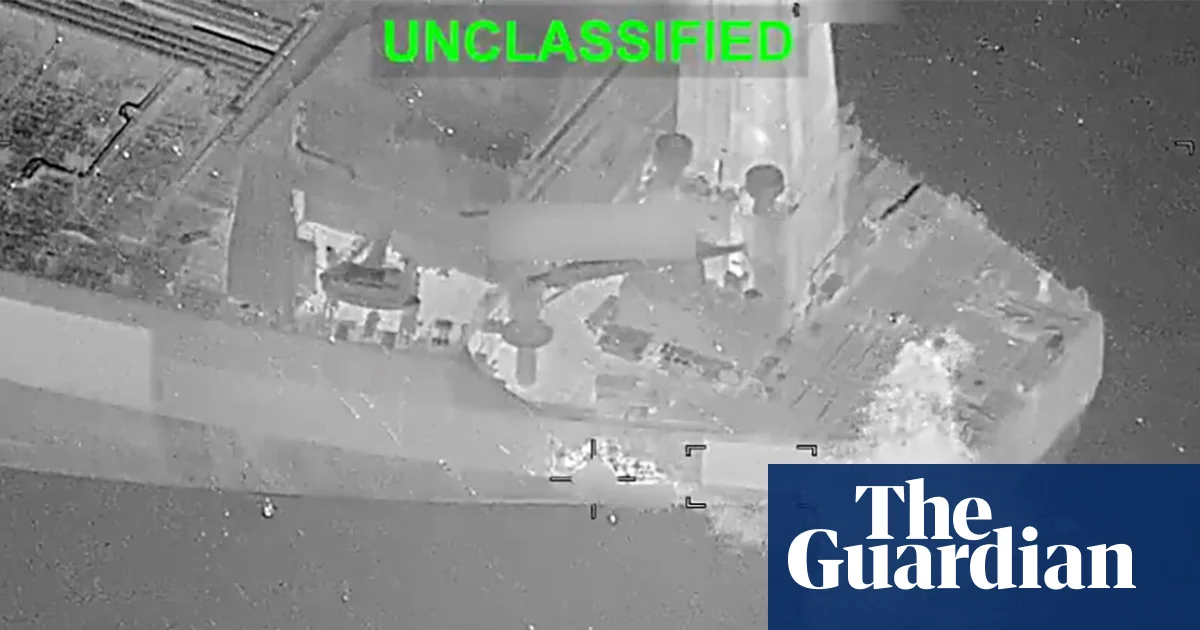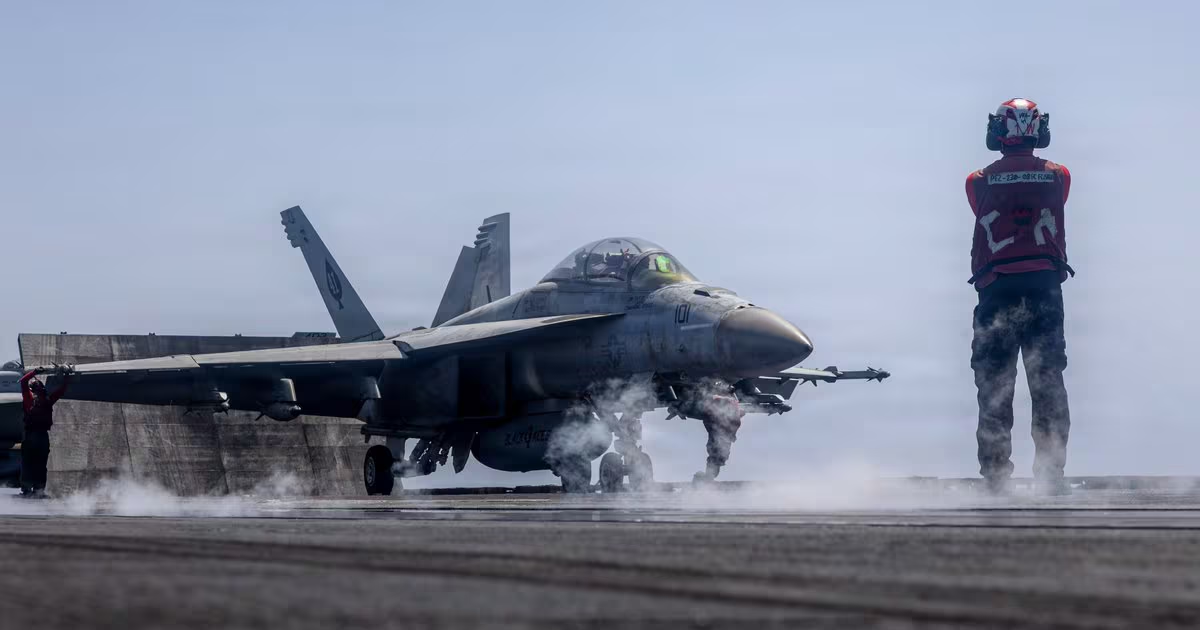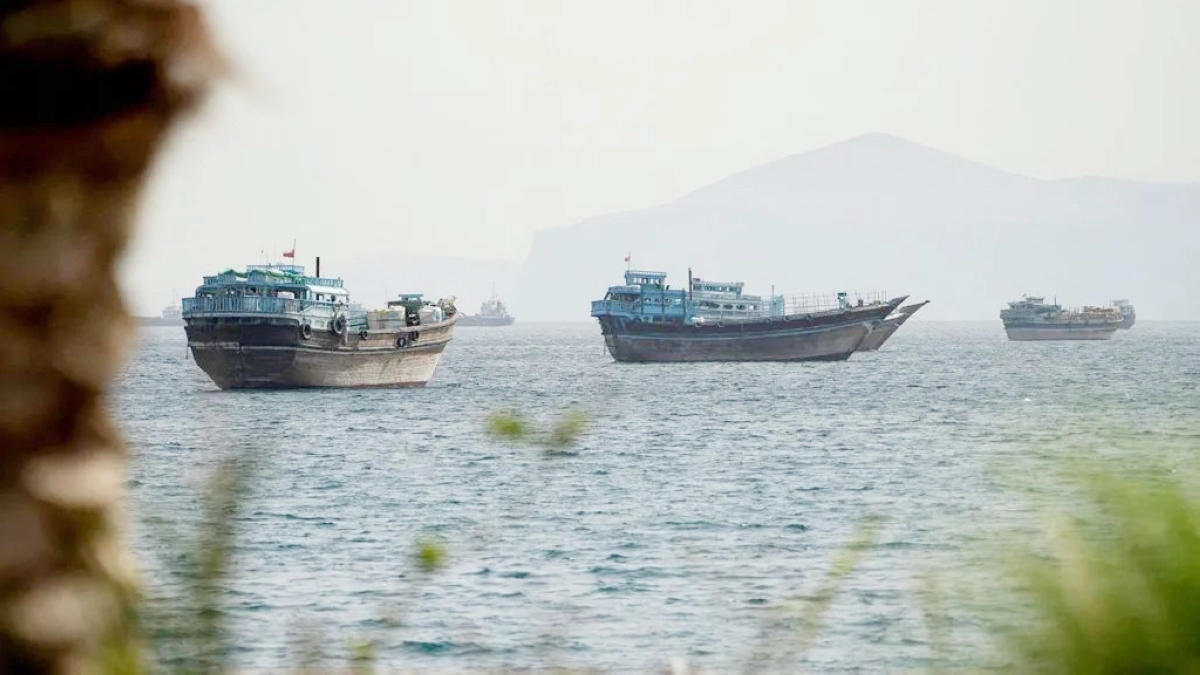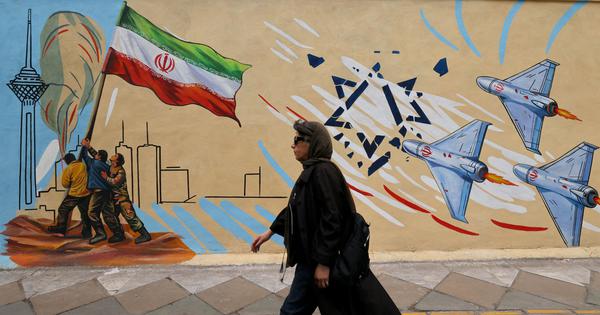
Air strikes resumed between the United States and Iran over the weekend, with both sides claiming to have targeted military assets, despite a ceasefire .The US Central Command said on Monday that it had conducted “self-defence strikes” on Iranian radar facilities and drone command-and-control sites in Goruk and on Qeshm Island in Iran on Saturday and Sunday.In a social media post, the command said the operation was launched in response to “aggressive Iranian actions”, including the downing of a US MQ-1 drone that was operating over international waters.The US military said its fighter aircraft subsequently targeted Iranian air defence systems, a ground control station and two one-way attack drones that it assessed as threats to ships operating in regional waters.Separately, Iran’s Islamic Revolutionary Guard Corps said it had targeted a base used by the US military to launch strikes against Iranian territory, AFP reported. The Guards did not specify the location of the base in a statement carried by state media.Earlier, Kuwait’s military said its air defence systems had intercepted “hostile missile and drone attacks”, without identifying who launched them.The latest exchange came amid continuing diplomatic efforts to reach a broader agreement aimed at ending the conflict in West Asia.On Monday, US President Donald Trump said he had secured assurances from Iran that it would not develop nuclear weapons and indicated that discussions between the two sides were continuing.“The one guarantee that I have to have is that there will be no nuclear weapons,” Trump was quoted as saying in a Fox News interview broadcast on Saturday. “They’ve agreed to that, and it was very interesting.”He also said that “Iran really wants to make a deal” and claimed that it would be a “good one” for the US.The New York Times had reported that Trump had sent a revised peace proposal to Tehran containing tougher terms, though its details were not immediately clear.Iran’s chief negotiator, Mohammad Bagher Ghalibaf, meanwhile said that the US could not be trusted and that Tehran would not accept any agreement unless its rights were protected, AFP reported.The warThe US and Israel launched an attack on Iran on February 28, claiming that Tehran’s action posed an existential threat to Israel. Washington acts as a guarantor of Israel’s security. Iran retaliated by striking Israel and US military bases in the region, targeting major cities in Gulf countries and ships.Tehran also effectively blocked the Strait of Hormuz, the narrow waterbody connecting the Gulf to the Arabian Sea, for most international commercial vessels, triggering a global energy crisis. About 20% of global petroleum supply passes through the maritime chokepoint.The peace talks between Iran and the US held in Islamabad, Pakistan, collapsed on April 12, but the ceasefire that began on April 8 has largely held so far. On May 11, Trump told reporters that the truce was on “massive life support”.During the ceasefire, Iran has maintained controls on Gulf shipping while the US Navy has sought to blockade Iranian ports.Israel has been claiming that Iran is close to obtaining a nuclear weapon, which could alter the regional security balance. Tehran has long maintained that its nuclear programme is for civilian purposes.Written by Sara Varghese. Edited by Tanya Shrivastava.
West Asia war: US, Iran carry out fresh strikes despite ceasefire
Kuwait’s military said its air defence systems had intercepted ‘hostile missile and drone attacks’, without identifying who launched them.
529 words~2 min read