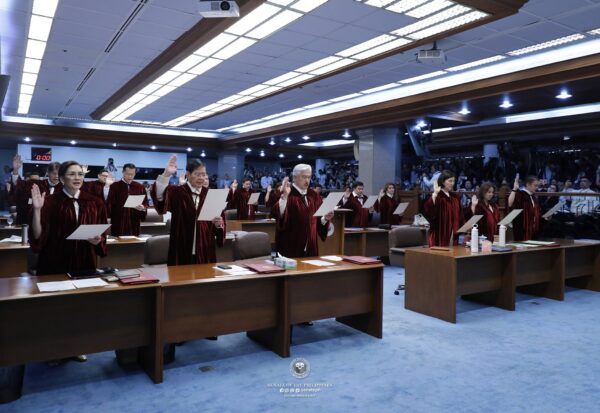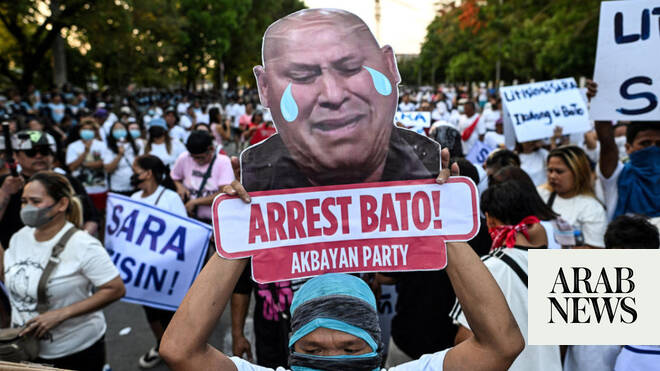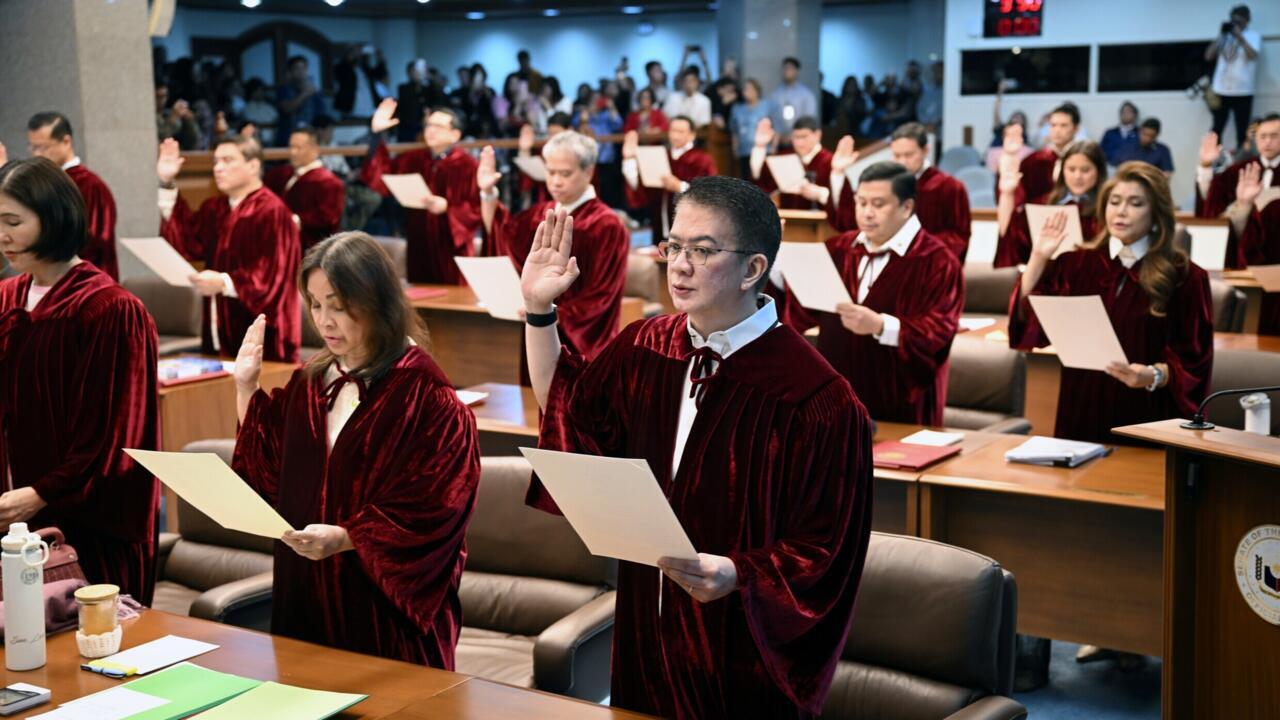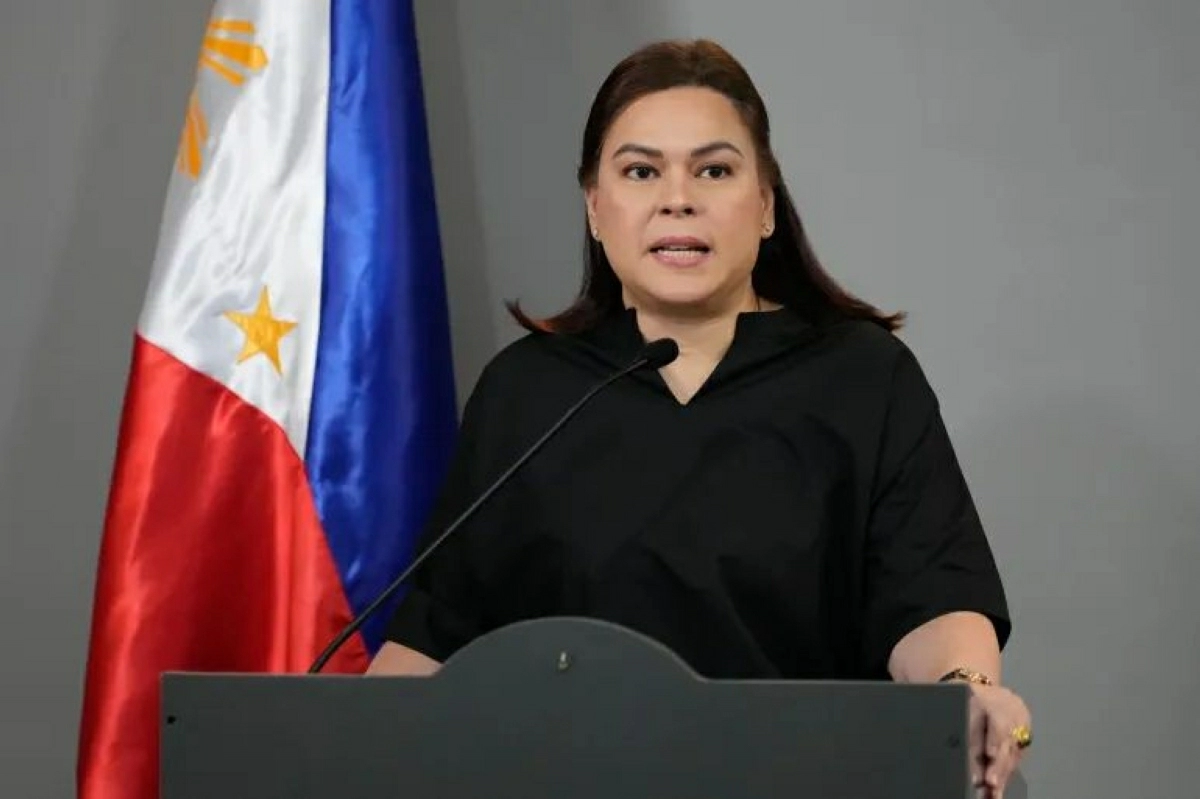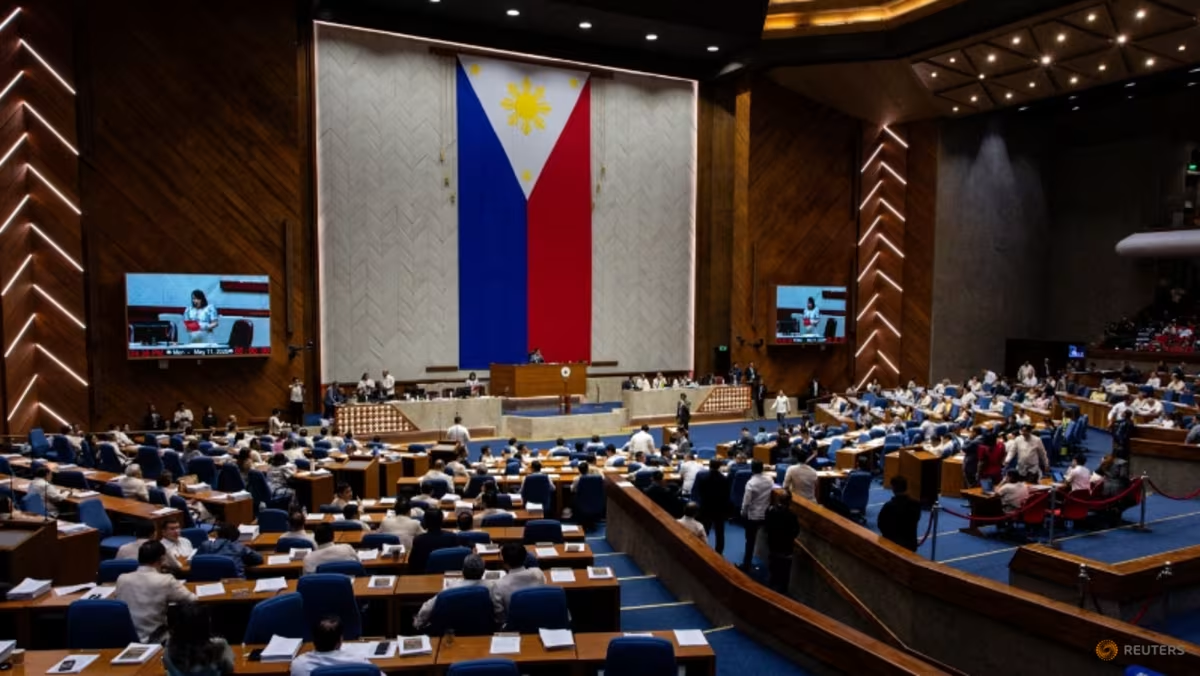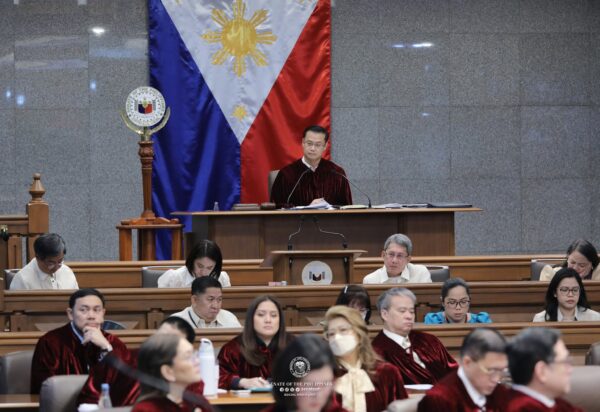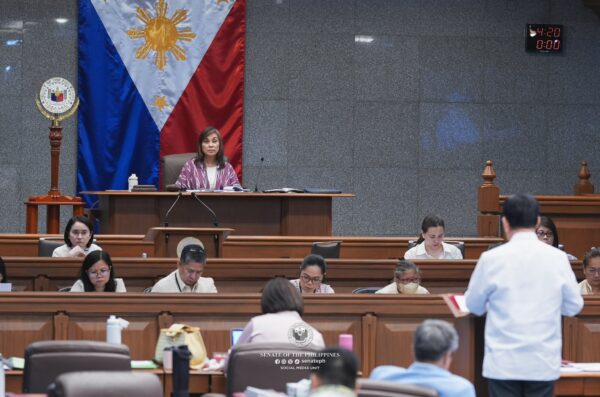
The Philippine Senate has convened an impeachment court that will hold a trial for Vice President Sara Duterte, who is accused of betraying public trust for alleged misuse of confidential funds, accumulation of unexplained wealth, and involvement in a plot to assassinate President Ferdinand Marcos Jr. What should we expect from the Senate, and can it conduct a credible and speedy trial amid the intense bickering of its members?
Under Philippine law, it is the House of Representatives that initiates impeachment complaints, and the Senate that acquits or convicts impeached officials.
Duterte was twice impeached by House members. The first impeachment in February 2025 did not lead to a formal trial because the Senate remanded it back to the House, and the Supreme Court nullified it because of procedural flaws. After the one-year bar on the filing of additional impeachment complaints, the House voted again to impeach Duterte last month and assured the public that there was no more basis to question it in court.
Unlike last year, the Senate was quick to constitute itself into an impeachment court. It gave Duterte until the first week of June to respond to the allegations incorporated in the articles of impeachment transmitted by the House. Congress is set to adjourn its sessions on June 3, but the impeachment trial is allowed to proceed with its work. The Senate has scheduled the first day of the trial for July 6, and both the prosecution and defense are expected to finish their presentations within two to six months.