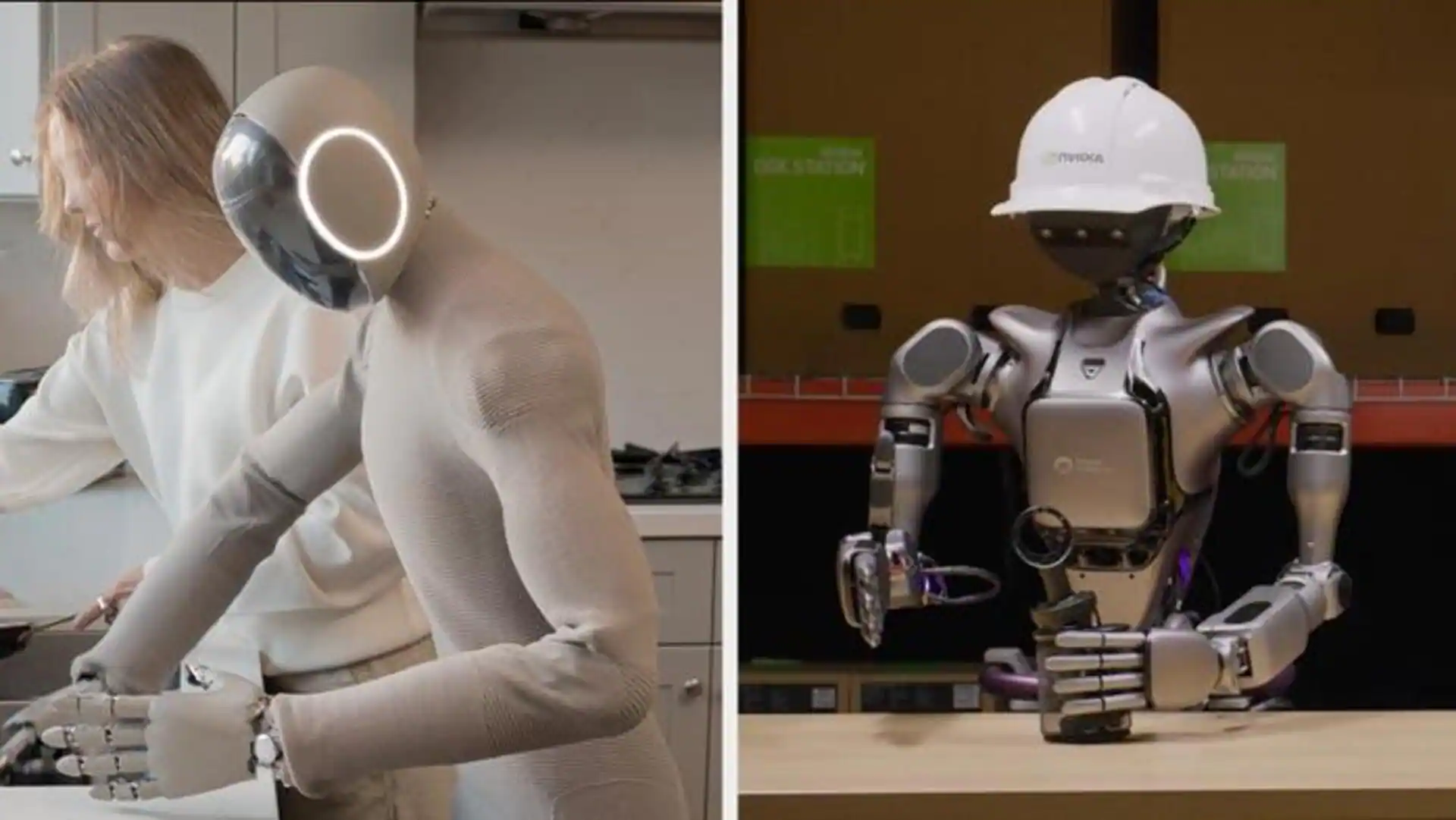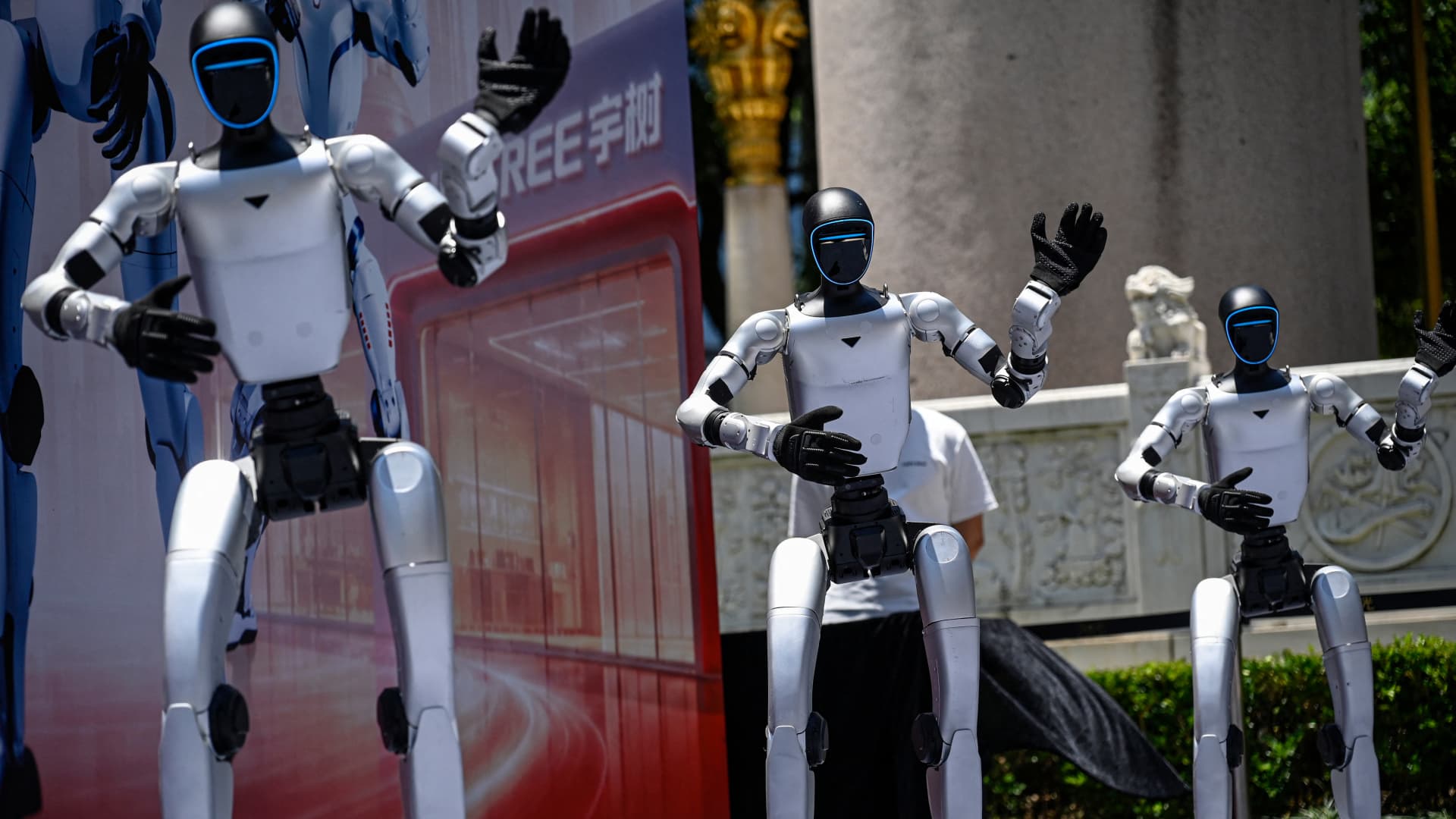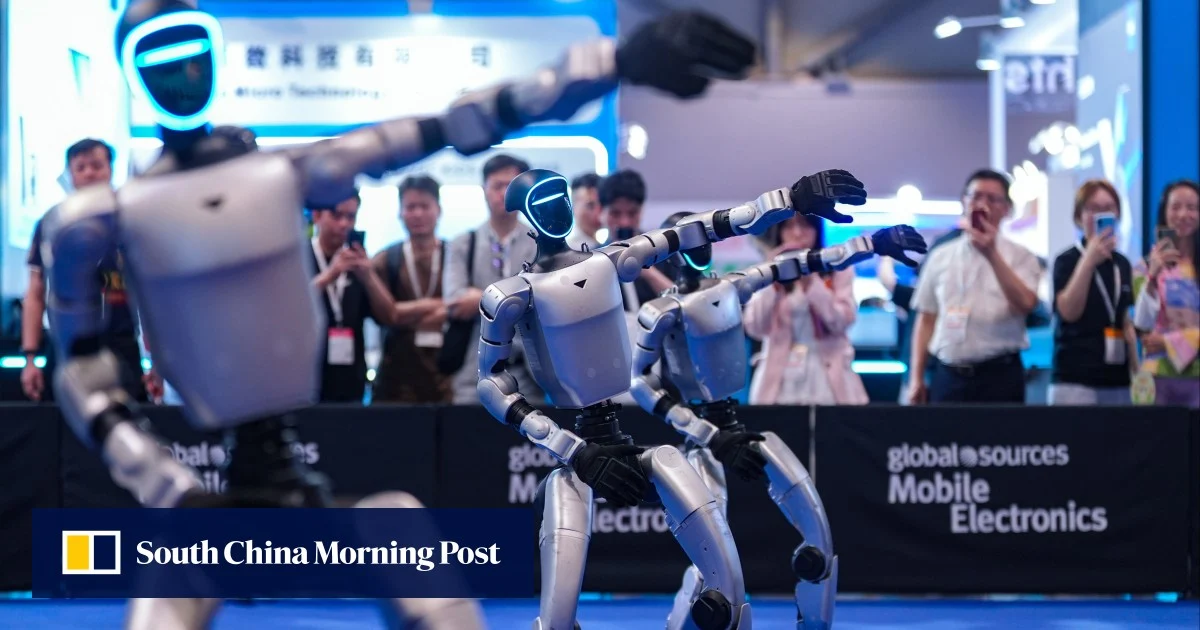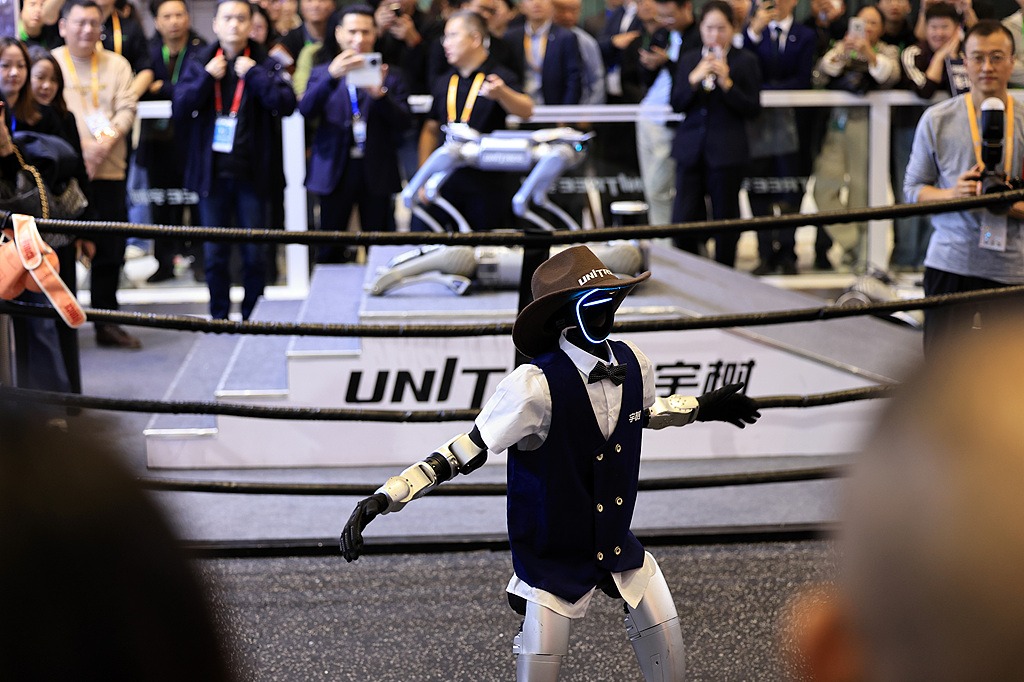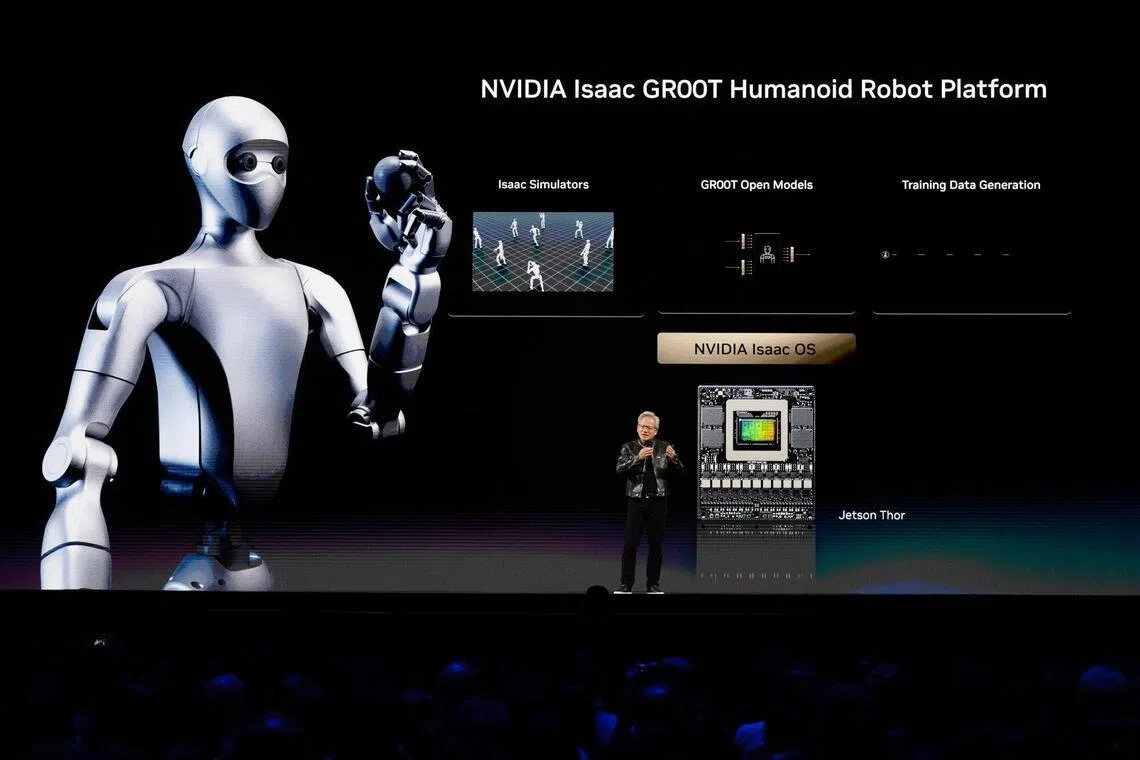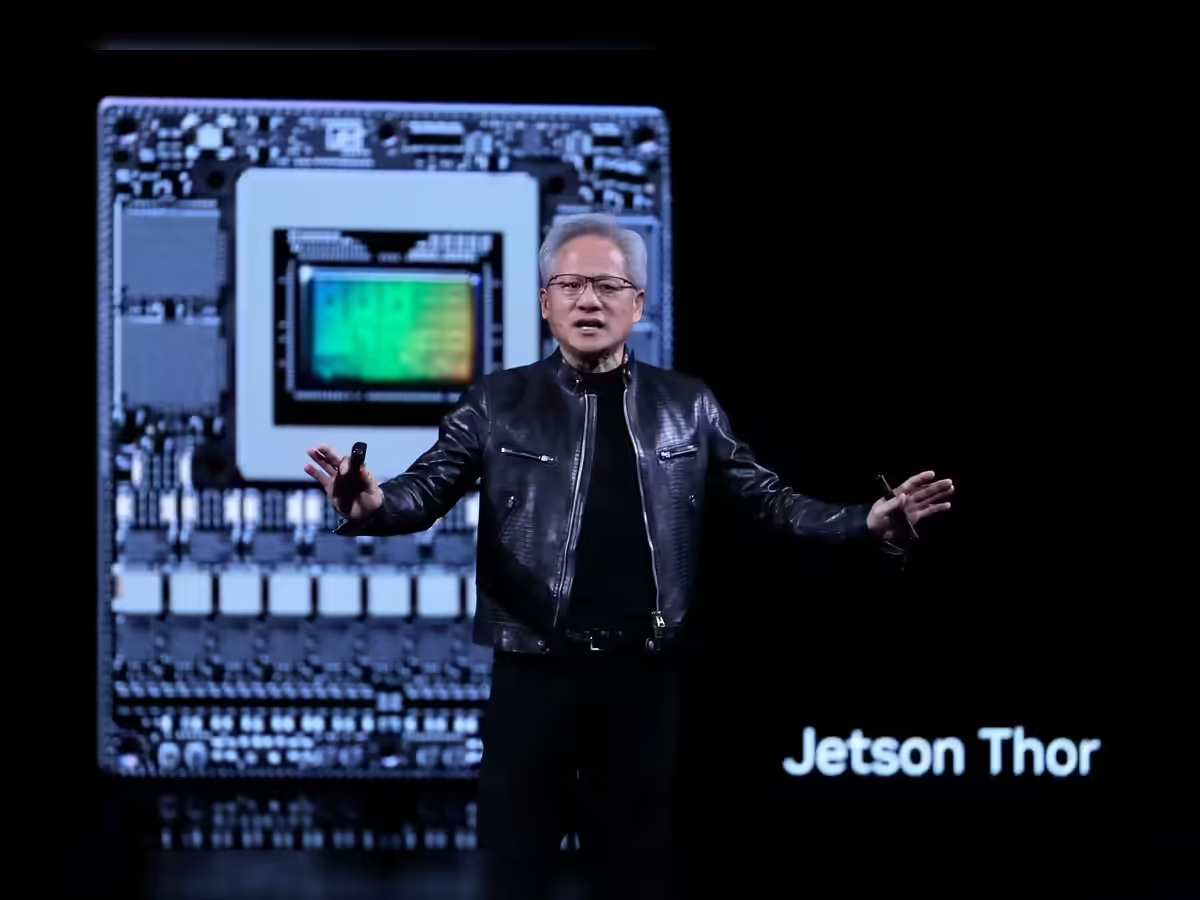
SynopsisAfter CEO Jensen Huang's keynote address in Taiwan on Monday ahead of the Computex trade show, Nvidia announced that the company is working with China's Unitree, a leading maker of humanoid robots, to provide a standardized version of Unitree's H2 robot that can be used by academic researchers.Nvidia plans to work with humanoid robot makers in the U.S., Europe and South Korea in addition to China's Unitree to build robots for researchers, according to the AI chip company's executives.After CEO Jensen Huang's keynote address in Taiwan on Monday ahead of the Computex trade show, Nvidia announced that the company is working with China's Unitree, a leading maker of humanoid robots, to provide a standardized version of Unitree's H2 robot that can be used by academic researchers.The robot's body will come from Unitree, its hands will come from Singapore-headquartered Sharpa, and the computing brains of the device will come from Nvidia. Nvidia said that researchers at Stanford University and the University of California San Diego, among others, plan to use the machines.Unitree, whose dancing robots were the centerpiece of China's Spring Festival gala earlier this year, is pursuing a public listing in China.But U.S. lawmakers have alleged that Unitree has extensive ties to the Chinese government and military and have introduced a bill that would ban use of the firm's robots by researchers who receive U.S. government funding.Nvidia executives told Reuters that the company plans to pursue more efforts like the Unitree one with robotics firms outside China. They did not name the partners in the U.S., South Korea and Europe and spoke on condition of anonymity as the plans are not public.The Nvidia executives said the work with Unitree is aimed at improving the cybersecurity of the Unitree robots for researchers. For example, any software updates meant for the robot's subsystems will have to flow through Nvidia's chip, where the code can be checked for authenticity.By directly integrating Nvidia's 'Blackwell' chips with Unitree's robot bodies, Nvidia, which plans to use the machines in its own research, will bring the same security features that it uses to protect data center servers, the executives said.Those security technologies, known as secure boot and confidential computing, are aimed at ensuring the robots cannot run malicious code and that sensitive data cannot be moved off the robots without permission. ...moreElevate your knowledge and leadership skills at a cost cheaper than your daily tea.Subscribe Now
Nvidia to work with US, European humanoid robot makers in addition to China's Unitree - The Economic Times
After CEO Jensen Huang's keynote address in Taiwan on Monday ahead of the Computex trade show, Nvidia announced that the company is working with China's Unitree, a leading maker of humanoid robots, to provide a standardized version of Unitree's H2 robot that can be used by academic researchers.
399 words~2 min read