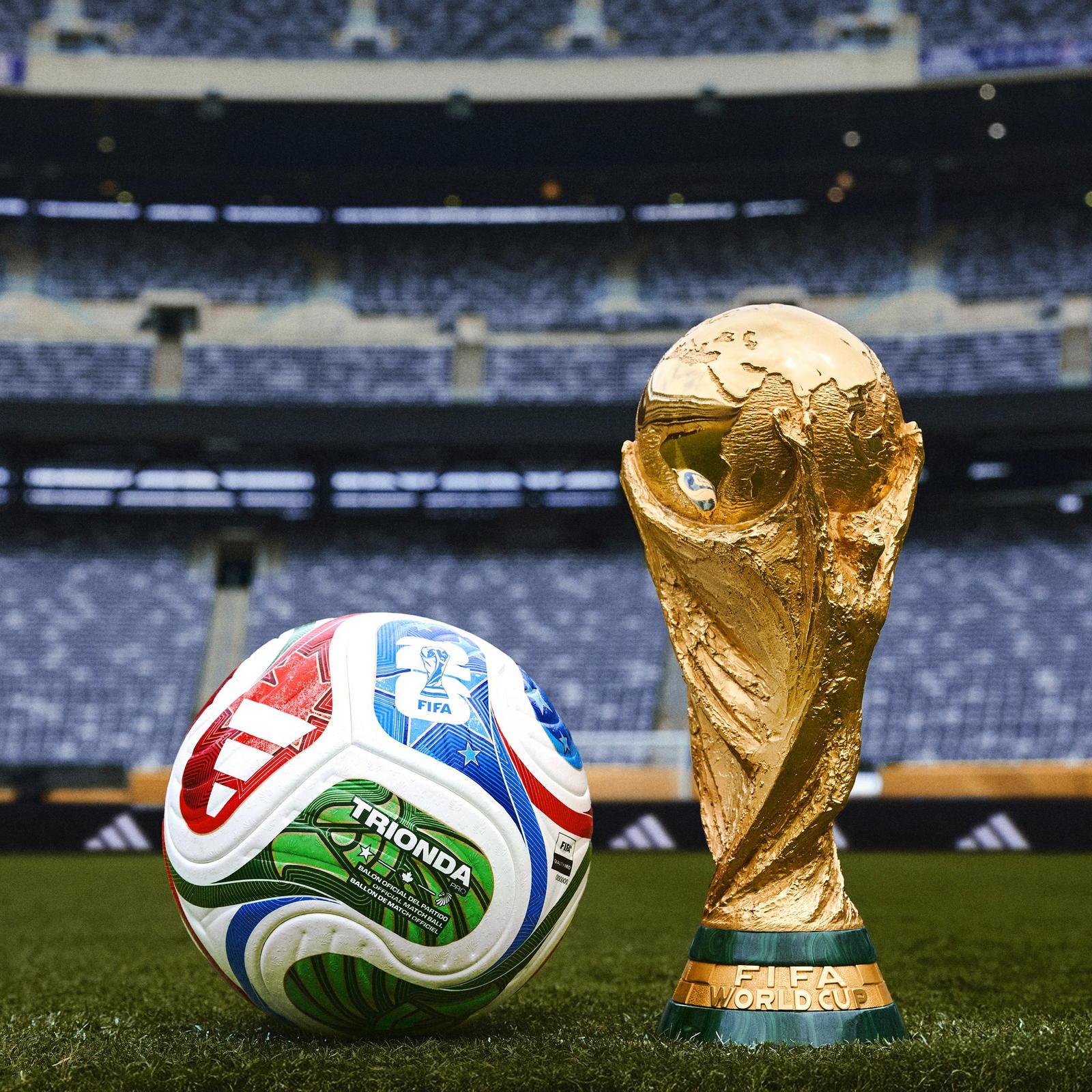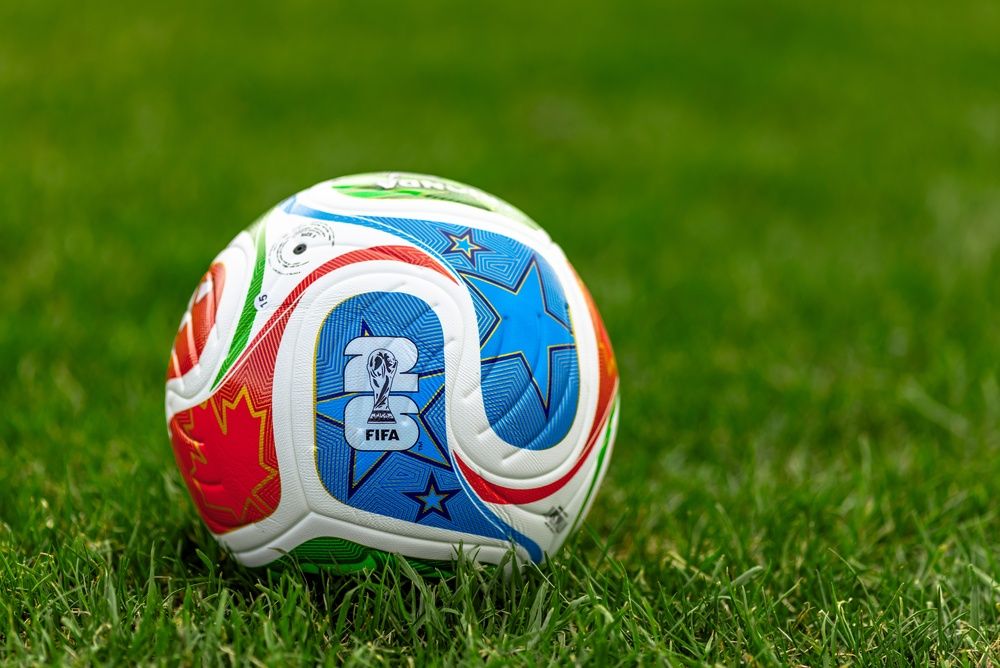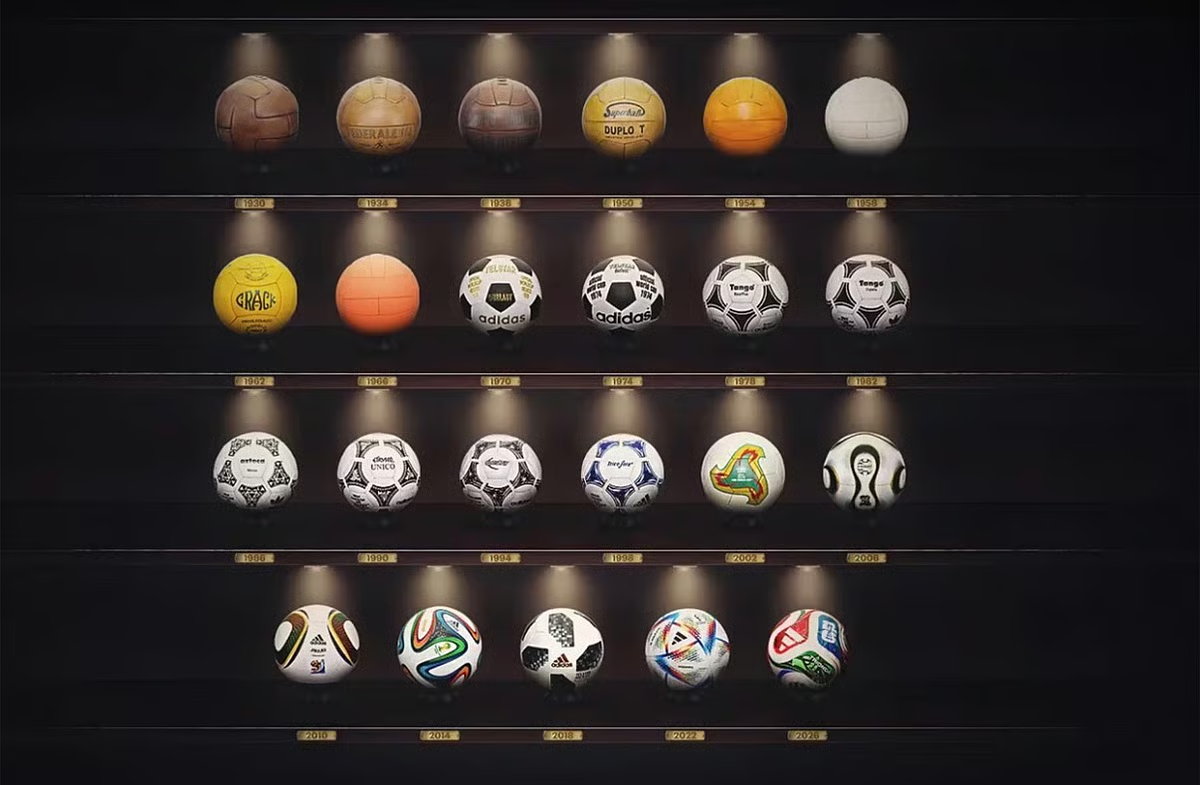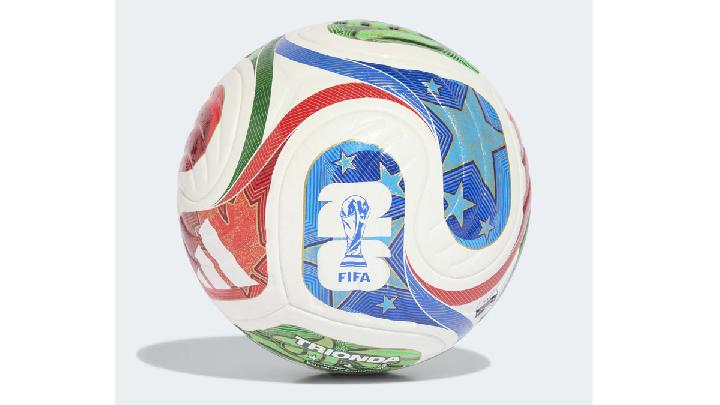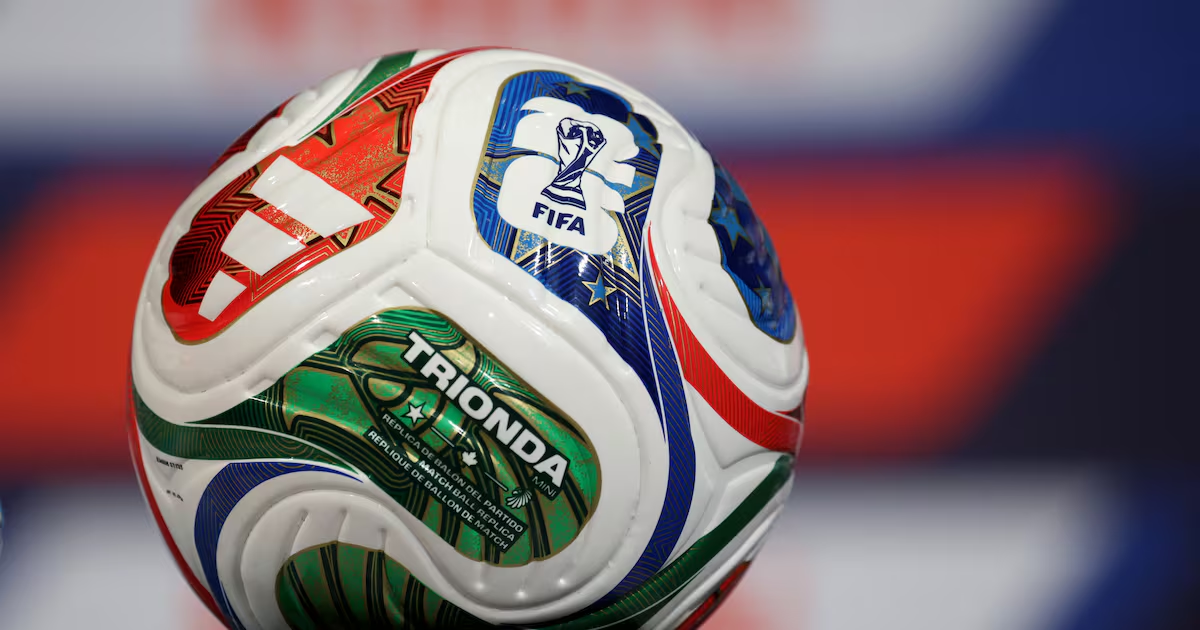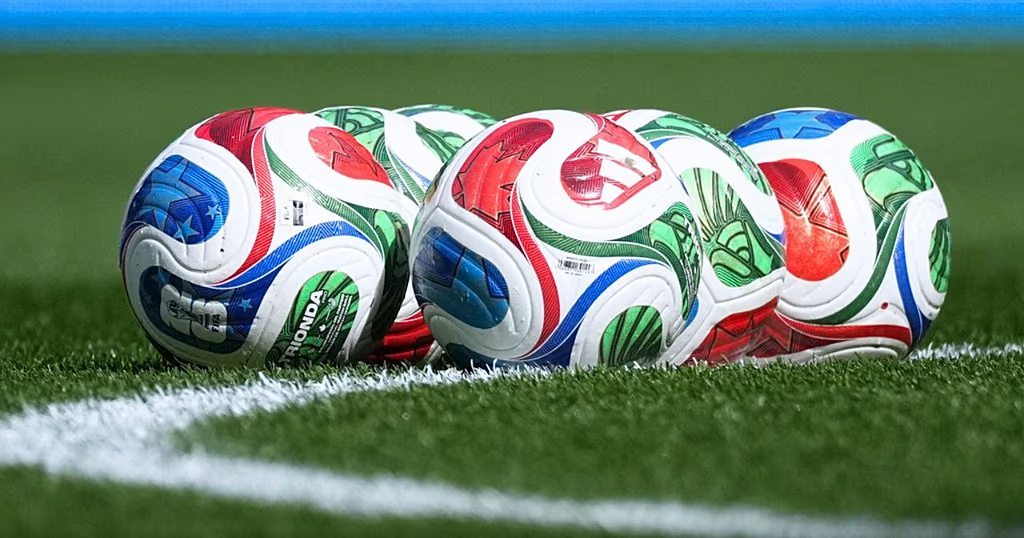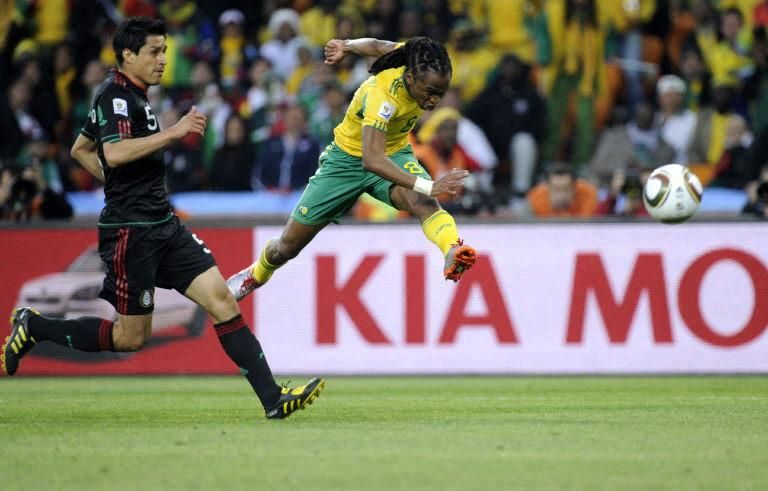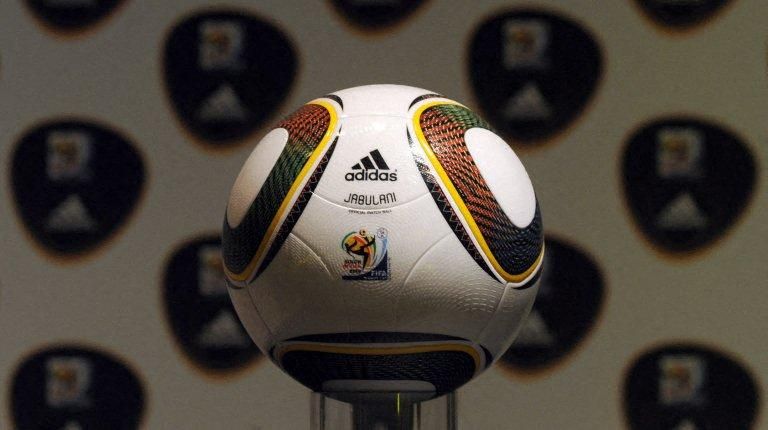
A nightmare for goalkeepers, a dream for strikers: The Adidas Jabulani remains the most controversial and iconic ball in World Cup history. Photo: AFP
Two points hogged headlines during the first ever FIFA World Cup on African soil — vuvuzelas and the Jabulani ball.
While the plastic war horns deafened those unaccustomed to their constant buzz, Jabulani left goalkeepers in awe and became one of the most loved and most hated World Cup balls of all time. Some are even calling it the GOAT of World Cup balls. As a South African, that would be biased to say, not think.
Fifa and Adidas intended the Jabulani to be a celebration of South Africa. Its name, derived from isiZulu, means "to celebrate" and the ball's colourful design reflected the diversity of the host nation. What nobody expected was that it would become one of the tournament's biggest talking points. The Jabulani was unlike any World Cup ball before it.
With just eight thermally bonded panels and a near-perfect spherical shape, it was designed to fly faster, straighter and more accurately than previous footballs. Instead, players discovered something else entirely.