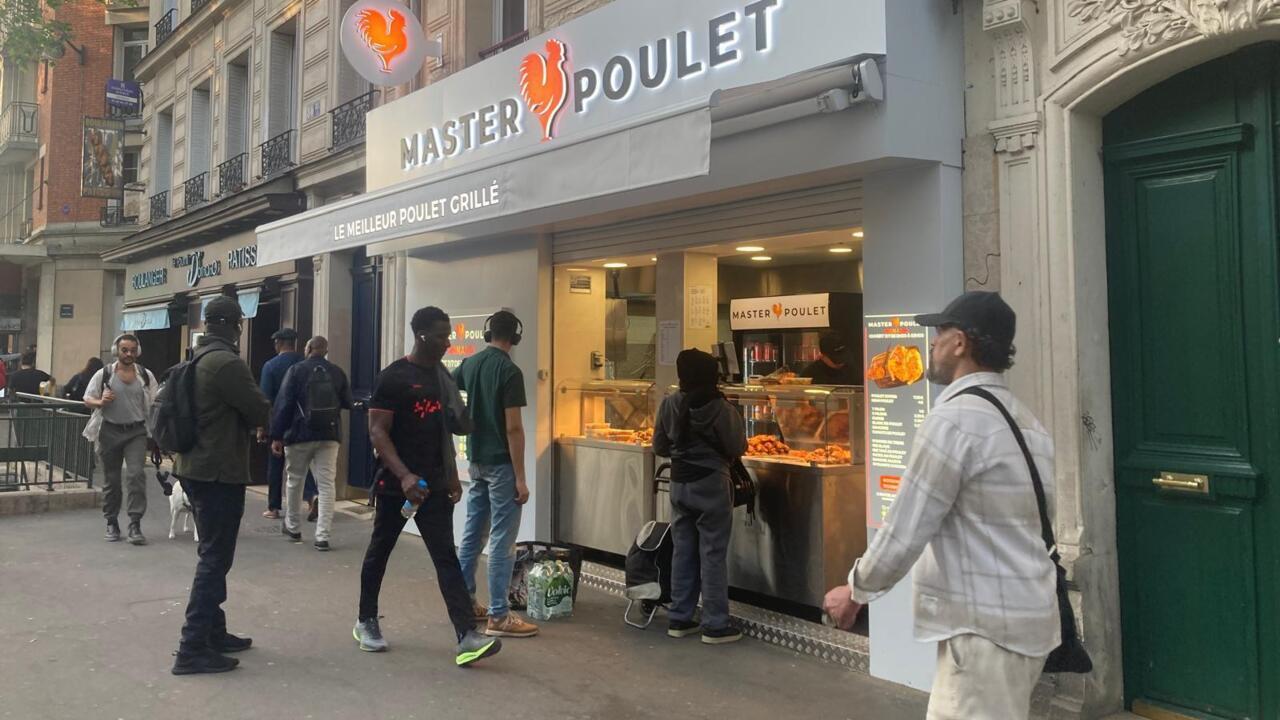
The French and British have always enjoyed disapproving of how the other eats. Take the British office worker often seen demolishing a meal deal at his desk, whereas in France, eating at your desk is (in theory) illegal; in 1894 French ouvriers were banned from eating in the workplace, owing to phosphorus contamination in match-making factories, and the law stands today, only briefly suspended during Covid.
But on closer inspection, the two nations are more similar than we like to admit. The earliest French women’s strikes were a response to that very law, demanding the right to eat at work, since being turned out into the street at lunch left them exposed to harassment. So maybe on the pause déjeuner, we have a détente.
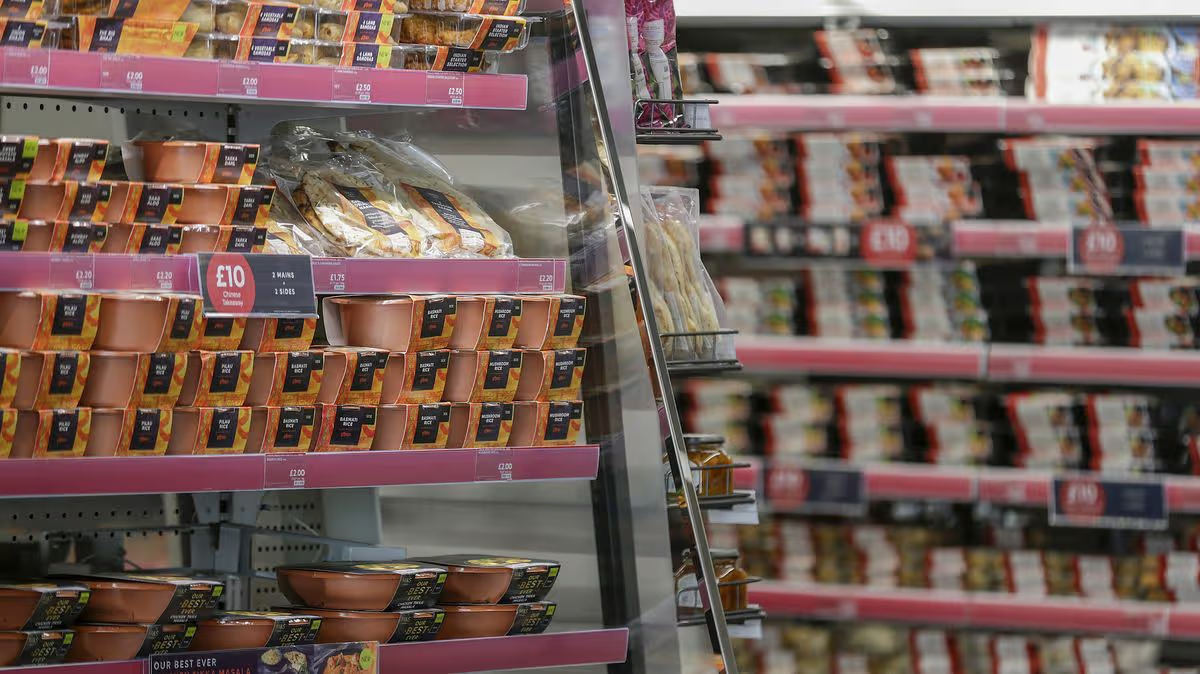
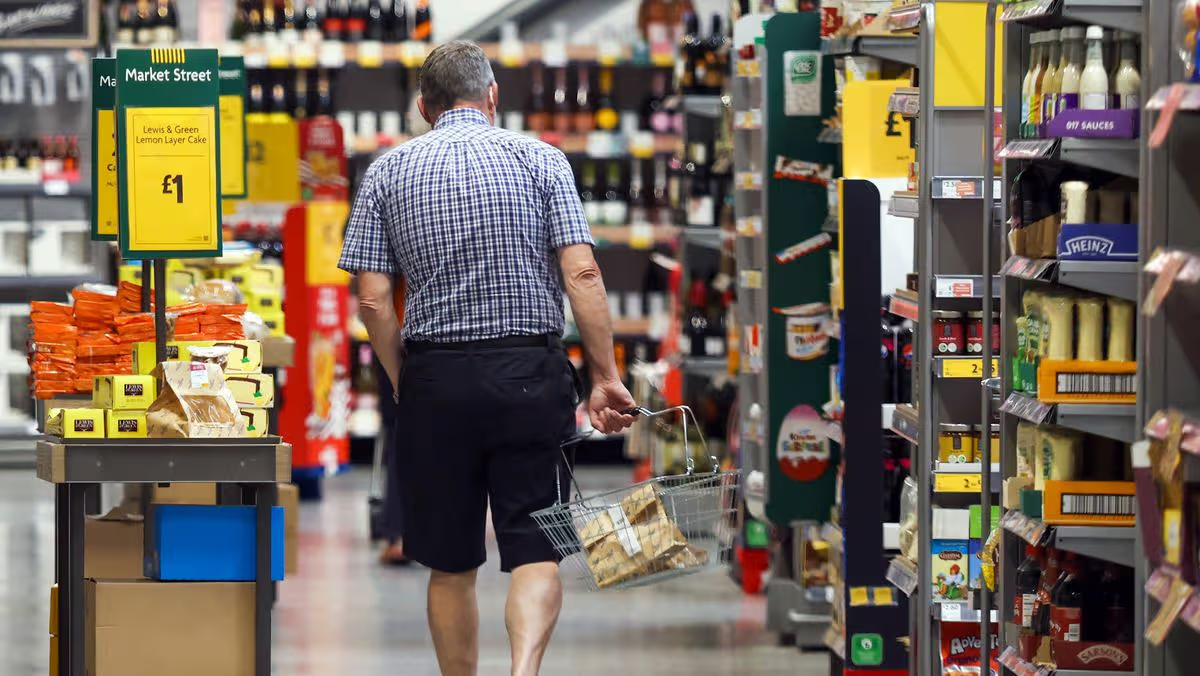
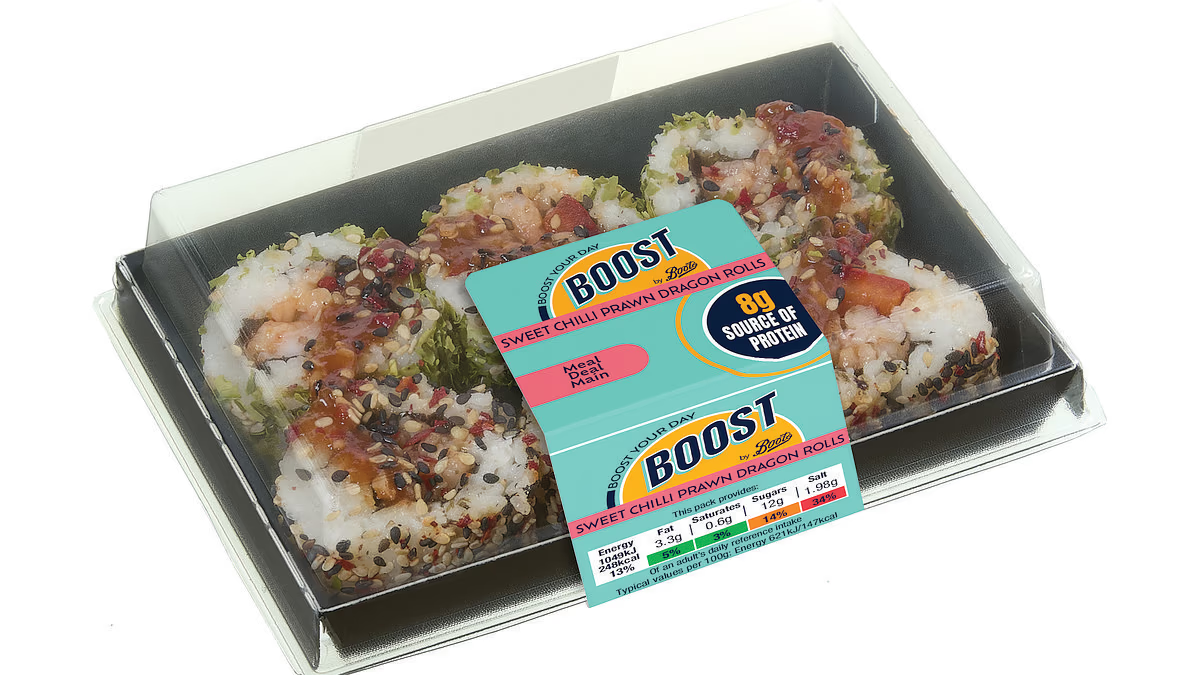
Today, the meal deal is a British moment that feels as old as the hills. You nip to Tesco with your Clubcard and secure a snack, main and drink for the bargain price of £3.85. Recently Tesco announced they would add a breakfast offer to the line-up at £5.50. But how long has the meal deal been with us?
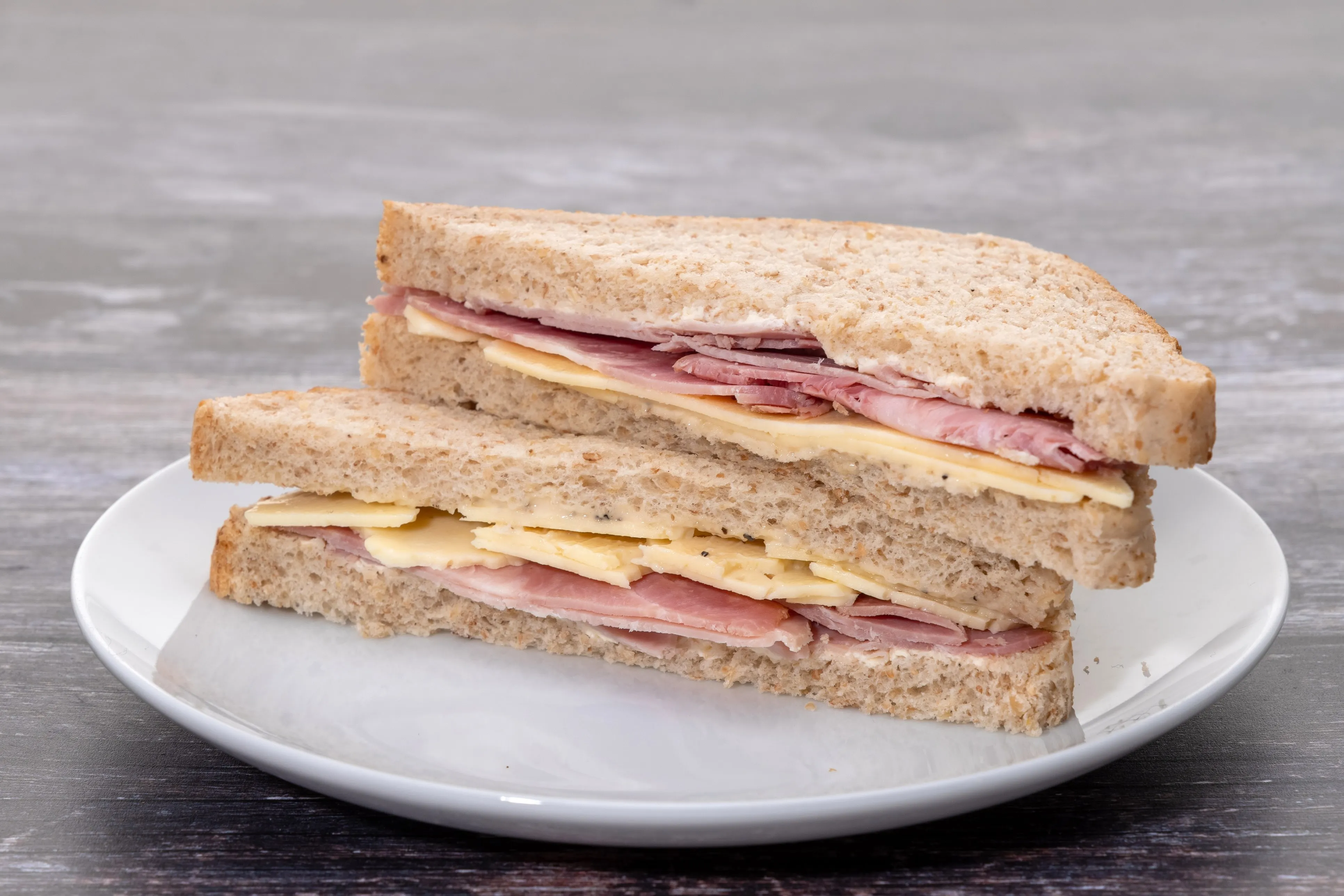
The main component is the sandwich, and you have probably heard the rumour: the Earl of Sandwich, needing a convenient bite whilst gambling, asked for a filling between two slices of bread. The sandwich was born. The historian N.A.M. Rodger thinks this rests on a dubious anecdote; it is more probable that an overworked Cabinet minister was eating at his desk to save time.