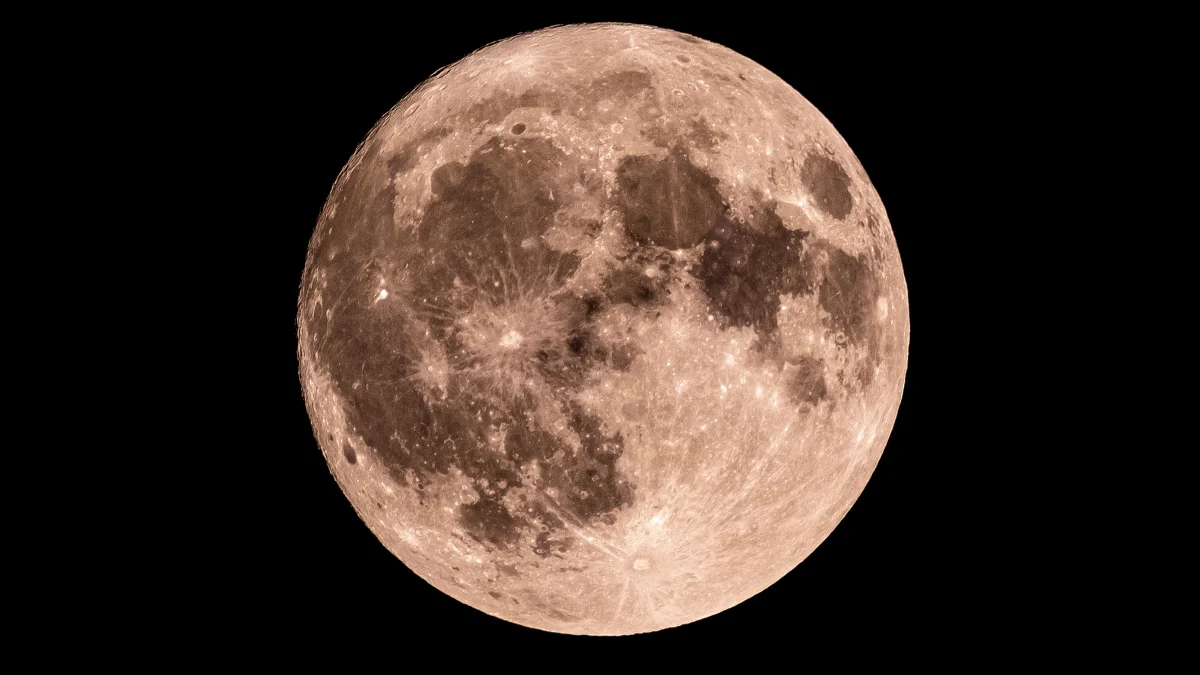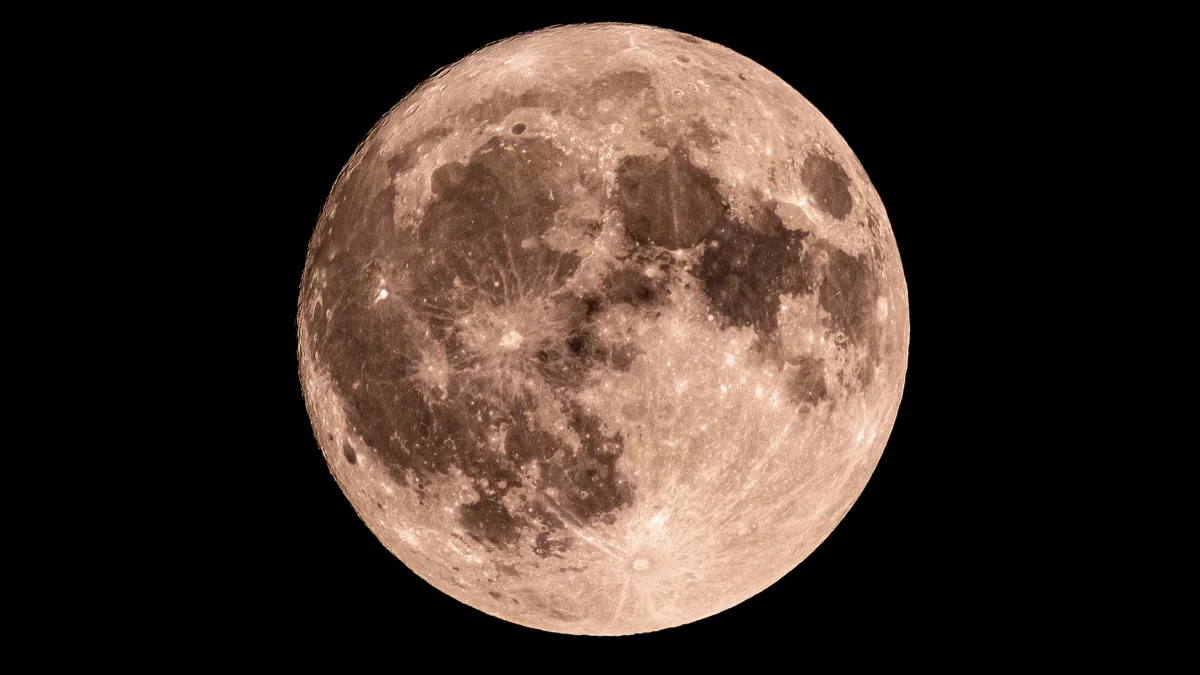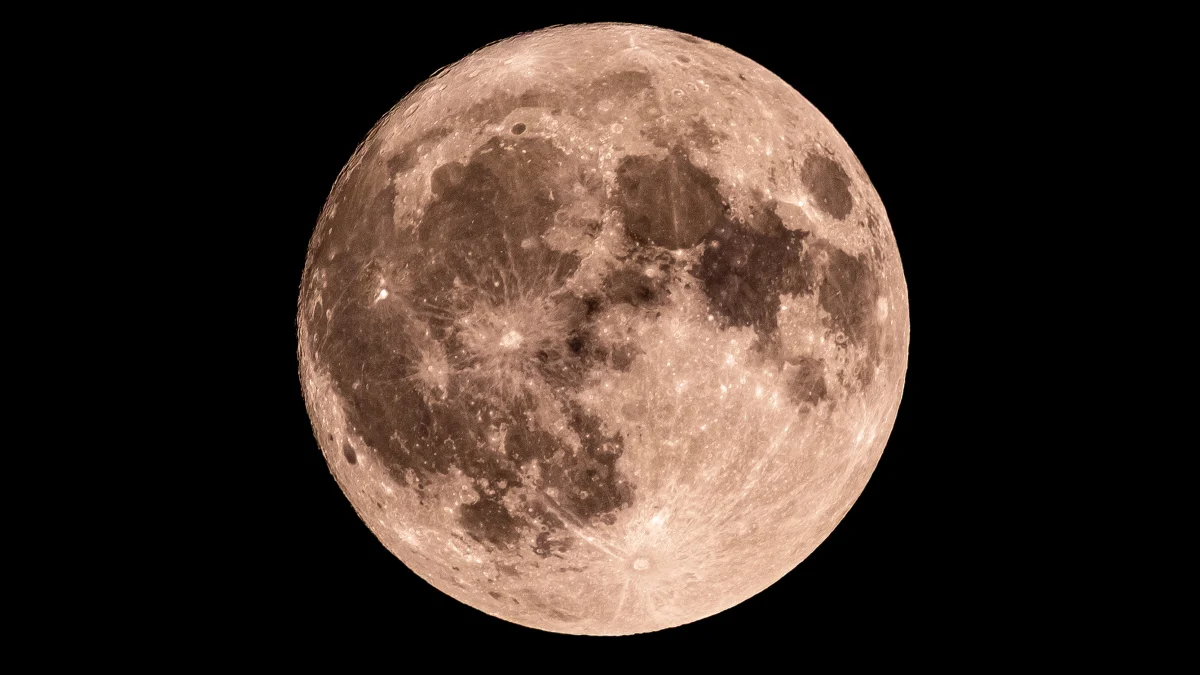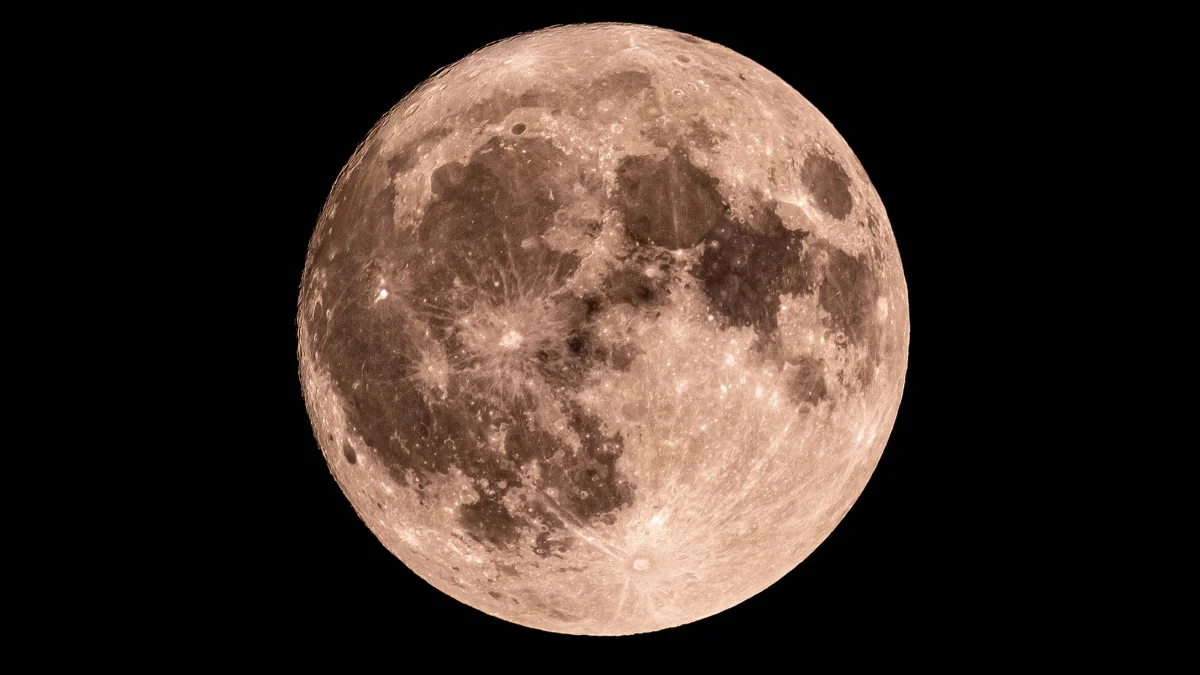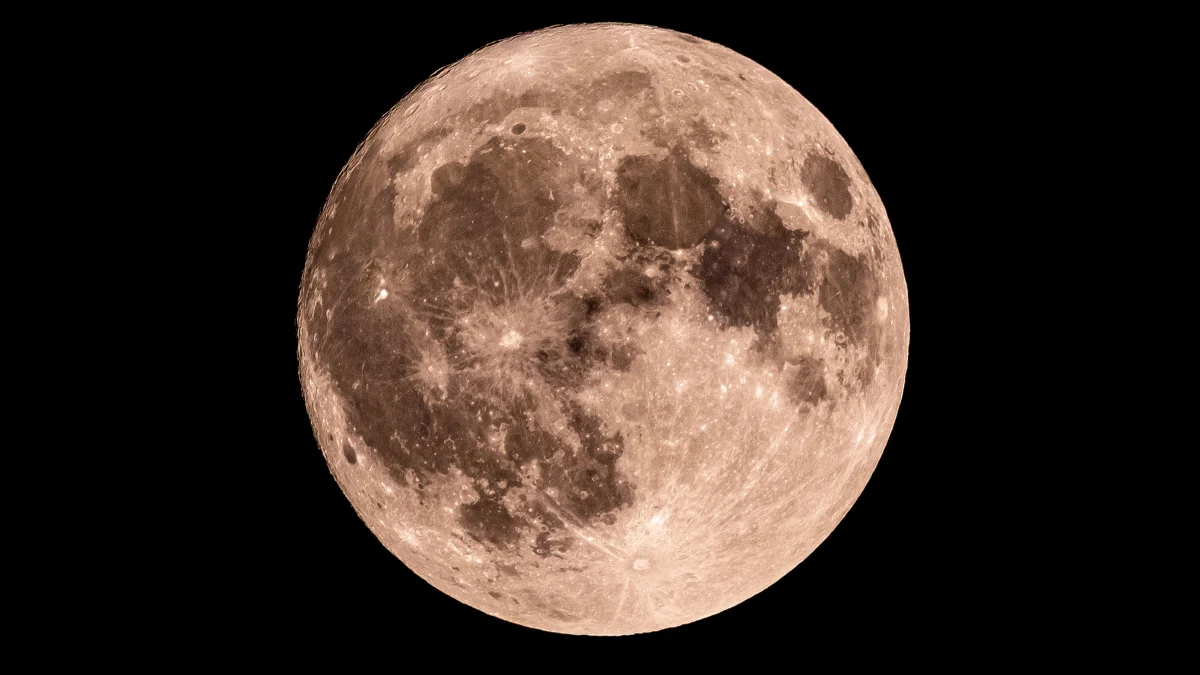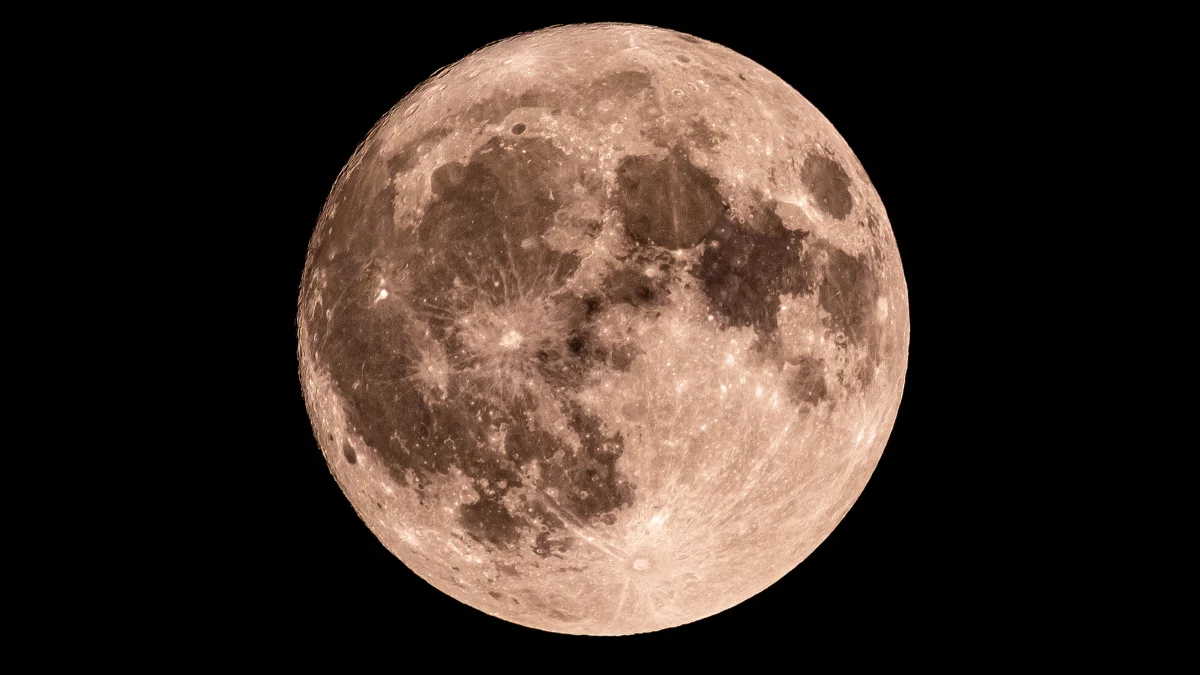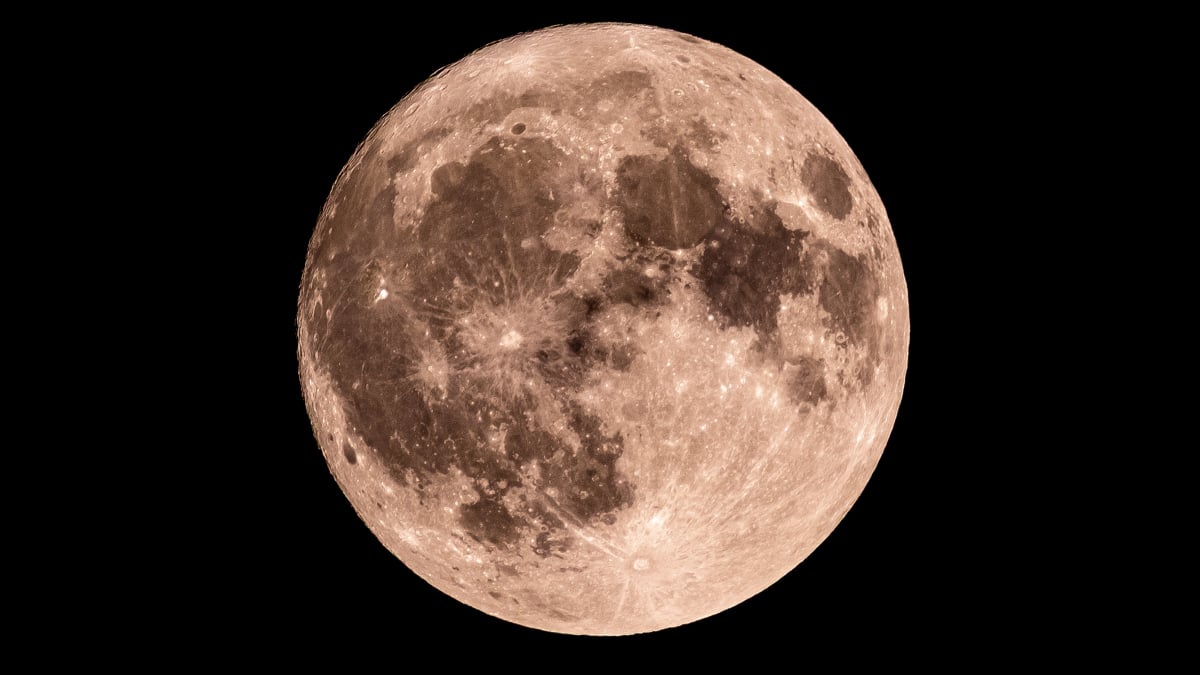
The Full Moon has now passed, meaning with each night visibility will get smaller. This will occur until we reach the New Moon. This phase is part of the lunar cycle, a roughly 29.5-day journey the Moon makes around Earth.
As of Monday, June 1, the Moon phase is Waning Gibbous. Tonight, 97% of the moon will be be lit up, according to NASA's Daily Moon Guide.
So, what can you see? Without any visual aids, you'll be able to spot the Mare Imbrium, Copernicus Crater, and the Mare Tranquillitatis. If you have binoculars you'll also be able to catch a glimpse of the Clavius Crater, Apennine Mountains, and the Alps Mountains. Finally, with a telescope will help you see the Fra Mauro Highlands and the Caucasus Mountains.
The next Full Moon will take place on June 29.
According to NASA, the Moon takes around 29.5 days to orbit Earth, passing through a repeating pattern of eight distinct phases. Although the same side of the Moon always faces Earth, the portion illuminated by the Sun changes as it moves around the planet. This is what creates the different shapes we see in the night sky, from thin crescents to half Moons and the full Moon. Together, these phases form the lunar cycle: