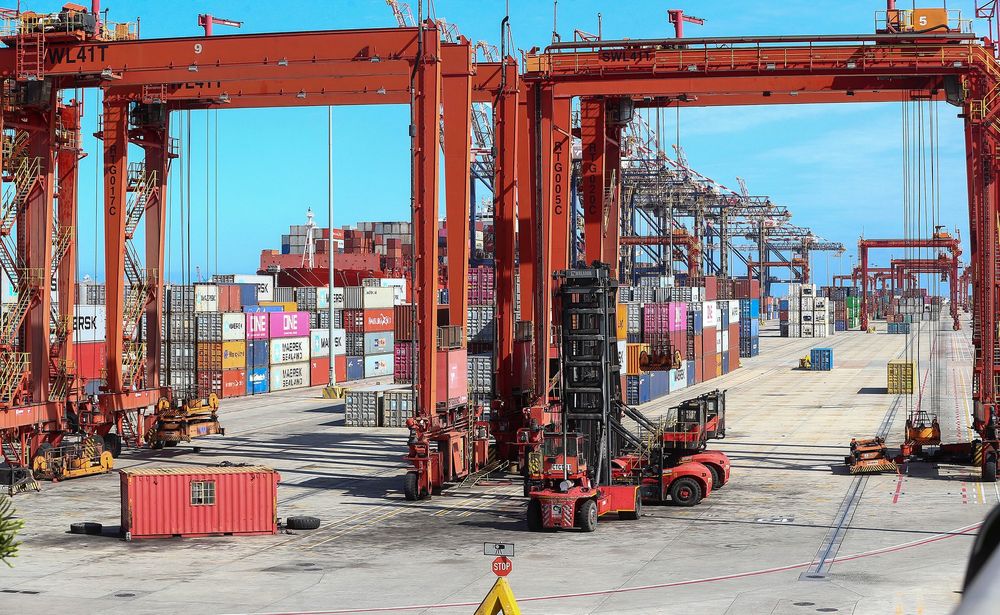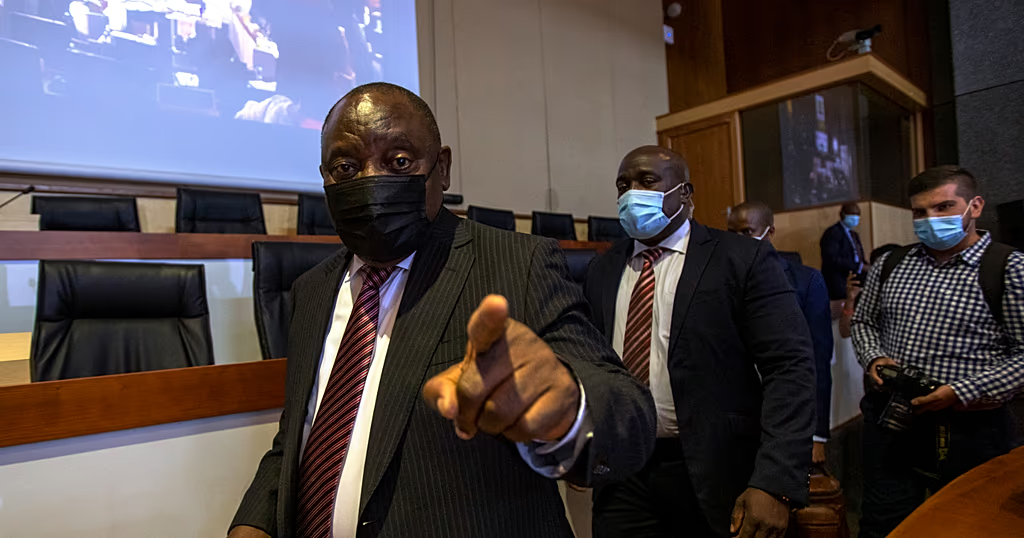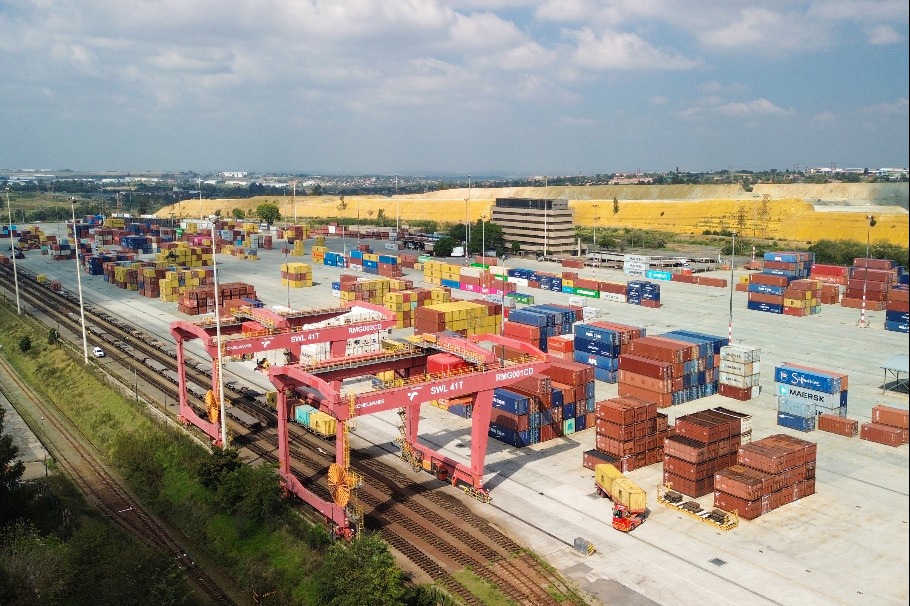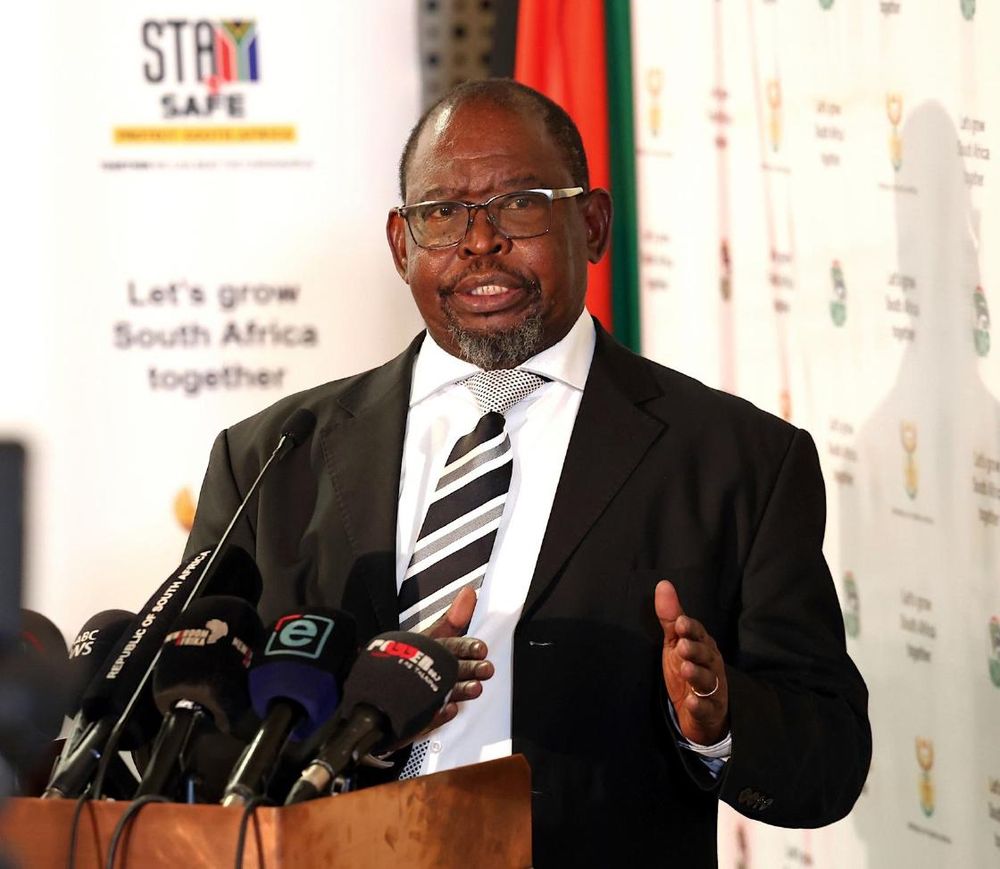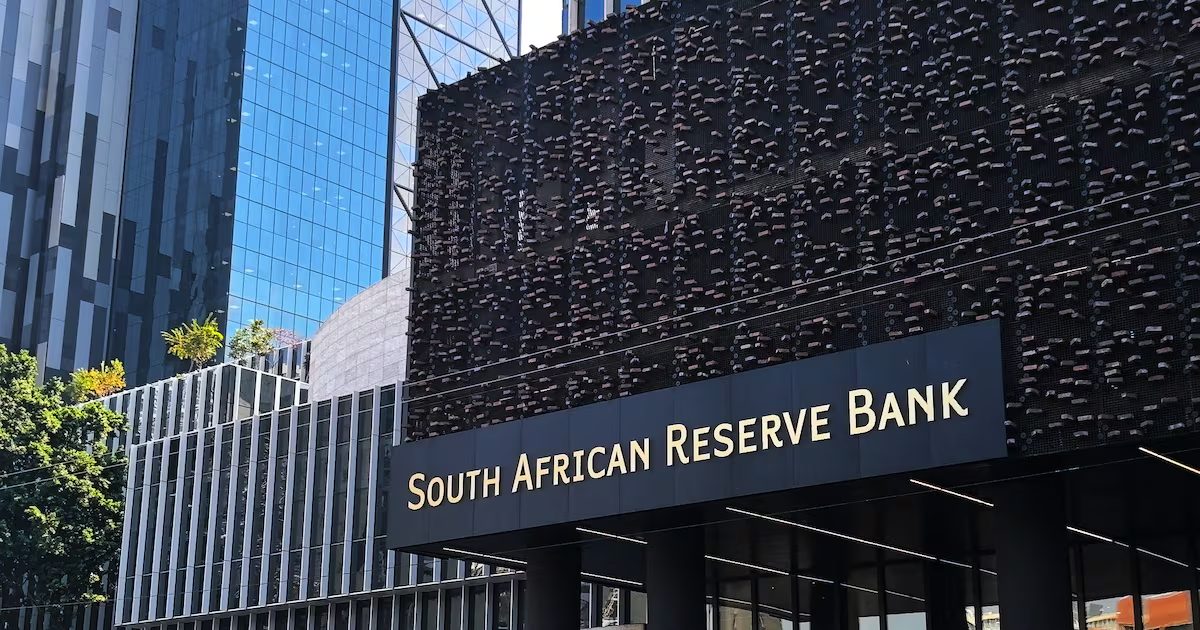
The latest decision by S&P Global indicates it may not see a pathway to President Cyril Ramaphosa’s impeachment, as it affirmed South Africa’s investment case at the weekend. Markets and international credit agencies are prioritising the economic reform momentum over the political turbulence surrounding the presidency. Though the rating was unchanged, some expect a possible upgrade later in the year if the National Treasury and the Reserve Bank continue to be disciplined in fighting inflation and reducing national debt, and if local elections go smoothly in November. On Friday, S&P Global affirmed South Africa’s long-term foreign currency rating at BB and local currency rating at BB+, keeping the outlook positive. This came a week after fellow credit rating agency Moody’s lifted South Africa’s outlook to positive. S&P expects South Africa’s real GDP growth to rise slightly to 1.2% in 2026 and average 1.7% in 2027-29 as reforms to electricity and other sectors support growth. The agency cited decisive structural reforms in electricity and logistics ― under Operation Vulindlela ― and government success in maintaining fiscal surpluses, which has steadied public debt. Gina Schoeman, Citi South Africa economist, told Business Day that S&P’s decision is ultimately good news for South Africa, especially as the Middle East conflict means a higher inflation outlook and high interest rates. “It’s a stamp of approval for South Africa to affirm positive outlooks and to do so under these types of conditions. For local politics, does it have an impact or influence on Ramaphosa’s impeachment? Not really. At the margin, it just reminds us that people aren’t so worried about that, because GNU stability has certainly increased.“It’s nothing like the chaos at the beginning of last year. Unless there’s a big upset, with the local elections impacting national elections, we’re likely to even see a ratings upgrade from S&P in November.”Schoeman highlights three factors that could result in another upgrade. First, “we have to be reassured that inflation is not going to erode growth no matter what happens with the Middle East. The second thing, which we will need to see in the MTBPS [medium-term budget policy statement], is that commitment to debt stabilisation and the primary surplus ... which I can’t imagine Treasury wouldn’t do. They’ve been very consistent about it.”Third, “we would have to see the local elections, even if slightly noisy, go relatively smoothly”, she said. RMB chief economist Isaah Mhlanga highlighted that as the ratings were unchanged, they had no impact on markets. “It also has no influence on the impeachment process,” he said. The Treasury noted that South Africa is one of only two G20 nations, alongside Italy, with a positive outlook from S&P. Duncan Pieterse, director-general at the Treasury, said: “The affirmation from S&P that the government is on track to deliver on its commitment to reduce the debt-to-GDP ratio over the medium term reflects the progress we have made towards restoring the health of South Africa’s public finances and our ability to continue to do so despite geopolitical upheavals. “Two of the major rating agencies, S&P and Moody’s, now have South Africa on a positive outlook, which is an encouraging signal that we have the potential to lift our economic growth rate higher and reduce our public debt faster.”
S&P affirms SA’s rating, flagging no Ramaphosa disruption
S&P cites structural reforms in electricity and logistics under Operation Vulindlela
540 words~2 min read