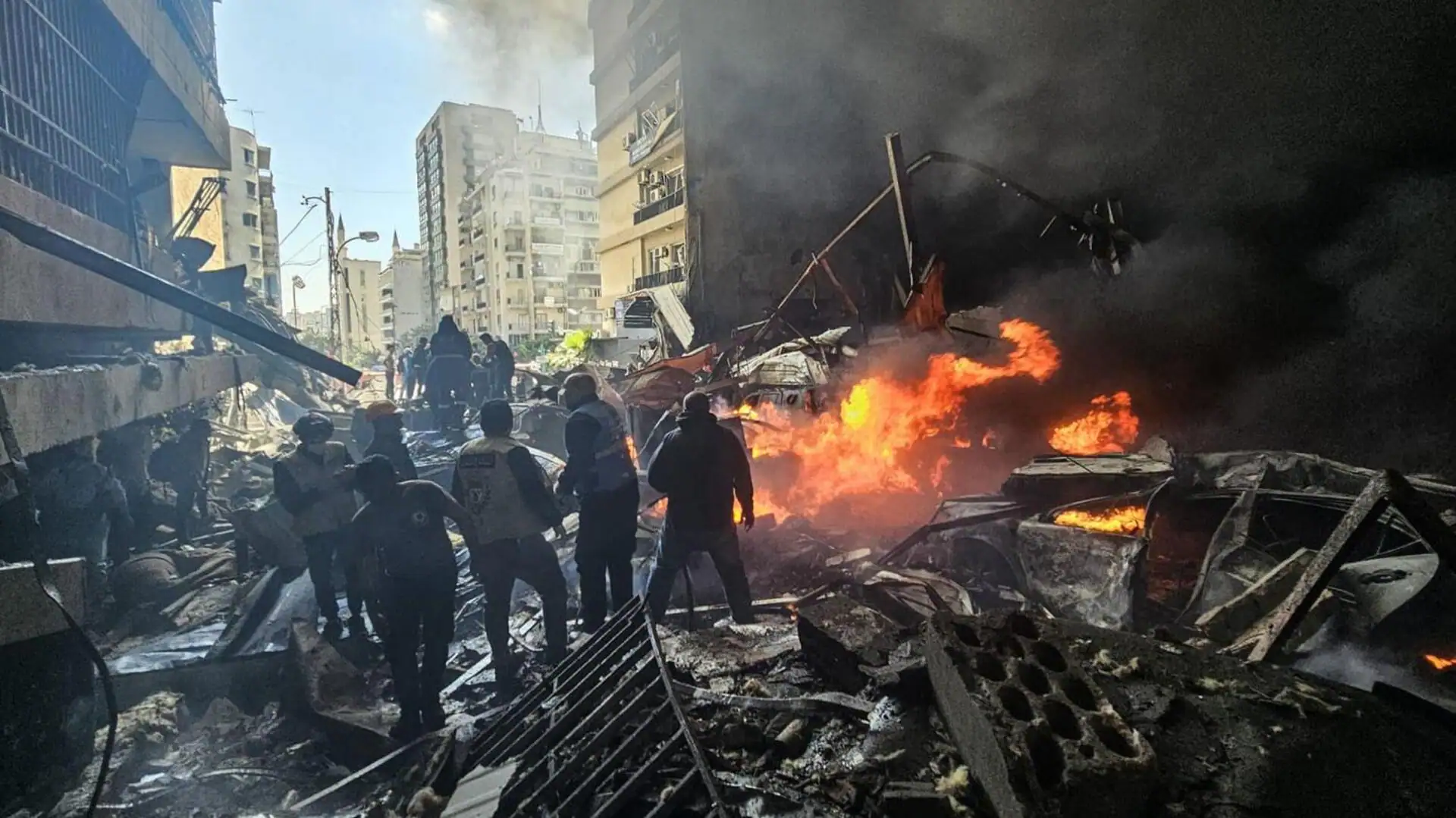
Crude oilOil prices rose more than 2% in early trading on Monday after Israel ordered additional troop deployments into southern Lebanon, escalating tensions with the Iran-backed Hezbollah group despite a ceasefire announced more than six weeks ago.US crude futures (WTI) climbed by 2.71% to $89.73 a barrel, while Brent crude futures gained 2.37% to $93.28 a barrel, Reuters reported. The sharp rise in prices came as renewed fighting raised concerns that efforts to extend the ceasefire between the United States and Iran could face fresh complications. The development dampened hopes of a broader easing of tensions in the region, which had helped push oil prices lower at the end of last week.The latest escalation follows peace talks hosted by the United States between Israeli and Lebanese representatives in Washington on Friday. However, Israel's decision to intensify military operations in Lebanon has increased uncertainty over the future of the ceasefire and wider regional stability.The Israel-Hezbollah conflict has emerged as the most significant spillover of the ongoing Iran war. Hostilities began on March 2 when Hezbollah launched rockets and drones into Israel in support of Iran. Although both sides agreed to a ceasefire in mid-April, sporadic exchanges of fire have continued.US President Donald Trump said on Friday that a decision on extending the ceasefire agreement with Iran would be made soon, giving negotiators additional time to pursue a permanent settlement and address disputes surrounding Tehran's nuclear programme.Any long-term agreement is expected to involve Israel, while Iran has repeatedly insisted that Hezbollah must also be part of any broader arrangement.Meanwhile, concerns over global energy supplies have intensified due to reports of mines being laid in the Strait of Hormuz, one of the world's most critical oil and gas shipping routes.According to market analysts, the possibility of further disruptions in the strait could slow efforts to fully restore shipping traffic, limiting the pace at which additional oil supplies return to global markets.The Strait of Hormuz remains a strategic waterway which carries roughly one-fifth of global oil and gas flows. Iran has effectively restricted access to the strategic waterway since the conflict began following US and Israeli strikes in February.
Oil prices today: Crude jumps over 2% after Israel intensifies attacks in Lebanon despite ceasefire
Oil prices rose more than 2% in early trading on Monday after Israel ordered additional troop deployments into southern Lebanon, escalating tensions with the Iran-backed Hezbollah group despite a ceasefire announced more than six weeks ago.
355 words~2 min read