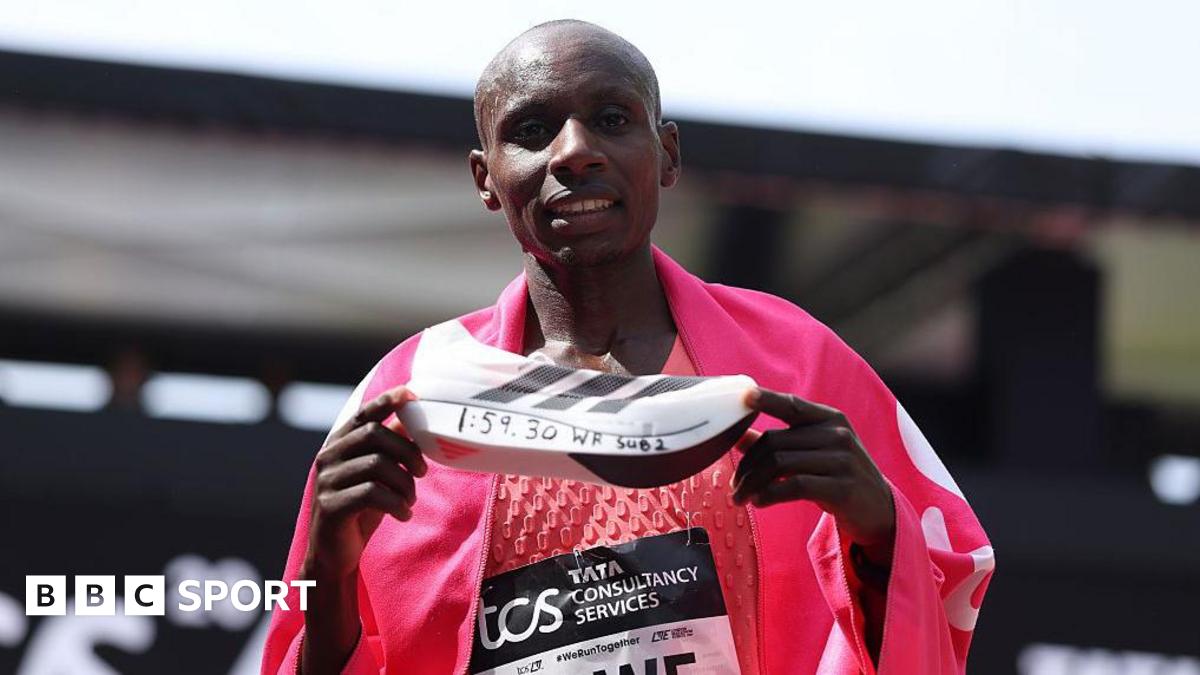
It is no coincidence that “one of the best fuellers marathon running has seen” recently became the first person to break the fabled two-hour barrier for the 42.195km (26.2-mile) distance.Sabastian Sawe consumed 230 grams of carbohydrates during the one hour, 59 minutes and 30 seconds it took him to complete the London Marathon in April.That he was followed home just 11 seconds later by Yomif Kejelcha of Ethiopia further underlined that “the doors have been opened” to a speedier era of elite marathoning, according to the nutritional mastermind behind Sawe’s world-record run.Josh Rowe, head of sports technology for Maurten, the brand that devised Sawe’s fuelling plan for his London charge, estimates that ingesting a prescribed amount of carbohydrates can boost performance by 6-8 per cent, whether you are hunting major victories or targeting 3:45:00 at next year’s Standard Chartered Hong Kong Marathon (SCHKM).“Nutrition gets lost amid talk around shoe technology, but shoes can increase your running economy by 4 per cent,” Rowe said.Sebastian Sawe celebrates his feat with Kenya’s President William Ruto at State House in Nairobi. Photo: ReutersIn the 12 months before Sawe’s landmark run, Rowe and his colleagues spent 32 days, across six visits, at the runner’s camp in his native Kenya.
‘Doors have been opened’ in marathon, says nutritionist behind Sawe’s record run
Brand that helped Sabastian Sawe break world record at London Marathon says carbohydrates can have more impact on performance than shoes.
TL;DRAI
Sabastian Sawe broke the marathon two-hour barrier at London (1:59:30) fuelled by 230g of carbohydrates, a plan developed by Maurten's Josh Rowe over 32 days of camp visits in Kenya. Nutrition delivers a 6–8% performance gain — outpacing the 4% from shoe technology — making elite fuelling protocols a signal worth tracking for any organisation investing in human performance or sports science partnerships.
204 words~1 min read