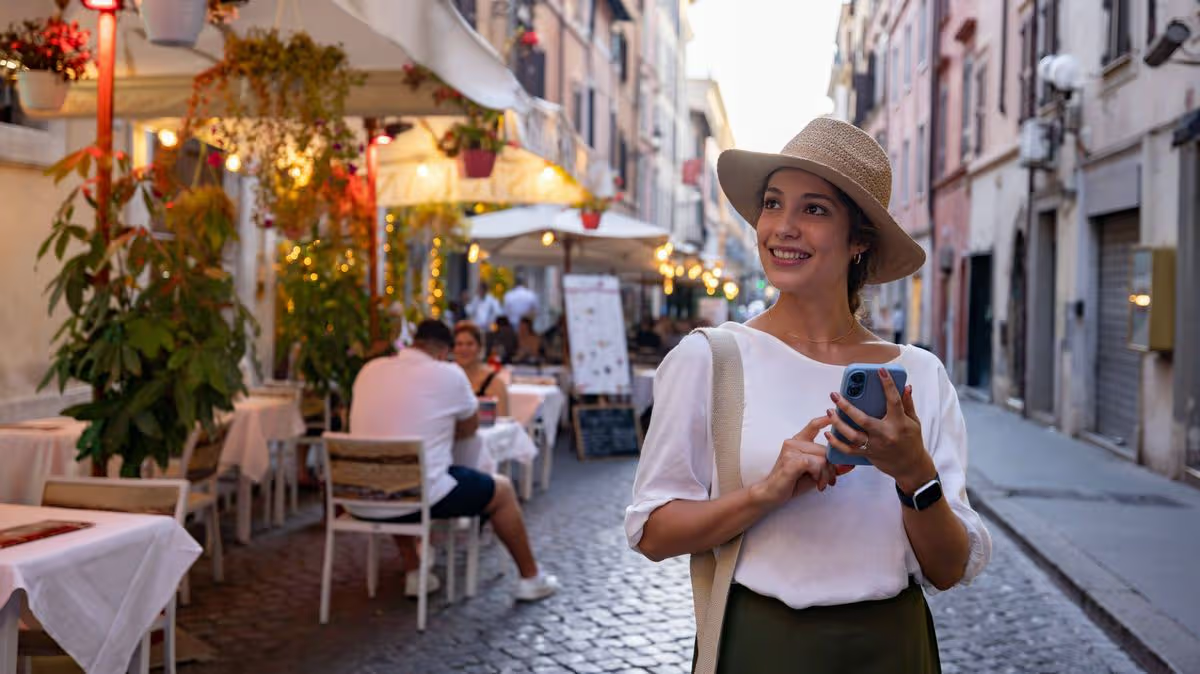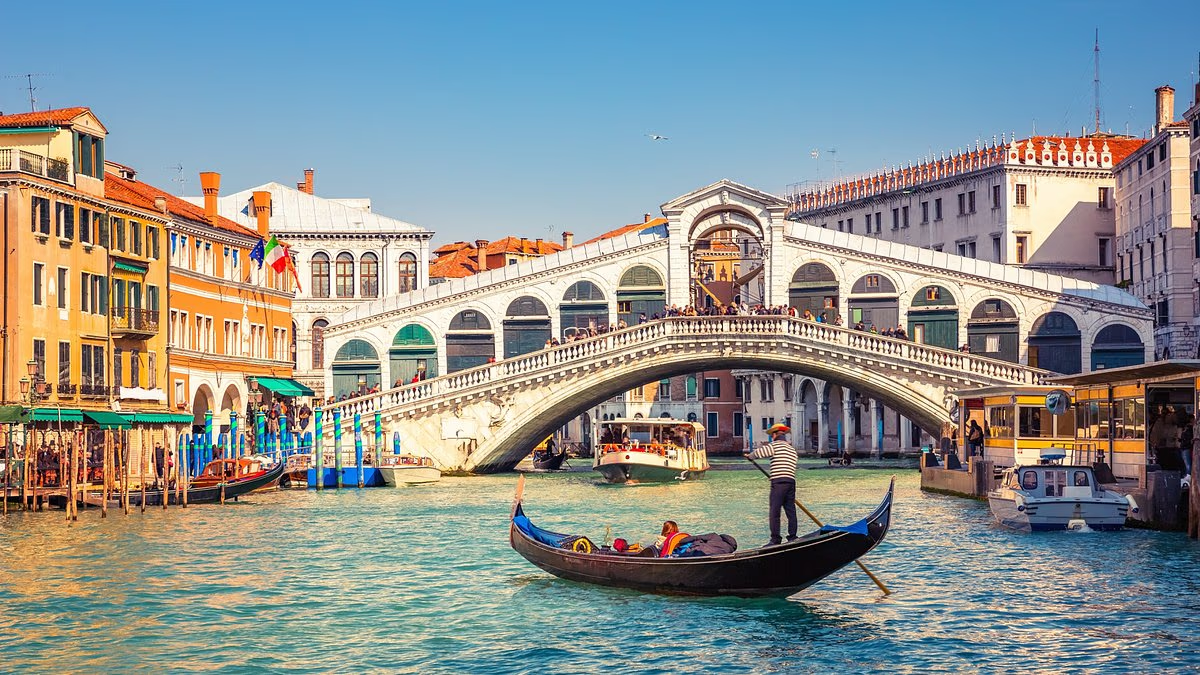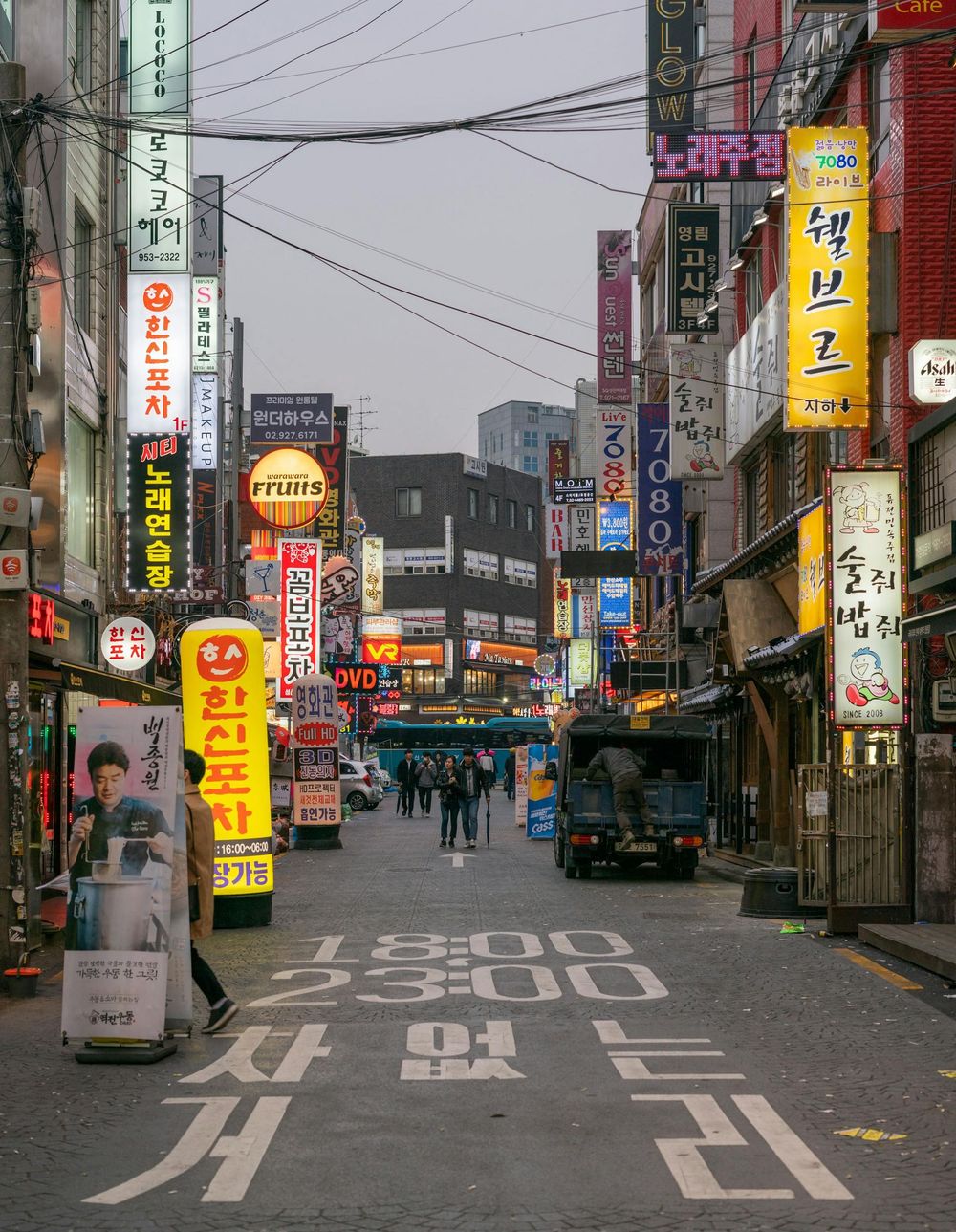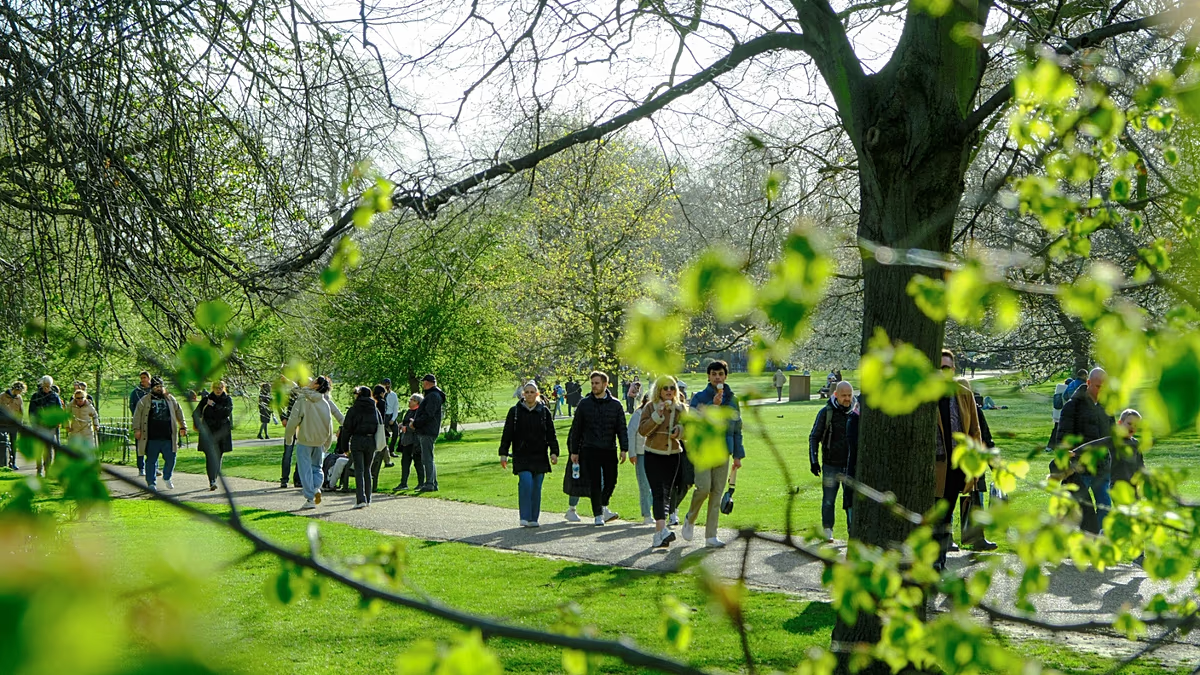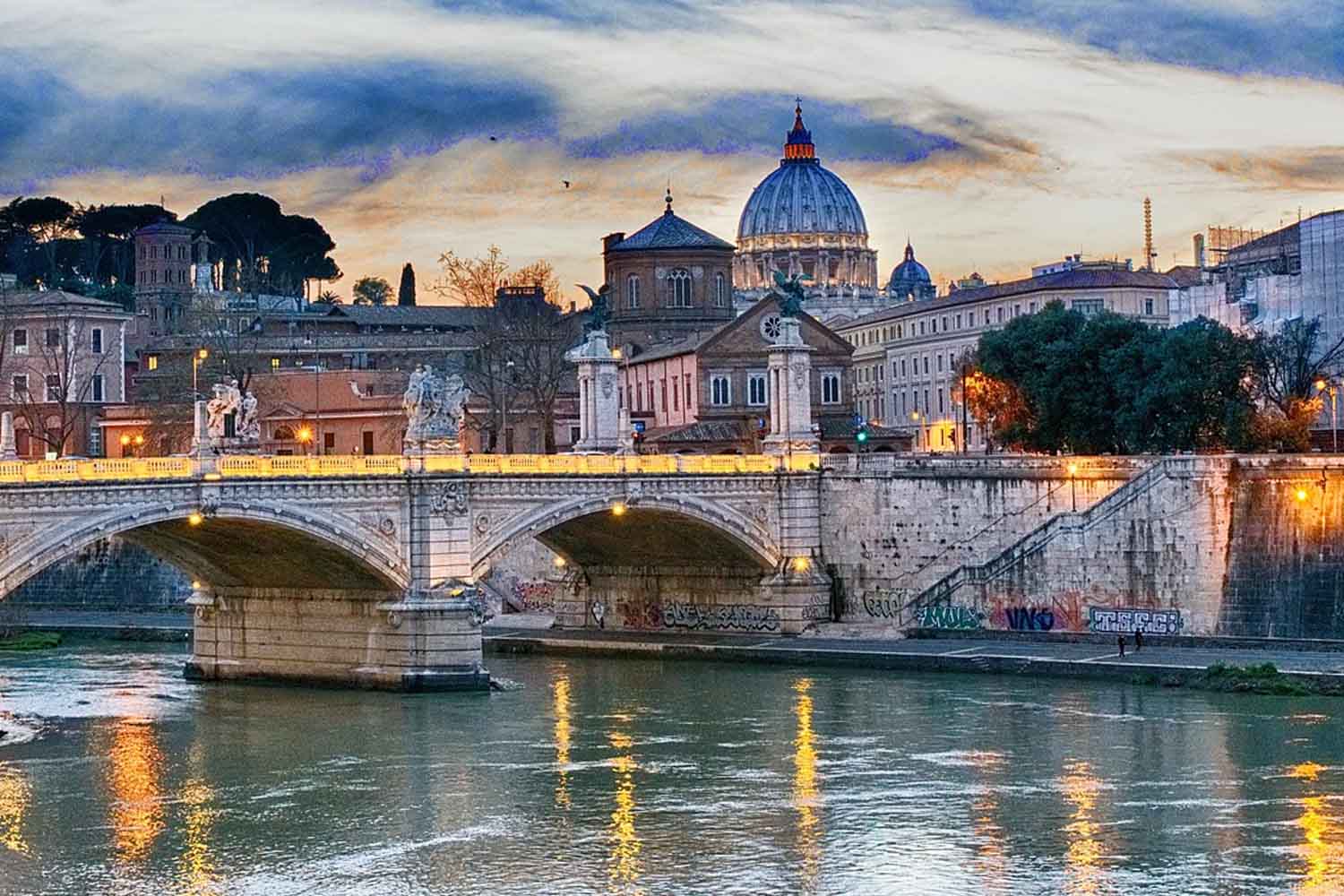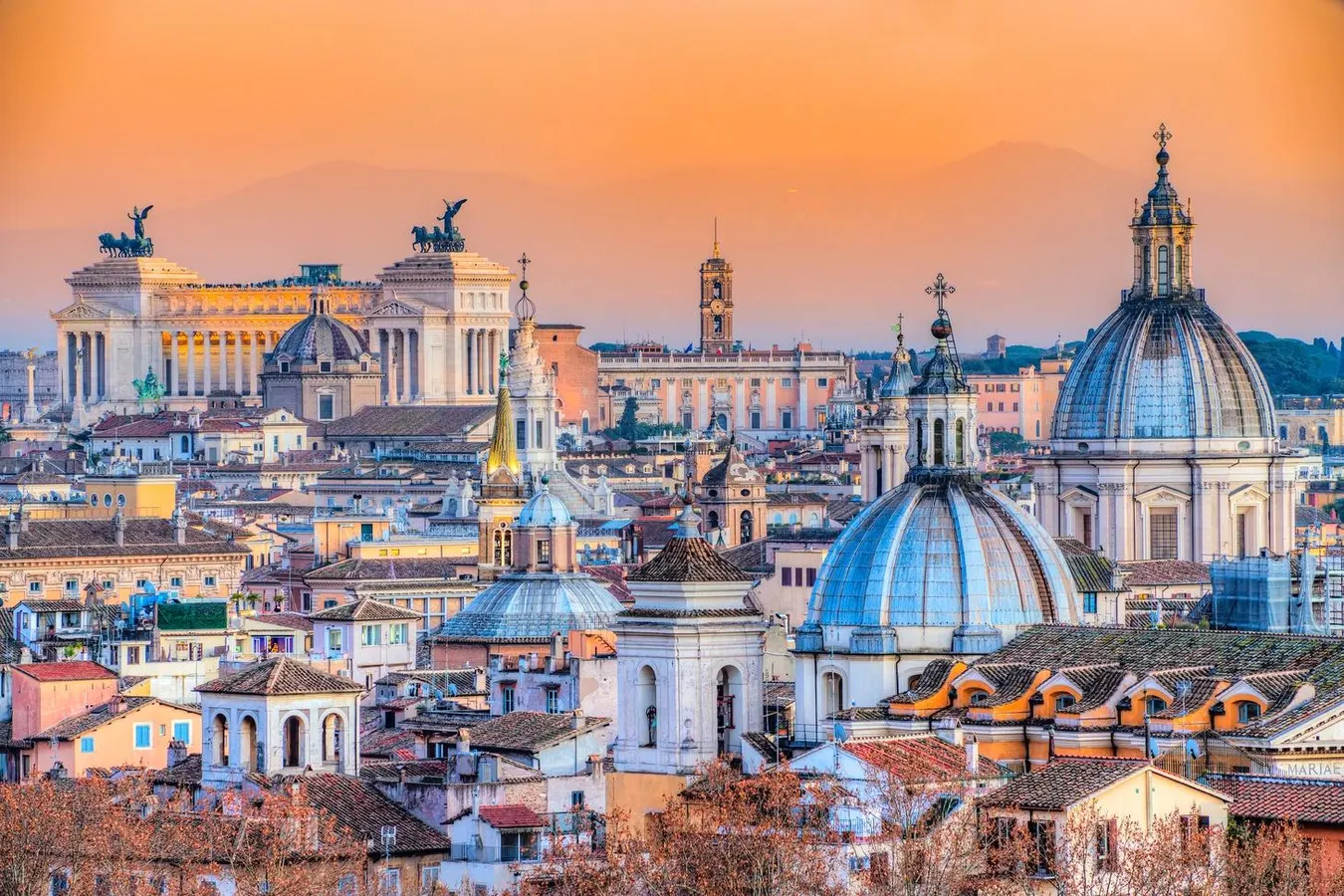
A panoramic view of Rome, which tops GuruWalk's 2026 ranking of the most walkable cities in the world.gettyWhat are the most walkable cities in the world? For travelers who like to explore on foot, wandering through historic neighborhoods, crossing bridges, ducking into cafés and discovering a destination block by block, a new report has the answers.GuruWalk—a platform specializing in walking tours and cultural experiences—has released its third annual ranking of the world's best cities to walk. The report highlights destinations where travelers are most likely to discover a city step by step.To create the ranking, GuruWalk analyzed more than 467,000 verified traveler reviews from 3,600 walking tours across more than 800 cities worldwide. The final score combined traveler volume (65%) with satisfaction ratings (35%), rewarding cities that not only attract visitors but also deliver memorable experiences for people exploring on foot.This isn’t the first time a walkability report has captured travelers’ attention. In my previous Forbes story on the world's most walkable cities, Florence topped the ranking, followed by Riga, Hamburg, Porto and Madrid. Travelers stroll along a cobblestone street in Rome, Italy, the top-ranked city in GuruWalk's 2026 report on the world's most walkable cities.gettyWhat Is The Most Walkable City In The World? Topping the list for 2026 is Rome, Italy, a city where nearly 2,800 years of history unfold along cobblestone streets and ancient alleyways. "Every step transports you through empires, popes and renaissances," according to the report.According to GuruWalk, visitors can discover everything from the Colosseum and Pantheon to Vatican City simply by wandering the city on foot.Rome is having a particularly strong year in 2026, with new events and attractions drawing travelers to the Eternal City, including the inaugural Anantara Concorso Roma.Madrid leads a strong showing for Europe, which claims all 10 spots in GuruWalk's top 10 ranking of the world's most walkable cities.gettyEurope Dominates The World’s Most Walkable CitiesEurope reigns supreme when it comes to exploring on foot. In GuruWalk’s 2026 ranking, European destinations claim all 10 spots in the top 10 and 24 of the top 30 overall.Spain is particularly strong, with six cities making the top 30: Madrid, Barcelona, Seville, Toledo, Santiago de Compostela and Granada. Italy also performs well, with Rome taking the No. 1 spot and Florence landing at No. 15.The report also reveals a shift in global travel patterns. Asia is one of the fastest-growing regions in this year’s ranking, with Tokyo climbing 16 places to No. 20. Latin America is also gaining ground, led by Santiago, Chile, which jumps 23 spots to No. 25.Meanwhile, New York City continues its rapid rise. The Big Apple ranks as the highest-rated U.S. destination at No. 23.GuruWalk also notes one surprising decline: Venice experiences the biggest drop in the ranking, falling to No. 91 amid ongoing concerns about overtourism.New York City ranks as the highest-rated U.S. destination in GuruWalk's 2026 ranking of the world's most walkable cities.gettyRanked: The 30 Most Walkable Cities In The WorldGuruWalk’s report ranks the top 100 most walkable cities. You can see the full list in the original report. Read on for a look at the 30 top-ranked cities where travelers can enjoy some of the world's best walking experiences.St. Peter's Basilica rises above the Tiber River in Rome, Italy, the world's most walkable city according to GuruWalk's 2026 report.getty1. Rome, ItalyRome tops the list of the most walkable cities in the world, thanks to its unmatched mix of ancient history, cobblestone streets and cultural landmarks. “Every step transports you through empires, popes and renaissances,” writes GuruWalk. Visitors can explore the Colosseum, the Pantheon, baroque fountains and Vatican City on foot, moving through nearly 2,800 years of history with every step.The old town in Madrid, Spain, which ranks as the second most walkable city in the world in GuruWalk's 2026 report.getty2. Madrid, SpainMadrid comes in second. GuruWalk calls Spain’s capital both “an open-air museum and a vibrant cultural hub.” The city rewards walkers with wide boulevards, lively squares and major cultural attractions, including the Prado Museum and Retiro Park, which spans 125 hectares (308 acres) of historic gardens.Budapest, Hungary, ranks as the third most walkable city in the world in GuruWalk's 2026 report.getty3. Budapest, HungaryKnown as the “Pearl of the Danube,” Budapest comes in third. “Walking along both banks of the river reveals why more than 4 million tourists visit this city every year,” according to GuruWalk. You’ll see some of the city's most iconic landmarks, including Parliament, Fisherman's Bastion and the famous Széchenyi Baths. Charles Bridge, one of Prague's most iconic landmarks, helps make the Czech capital one of the world's most walkable cities.getty4. Prague, Czech RepublicPrague’s medieval streets, Gothic architecture and storybook atmosphere make it a natural fit for walkers. GuruWalk says that the city “preserves more than 1,000 years of medieval history in its cobblestone streets.” Highlights include Old Town Square, the Astronomical Clock, St. Vitus Cathedral and the Charles Bridge, lined with statues overlooking the Vltava River.Lisbon, Portugal, ranks as the fifth most walkable city in the world in GuruWalk's 2026 report.getty5. Lisbon, PortugalLisbon may be hilly, but GuruWalk says the effort pays off. The city “descends in terraces toward the Tagus with an ungainly beauty that captivates anyone who visits on foot,” writes GuruWalk. Travelers can explore neighborhoods like Alfama, admire colorful azulejo-covered buildings and take in sweeping river views from hilltop overlooks.Bloemgracht canal in Amsterdam, Netherlandsgetty6. Amsterdam, NetherlandsAmsterdam is famous for bikes, but its canals also make it one of the world’s best walking cities. GuruWalk describes the Dutch capital as “a perfect labyrinth to explore on foot.” With 1,281 bridges connecting more than 90 islands, visitors can wander between cafés, galleries, floating markets and historic neighborhoods.Largo da Pena Ventosa in Porto, Portugal.getty7. Porto, PortugalPorto comes in seventh thanks to its colorful riverfront, steep streets and atmospheric neighborhoods overlooking the Douro River. GuruWalk says the city “rivals any European fairy-tale city, but without the overwhelming tourists.” One highlight is crossing the Dom Luís I Bridge on foot, with sweeping views of the city and its famous port-wine cellars.Aerial view of the Arc of the Triumph in Barcelona.getty8. Barcelona, SpainBarcelona combines Mediterranean energy with unforgettable architecture. GuruWalk says the city “blends Catalan modernism with an unstoppable Mediterranean spirit.” From the Gothic Quarter and Las Ramblas to Park Güell and Gaudí’s still-unfinished Sagrada Familia, the city turns a walk into an open-air design tour.Parliament square and Big Ben tower in London.getty9. London, United KingdomLondon is vast, but many of its best-known sights are easy to explore on foot. GuruWalk calls it “a city of contrasts that rewards patient travelers who explore its districts on foot.” Walkers can move from Westminster Abbey and Big Ben to Buckingham Palace, then continue along the Thames toward Borough Market, Tower Bridge and the city’s distinctive neighborhoods.Berlin's Brandenburg Gate at sunset.getty10. Berlin, GermanyBerlin's walkability is tied to its layers of history and reinvention. GuruWalk describes the city as “Europe’s wound and its healing made into a city.” Travelers can walk between the Brandenburg Gate, the Reichstag and remnants of the Berlin Wall, then explore parks, museums, galleries, cafés and street art in neighborhoods like Kreuzberg.Walking on Parvis des Droits de l'Homme in the direction of Eiffel Tower in Paris.getty11. Paris, FranceParis is one of the world’s classic walking cities. GuruWalk writes that “Paris is not a city but a religion.” The Eiffel Tower, Notre-Dame and the Louvre are major draws, but the report also points to the city’s secret passages, romantic bridges, cafés and 450 parks. Beyond landmarks like the Eiffel Tower and the Louvre, Paris rewards travelers who explore its neighborhoods on foot.Plaza de España in Seville, Spain.getty12. Seville, SpainSeville is made for wandering, with cobblestone streets, orange trees, Moorish architecture and flamenco culture around every corner. According to GuruWalk, the city “breathes flamenco, Moorish passion and the Guadalquivir in every corner of its cobblestone streets.” Highlights include the Gothic cathedral and the Alcázar, with its Mudéjar palaces and gardens.A street scene on Istiklal Avenue in Istanbul.getty13. Istanbul, TurkeyIstanbul’s walkability comes from its layered history and dramatic setting between Europe and Asia. GuruWalk calls it “the place where Asia and Europe shake hands.” Travelers can explore the Blue Mosque, Topkapi Palace, bustling bazaars and the Bosphorus waterfront while moving through Roman, Byzantine and Ottoman history.On the Main Market Square in Krakow, Poland.getty14. Krakow, PolandKrakow’s preserved medieval center makes it one of Europe’s most atmospheric cities for walking. GuruWalk says the city “transports travelers 600 years back in time.” The Main Square—one of the largest medieval squares in Europe—is surrounded by Renaissance palaces, churches and towers that survived two world wars.A pedestrian area near Florence's Piazza del Duomo.getty15. Florence, ItalyFlorence is one of the world’s great destinations to explore on foot. GuruWalk calls it “the cradle of the Renaissance, where every facade tells stories of masters who changed art forever.” The Duomo, Uffizi Gallery and Ponte Vecchio are all part of a compact cityscape where art, history and architecture are everywhere.Stroiing through Austria.getty16. Vienna, AustriaVienna benefits from its grand boulevards, imperial architecture and café culture. According to GuruWalk, the Austrian capital is “symphony, waltz and coffee concentrated in a 1,900-year-old city.” Walkers can take in Schönbrunn Palace, St. Stephen’s Cathedral and historic coffeehouses that evoke the city’s musical and literary past.Woman standing in front of the skyline of Toledo, Spain.getty17. Toledo, SpainToledo’s narrow streets and medieval layout create a maze-like walking experience. GuruWalk says the city “rises on a rocky promontory surrounded on three sides by the Tagus, creating a 2,000-year-old medieval fortress.” The city is known for the Alcázar, its cathedral and the legacy of El Greco.The Temple Bar in Dublin, Ireland.getty18. Dublin, IrelandDublin climbs 12 places in this year’s report, making it one of Europe’s biggest movers. GuruWalk says the city “buzzes with a literary energy that flows from its pubs, poet corners and antique bookshops.” Walkers can explore Trinity College, Temple Bar and the historic streets that inspired generations of writers.Enjoying a sunny day while exploring the historic architecture of Dubrovnik.getty19. Dubrovnik, CroatiaKnown as the “Pearl of the Adriatic,” Dubrovnik is one of the most visually striking cities on the list. The Croatian city’s medieval walls, limestone streets and Adriatic views make walking the old town an unforgettable experience.Walking in a Tokyo alleyway.getty20. Tokyo, JapanReflecting Asia’s growing presence in the ranking, Tokyo climbs 16 places this year. GuruWalk describes the city as “controlled chaos where tradition and futurism compete on every block.” Temples, gardens, neon streets and skyscrapers create a walking experience that feels both traditional and futuristic.Split's waterfront and Marjan hill.getty21. Split, CroatiaSplit is built around Diocletian’s Palace, a 3rd-century Roman palace that has become a living city filled with shops, cafés and apartments. GuruWalk calls it “Croatia’s best-kept secret.” Walking through its stone streets offers a direct connection to the city’s ancient past and spectacular Adriatic setting.Santiago de Compostela, Spain.getty22. Santiago de Compostela, SpainSantiago de Compostela has long been associated with walking, thanks to its role as the endpoint of the Camino de Santiago pilgrimage route. According to GuruWalk, more than 230,000 pilgrims arrive here each year. The city’s cathedral, Galician architecture and pilgrim energy make it one of Spain’s most meaningful places to explore on foot.New York City climbs to No. 23 in GuruWalk's 2026 ranking, continuing its rise among the world's most walkable cities.getty23. New York CityNew York City is the highest-ranking U.S. city on the list. GuruWalk describes it as “a symphony of cultures, languages and dreams colliding on the sidewalks.” From Central Park and Times Square to the Brooklyn Bridge and neighborhoods across the five boroughs, New York is a city best experienced at street level.Old city of Bucharest, Romania.getty24. Bucharest, RomaniaBucharest offers a different kind of walking experience, with wide avenues, communist-era architecture, bohemian cafés and an energetic street life. GuruWalk says the city "buzzes with a decadent and noisy charm that puzzles visitors." Its mix of grand boulevards, historic buildings and affordable cafés rewards travelers who like to wander.A view of Plaza de Armas, the main square of Santiago de Chile.getty25. Santiago, ChileSantiago is one of the biggest climbers in this year's ranking, rising 23 places. Set at the foot of the Andes, the Chilean capital blends colonial architecture, museums, cafés and galleries in neighborhoods like Lastarria. GuruWalk describes it as "a city with an Andean soul that gazes toward the Pacific from the foot of the Andes."Malaga, Spain cityscape.getty26. Málaga, SpainMálaga proves there's more to the Costa del Sol than beaches. According to GuruWalk, the city "deserves exploration on foot in its own right." Walkers can discover the medieval Alcazaba, the Picasso Museum, lively plazas and a waterfront lined with restaurants and cafés.A summer afternoon in the old quarter of Albaicin, Granada.getty27. Granada, SpainGranada's walkability is shaped by its dramatic setting below the Sierra Nevada and its Moorish heritage. GuruWalk says the city "cascades down from the foothills of the Sierra Nevada." The Alhambra, Albaicín, spice markets and hidden courtyards make Granada one of Spain's most atmospheric destinations.The Grand-Place in Brussels.getty28. Brussels, BelgiumBrussels combines grand European architecture with a strong food culture. GuruWalk calls it "the political heart of Europe" but notes that the city is equally known for its breweries, chocolate shops and surprises around every corner. Highlights include the Grand Place and the city's famous comic-book murals.Scenic view of historical Bruges city center.getty29. Bruges, BelgiumBruges feels like a fairy-tale city, with canals, medieval towers, brick houses and quiet squares. GuruWalk describes it as "a frozen canvas of the Flemish Renaissance." Less crowded than some of Europe's better-known destinations, Bruges rewards visitors with storybook scenery and centuries of history.Ljubljana's city center.getty30. Ljubljana, SloveniaRounding out the top 30 is Ljubljana, Slovenia's small but charming capital. GuruWalk describes it as "proof that beautiful cities don't need to be giants." With dragon-guarded bridges, a hilltop castle and a compact historic center where bicycles outnumber cars, Ljubljana is tailor-made for exploring on foot.MORE FROM FORBES:ForbesThe 10 Best Beaches In The U.S. In 2026—According To Dr. BeachBy Laura Begley BloomForbesThe Best Countries To Live In And Visit In 2026, According To U.S. News & World ReportBy Laura Begley BloomForbesThe Best Airlines In America In 2026—Rated By JD PowerBy Laura Begley Bloom
The 30 Most Walkable Cities In The World—According To A 2026 GuruWalk Report
A new GuruWalk report reveals the most walkable cities in the world for 2026, with Rome taking the top spot and destinations across Asia and Latin America on the rise.
TL;DRAI
GuruWalk's 2026 report (467,000 reviews, 800+ cities) ranks Rome #1 globally, with Europe sweeping all top 10 spots and Tokyo gaining 16 positions to reach #20. For corporate travel and off-site venue decisions, European capitals remain the benchmark; Tokyo's surge signals Asia as the fastest-rising region worth factoring into 2026–2027 travel planning.
2,359 words~11 min read