VIEW FROM THE GALLERY BY MAHMUD JEGA
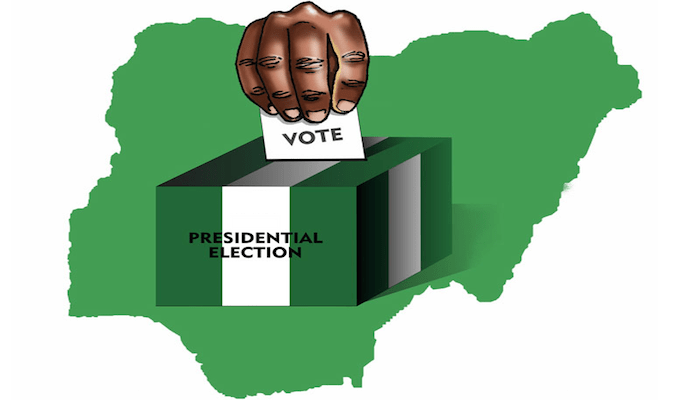
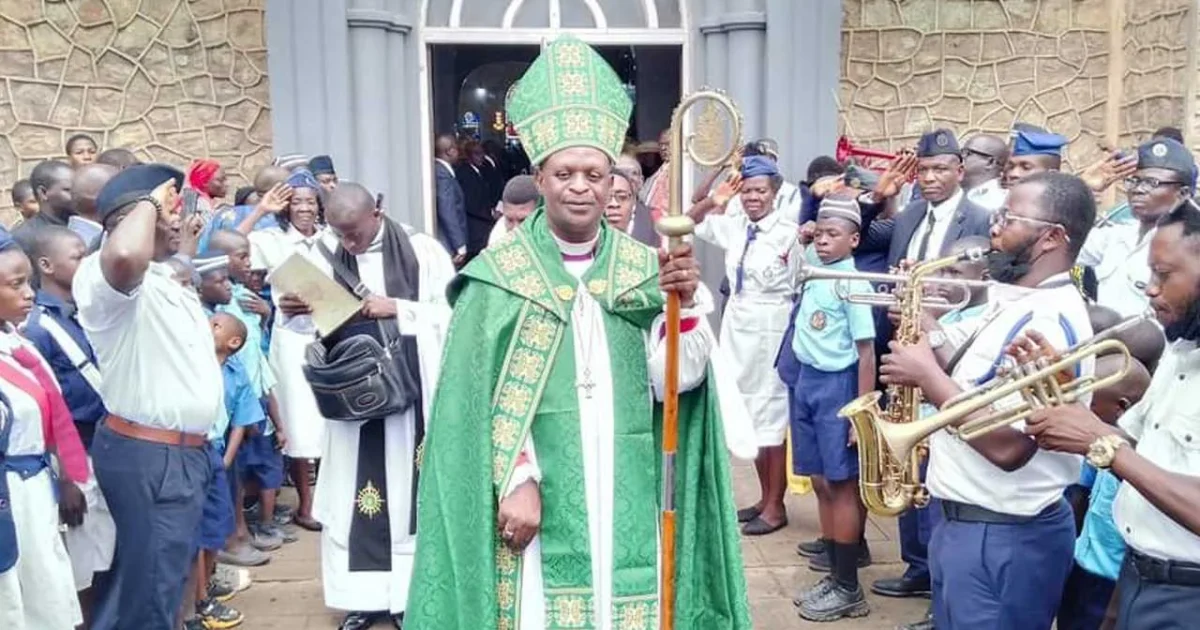
In answer to an interviewer’s question, Archbishop Desmond Tutu [1931-2021] once said, “Of course faith is a risk, but it is a risk that I cannot risk doing without.” The great Archbishop was talking about religious faith, but as the 2027 general and presidential elections loom on the horizon, Nigerians are expected to have faith in the laws, regulations, guidelines, institutions, processes, tech tools and personalities that will conduct those elections. Having faith in any one of them is a risk.
Having faith in the Electoral Act 2026 is a risk. Even though it was in the works for a long time, it was eventually passed without a requirement for electronic transmission of results, as stridently demanded by opposition parties and civil society groups. More curiously, a provision was later added to prevent courts from annulling an election due to age falsification or presentation of false academic credentials. Having faith in this Act is a risk but it is a risk that tens of thousands of election candidates all over the country cannot risk doing without, since it is the governing law of the elections.
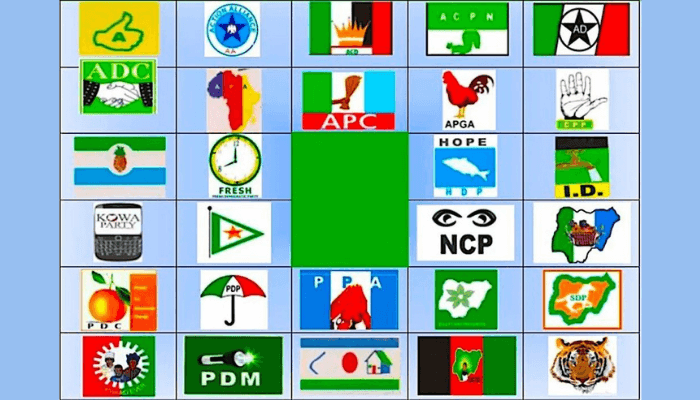
Having faith in INEC, which styles itself on the number plates of its numerous Prado jeeps as “Election Management Body”, is a risk. Its refusal to register new political parties even though some of them apparently satisfied the criteria for registration; its playing cat and mouse games with opposition parties and recognising party factions that are clearly not where most of the party members belong; and its rolling out a condensed election timetable, giving parties a very short duration to present their membership registers, which a court later annulled, all point to a risk of having faith in it.