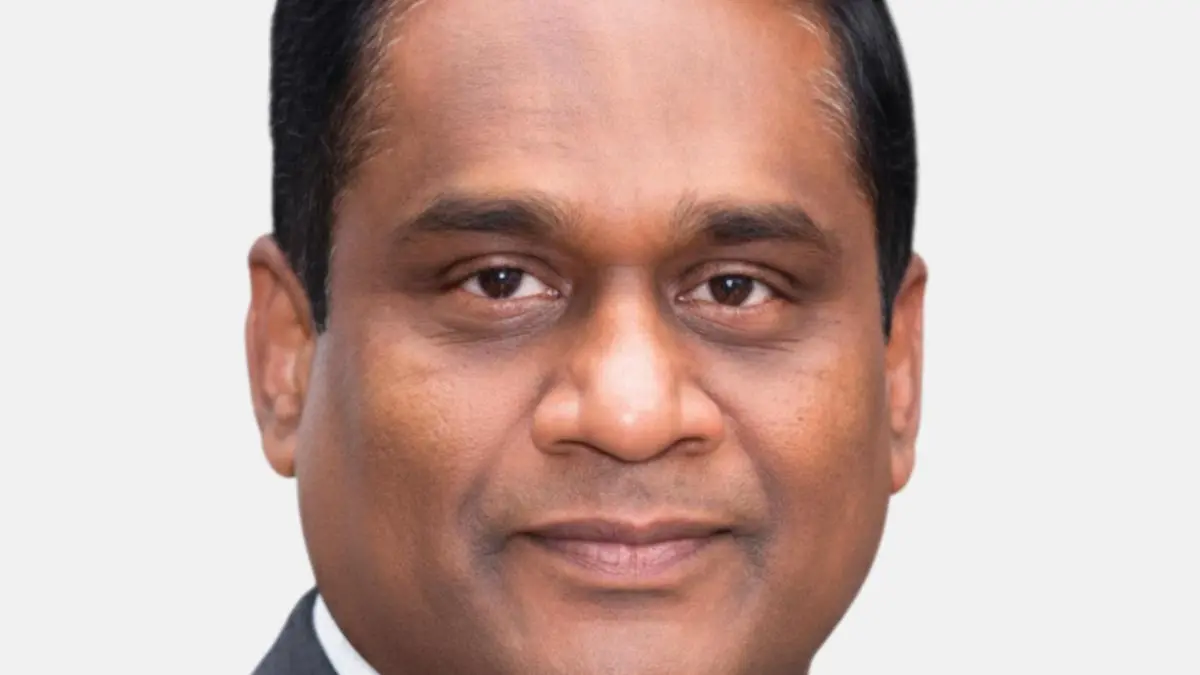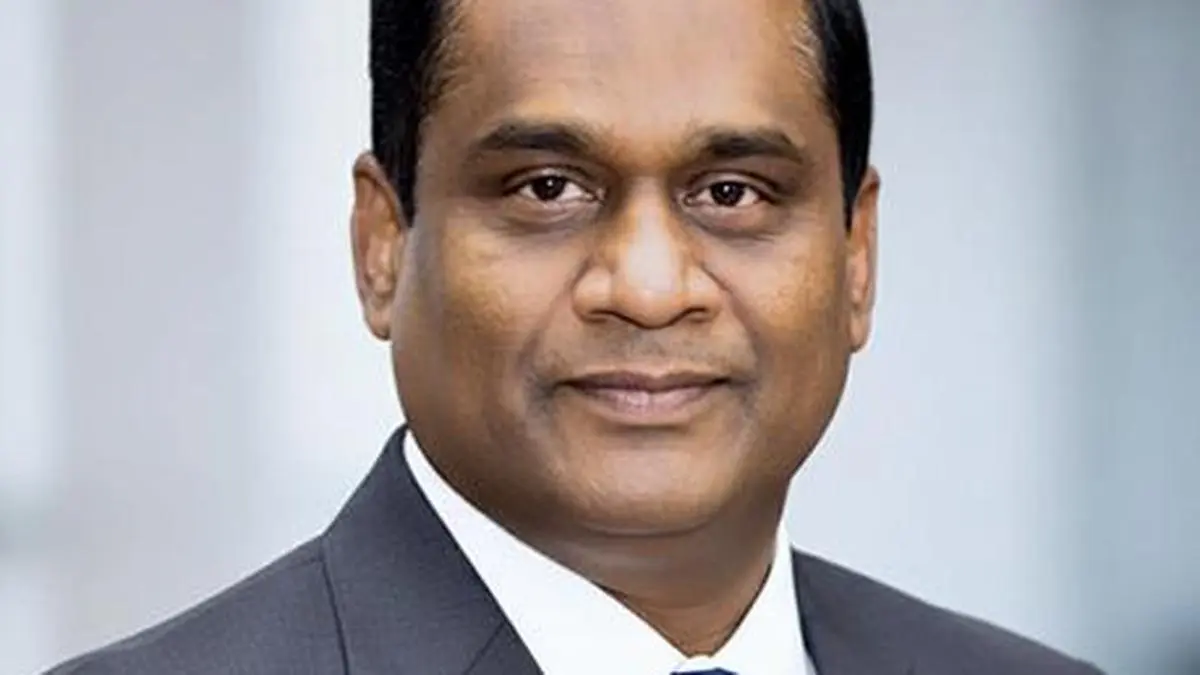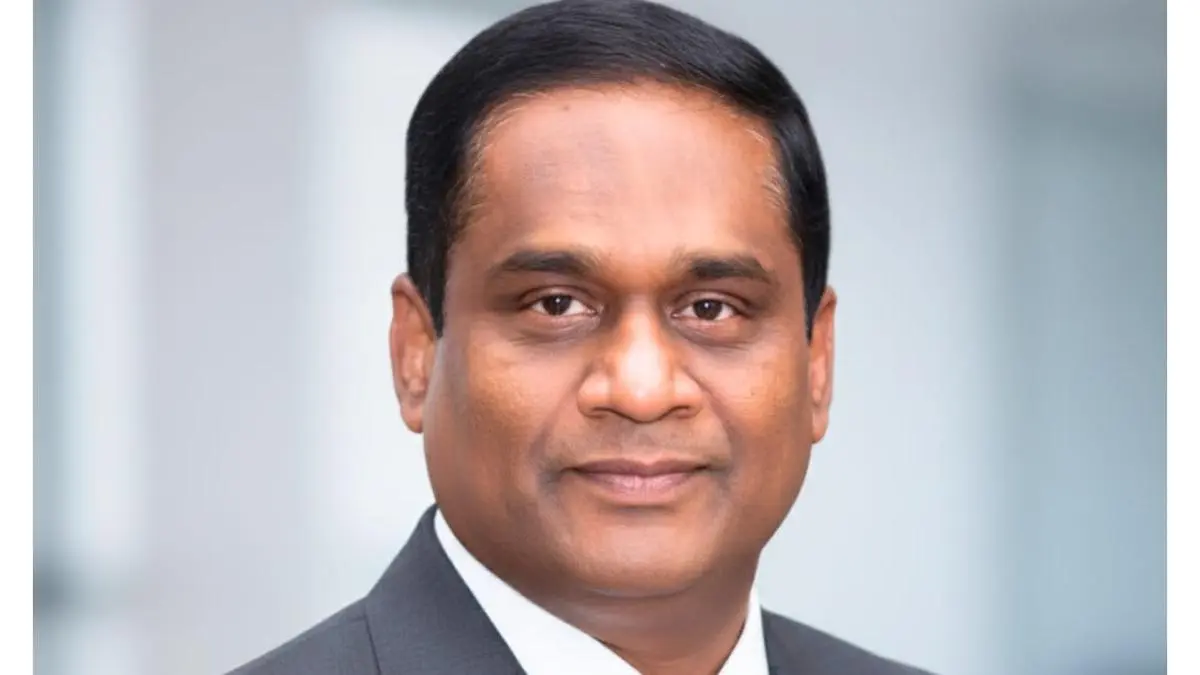
Mumbai Port Authority is charting a new course in India’s maritime waters by building a distinct and future-ready ecosystem, says its Chairperson, M Angamuthu.Instead of competing with container-focused Jawaharlal Nehru Port Authority (JNPA), he tells businessline that Mumbai port is positioning itself as a unique port-city gateway that blends cargo logistics, coastal connectivity, world-class cruise infrastructure, waterfront redevelopment, green initiatives and high-value services — all of it from its strategic location in the heart of India’s most globally connected commercial hub.
Mumbai port has historically lost cargo share to JNPA. What is the long-term strategy to remain commercially relevant?
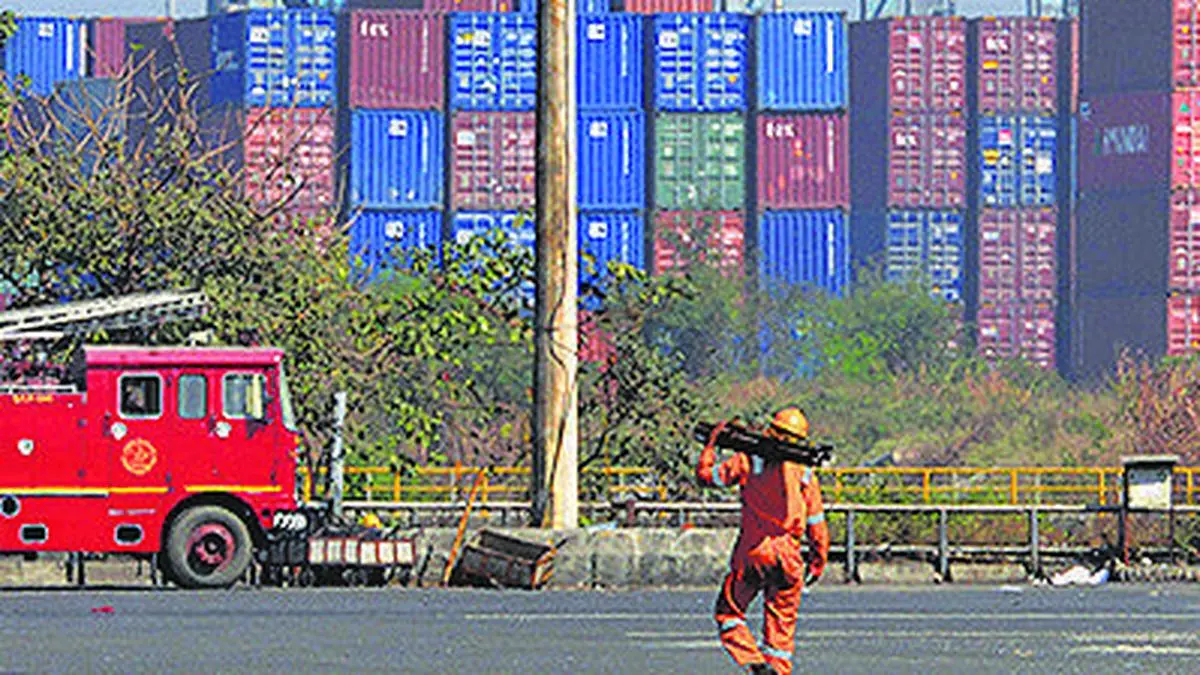
Mumbai Port Authority and JNPA are complementary national maritime assets, rather than rivals. Mumbai port has sharpened its focus on segments in which it holds clear leadership. Today, it is India’s leading liquid bulk cargo port, with 15.5 per cent national market share, and the largest handler of exim iron and steel cargo, at 35 per cent. It also has a strong presence in project cargo, automobile exports, bunkering, ship repair, coastal shipping and maritime services. The port is positioning itself as a specialised bulk, liquid and coastal shipping hub, aligned with India’s Maritime Vision 2047.