READ MORE: Drunk and abusive air passengers would be banned from flying under national 'blacklist' proposals being drawn up by ministers amid soaring 'air rage' attacks on plane crews and holidaymakersSee more Daily Mail on Google - save us as a Preferred SourceBy TIM ALDERSLADE, CEO OF AIRLINES UK Published: 01:01 BST, 1 June 2026 | Updated: 01:38 BST, 1 June 2026
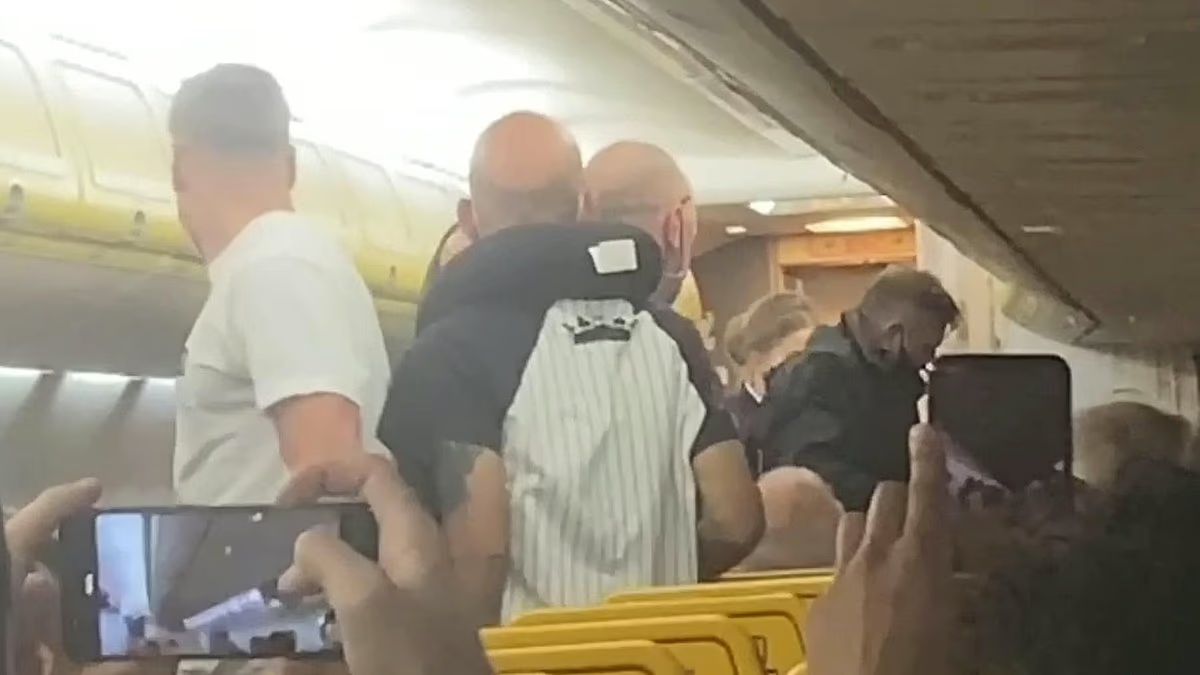
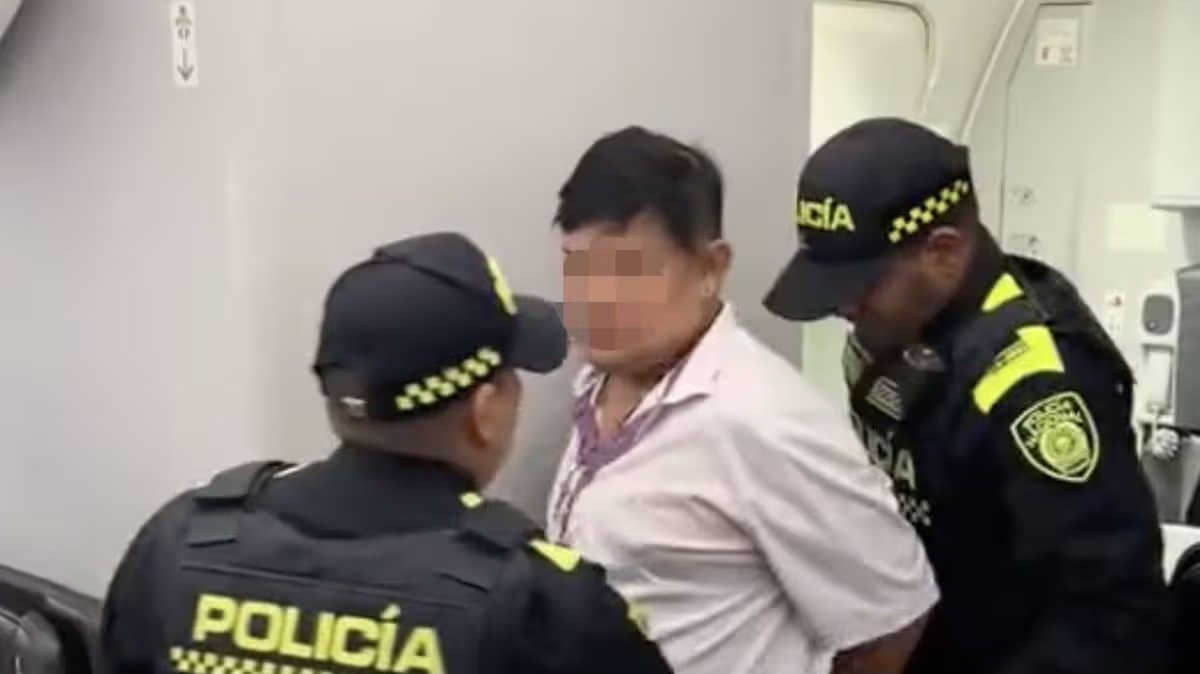
For the cabin crews facing danger and abuse, as well as the vast majority of fliers who simply want a safe, relaxing journey, a clampdown on shocking behaviour on passenger aircraft cannot come too soon.Stories of alcohol-fuelled disruptions have been commonplace in Britain for at least ten years.In February this year, a plane heading for Manchester from Turkey had to make an emergency landing in Brussels after two men began fighting in the aisle. The passengers were banned from the airline for life.Another flight from Luton to Alicante last September was forced to divert and radio ahead for police to meet the plane on the ground after a stag party turned violent.While incidents such as these are thankfully rare in the context of overall passenger numbers, airlines have reported a steady increase in cases of disorderly behaviour and, most concerningly, in their severity.In 2019, Civil Aviation Authority data found that airlines reported 390 serious cases of intoxicated, violent or unruly passengers that year. By 2023, that number had surged to well over 1,000. And last month Ryanair boss Michael O’Leary said his airline diverted, on average, nearly one flight a day due to bad behaviour, up from one a week ten years ago.That is why UK airlines support the plans for a national scheme that would allow them to share information on perpetrators of ‘air rage’ incidents and create a ‘blacklist’ that prevents them from flying.It’s intolerable that staff and fellow travellers are expected to put up with poor behaviour. But stopping it has always been difficult. Stories of alcohol-fuelled disruptions have been commonplace in Britain for at least ten years Last month Ryanair boss Michael O’Leary said his airline diverted, on average, nearly one flight a day due to bad behaviour, up from one a week ten years agoOperators have a zero-tolerance policy and enforce it. But most of the time disturbances don’t occur until the plane is airborne. Nor is it reasonable to ban alcohol on flights. Airlines don’t want to be obliged to impose killjoy regulations. The problem is not with having a holiday tipple – it’s the minority who think they can be rowdy or aggressive towards their fellow passengers without repercussions.There’s nothing wrong with wanting to have a drink at the airport or on the plane. Our holidays are special occasions, and it’s natural to want to have fun from the moment they begin.Everybody’s fun is ruined, though, when flights are disrupted. Violence in any setting is terrifying, but especially so at 36,000ft when there’s no way to get away from it.The price of diverting a flight or turning back to eject disruptive passengers is high, and airlines will attempt to recoup the costs by issuing fines against those responsible. Where necessary, they will pursue this through the courts. In some instances, this has resulted in custodial sentences. Airlines work closely with the police to pursue cases and support active investigations.Individual companies will also issue lifetime bans. And the whole industry, including airports and duty-free owners, have worked hard to raise awareness of the issue and the consequences for passengers if they break the law.But these measures together have not proved to be a sufficient deterrent.It’s not right or logical that a persistent troublemaker can be barred from one airline, yet go ahead and immediately make a booking on another.This formal scheme for sharing information across UK airlines is an obvious solution. This could be brought in without the need for new legislation. But we do need the support of government, because currently it is not possible for airlines to exchange data and work together.The concerns of civil liberties campaigners over data privacy is understandable, but the industry should now work with ministers on the details to ensure the scheme delivers the right solutions.The rights of a disruptive few should never be placed above those of the overwhelming majority of passengers, who behave calmly and respectfully at all times and look forward to their holidays away. Tim Alderslade is chief executive of Airlines UK, the industry body representing UK-registered air carriers.