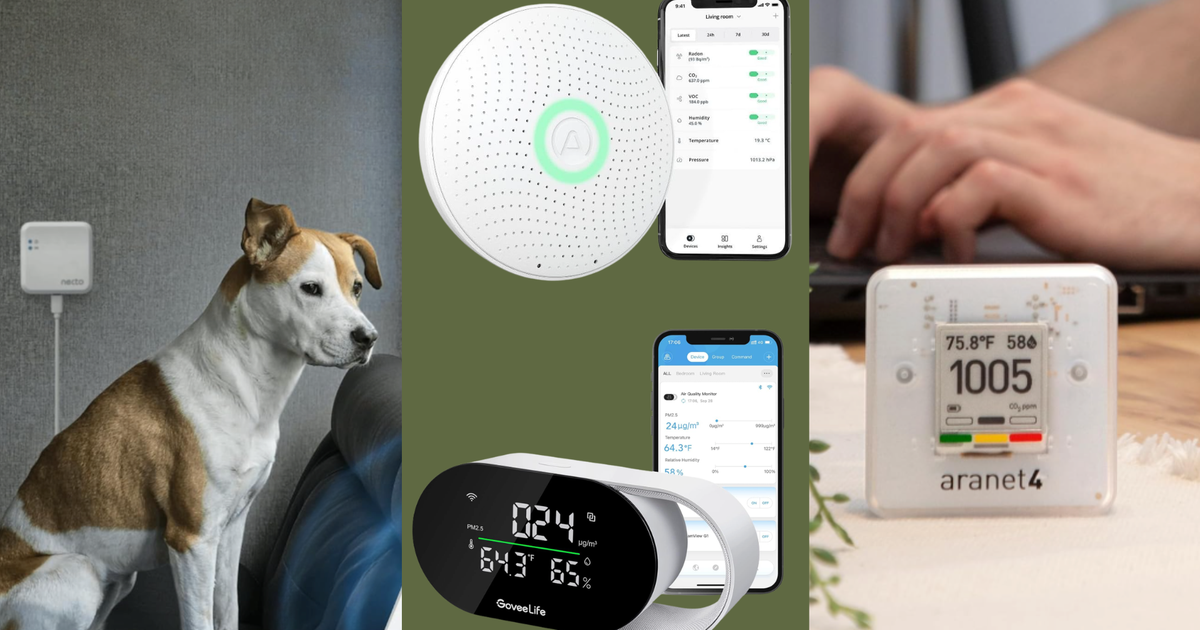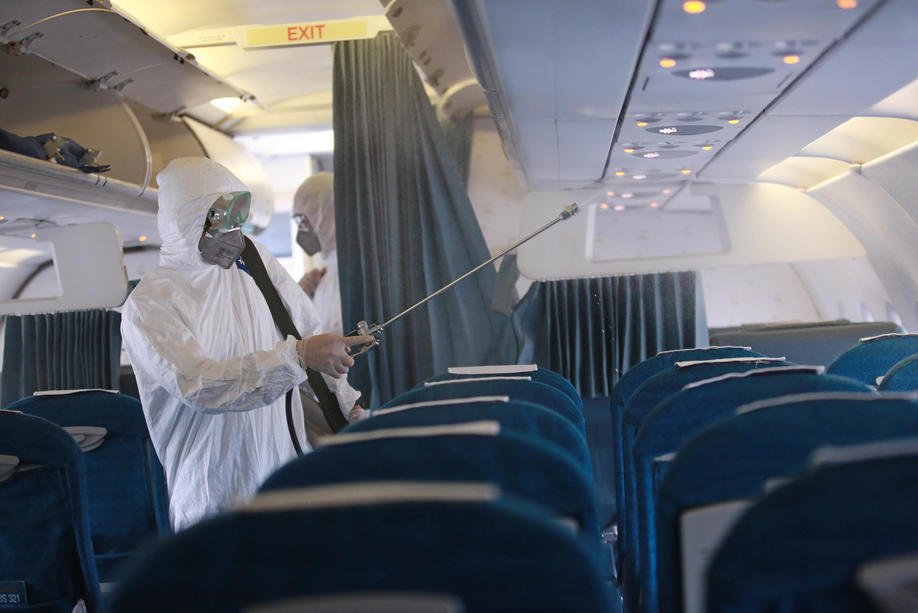
Healthcare facilities are meant to be sanctuaries of healing, but the very air inside of hospitals and clinics can pose hidden risks. Poor indoor air quality—from dust and pathogens to chemical pollutants contribute to infections, worsen chronic conditions, and threaten the health of both patients and frontline staff.
Traditional environmental and air monitoring methods have always relied on reactive systems: measuring after an incident occurs or conducting periodic checks that can and do leave dangerous gaps. In healthcare, every hour matters. The question is no longer “How do we measure air quality?” but “How do we identify risks in advance and prevent them from becoming a threat?” This is where artificial intelligence is transforming the game.
By combining sensor data with machine learning, AI-driven platforms can track patterns that are invisible to the human eye. Instead of simply reporting today’s carbon dioxide or particulate levels, these systems learn to forecast risks: identifying when a ward is likely to experience a spike in airborne pathogens, or when cleaning chemicals might accumulate beyond safe thresholds.
“Healthcare is moving into a predictive era.” “It’s no longer enough to measure and react. AI gives us the ability to predict risks, prevent incidents, and ultimately protect lives—all in real time. That’s the shift that will define the next decade of healthcare safety.”