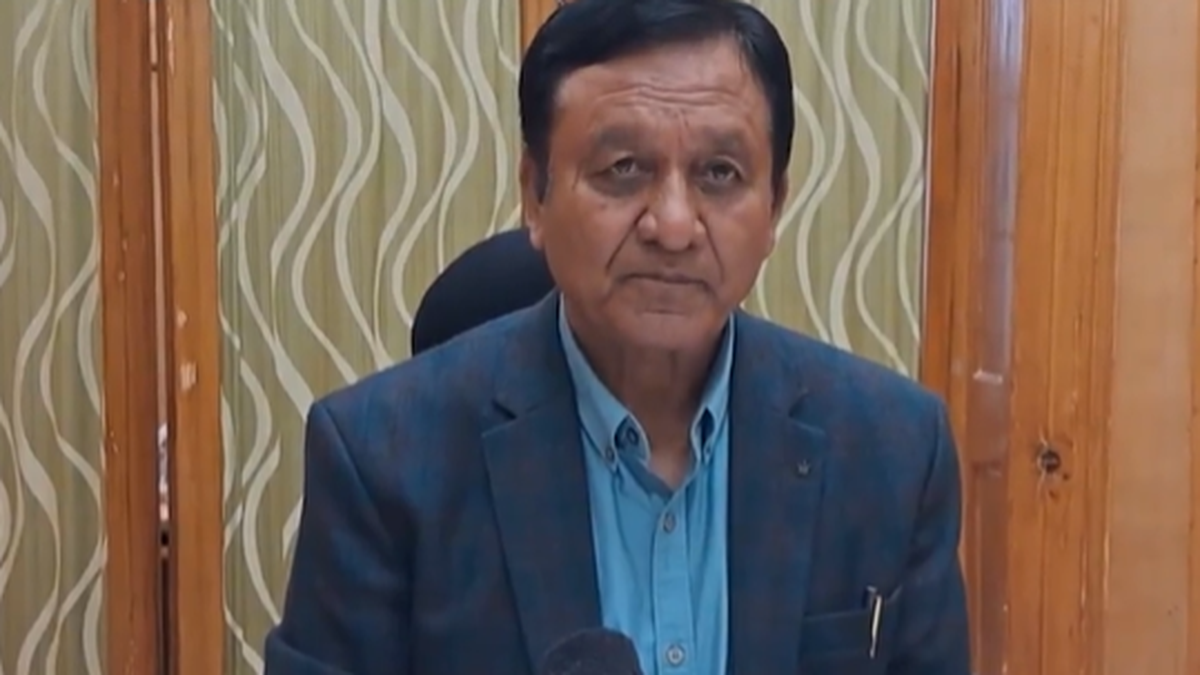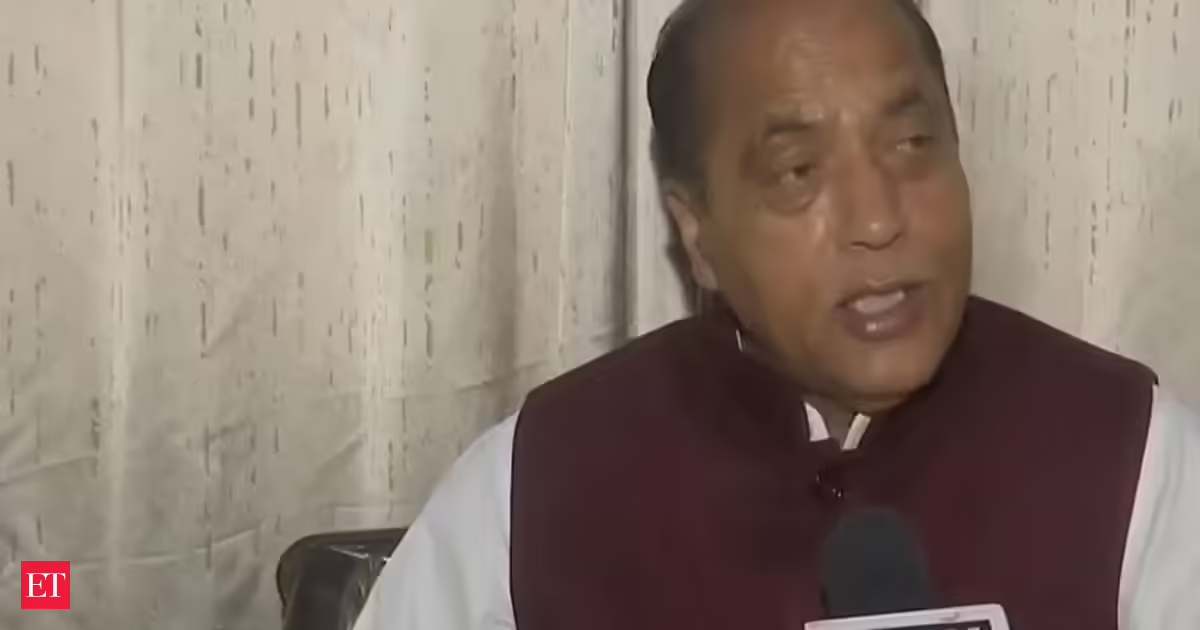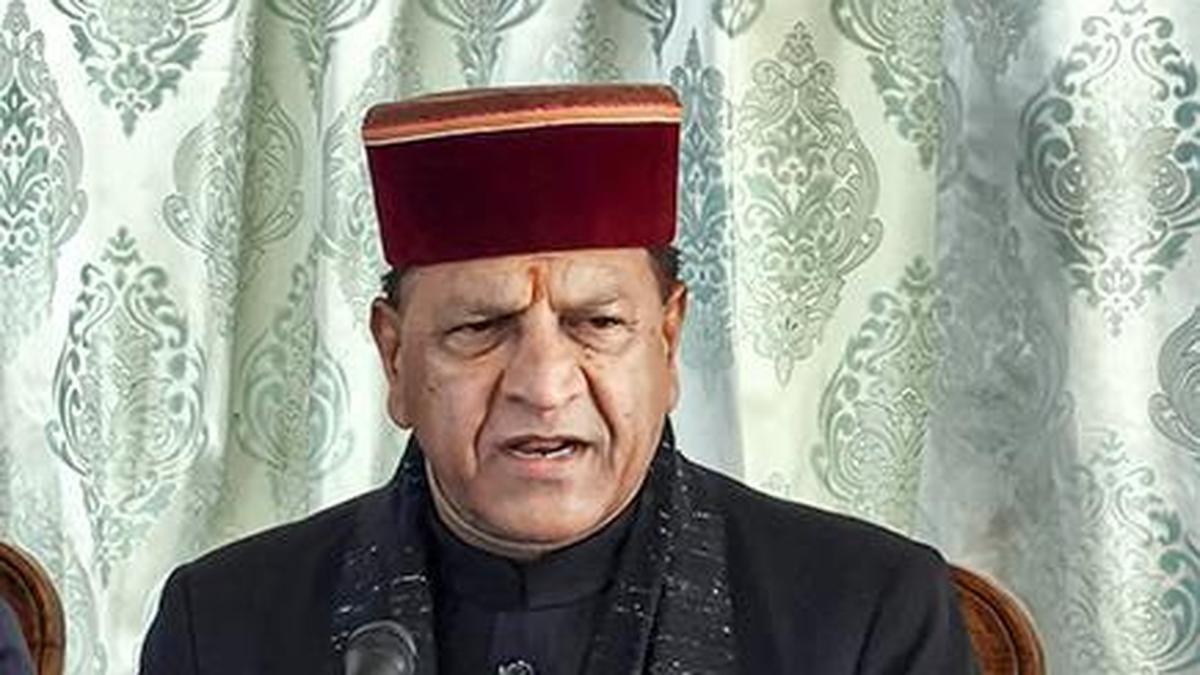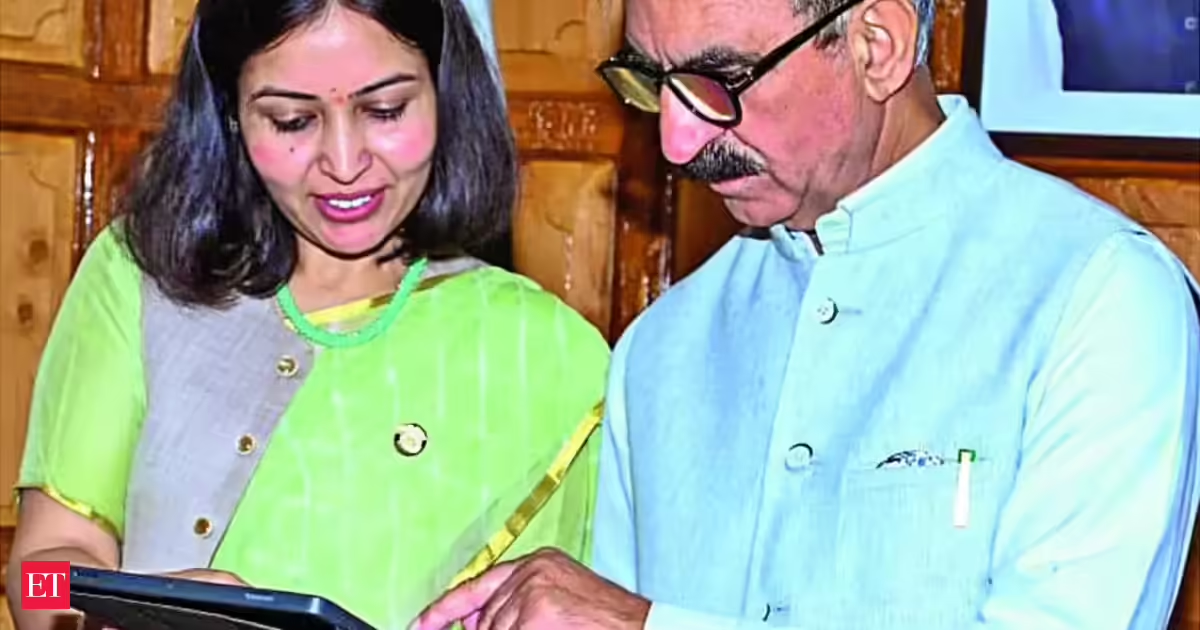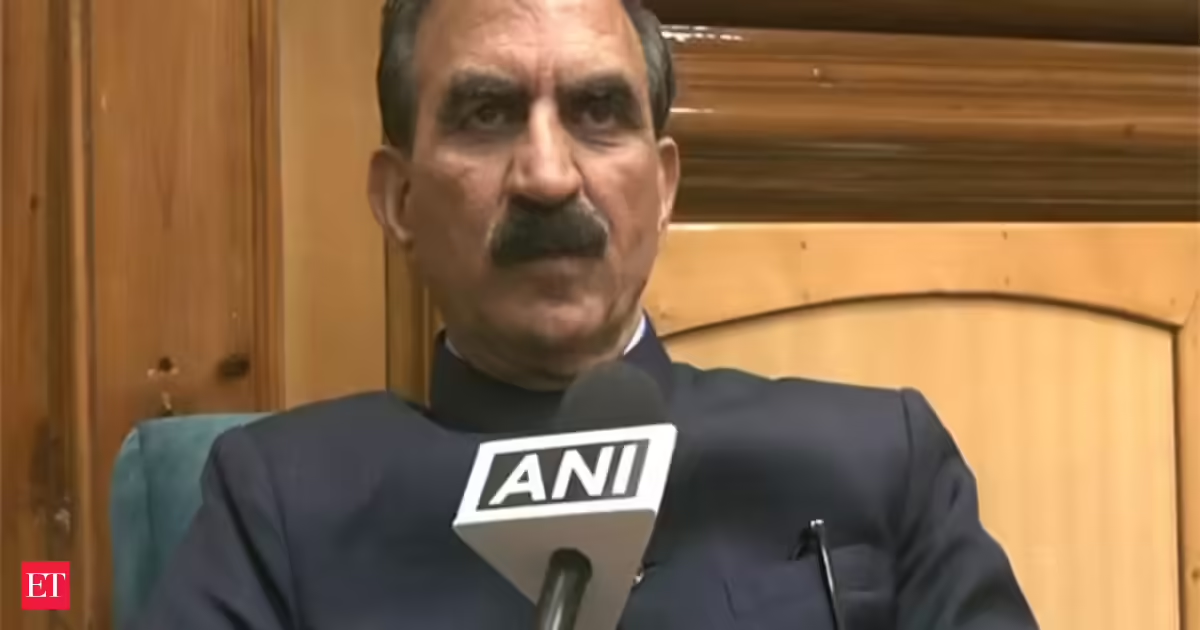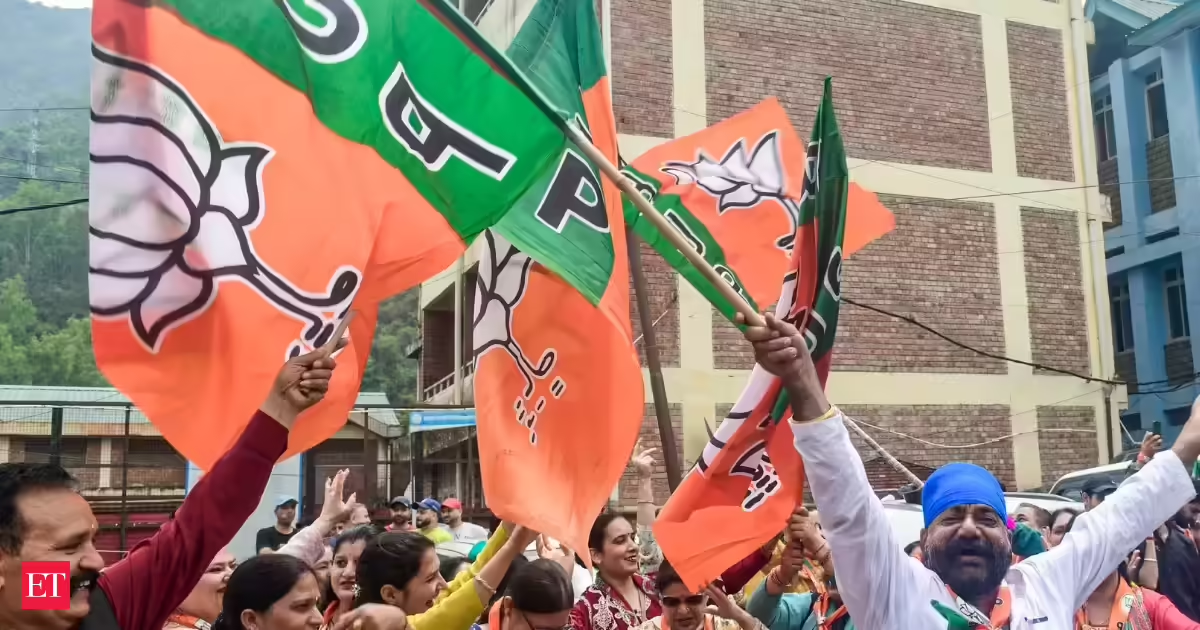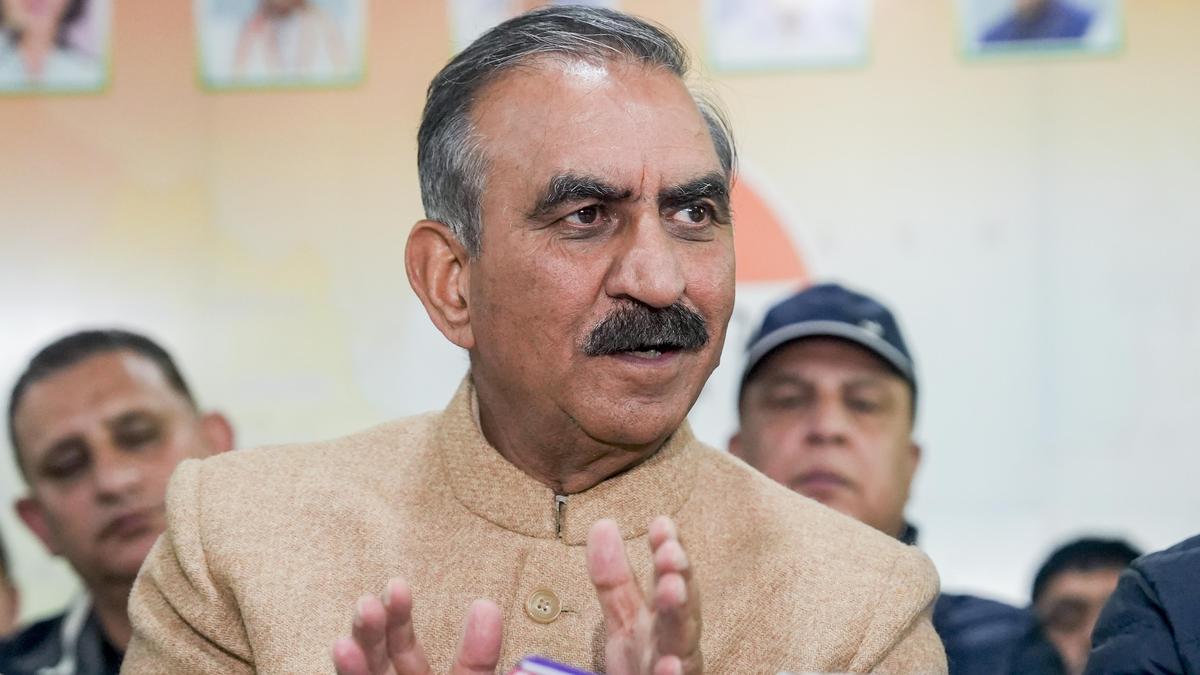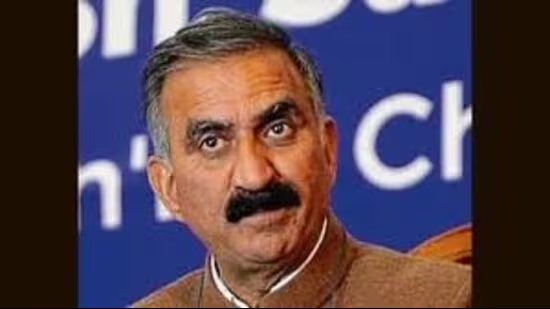
Chief minister Sukhvinder Singh Sukhu on Sunday said local body elections cannot be directly equated with state-level electoral contests.Himachal chief minister SukhvinderSingh Sukhu (File)Addressing a press conference in Shimla on Sunday after results, Sukhu said, “The local body elections are often influenced by local issues, personalities and neighbourhood-level factors rather than broader political trends.”He noted that councillor elections are distinct from assembly or parliamentary polls and are heavily shaped by individual candidates’ local standing.Questioning BJP’s celebration of victory in the Mandi Municipal Corporation, Sukhu said, “The outcome in Mandi reflected the influence of local leaders, especially MLA Anil Sharma, rather than a personal victory for leader of Opposition Jai Ram Thakur.”Sukhu added, “The BJP’s performance in Solan does not imply that the party has received a mandate across the entire state”. Taking a jibe at BJP, he said, “BJP is rife with various factions, with each faction vying to claim credit for its own respective victories”.CM asserted that the Congress had emerged as the leading party by winning 29 out of 53 municipal corporation, municipal council and nagar panchayat contests across the state.“BJP’s attempts to portray the results as a mandate against the Congress government were “misleading” and not supported by the actual figures. Out of 53 urban local body elections, Congress has won 29, BJP has won 21 and three bodies have returned a hung verdict. These are the facts. BJP’s claims of a major victory are not based on reality,” the CM said.
Local body polls can’t be directly equated with state-level electoral contests: Himachal CM
He noted that councillor elections are distinct from assembly or parliamentary polls and are heavily shaped by individual candidates’ local standing
TL;DRAI
Himachal Pradesh CM Sukhu declared Congress the leading party with 29 wins out of 53 urban local body contests against BJP's 21, rejecting opposition claims of a state-wide mandate. Local body results reflect neighbourhood-level factors and individual candidates' standing, not a broader political signal on the sitting government's performance.
245 words~1 min read