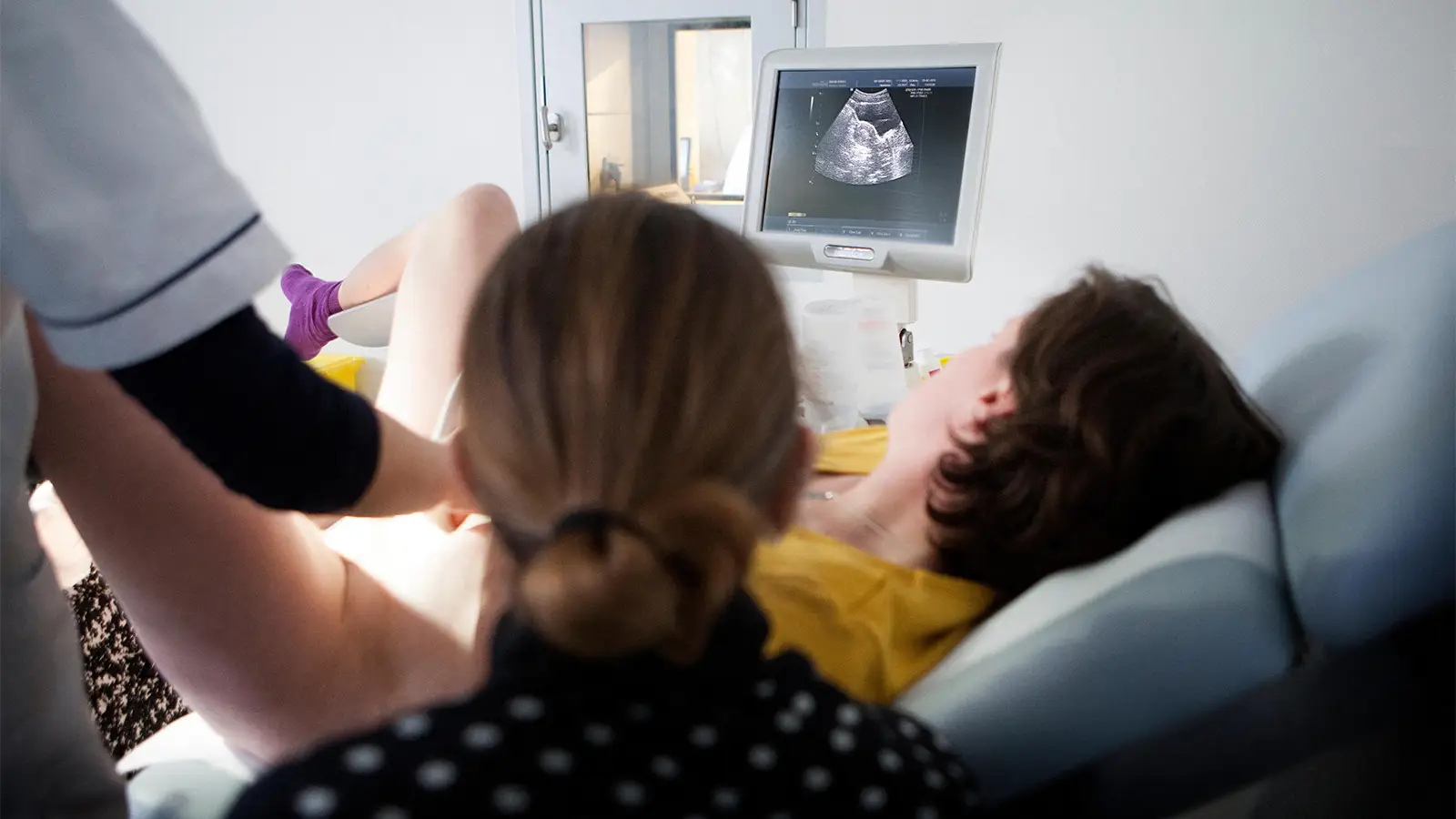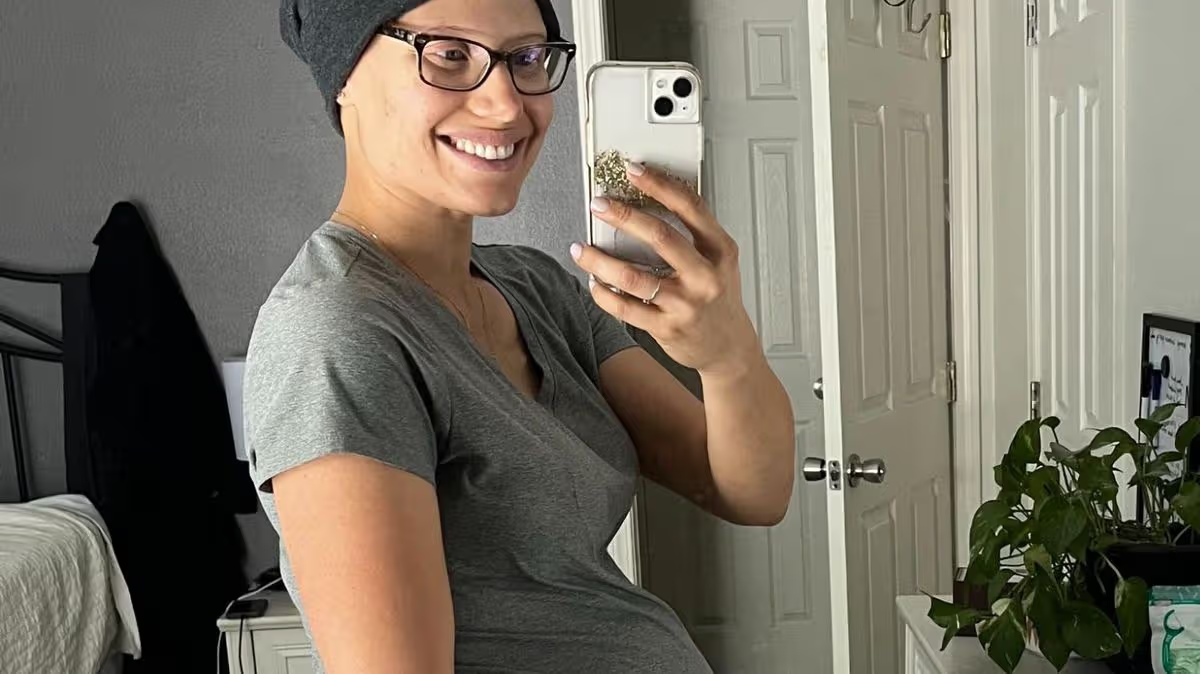
Rebecca Oh was just days away from embryo implantation when her doctor spotted a tiny polyp in her uterus during a routine ultrasound in her in-vitro fertilisation journey. It was removed and sent for biopsy.A few days later, a nurse called asking her to come into the clinic urgently. She and her husband assumed something had gone wrong with the embryos. Instead, Oh was told she had Stage One endometrial cancer, also known as uterine or womb cancer.“Cancer came in like a wrecking ball,” said Oh, of the 2020 diagnosis. “We went from comfortable to chaos.” She was then 32.Because she already had embryos stored, her doctors offered fertility-sparing treatment in the hope of controlling the cancer while preserving her chance of pregnancy.That marked the start of a two-year marathon of medication, scans and repeated dilation and curettage procedures, as well as side effects like sleeplessness, lethargy and gaining 25kg. Through it all, Oh, a counsellor, kept working – full-time at first, then part-time as treatment intensified.HOPES FOR A FUTURE PREGNANCY DASHEDEventually, doctors told her nothing was working. She would need a radical hysterectomy – removal of the uterus, cervix and surrounding tissues; nearby lymph nodes may also be removed.Her reaction was a mixture of devastation and relief. The treatment had taken a heavy physical and emotional toll, she said, so part of her felt relieved that the prolonged uncertainty would finally end.At the same time, the surgery brought a painful sense of finality, as it meant accepting that she would no longer be able to get pregnant.
She lost her womb to cancer at 32 – now she helps younger people with cancer navigate recovery and work
Diagnosed with endometrial cancer, Rebecca Oh thought the hardest part would be treatment. But surviving the disease was only part of it – navigating life as a young cancer patient was harder, a gap she now fills through Strong Olive, the community she founded.
1,619 words~7 min read