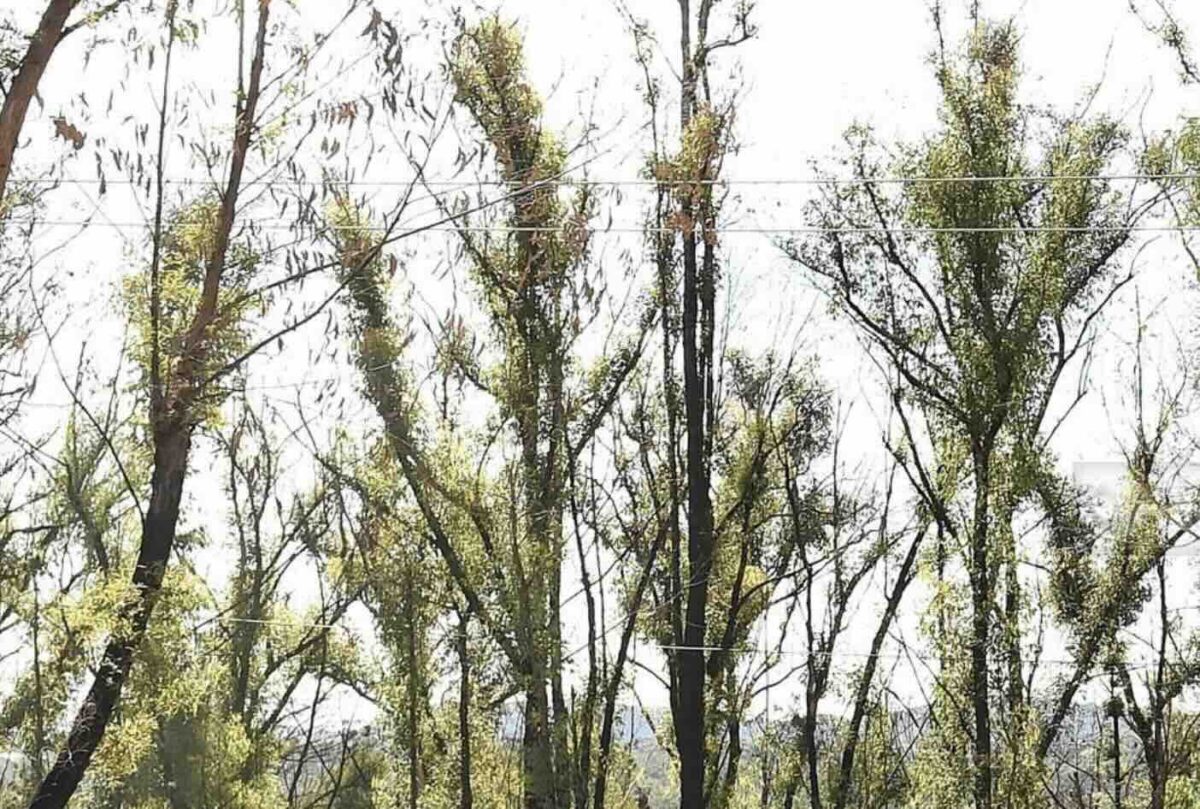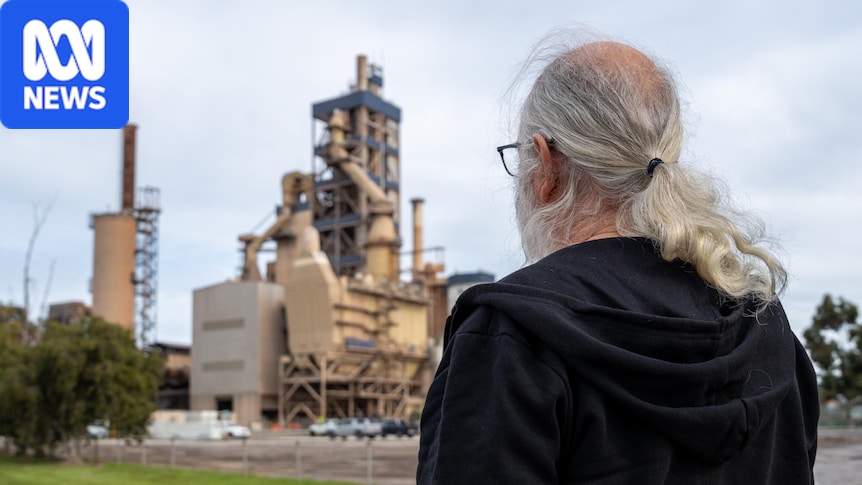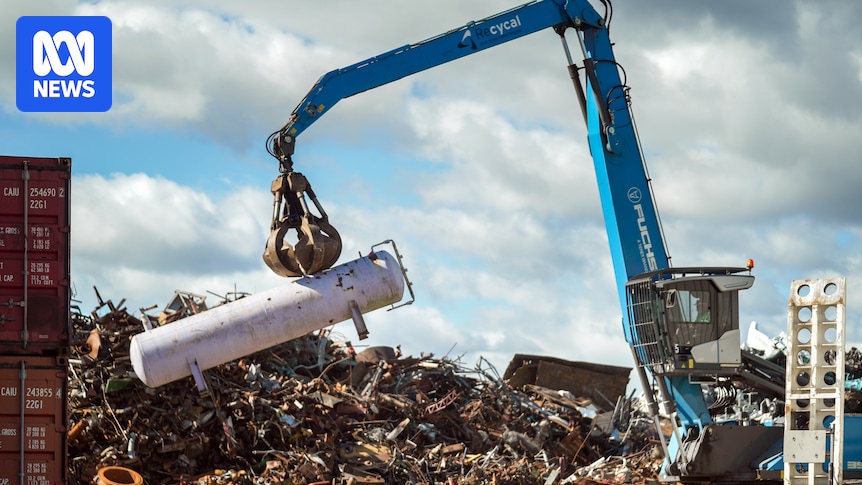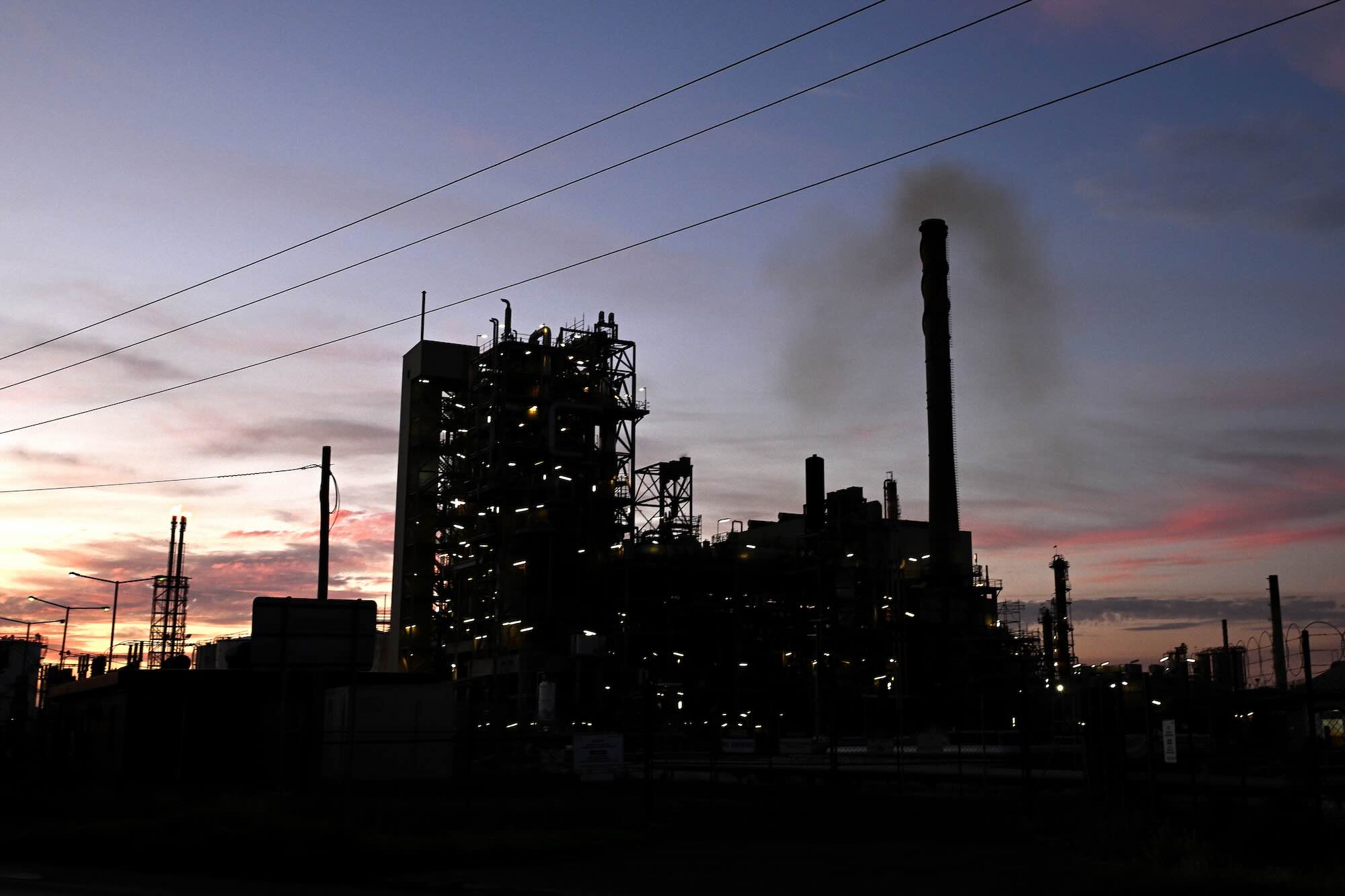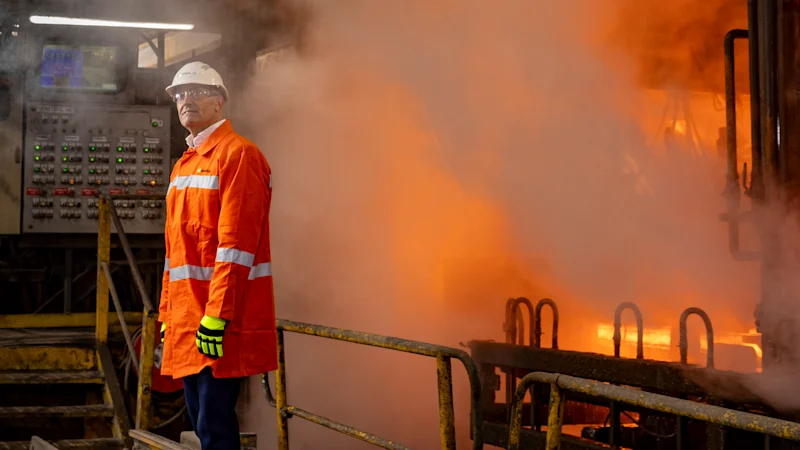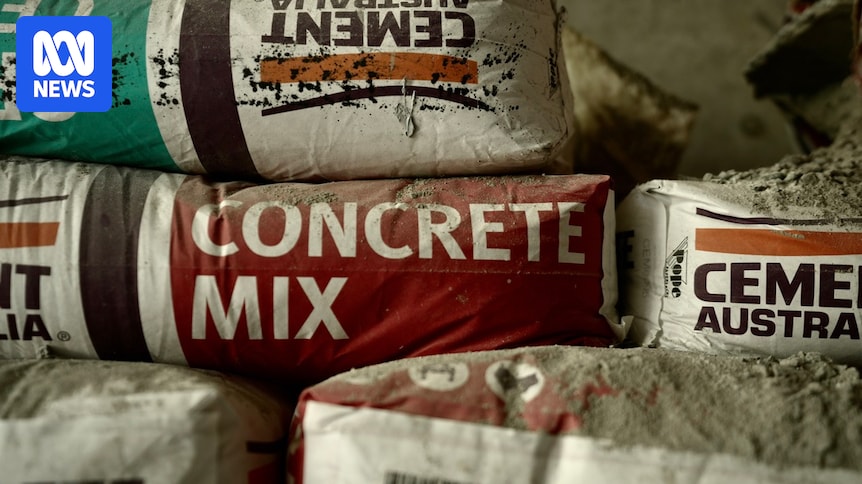
One of the largest cement manufacturing sites in Australia has temporarily shut operations as it upgrades its coal-fired kiln to accept alternative fuel sources such as used tyres and "sustainable" wood waste.Cement Australia's Railton plant, in north-west Tasmania, will stop production for an estimated 45 days to allow for the $108 million works as the company moves to reduce its reliance on fossil fuels.The company — which produces 1.4 million tonnes of finished cement annually — says the project is key to its decarbonisation efforts, but conservationists question whether the proposed wood waste would be sourced from plantation timber or native logging.Cement Australia's Railton plant is one of the biggest cement manufacturing sites in the country. (ABC News: John Gunn)Opponents of the partially federally funded project say the move to wood chips could increase harmful emissions.In 2024, Cement Australia's chief executive Rob Davies said alternative fuels would make up 35 per cent of the plant's fuel use, with wood chips making up 30 per cent and used tyres 5 per cent.The company started using alternative fuels in 2008, and they now account for 15 per cent of its fuel use.Cement Australia is a major part of the country's construction materials industry. (ABC News: Maren Preuss)Approval with strict conditions over emissionsThe Railton kiln has operated for more than a century. It opened in 1922 and employs an estimated 130 people.In 2024, the federal government announced $53 million in funding for the kiln's Alternate Fuels Project as part of the $330 million Powering the Regions Fund. The funding package will help nine major heavy industrial manufacturers decarbonise.Cement Australia has not said whether the biomass would be sourced from plantations or native forest harvesting. (ABC News: Tony King)By switching to alternative fuels, Cement Australia expects to reduce coal use by 111,000 tonnes a year, and reduce carbon dioxide by 105,000 tonnes over the same period.Last month, Tasmania's Environment Protection Authority (EPA) gave the project the green light, but with strict conditions."The board determined that while the proposal would deliver an overall reduction in greenhouse gas emissions and dust generated at the site, further action is required in relation to existing nitrogen dioxide emissions," the EPA said in a statement.Conditions imposed relate to air pollutant emissions, noise from site operations and vehicle movements.Cement Australia produces 1.4 million tonnes of finished cement annually. (ABC News: John Gunn)Alternative fuel use to reach 50 per centTasmania generates nearly 5,000 tonnes of used tyres each year from cars, buses and small trucks, while logging creates 1-2 million tonnes of biomass, according to Cement Australia.Biomass waste can include forest residue, fire-affected trees, smaller limbs and defective wood.Biomass can include fire-affected trees. (Supplied: The Tree Projects)"As the process and the kiln was designed specifically for coal, we need to change that so that effectively it breathes easier," Cement Australia chief executive Rob Davies said in 2024, while standing alongside Energy Minister Chris Bowen."We'll invest a significant amount of money in the process itself; replacing fans, enlarging the particular process equipment so that it can easily uptake the 50 per cent of alternate fuels we'll be using in the future."The Railton kiln has a shutdown period every two years for maintenance and upgrades.It is expected that after this year's shutdown between May and July, Cement Australia will start operating with the new fuels.Used tyres will also be able to be used in the upgraded kiln. (ABC News: Michael Franchi)'Pretty sure' timber will be native forestsOpposition to the planned decarbonisation upgrade has emerged since the 2024 federal funding announcement.Greens senator Nick McKim called for the grant to be rescinded, saying the logging of native forests could increase emissions, while the Bob Brown Foundation staged a protest outside the plant.Nick McKim says the plant's need for wood waste "will create new domestic demand for a product that destroys climate and nature". (ABC News: Luke Bowden)Senator McKim said the Railton upgrade was a misuse of funding and the move to wood chips — potentially from native forests — would lock in high emissions activity."This is an embarrassing climate blunder by Minister Bowen that will lock in higher emissions and the ongoing destruction of Tasmania's precious native forests," he said."Global markets for native forest woodchips are in decline. This funding is yet another subsidy for Tasmania's mendicant native forest logging industry that will create new domestic demand for a product that destroys climate and nature."Railton cement should immediately rule out burning Tasmania's native forests or be prepared to face significant damage to its reputation and brand."Tasmanian Conservation Trust chief executive Peter McGlone said there had been a lack of transparency over where the wood waste would be sourced from.Peter McGlone says there's been a lack of public consultation. (ABC News: Ebony ten Broeke)"To this day, they've not told people exactly where that wood was coming from, but we're pretty sure it's going to be native forests and Tasmanian timbers," he said."If they need a very large amount of wood, and they will, isn't that going to then drive logging and potentially increase the rate of logging in order to be able to sustain the flow of wood that they require?"Mr McGlone also said there should have been community consultation, given the use of taxpayer funds."This is just a show of bad faith from the company that they don't seem to want to talk to the community who own these forests and [will] help subsidise their development," he said."If they went the [plantation] path, we would be into a very exciting conversation about what could be a positive step forward, but we're not."Cement Australia has not answered questions about where the wood waste will come from. (Pixabay)Cement Australia declined to answer the ABC's questions about where the wood would be sourced from.In its notice of intent to the EPA, the company stated its need for wood waste would not drive an increase in forestry harvest activity. It said the residue would be sourced "from a mix of certified sustainably managed forest types, including plantation and regrowth eucalypts".Region welcomes investmentKentish Council Mayor Kate Haberle welcomed the investment in the region, saying the upgrades guaranteed the plant's continued operation."They're going to use the facility that they've got to do the upgrades because it's a perfect position for them; they've got the railway line there, the infrastructure is all there. It's just a matter of doing the upgrades," Councillor Harbele said.Kentish Council approved the company's planning application at a special meeting earlier this month. (ABC News: Sandy Powell)The planning application for the project was approved by all Kentish councillors at a special council meeting on May 4."They've really done their homework. We've been having meetings with them since the beginning of last year," Cr Haberle said of Cement Australia."From an environmental point of view, from climate change and traffic management, noise management and any sort of pollution, those details have been dealt with very, very carefully."
Could native forests be part of Cement Australia's 'sustainable' fuel option?
Used tyres and wood waste will soon help to power a large cement manufacturing site in Tasmania as Cement Australia moves away from coal to alternative fuels, but some remain concerned the environmental benefit may be offset if the wood waste is sourced from logged native forests.
1,147 words~5 min read