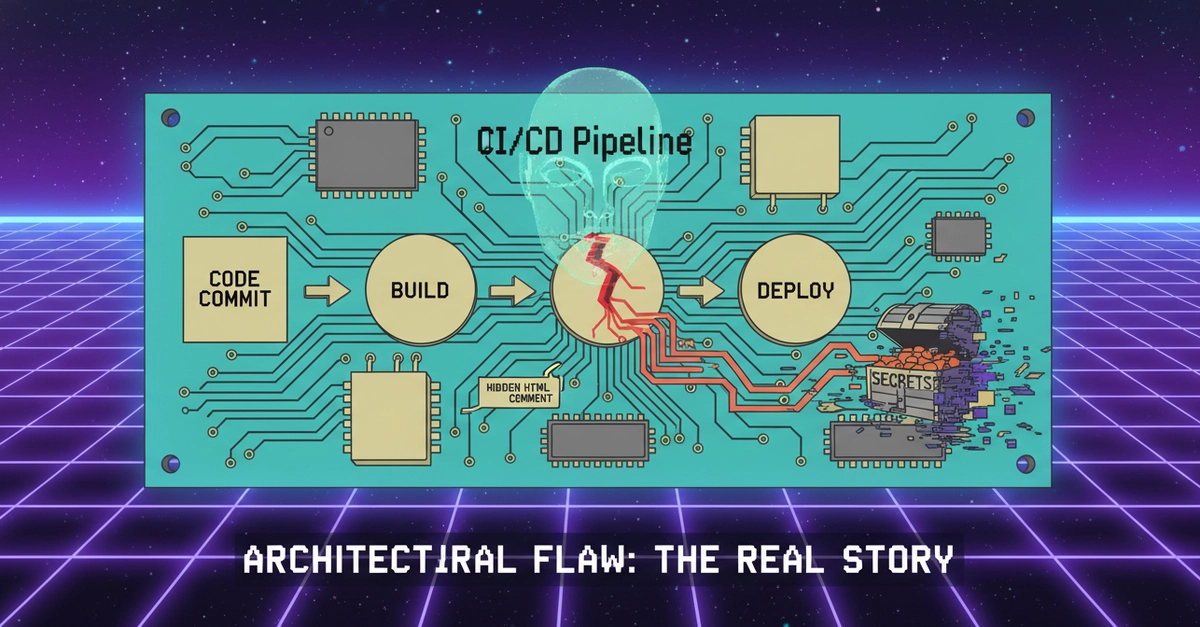
Been thinking about writing this one for a while. Supply chain attacks against CI/CD pipelines have been picking up pace over the past two years and the March 2025 tj-actions incident was the one that finally made me sit down and document everything properly. This is how I think about hardening GitHub Actions pipelines and what I actually do in practice. Original is on my blog but happy to have the conversation here too.
On a regular Tuesday morning, your engineering team pushes code, the pipeline runs like it always does, and somewhere in those automated logs, your AWS access keys, your GitHub tokens, your RSA private keys, are being quietly printed out and collected by someone you have never met. You are not notified. No alarm goes off. GitHub does not send an email. Your pipeline shows green.
That is not a hypothetical. That is exactly what happened to over 23,000 teams in March 2025.
I have spent years working at the intersection of software engineering and security, where pipelines were moving over a billion dollars in monetary transactions, and more recently building Nexloy, a self-hosted deployment platform where I had to make every security decision from scratch. What I am about to share is the pattern I have watched attackers exploit again and again, the mistakes I have seen brilliant teams make, and the seven specific things that actually work when you need to lock down a GitHub Actions pipeline.