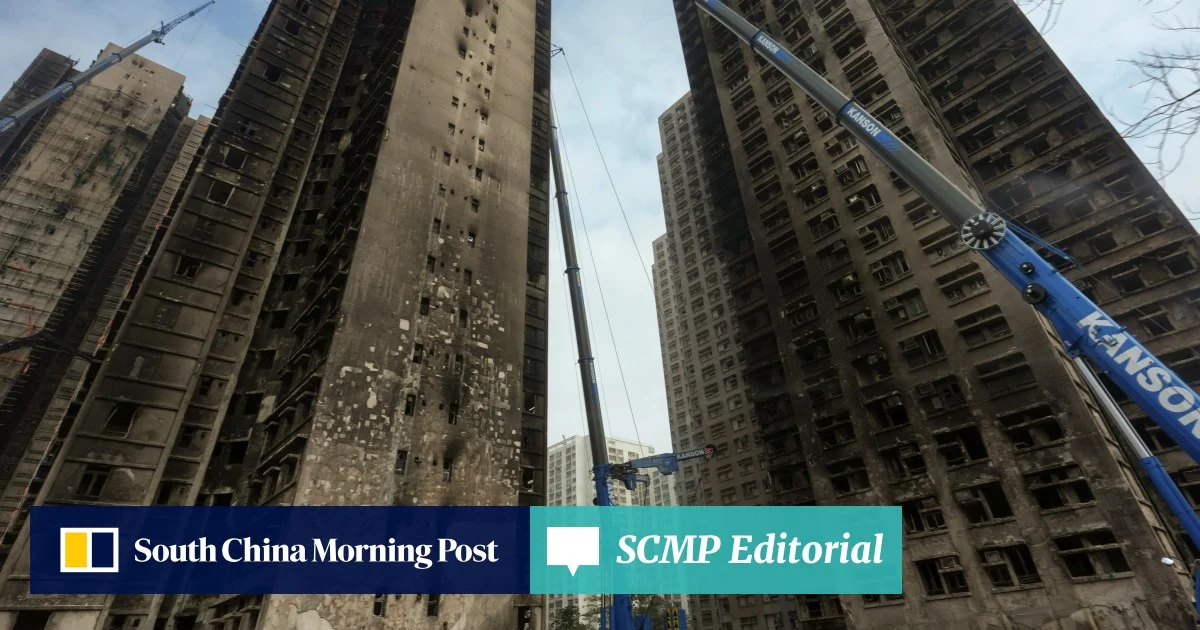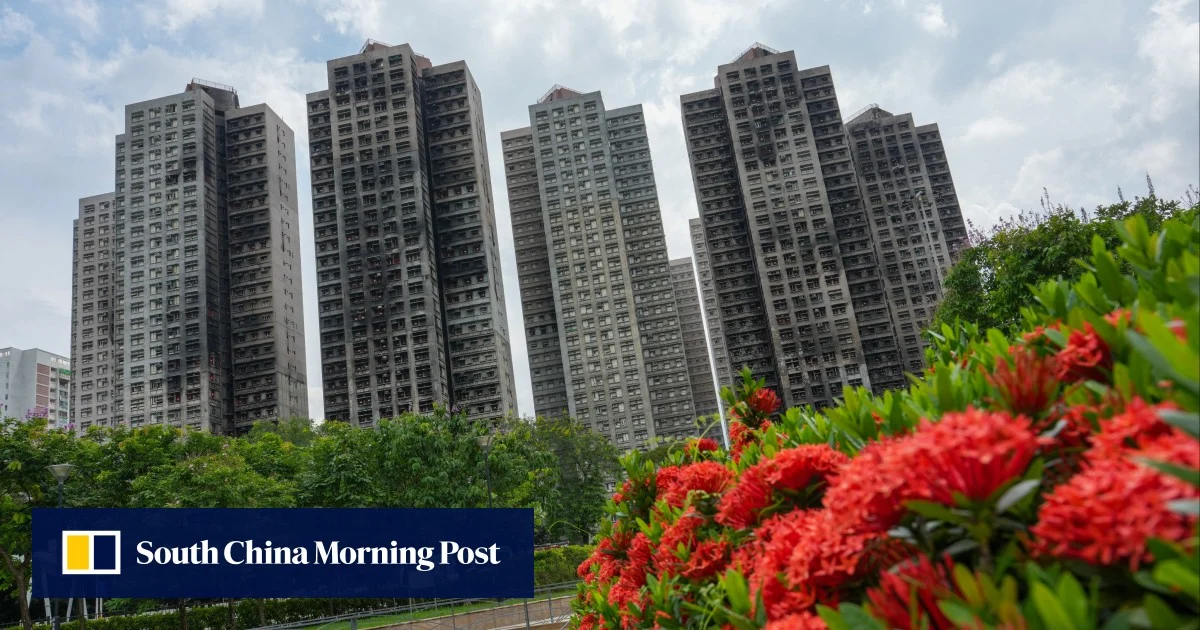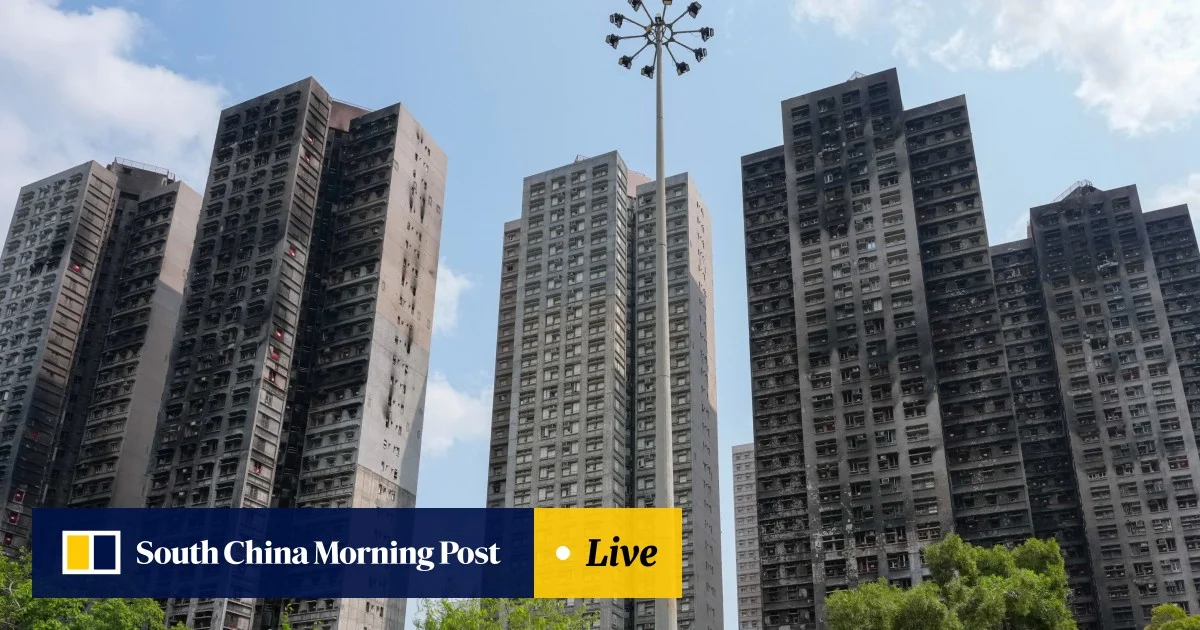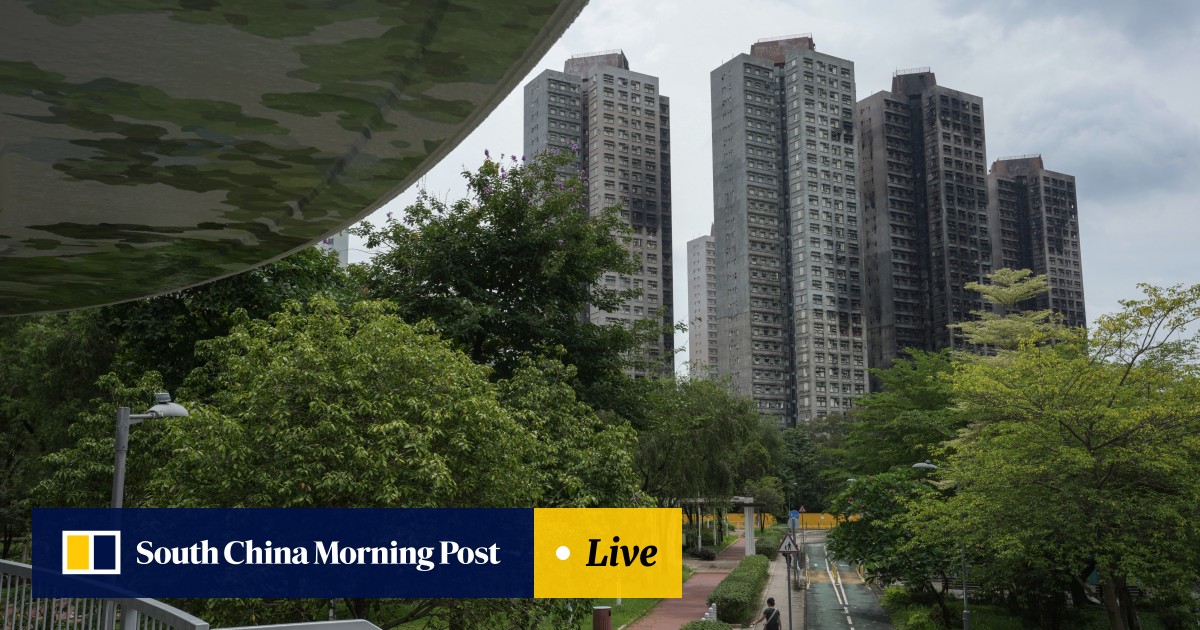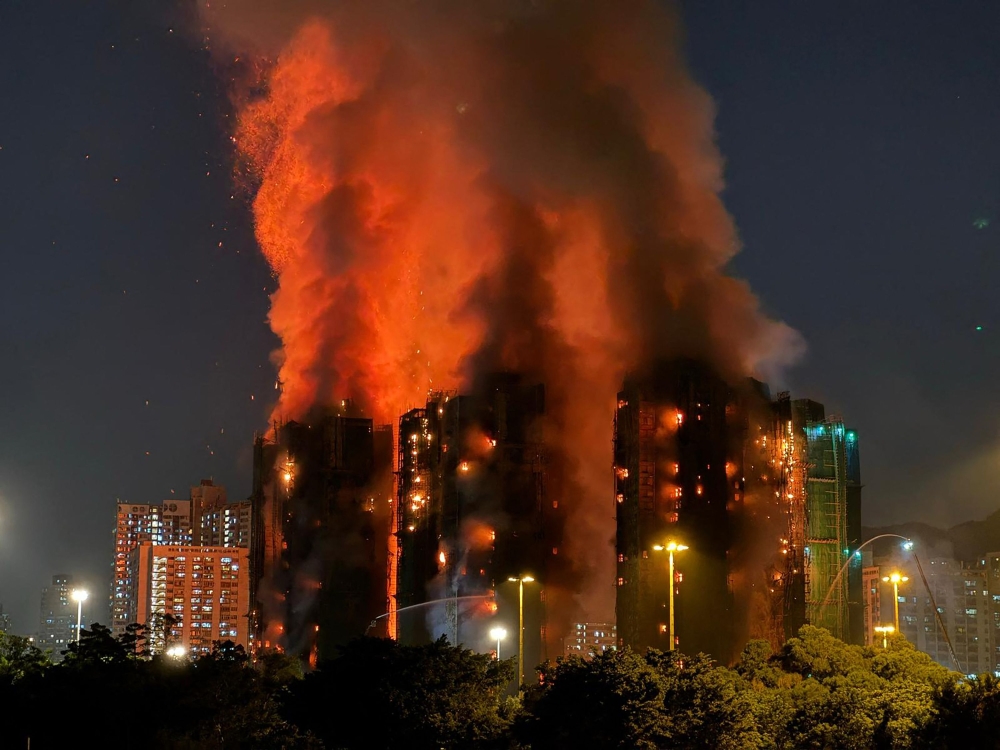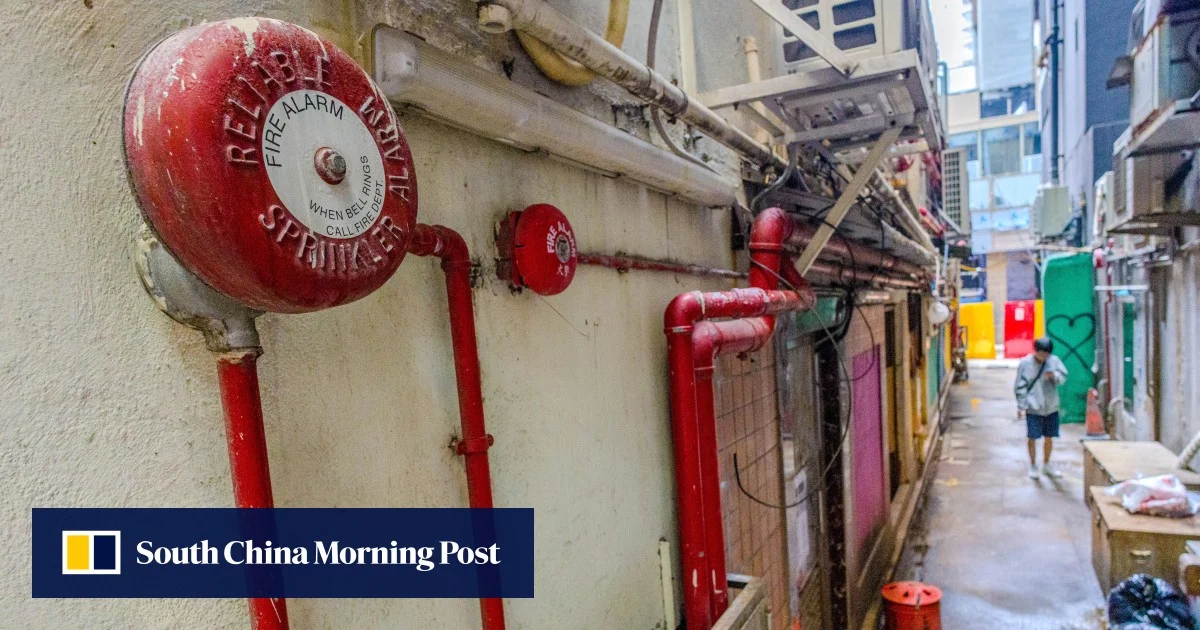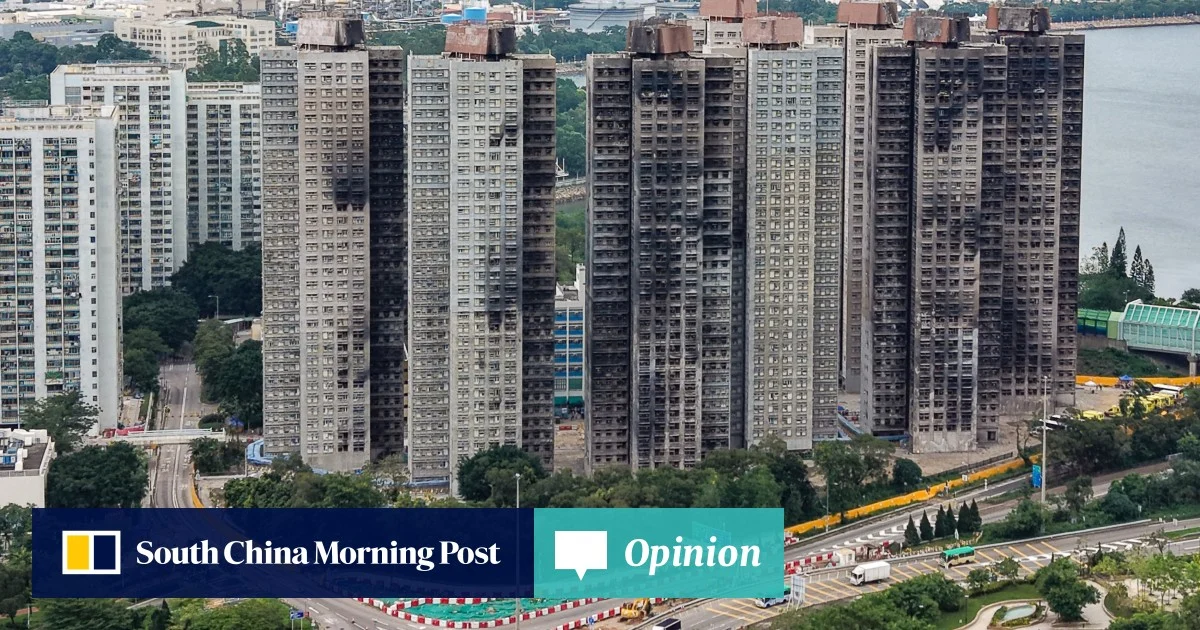
Hong Kong simply has not developed the right mindset with respect to fire safety. Unless prompt, effective action is taken, we could be looking at more tragedies like the Wang Fuk Court disaster in Tai Po.The numbers are stark and overwhelming, yet the context from which they have been derived is even more frightening. In January and February this year, the Fire Services Department inspected some 1,500 residential and mixed-use buildings planned at least 39 years ago. The exercise resulted in 2,500 fire hazard abatement notices being issued and 75 prosecutions with 1,200 summonses.Some buildings had skipped routine annual maintenance checks. Specifically, 53 buildings had fire alarms with safety issues, and another 53 had defects in hosepipe and reel systems. No fewer than 18 had both.These numbers would have been bad enough if they had arisen in the same months in 2025. Instead, they came just weeks after the Wang Fuk Court fire last November, which resulted in 168 deaths and around 5,000 residents being rendered homeless.Despite having seen those appalling figures and watched the flames light up the night sky, the management organisations in over 80 buildings couldn’t even bring themselves to fix the fire alarms and fire hosepipes. What were they thinking?How many more such cases are out there waiting to be found? The Wang Fuk Court case did not occur in a vacuum. In 2024, a fire in New Lucky House in Yau Ma Tei killed five people.
Opinion | On fire safety, Hong Kong needs a mindset change
The hearings of the committee looking into the Tai Po fire and the Fire Services Department’s inspections show there is much room for improvement.
TL;DRAI
After Wang Fuk Court (168 deaths, Nov 2025), Hong Kong's inspections of 1,500 buildings issued 2,500 hazard notices — yet 80+ managers still hadn't fixed fire alarms or hosepipes. Systemic non-compliance post-disaster signals a governance culture failure: reactive enforcement cycles cannot substitute for proactive safety compliance programs.
241 words~1 min read