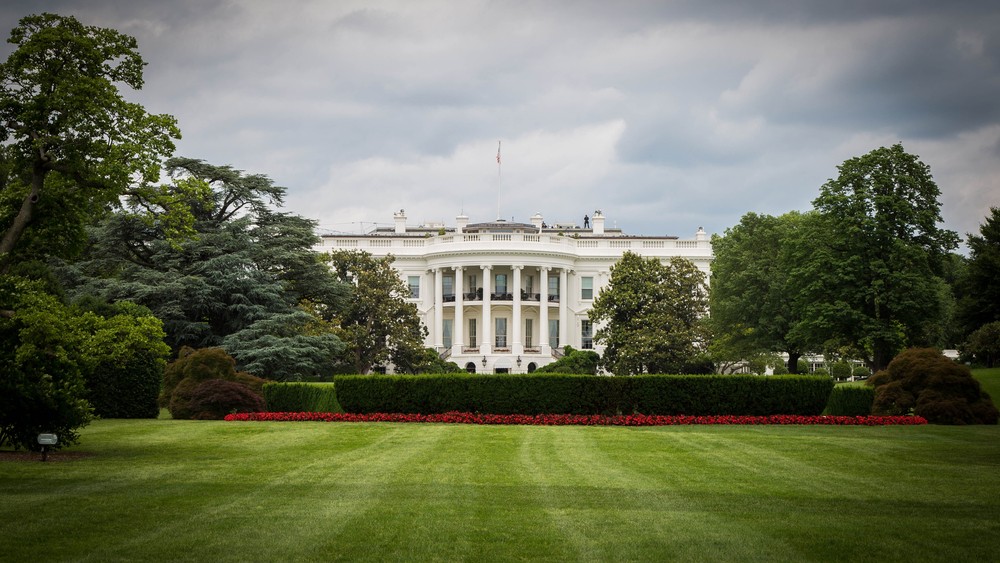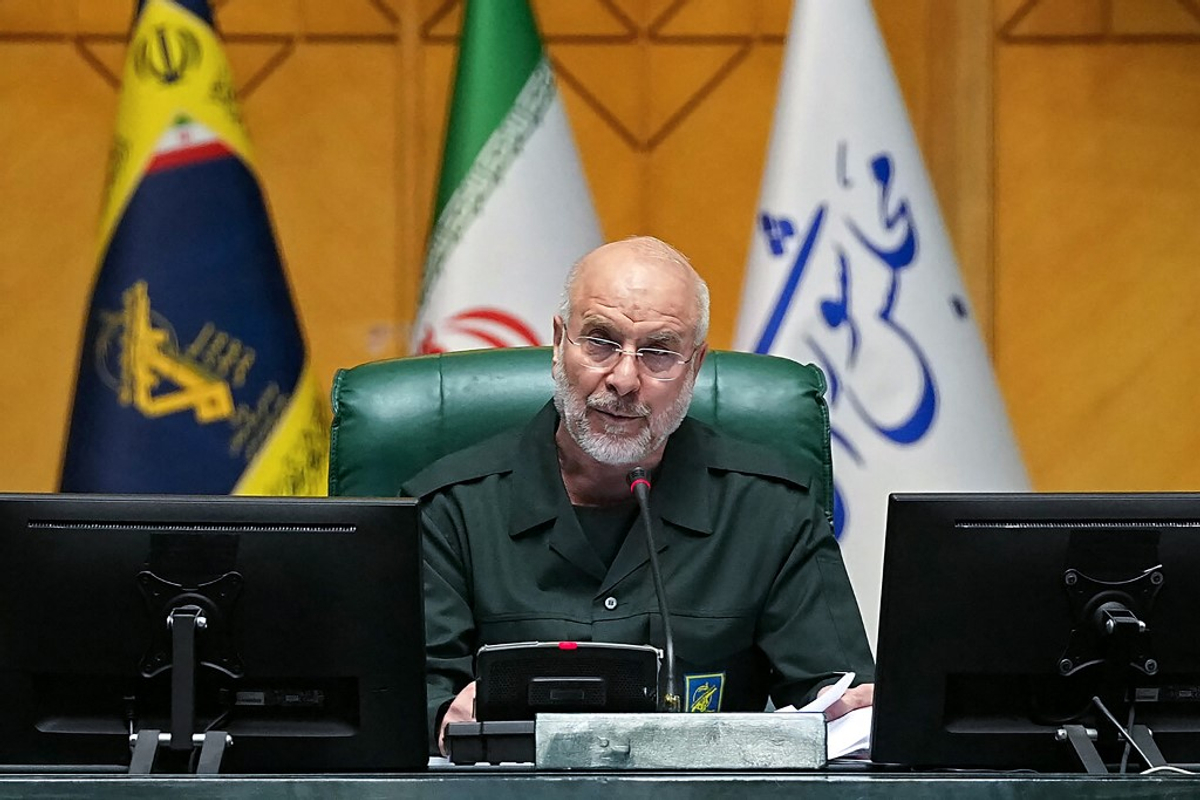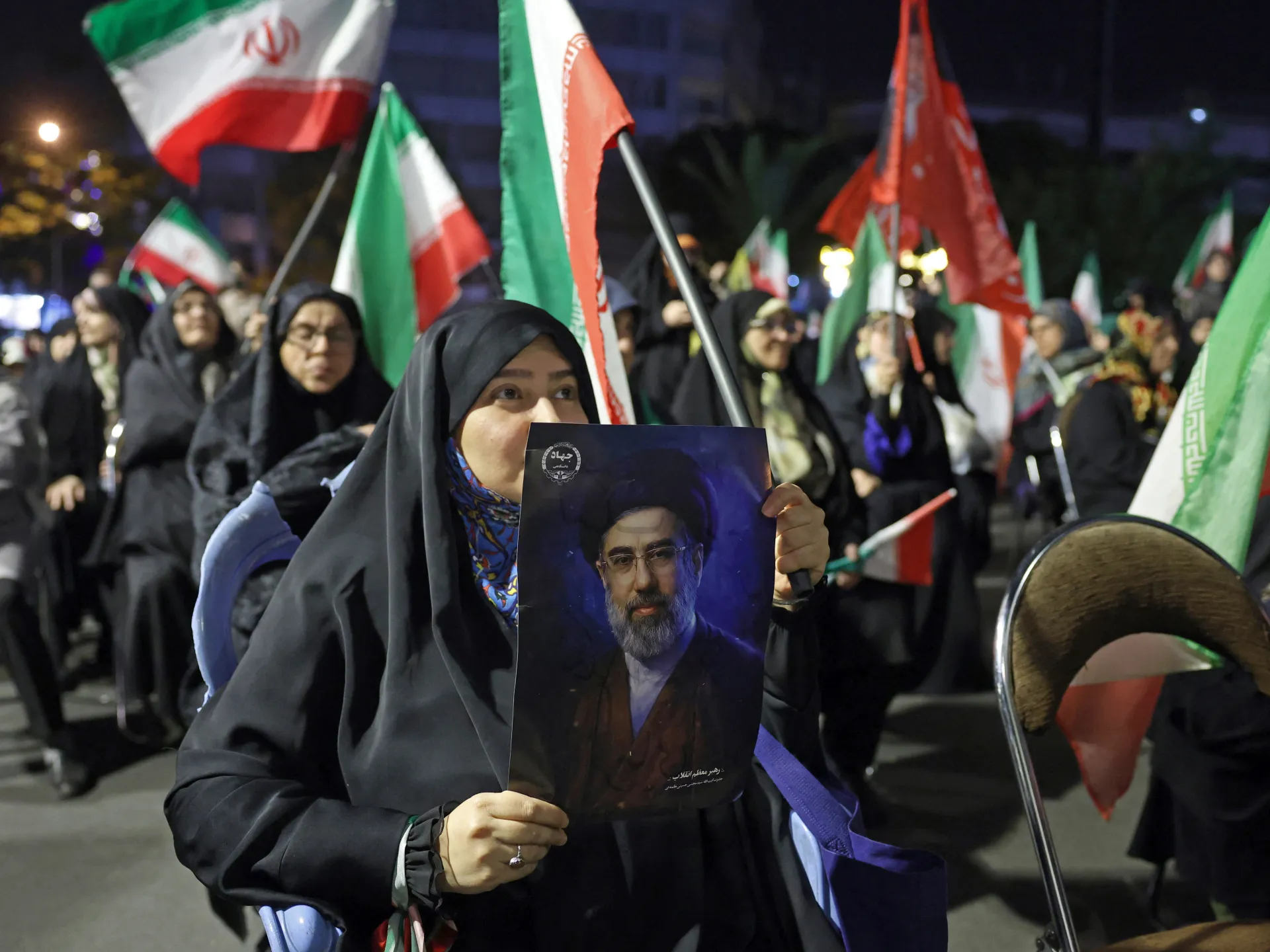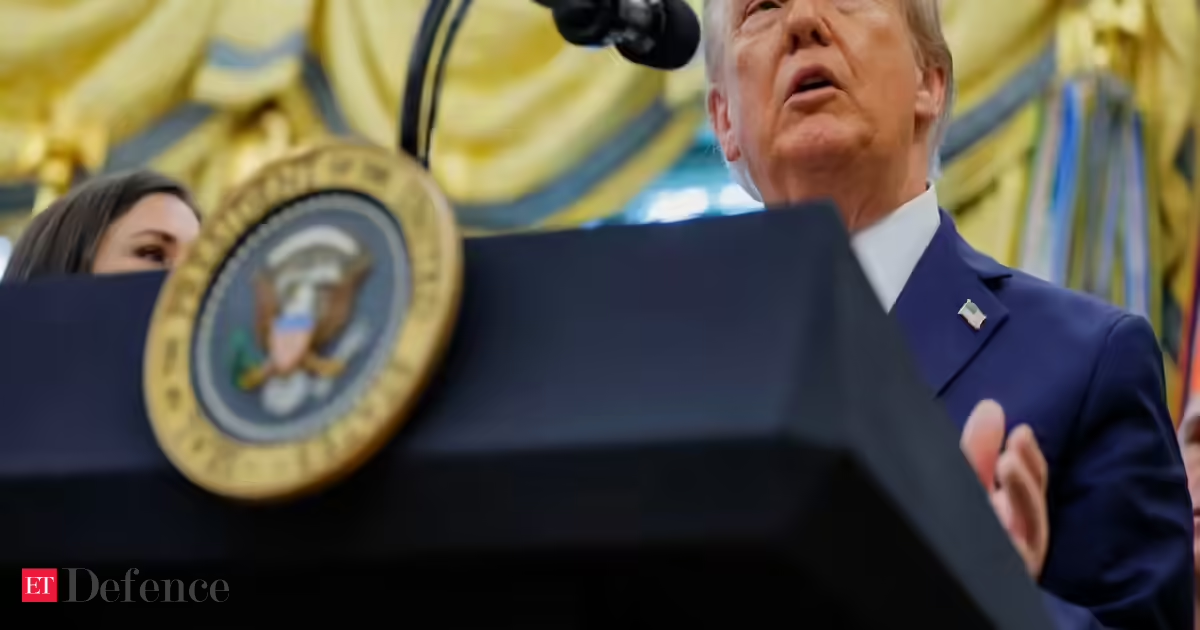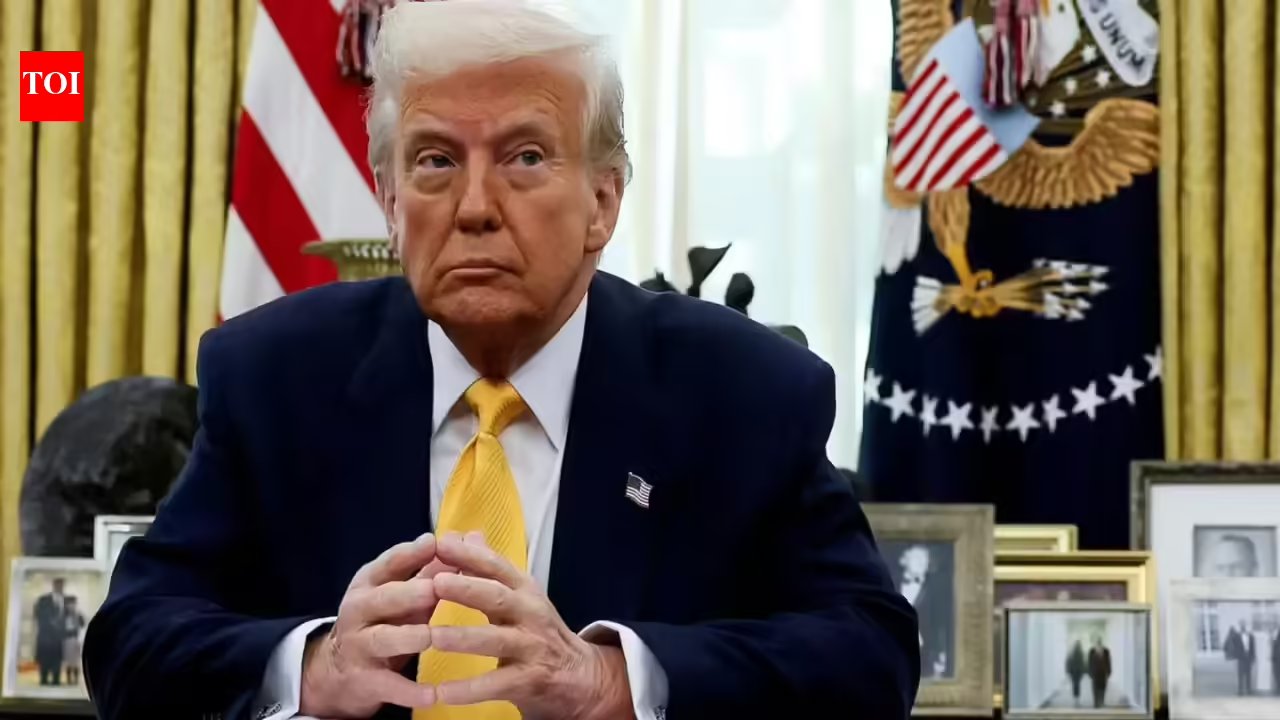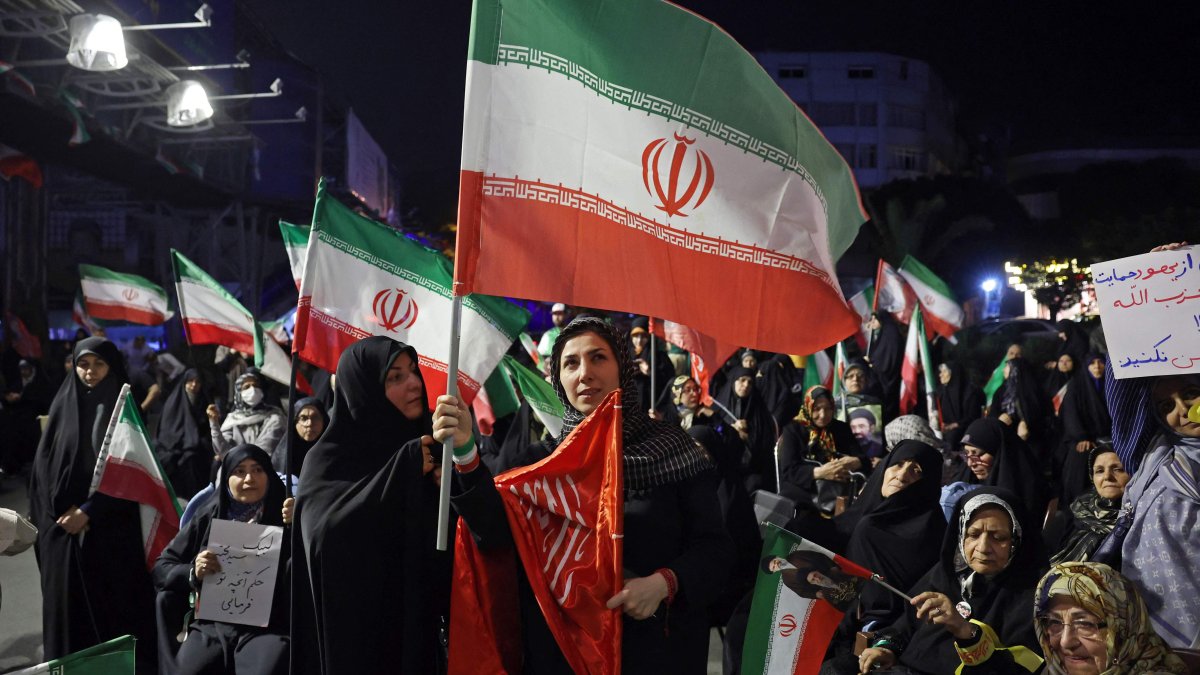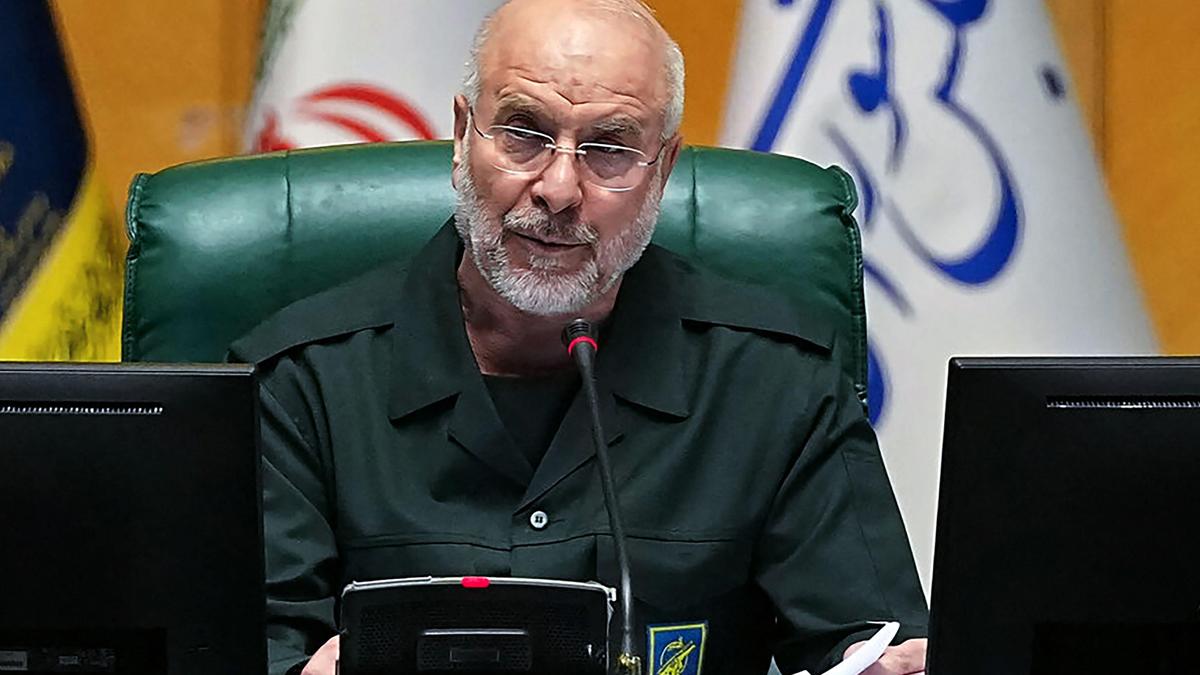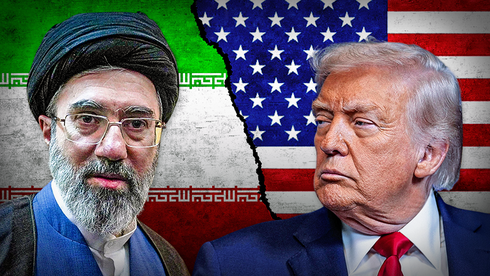
Tehran says it will not accept Trump’s new terms as final, warning it is ready for war if talks fail over enriched uranium, frozen funds and HormuzIran plans to submit new revisions to a draft agreement with the United States after President Donald Trump toughened parts of the text, Iran’s Tasnim news agency reported Sunday, citing a source familiar with the matter.Tasnim, which is considered close to the Revolutionary Guards and hard-line elements of Iran’s regime, quoted the source as saying the exchange of texts was continuing. “Iran will make its own revisions to the text, and nothing is final yet,” the source said.1 View gallery US President Donald Trump, Iranian Supreme Leader Mojtaba Khamenei (Photo: Anna Moneymaker / AFP, Stringer / Getty Images)The source said Trump’s changes do not mean Iran will accept them. “The criterion for Iran is a text that we ourselves accept,” the source said.The Iranian source also repeated Tehran’s warnings that it is prepared for a renewed war if no understandings are reached. “Iran is fully prepared for a situation in which there are no understandings,” the source said.The comments came after Trump threatened in an interview with Fox News to resume military action if talks fail, while saying he still prefers an agreement.“We're close to a very good deal,” Trump said, adding that “we're getting what we want,” and that the United States will “handle it in a different way” if it doesn't.U.S.-Iran talks had appeared in recent days to be approaching the final stretch. Last week, representatives of both sides were reported to have reached a draft memorandum of understanding that would end the war, including between Israel and Hezbollah in Lebanon, or possibly extend the ceasefire there by 60 days. The final wording remained unclear.The emerging draft was also said to include the removal of Iran’s blockade of the Strait of Hormuz, a gradual lifting of the U.S. blockade on Iranian ports and partial sanctions relief.The memorandum would not resolve the dispute over Iran’s nuclear program. Instead, it would open a 60-day period for talks on how Tehran’s enriched uranium would be removed and what future limits would be placed on Iran’s ability to enrich more uranium.But the talks have not yet produced an agreement. Outstanding disputes include the commitments Trump wants in advance on nuclear restrictions and Tehran’s demand to receive at least $12 billion in frozen funds immediately upon signing the memorandum.On Friday, Trump said he was convening senior advisers in the White House Situation Room to make a “final decision,” but reports said no decision was made after two hours of discussions.Trump was reportedly angered over the weekend that final approval for the deal had not been received from Supreme Leader Mojtaba Khamenei and ordered U.S. officials to notify Iran that he was inserting several changes into the draft.The move effectively toughened the terms agreed upon by Trump’s envoys, Steve Witkoff and Jared Kushner, further complicating negotiations that were already fragile. Three sources who had seen the draft memorandum said the obstacle to progress was not additional wording, but the absence of approval from Khamenei.An Israeli source said Prime Minister Benjamin Netanyahu, who has access to information shared with Israel, has been trying to use the lack of an Iranian response to convince Trump that Khamenei does not truly intend to approve the understandings. Netanyahu argues the delay is an Iranian maneuver to buy time, ease military and economic pressure and split the United States from Israel.Axios reported that Trump sought to change a section of the memorandum that included only a general Iranian commitment not to seek nuclear weapons, without specific concessions. A senior U.S. official said Trump’s revision included clearer language regarding the transfer of enriched material to the United States, something Iran has previously opposed.Another source said Trump also wanted a change in the wording on how the Strait of Hormuz would be reopened.One source said Trump was told it would take three days for the Iranians to respond, partly because Iran’s leaders, including Khamenei, who was wounded in the opening strike of the war, are in hiding over fears of assassination. “They are in caves. They don’t use email,” the source said.The New York Times also reported on Trump’s revisions, saying the goal may be to increase pressure on Khamenei to accept the terms already sent in the previous draft, to which he has not yet responded.
Iran plans counteredits after Trump toughens deal draft
Tehran says it will not accept Trump’s new terms as final, warning it is ready for war if talks fail over enriched uranium, frozen funds and Hormuz
732 words~3 min read