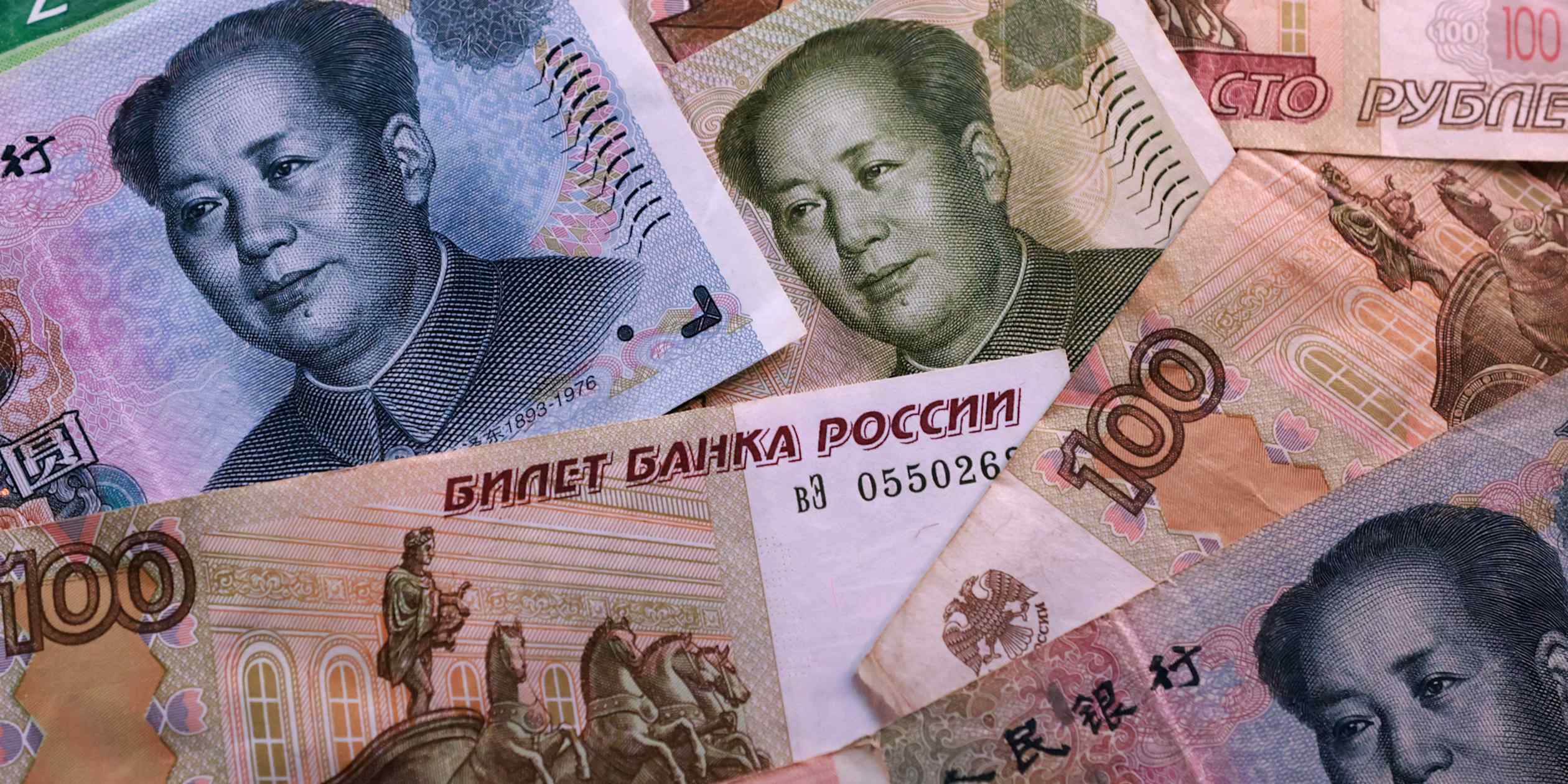
WorldChinaJapanIndiaSouth KoreaIndonesiaTaiwanThailandU.S.East AsiaChinaHong KongMacaoTaiwanMongoliaJapanSouth KoreaNorth KoreaSoutheast AsiaIndonesiaThailandMalaysiaSingaporePhilippinesVietnamMyanmarCambodiaLaosBruneiEast TimorSouth AsiaIndiaPakistanAfghanistanBangladeshSri LankaNepalBhutanMaldivesCentral AsiaKazakhstanUzbekistanTurkmenistanTajikistanKyrgyzstanOceaniaAustraliaNew ZealandPapua New GuineaPacific IslandsRest of the WorldMiddle EastRussia & CaucasusNorth AmericaLatin AmericaEuropeAfricaTrendingIran tensionsInflationTrump administrationArtificial intelligenceElectric vehiclesSupply ChainTaiwan tensionsBank of JapanImmigrationESGExplainerBusinessBusinessSemiconductorsAutomobilesEnergyTransportationRetailTravel & LeisureMedia & EntertainmentFood & BeverageFinanceElectronicsStartupsBusiness dealsMarketsMarketsEquitiesCurrenciesBondsCommoditiesPropertyIPOWealth ManagementTechTech#techAsiaChina techStartupsCryptocurrenciesDealStreetAsiaPoliticsPoliticsChinaJapanIndiaSouth KoreaIndonesiaTaiwanThailandU.S.East AsiaChinaHong KongMacaoTaiwanMongoliaJapanSouth KoreaNorth KoreaSoutheast AsiaIndonesiaThailandMalaysiaSingaporePhilippinesVietnamMyanmarCambodiaLaosBruneiEast TimorSouth AsiaIndiaPakistanAfghanistanBangladeshSri LankaNepalBhutanMaldivesCentral AsiaKazakhstanUzbekistanTurkmenistanTajikistanKyrgyzstanOceaniaAustraliaNew ZealandPapua New GuineaPacific IslandsRest of the WorldMiddle EastRussia & CaucasusNorth AmericaLatin AmericaEuropeAfricaEconomyEconomyChinaJapanIndiaSouth KoreaIndonesiaTaiwanThailandU.S.East AsiaChinaHong KongMacaoTaiwanMongoliaJapanSouth KoreaNorth KoreaSoutheast AsiaIndonesiaThailandMalaysiaSingaporePhilippinesVietnamMyanmarCambodiaLaosBruneiEast TimorSouth AsiaIndiaPakistanAfghanistanBangladeshSri LankaNepalBhutanMaldivesCentral AsiaKazakhstanUzbekistanTurkmenistanTajikistanKyrgyzstanOceaniaAustraliaNew ZealandPapua New GuineaPacific IslandsRest of the WorldMiddle EastRussia & CaucasusNorth AmericaLatin AmericaEuropeAfricaFeaturesTrading AsiaASEAN MoneyTech AsiaBusiness AsiaChina Up ClosePolicy AsiaBig in AsiaDatawatchInfographicsOpinionOpinionEditor-in-Chief's PicksThe Nikkei ViewLife & ArtsLife & ArtsLifeArtsMy Personal HistoryTea LeavesEat & DrinkDestinationsBooksObituariesWatch & ListenPodcastsVideoPhotosCurrenciesChina's answer to SWIFT network sees rapid growth in transactionsThe yuan and the ruble have emerged as leading currencies for trade among U.S.-sanctioned Iran, Russia and China. © ReutersKENTARO SHIOZAKIMay 4, 2026 03:37 JSTBEIJING -- Use of the yuan to pay for crude oil and other goods and services has soared, with Iran and Russia turning to China's currency to sustain dollar-free trade.Read NextLatest on CurrenciesSponsored ContentAbout Sponsored ContentThis content was commissioned by Nikkei's Global Business Bureau.
Yuan payments soar as currency of last resort for Iran, Russia
China's answer to SWIFT network sees rapid growth in transactions
TL;DRAI
Yuan payments have soared for U.S.-sanctioned Iran and Russia, now using China's currency to sustain dollar-free trade in crude oil and goods. The shift signals accelerating de-dollarization, with China's SWIFT-alternative network gaining real volume across sanctioned trade corridors.
183 words~1 min read