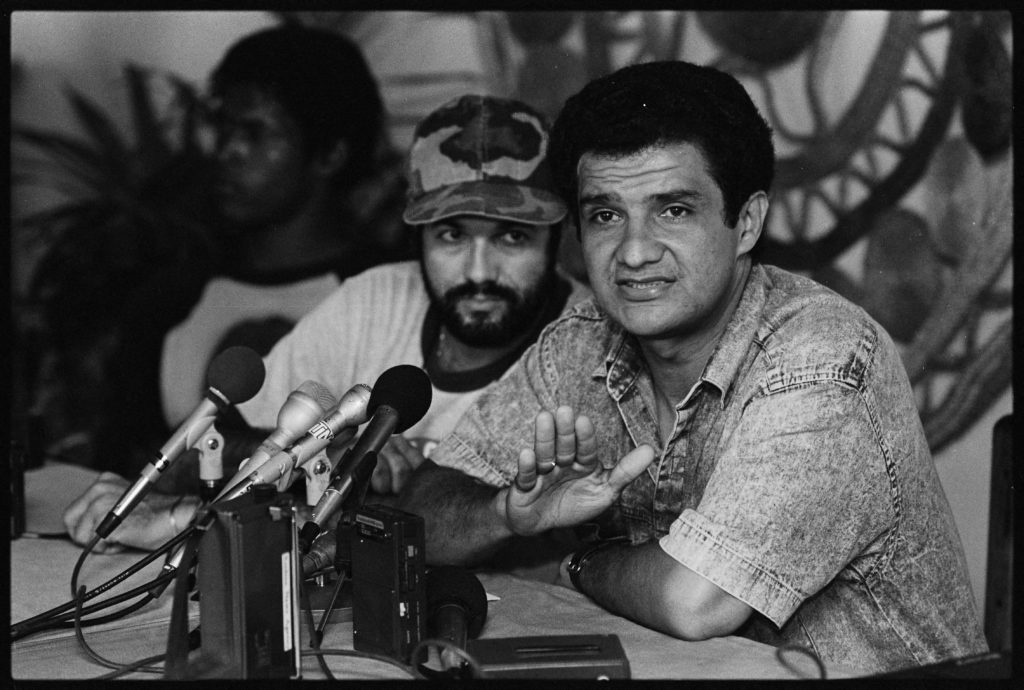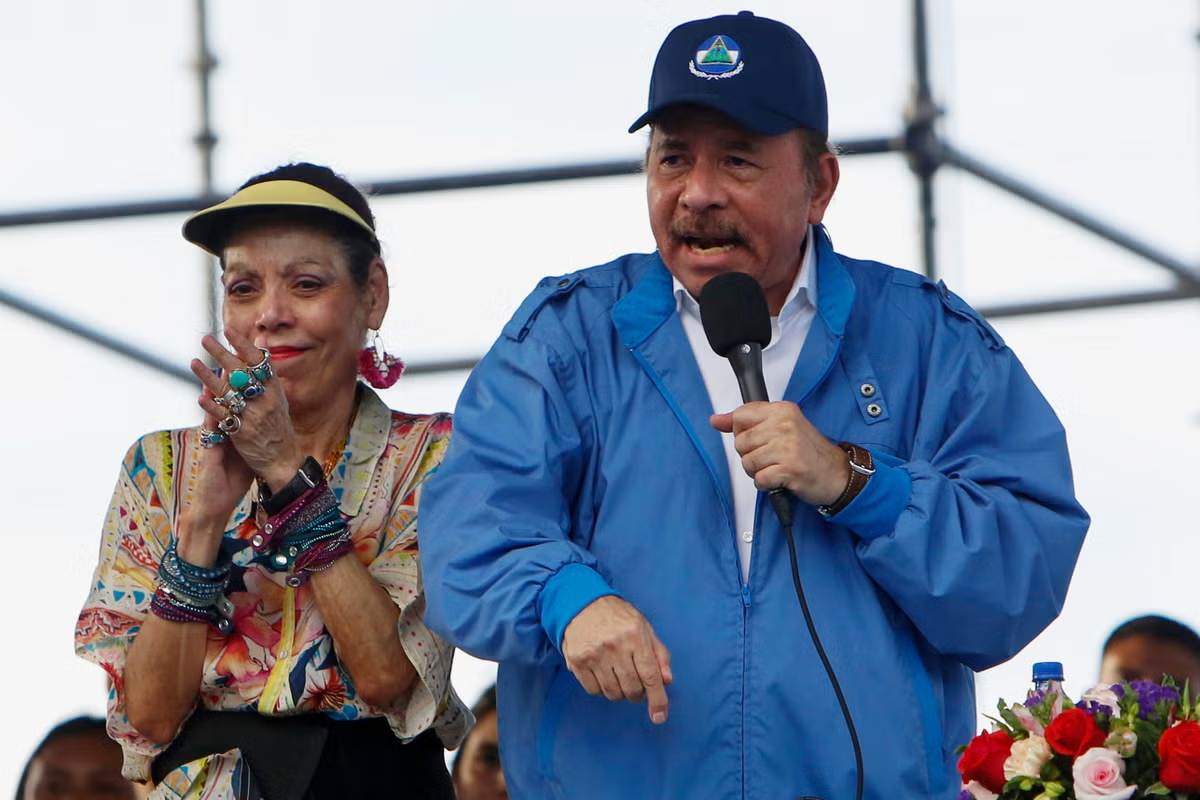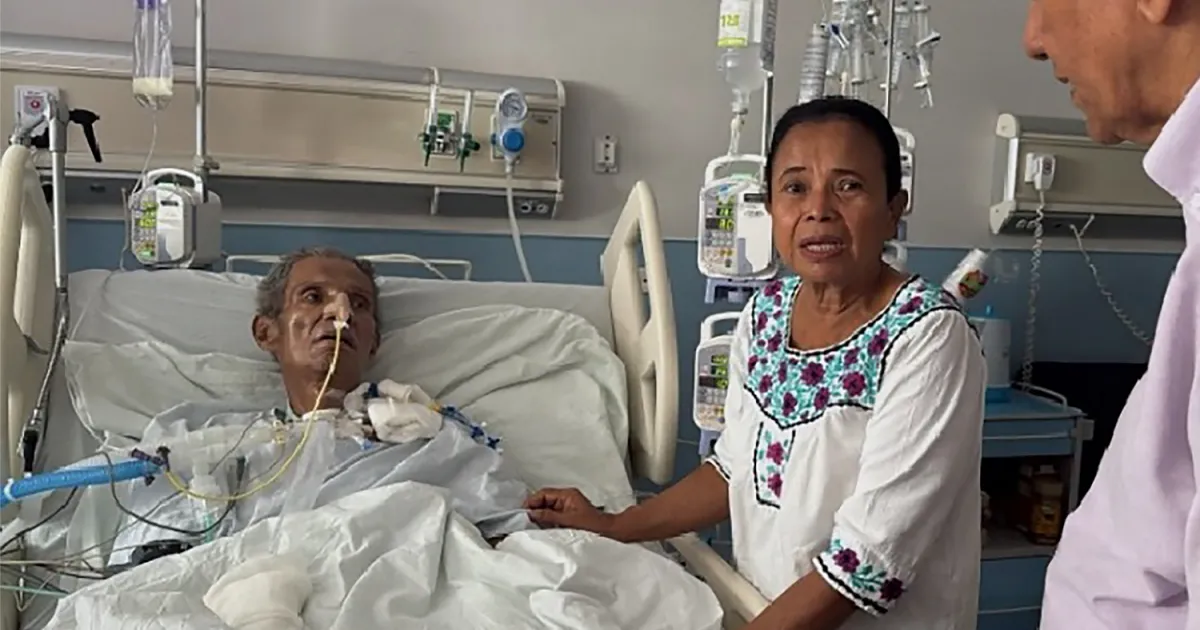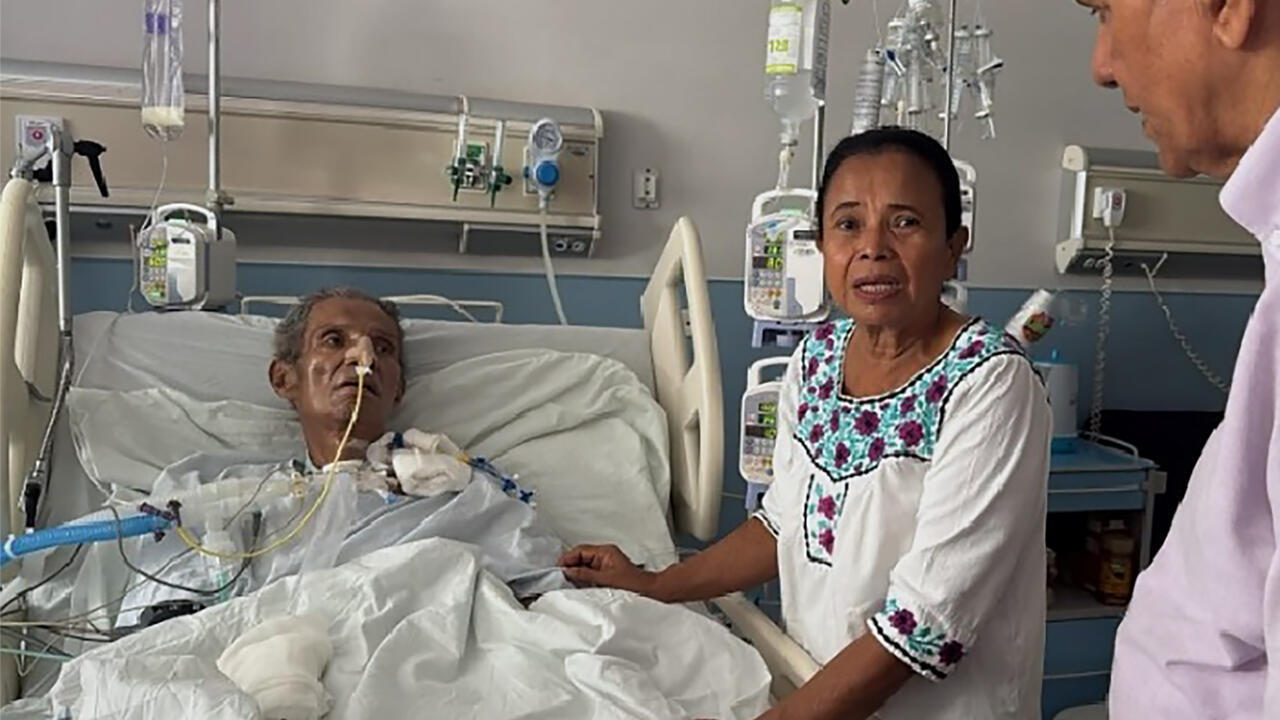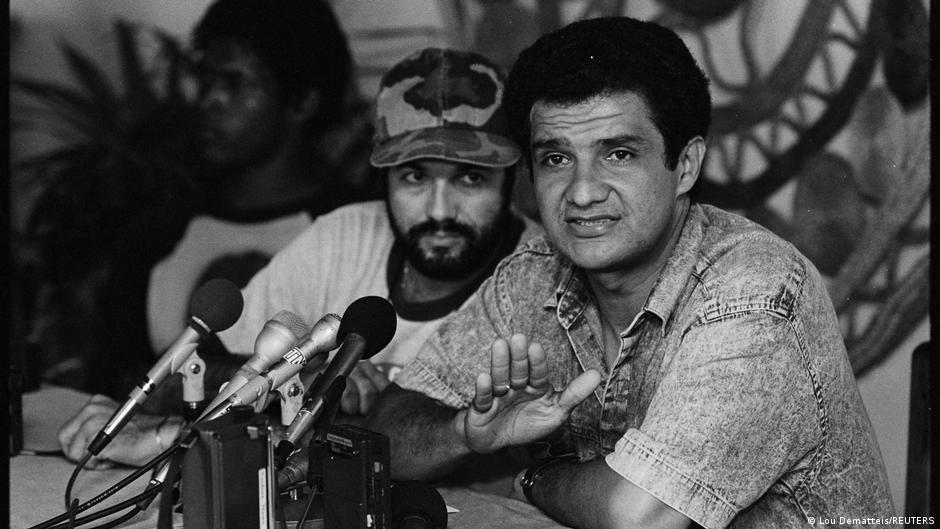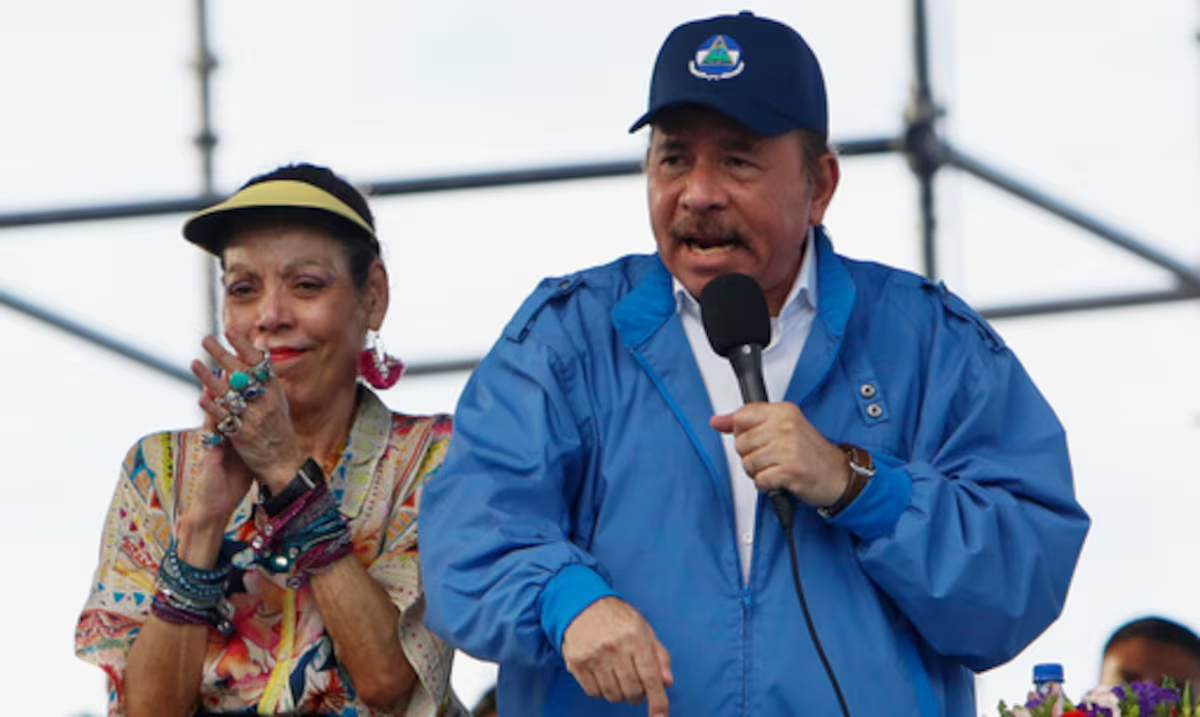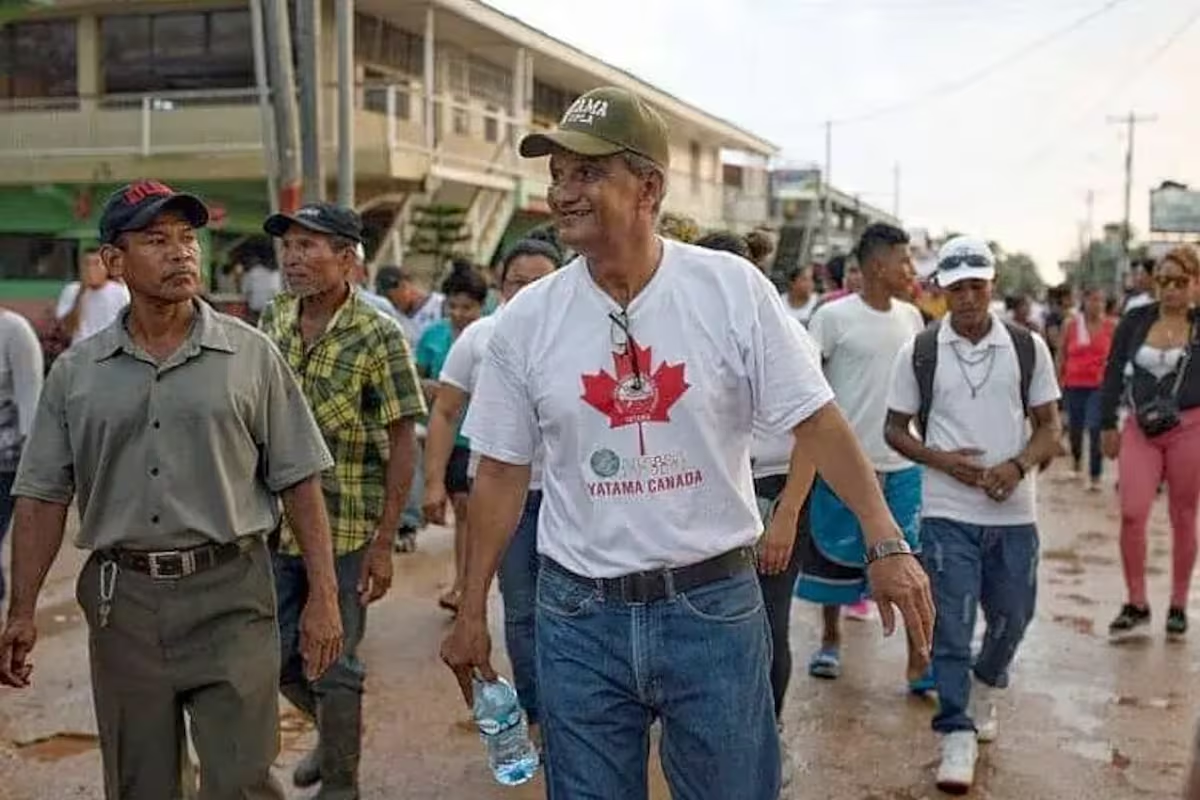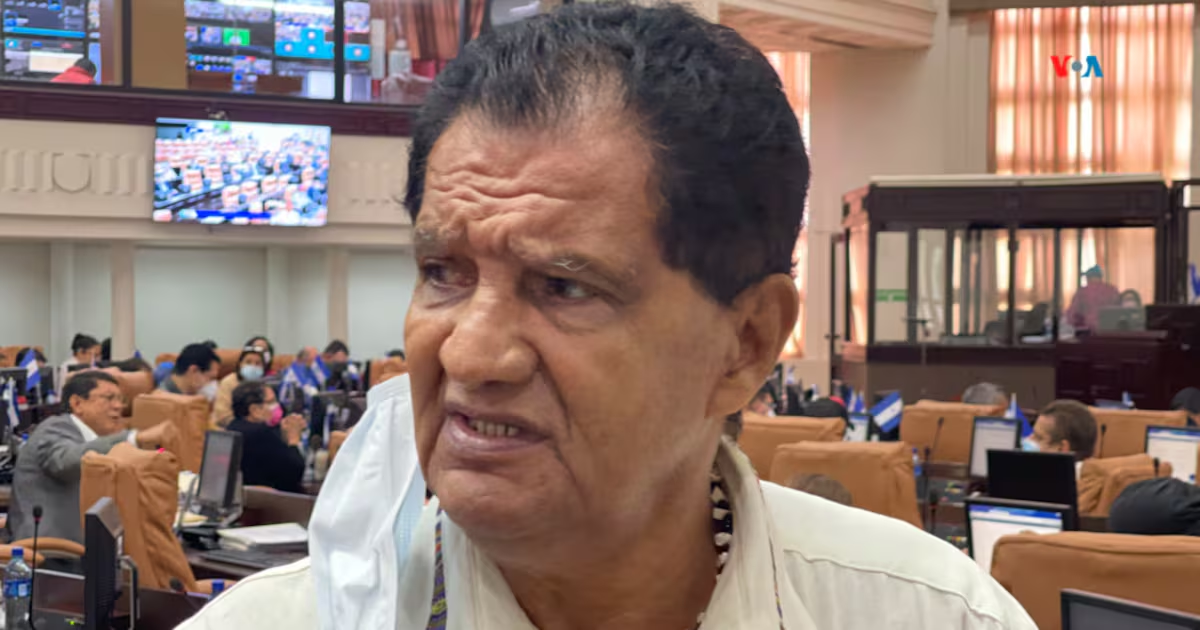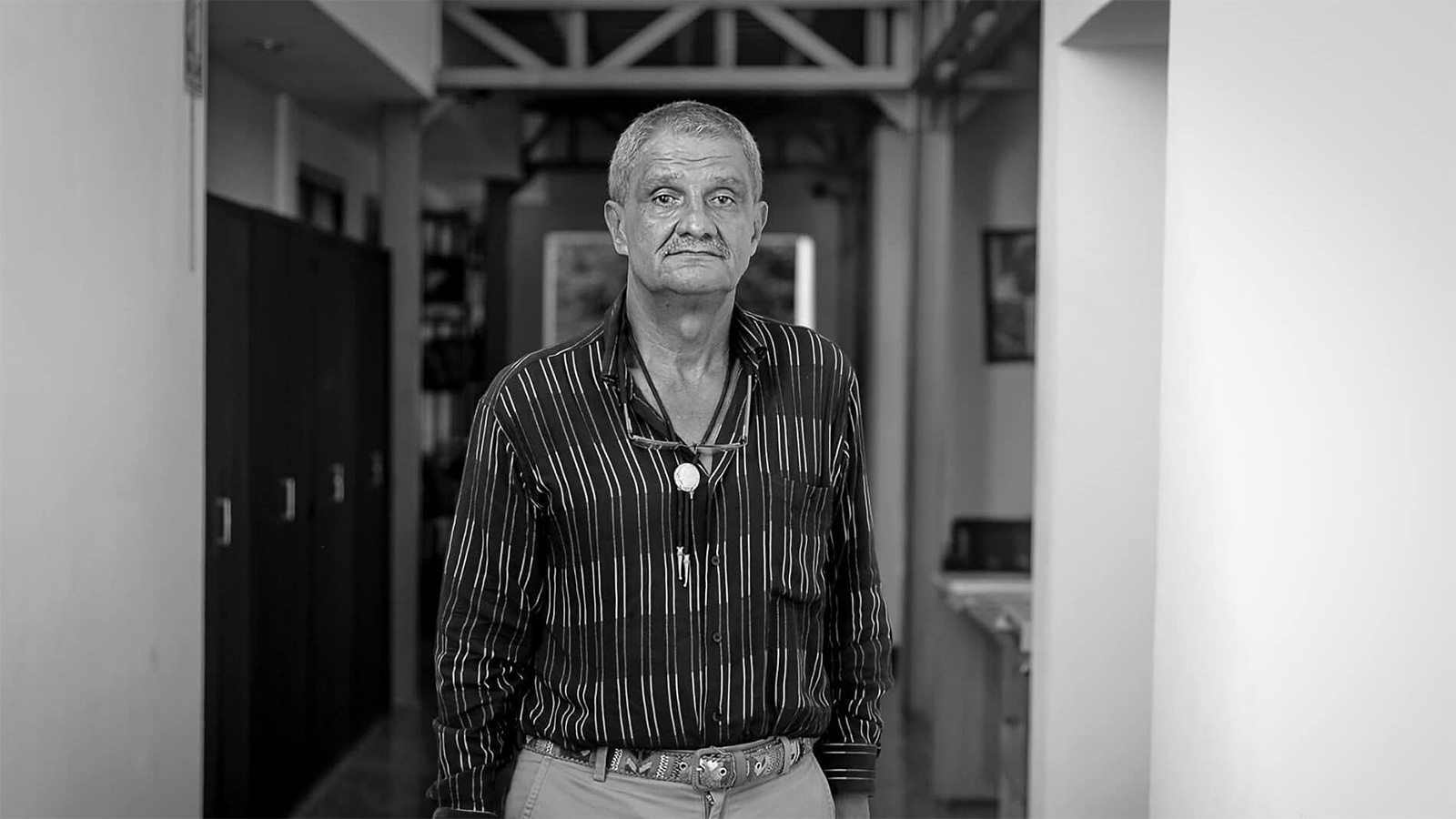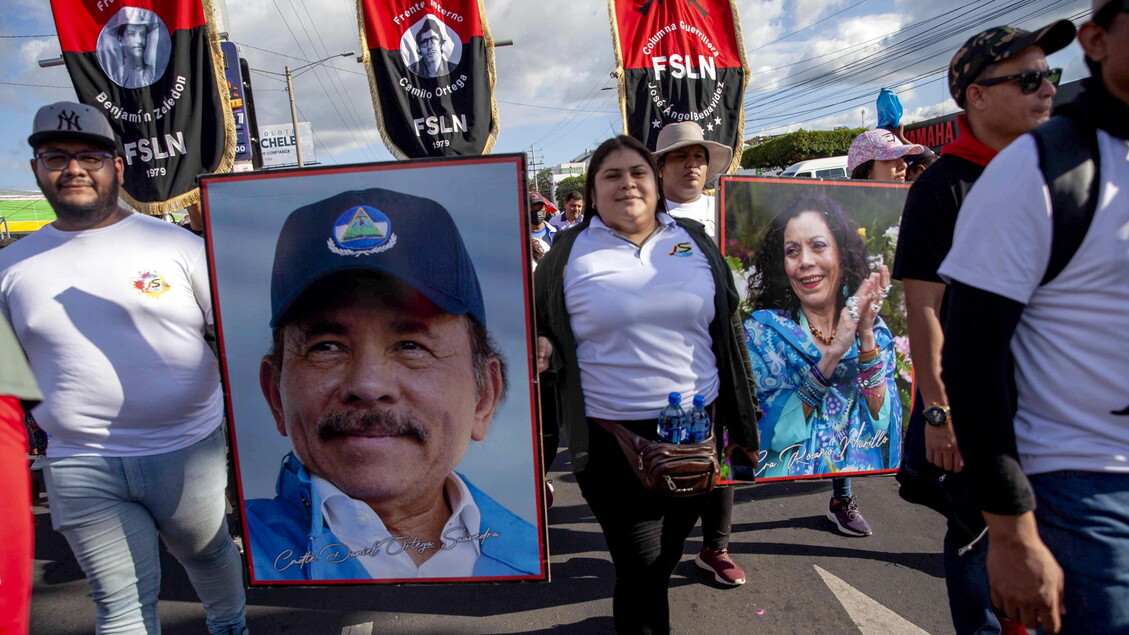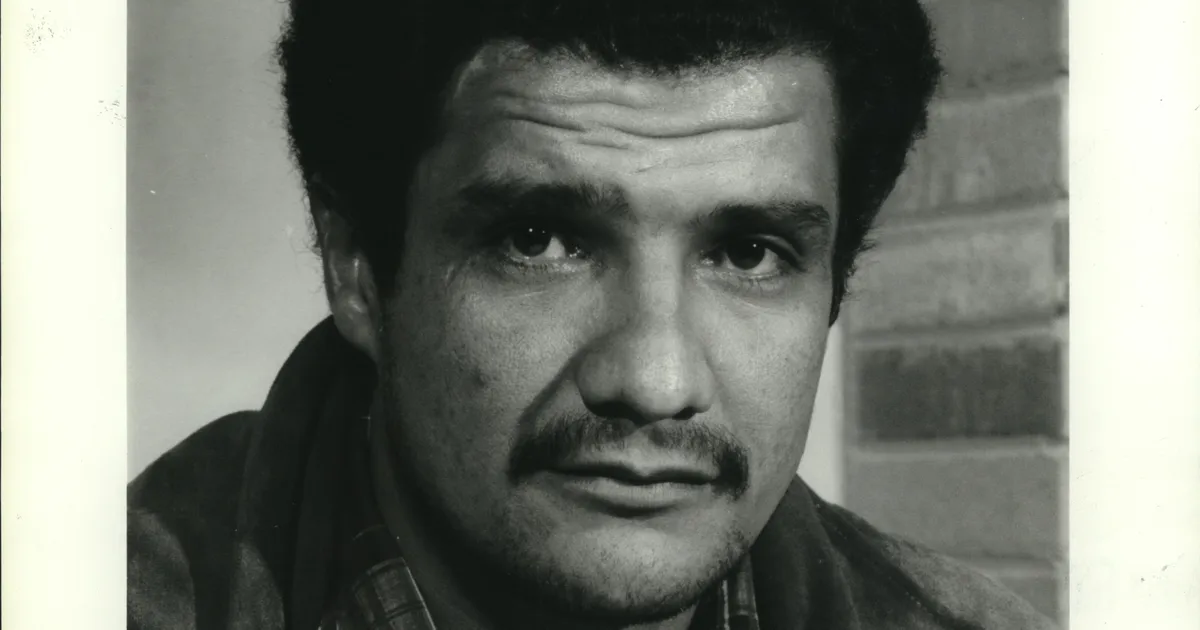
SAN JUAN, Puerto Rico (AP) — Brooklyn Rivera, a renowned Indigenous leader from Nicaragua who spent years fighting for the rights of his community and was imprisoned by the government in September 2023, has died.The Nicaraguan government issued a statement Sunday claiming that Rivera died from a bacterial infection after his health had declined following a case of COVID-19, which led to his physical and neurological deterioration.Human rights activists and groups worldwide denounced his death and a statement that the government released Saturday in which they referred to Rivera as “Brother” and said they were praying for him.“They took him alive, and after refusing to tell his family, his lawyer, the world anything about his fate, then they call him brother,” said Reed Brody, an American human rights lawyer and member of a group of U.N. experts on Nicaragua. “Unconscionable cynicism on the part of the government to make it seem like they were trying to help him.”The U.S. government had called for his release on Friday after the government published photos of him in the hospital in critical condition.The Argentina-based Inter-American Center for Legal Assistance in Human Rights also denounced Rivera’s death.Those responsible for the death of the Indigenous lawmaker “should be held criminally accountable,” it wrote on X.Nicaraguan President Daniel Ortega (L) speaks with indigenous Miskito leader Brooklyn Rivera upon arrival in Puerto Cabezas following the passage of Hurricane Felix. Rivera died nearly three years into his detention as a Nicaragua's political prisoner after decades of fighting for his community's rights, the country's government announced on May 31, 2026.Miguel Alvarez/AFP via Getty ImagesRivera led the Miskito people, who live along Nicaragua’s northeast coast and have long fought to retain their lands.For decades, he fought the ruling Sandinista government and helped establish the area along the northeast coast as an autonomous region. It is rich in gold, silver and other resources, and it is considered a key area for the administration of co-Presidents Daniel Ortega and his wife Rosario Murillo to attract foreign investment.Rivera’s fight for Nicaragua’s Indigenous people began in the 1960s. After opposing Ortega’s Sandinista’s government in the late 1970s, he temporarily went into exile in nearby Costa Rica in 1980.He later returned to Nicaragua, where he survived an attack by Sandanista forces, forcing him once again to seek safety elsewhere, this time, in Colombia.In the late 1980s, he founded the group known as Yatama, the Organization of the Peoples of Mother Earth. It played a key role in securing limited autonomy for Indigenous people following peace negotiations with the Sandinistas.“He has been fighting in one way or another for their rights,” Brody said. “He fought for land, he fought for autonomy.”Portrait of Brooklyn Rivera, rebel leader for Nicaragua's indigenous Miskito community. Rivera died nearly three years into detention as a political prisoner after he spent decades fighting the Sandinistas and present-day government to secure indigenous rights, the country announced on May 31, 2026.Steve Campbell/Houston Chronicle via Getty ImagesIn April 2023, Rivera traveled to Geneva to participate in a U.N. forum on Indigenous people, where he spoke out against the Nicaraguan government.Shortly afterward, Ortega and Murillo banned him from returning to the country, but he slipped in anyway and lived in hiding until September 2023, when he was arrested and accused of terrorism.“Nobody heard from him since then,” Brody said, adding that he and other U.N. experts wrote the government requesting that it provide some sign of life. “The government never gave any indication. He was a disappeared person.”It wasn’t until late last week that the government published pictures of Rivera in the hospital.“This just shows the cruelty with which this government treats anyone who stands in the way of their complete consolidation of power,” Brody said.He noted that the U.N. group of experts has documented 124 cases of arbitrary detention of Indigenous people in Nicaragua since 2018, and 46 deaths following violence incidents, usually clashes with settlers.Brody noted that at least six political prisoners have died in custody since 2019, including two last August.“Brooklyn Rivera spent 40 years fighting for his people,” he said, “and hopefully the international community will finally pay attention.”RelatedNicaraguaDaniel OrtegaIndigenous VoicesWorld News
Indigenous Leader Brooklyn Rivera Dies After Nearly 3 Years In Nicaraguan Prison
The political prisoner spent decades fighting the Sandinistas and present-day government to secure the Miskito community's rights and land.
TL;DRAI
Brooklyn Rivera, Miskito leader and Yatama founder, died May 31 after 32 months as Nicaragua's political prisoner. His death—sixth in Nicaraguan custody since 2019—intensifies UN pressure on Ortega's governance and rule-of-law accountability.
690 words~3 min read