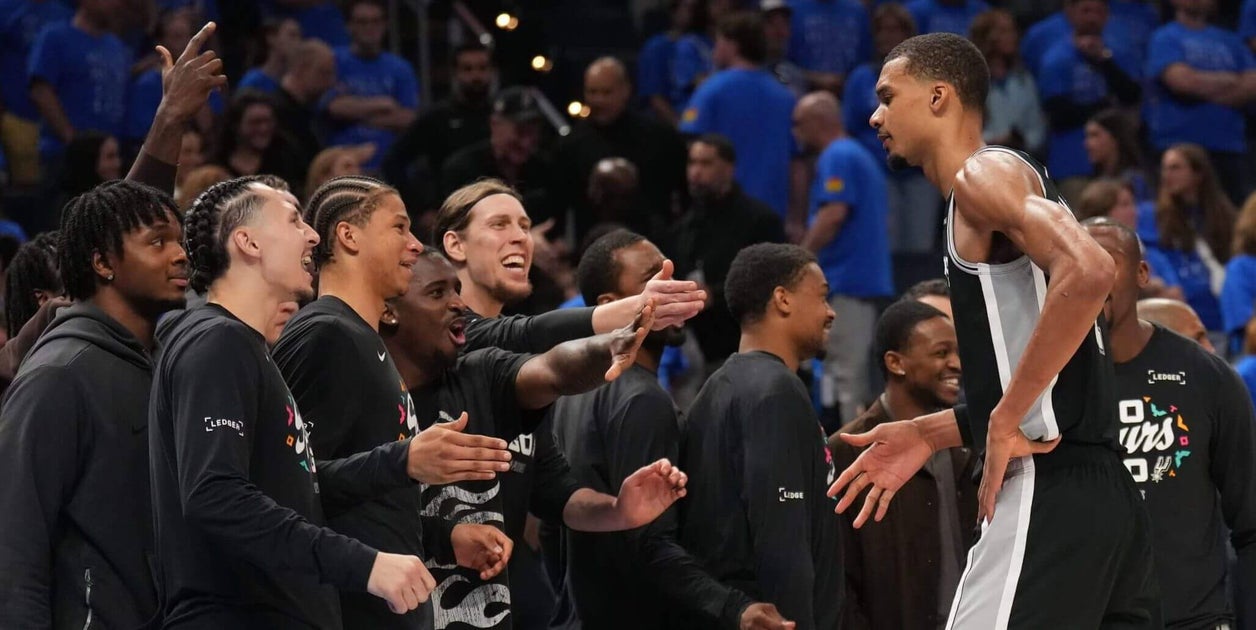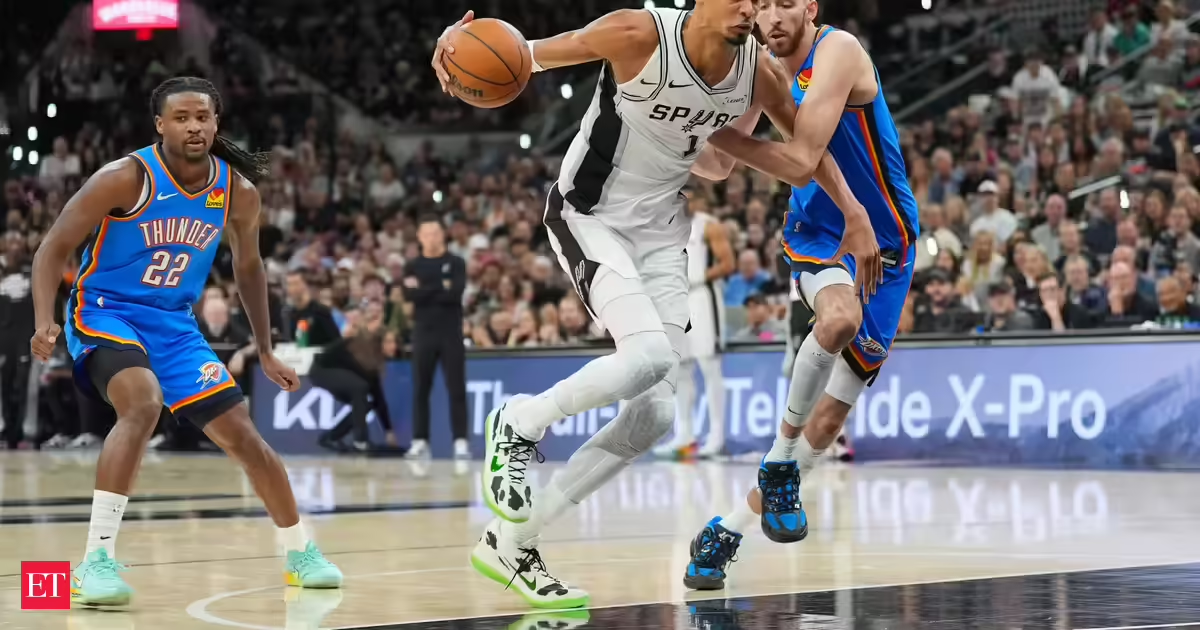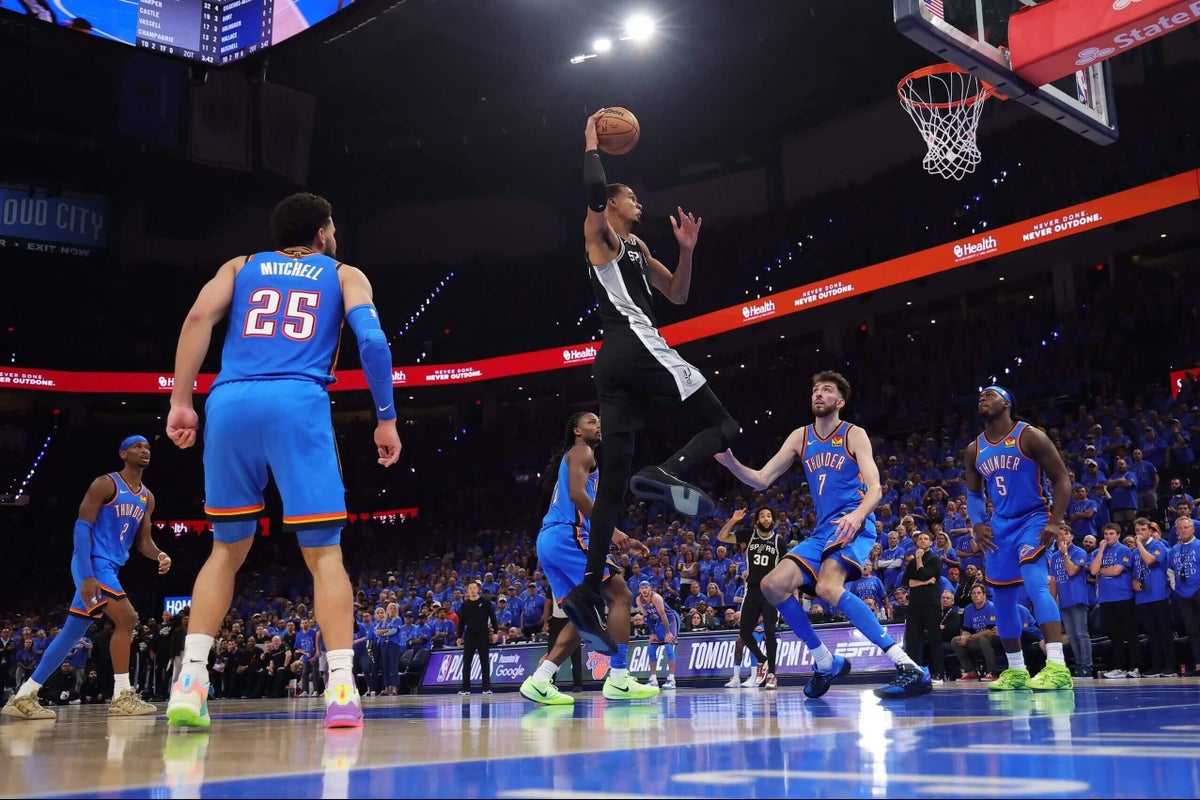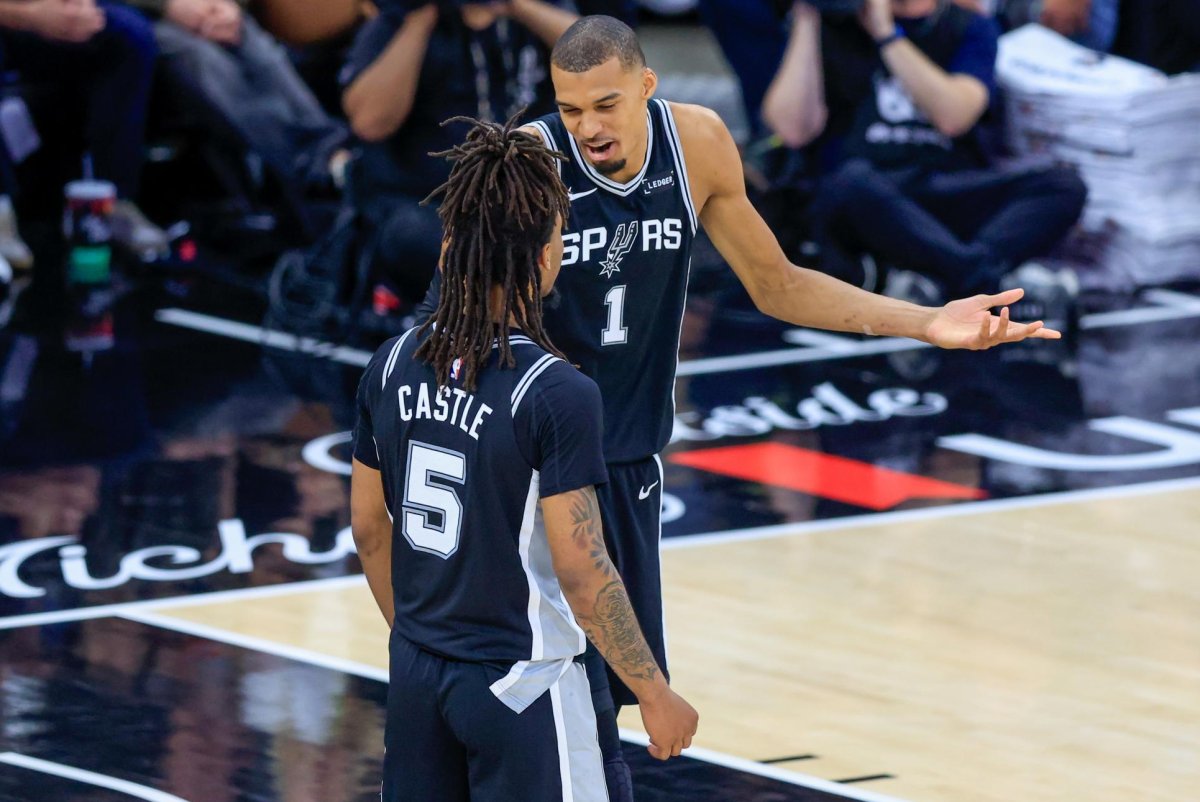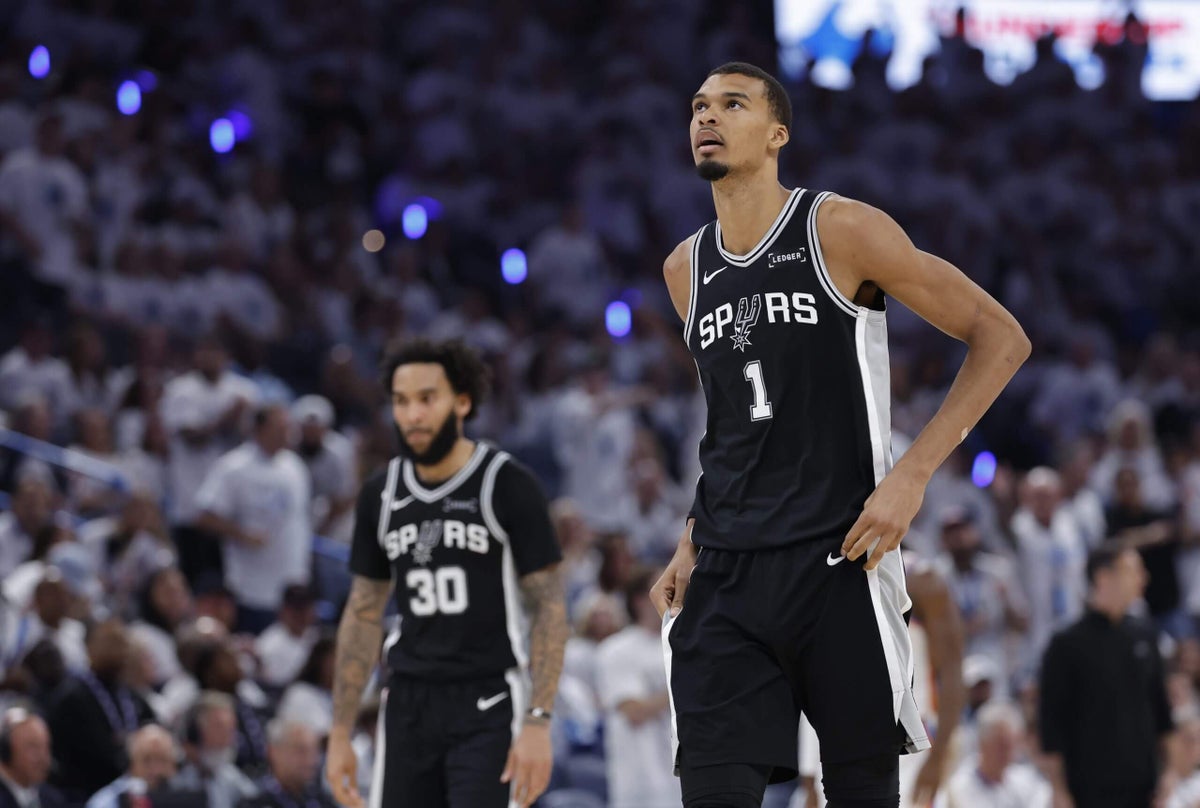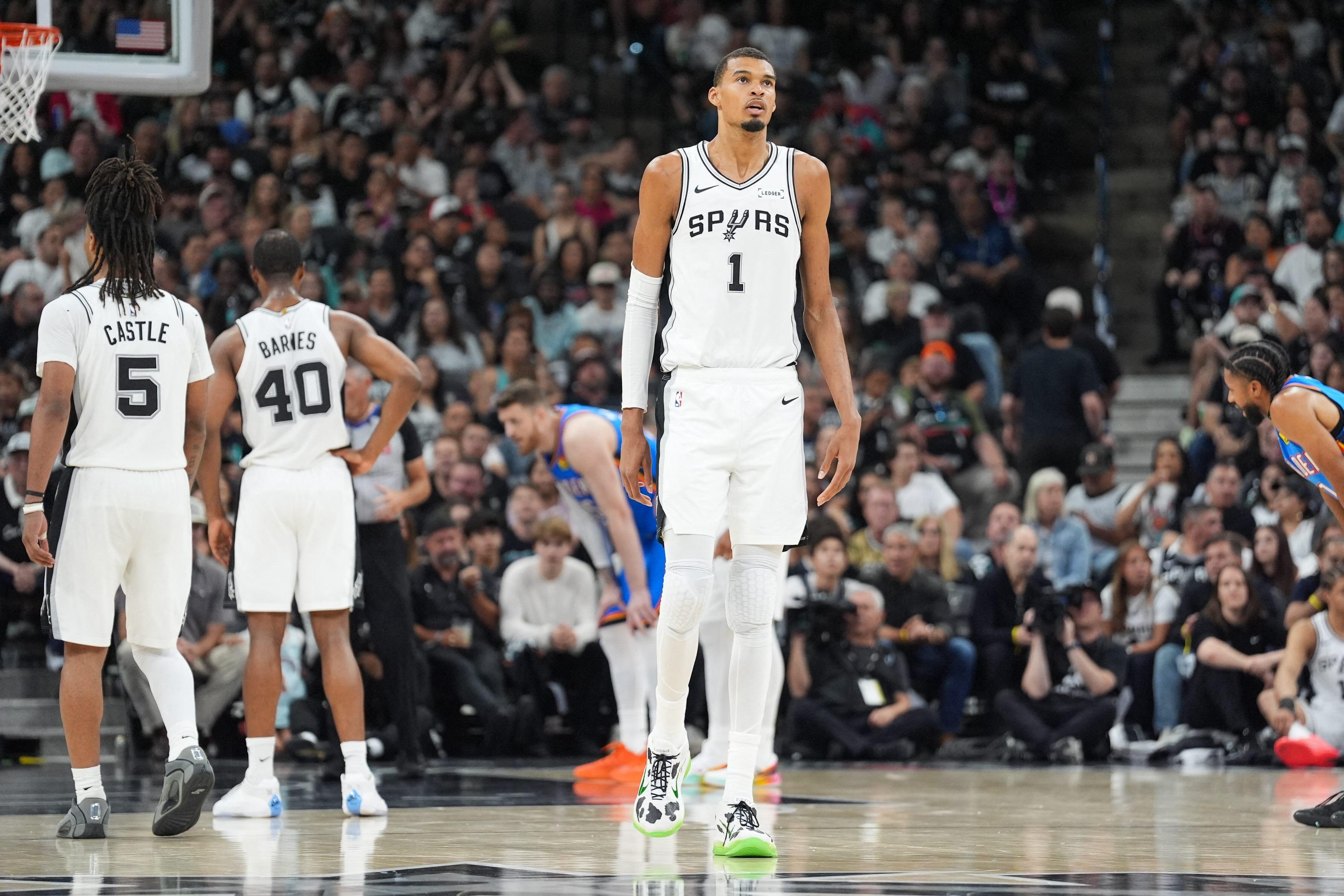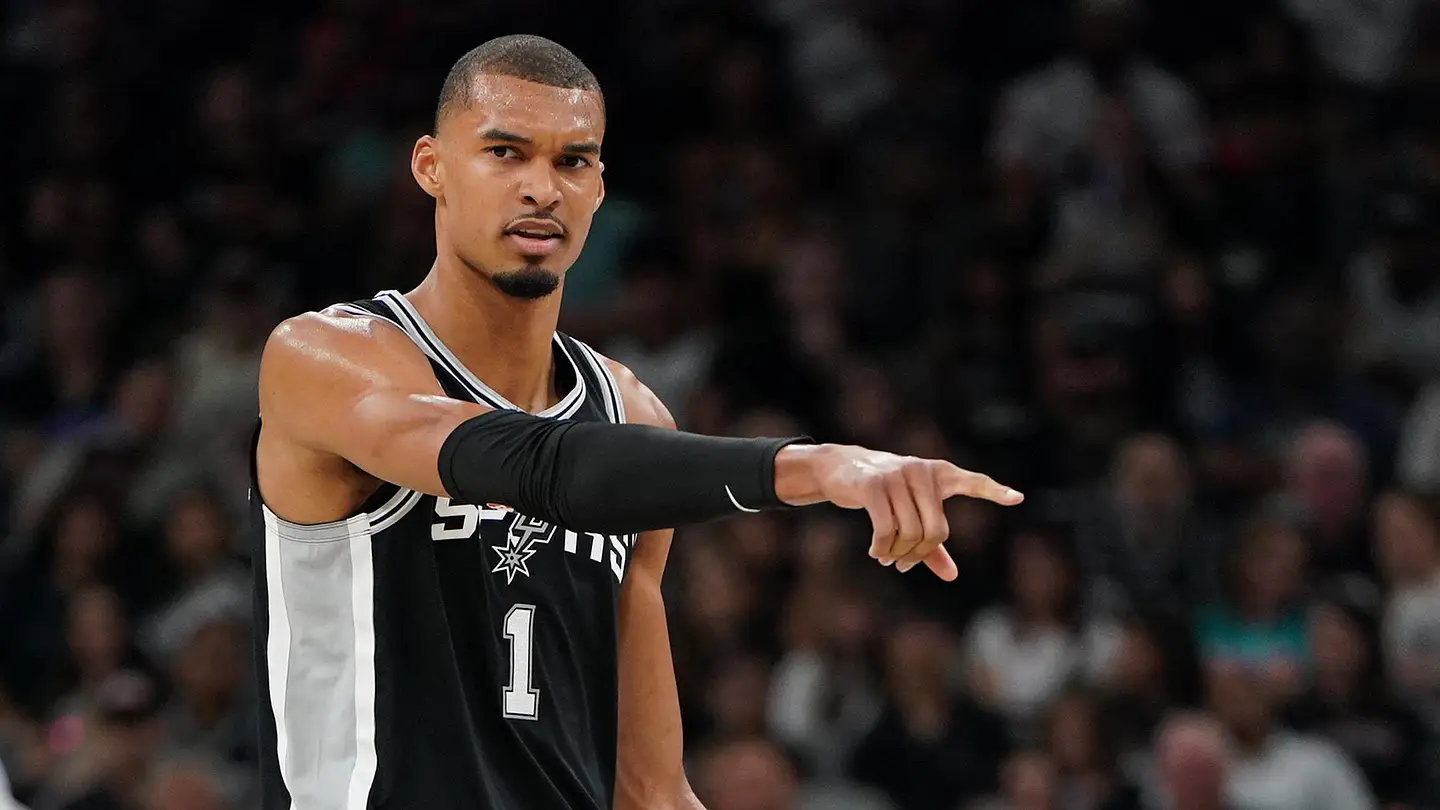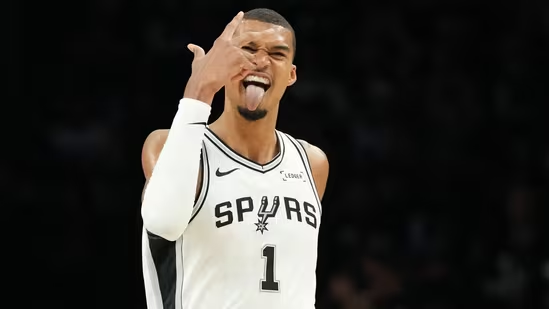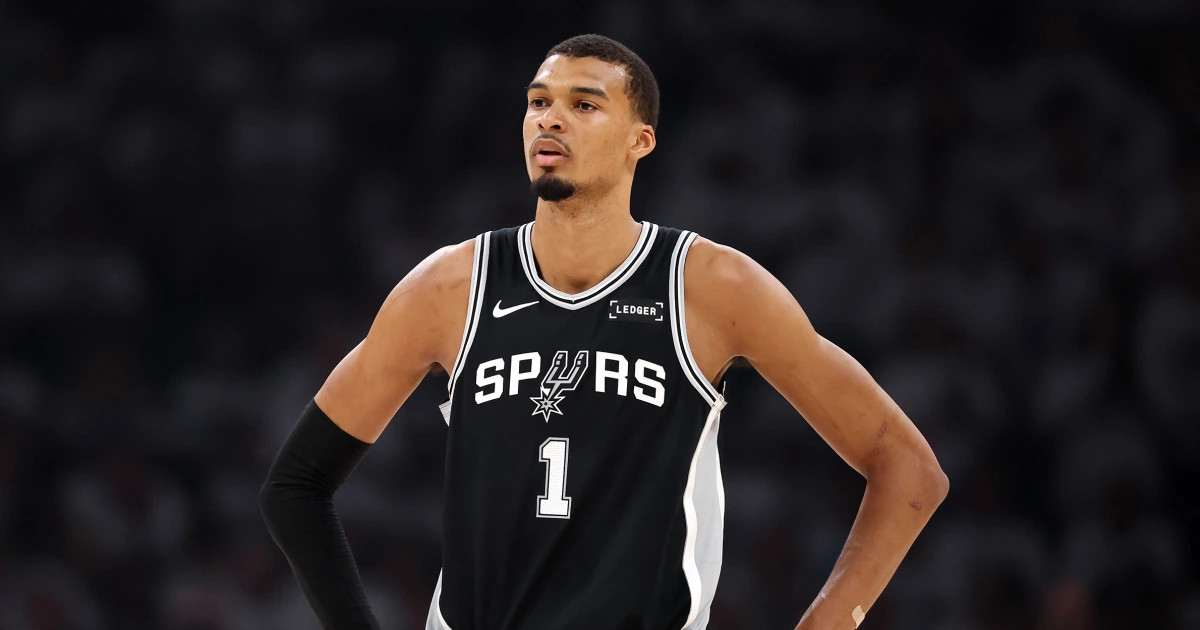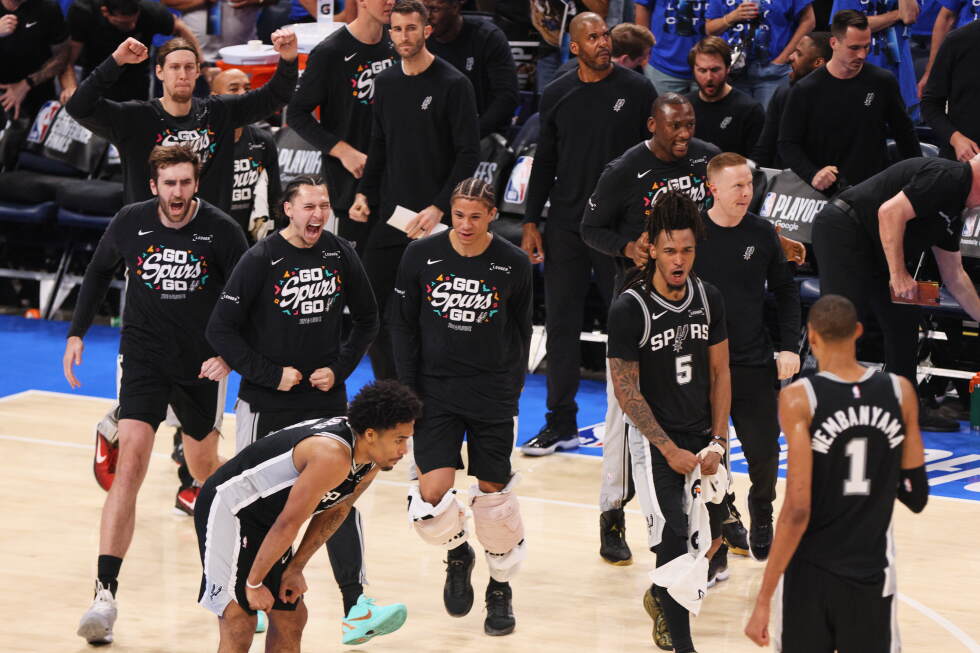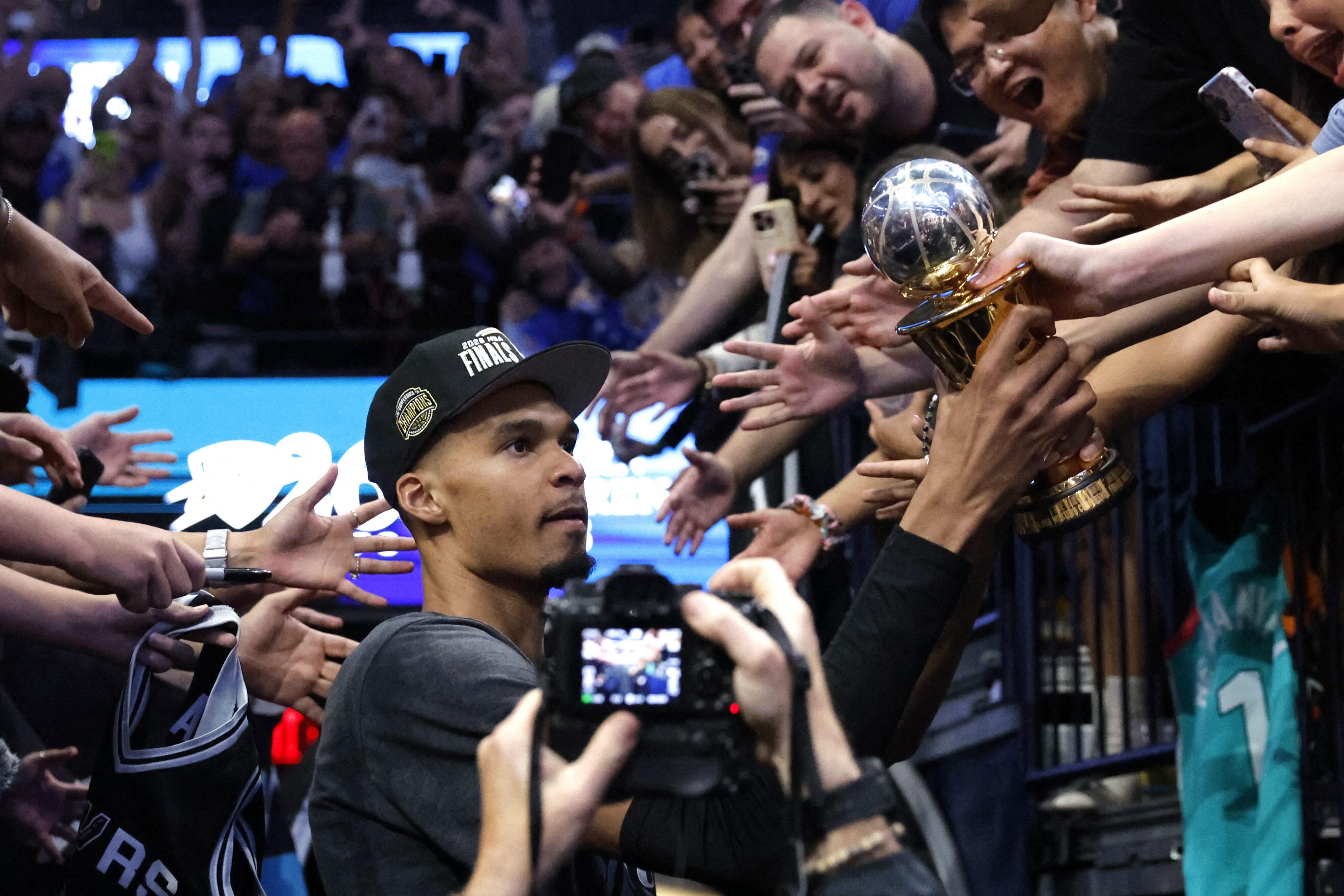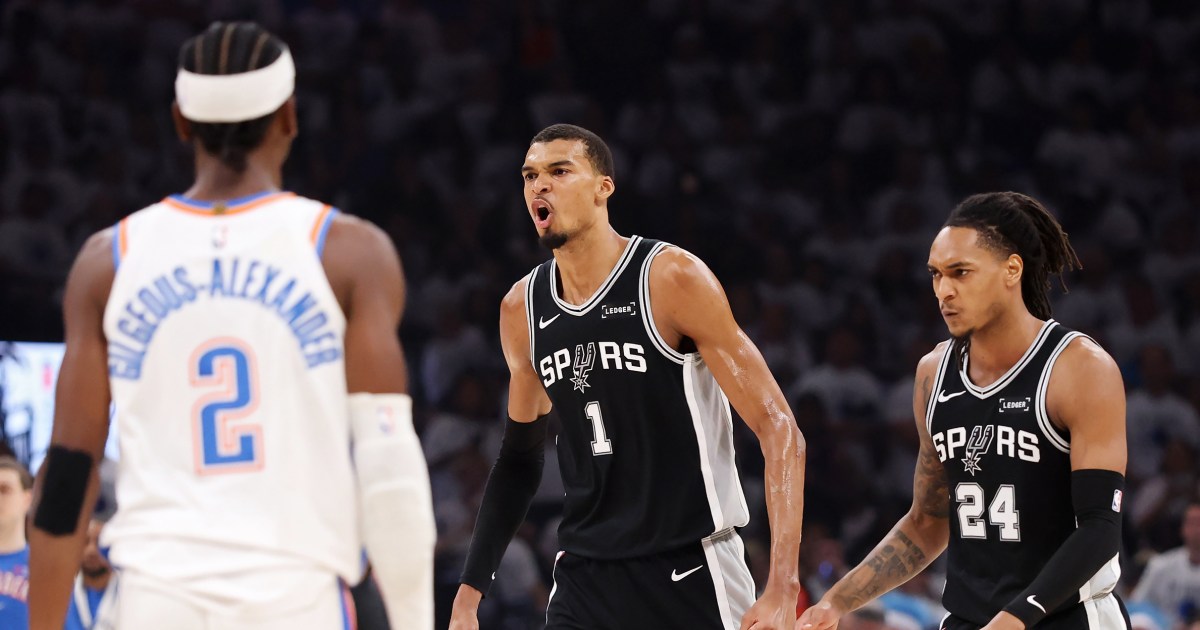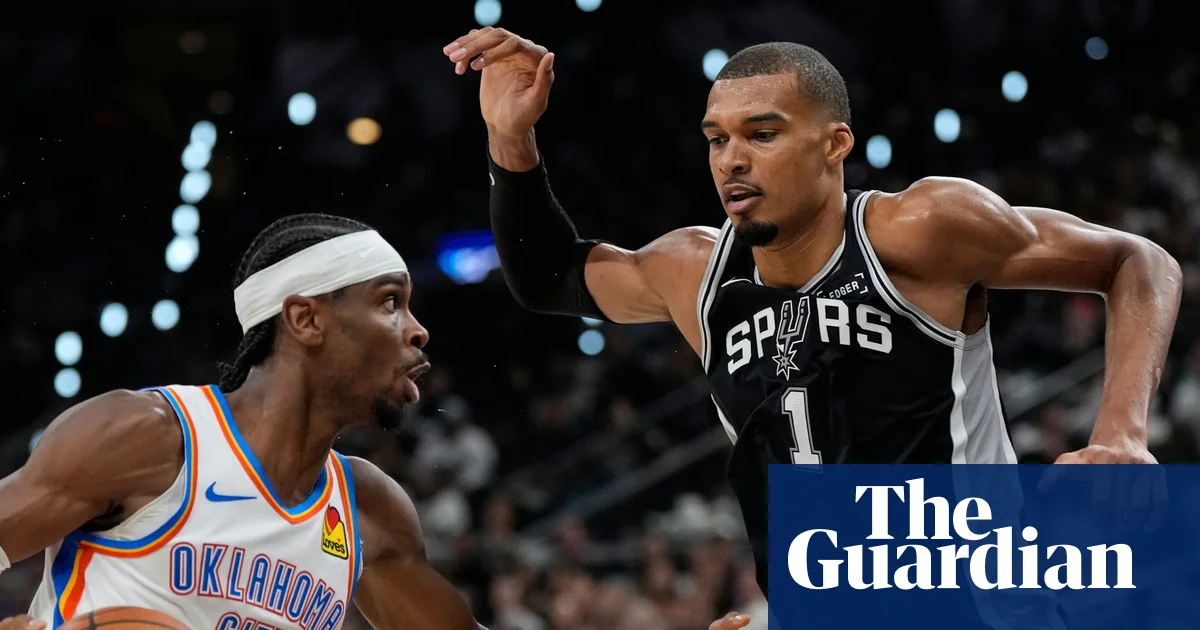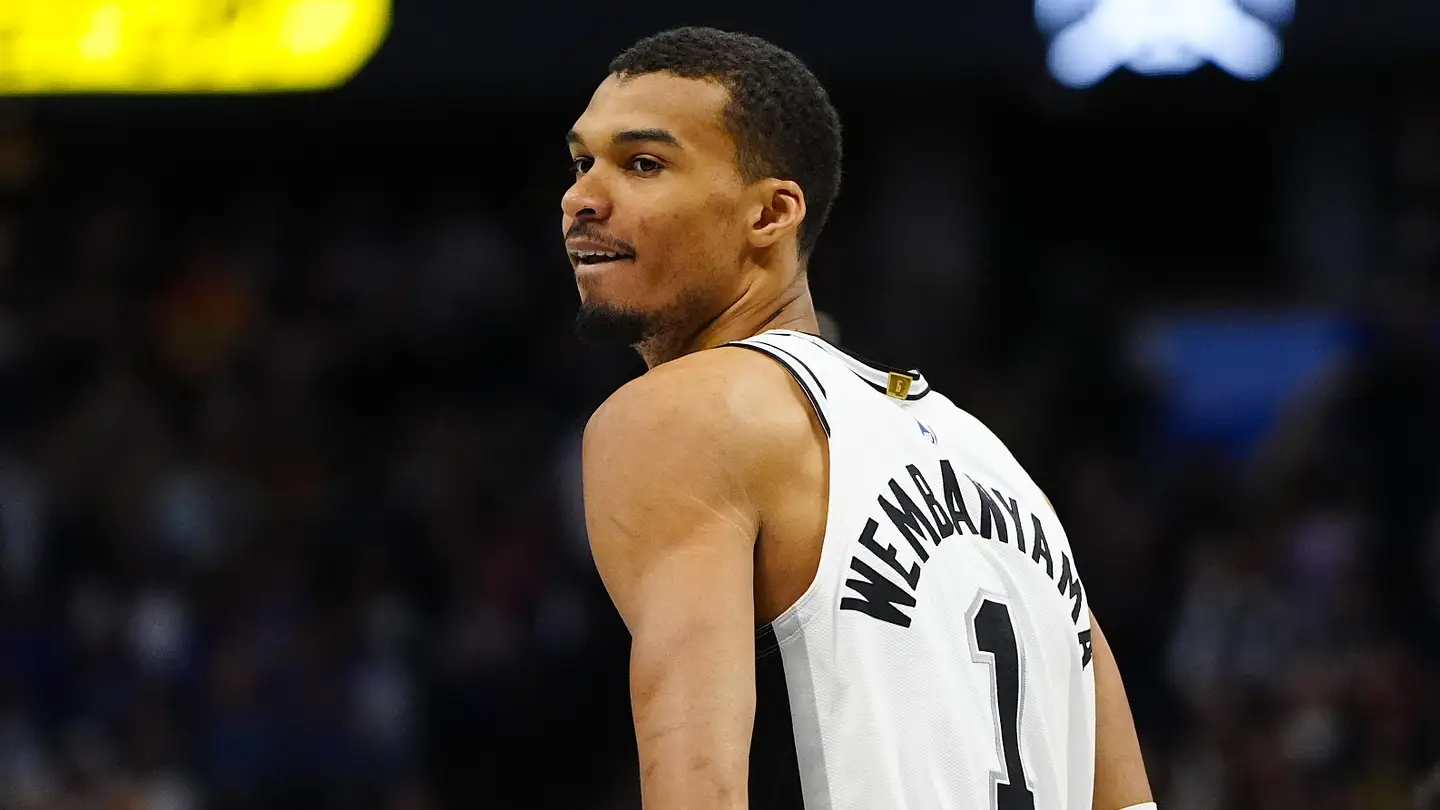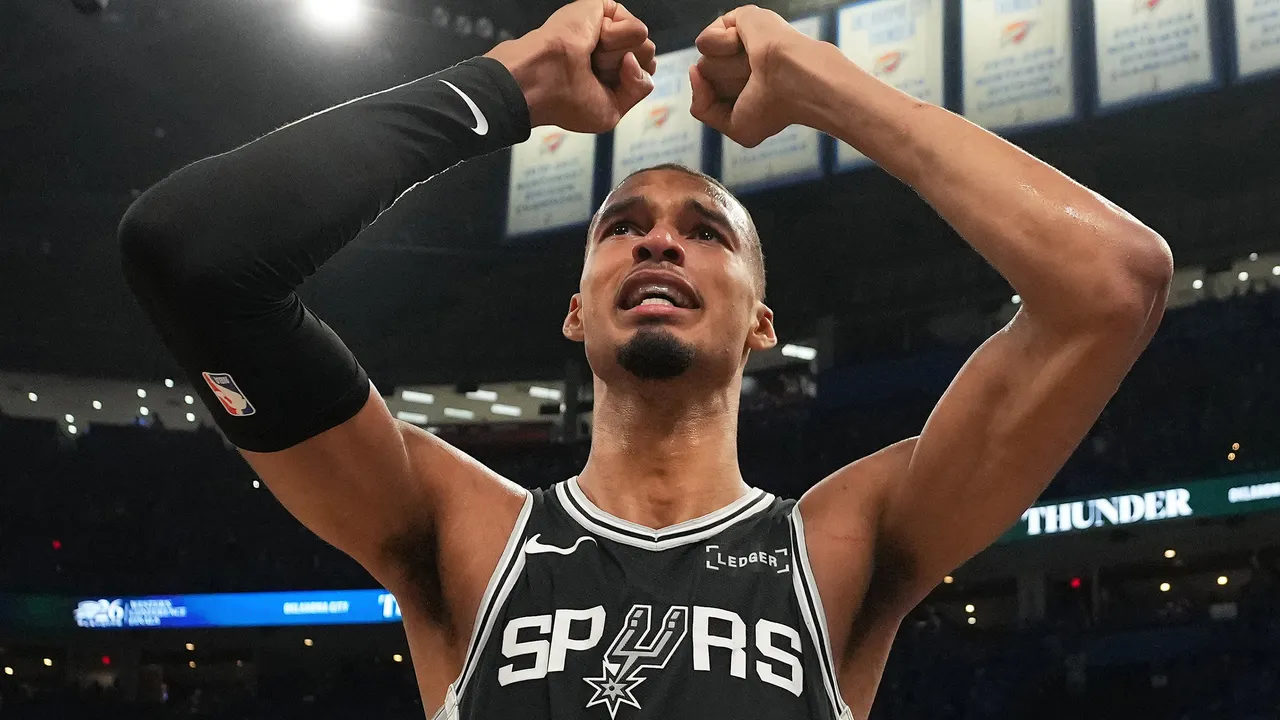
Victor Wembanyama, the San Antonio Spurs’ supernova, opened the Western Conference Finals, against the Oklahoma City Thunder, with forty-one points and twenty-four rebounds in a double-overtime game that seemed to reset the possibilities of professional basketball. He ended Game Seven, a thrilling 111–103 win over the defending champions, with a pedestrian stat line—twenty-two points, two assists, seven rebounds—and a glimpse of his dreams. And when it was over, after he had broken down in tears and screamed with euphoria and relief, he hugged and leaned on his teammates, who had, for much of the second half, become the best versions of themselves, and, collectively, a reflection of him.Wembanyama has an eight-foot wingspan and a nearly ten-foot standing reach. He can dunk without leaving the ground or smoothly sink a standard jump shot—you have to see it to believe it—from forty-two feet. In his third N.B.A. season, he may already be the best defender in pro basketball history. A story of Saturday night’s game could be told in one play, which took place late in the fourth quarter. The Thunder’s implacable scoring machine, Shai Gilgeous-Alexander—among the most gifted foul-baiters of his generation, who had received his second-straight Most Valuable Player award days before—had the ball. Up to this point, he had played (finally!) with his usual surgical precision. Wembanyama, playing with five fouls, was a stray hand away from fouling out of the game, and was all that stood between Gilgeous-Alexander and the basket. But the reigning M.V.P. declined to challenge him.Not that anyone could really blame Gilgeous-Alexander. All series, the Spurs had focussed their tremendous defensive efforts on him, often exclusively. The Thunder’s second-best player, Jalen Williams, who might have had the strength to deal with Wembanyama, and usually relieved the relentless pressure on Gilgeous-Alexander, missed the game because of an injury. Throughout Game Seven—throughout the series, throughout the season—players panicked when they dribbled toward Wembanyama in the paint. Analysts have struggled to invent new statistics that capture how often ball handlers abort their drives and pass or veer away from him.But here is another story of the series: before Game One, Wembanyama had to sit and watch Gilgeous-Alexander accept that M.V.P. trophy—an award Wembanyama had openly sought. He took it personally. During the finals, the Spurs were at their best, statistically, when Wembanyama was on the court. That isn’t surprising. But the same was not true for the Thunder’s best player, Gilgeous-Alexander: Oklahoma City were actually outscored when he was on the floor. (Out of kindness, let us not speak of the performance of Chet Holmgren, who was drafted one spot behind Wembanyama, finished second in Defensive Player of the Year balloting, and was once talked of as Wembanyama’s rival.)So outlandish are Wembanyama’s skills, and so anomalous his physiology, that people commonly refer to him as an alien. It fits. But what comes through when you watch him is his humanity. So much of his game exists not only in psychological dimensions but also in spiritual ones. He meditates before free throws. He cries, he listens closely, he becomes indignant. To ready himself for the demands of the season, he spent ten days training with monks at a Shaolin temple in China.As much as any physical gift, what has made Wembanyama tower over his opponents, and now, it seems, over the sport, is his ability to rise to the moment. In this series, he understood the stakes and didn’t flinch. “This game is so hard, this team”—the Thunder—“is so good, that you gotta use every single emotion you got in you in order to win,” Wembanyama said on NBC’s postgame show. Sometimes he is driven by passion, he said, sometimes by love, sometimes by anger. “Sometimes it might even be jealousy,” he went on. “But I don’t wanna weigh myself down with any of these energies. I use them on the court.” He is twenty-two years old.This Thunder team was impeccably constructed by its general manager, Sam Presti, who made trades that netted valuable draft picks, scoured the league for undervalued talent, found a future M.V.P. in a trade, and built a rotation of thirteen guys who elsewhere would have been starters—all of whom fit the team’s stringent, detail-oriented culture, which Presti had learned, in the early two-thousands, in San Antonio, where he spent the first several years of his career.It is tempting, then, to view the rivalry between the Thunder and the Spurs, now fully realized, as a battle between a team and an individual, the swarm and the superstar. But the most surprising thing about the Spurs right now might be the performance of Wembanyama’s teammates. In Game Seven, the Spurs outplayed the Thunder throughout the first half, and yet victory was still within reach for the defending champs. Then a guy named Julian Champagnie, who’d gone undrafted four years ago and been cut by the Philadelphia 76ers three years ago, and, at that point, considered his career done, came into the game, and started drilling threes. The veteran point guard De’Aaron Fox flew around the court despite a high ankle sprain and delivered any number of winning plays. The rookie Dylan Harper—age twenty!—played with remarkable poise.And when Wembanyama went to the bench in the fourth quarter with five fouls, and Gilgeous-Alexander began finding the space that he thrives in, and the excitement swelled in the partisan Oklahoma City crowd, with plenty of time still on the clock, Luke Kornet checked in. Kornet is an élite comedian, a competent backup, even a good writer! But he is not, let’s face it, on the level of the other players who were on the floor, playing some of the best basketball we’ve ever seen. And suddenly, with six minutes left and the Spurs up by six, he found himself racing after Isaiah Hartenstein, who had just stolen the ball and had an open lane to the basket. Kornet chased him down and cleanly blocked his shot, leading to a Spurs basket on the other end. It was a four-point swing and, in retrospect, the beginning of the end for the Thunder.The block was one thing. The reaction on the bench was another. Wembanyama—usually the one to make that kind of play—clenched his fist and bit it. Kornet’s teammates embraced him. There was a palpable sense of inspiration flowing from player to player. Presti brought San Antonio’s team-oriented culture to Oklahoma City, but Wembanyama has brought a culture, too, and, by the force of his example and his will, he has remade the image of his team.Someone will have to tell the young Spurs—kids, really—that there is yet another series to play. It begins on Wednesday. The N.B.A. Finals! Against the New York Knicks! The Knicks will come in fully rested, after two straight sweeps. Thanks to some recent strategic changes, and the dazzling force of their growing confidence, they have transformed from a very good regular-season team into one that has looked, at times, almost unbeatable. The Spurs, meanwhile, exhausted themselves to beat the Thunder. The finals will be a test in almost every way. Wembanyama in the Garden, Jalen Brunson in the clutch, Karl Anthony-Towns at the top of the key, Fox at full speed, OG Anunoby doing—well, almost anything: basketball nirvana. The dream. ♦
Victor Wembanyama Towers Over the Thunder, and the Game of Basketball
San Antonio’s Game Seven victory against Oklahoma City announced the arrival of the N.B.A.’s most remarkable new superstar in years, Victor Wembanyama.
TL;DRAI
Victor Wembanyama led the San Antonio Spurs to a 111–103 Game 7 win over Oklahoma City, capping a series he opened with 41 points and 24 rebounds in double overtime. Three seasons in, his 8-foot wingspan and 42-foot shooting range are redrawing the defensive and offensive limits the sport once considered fixed.
1,207 words~5 min read