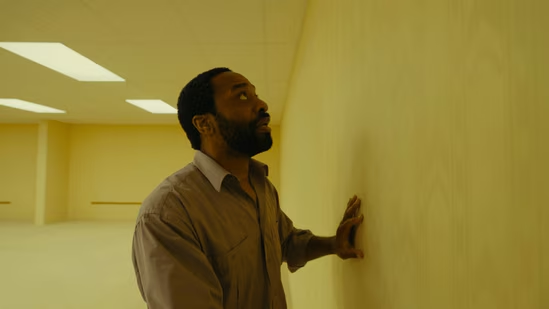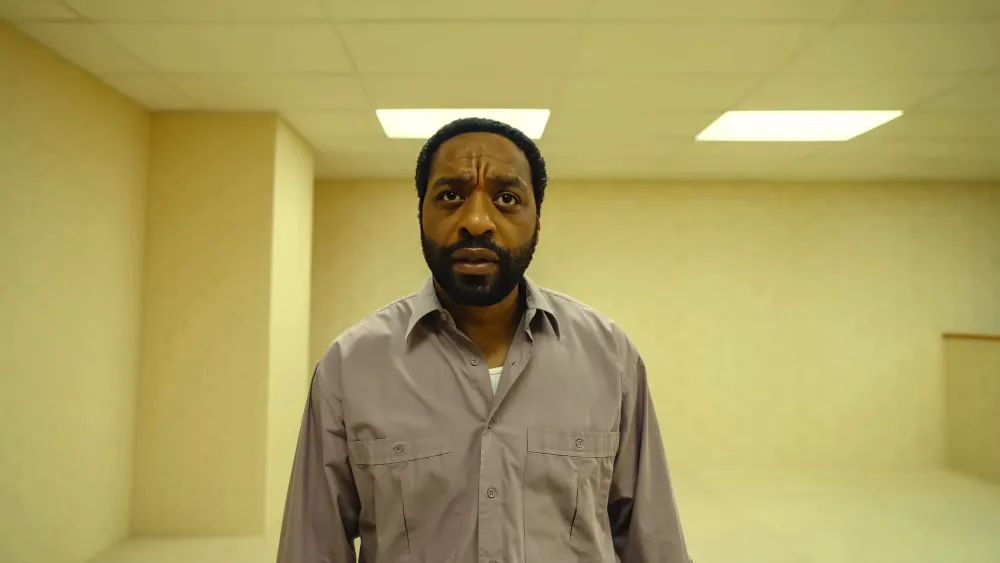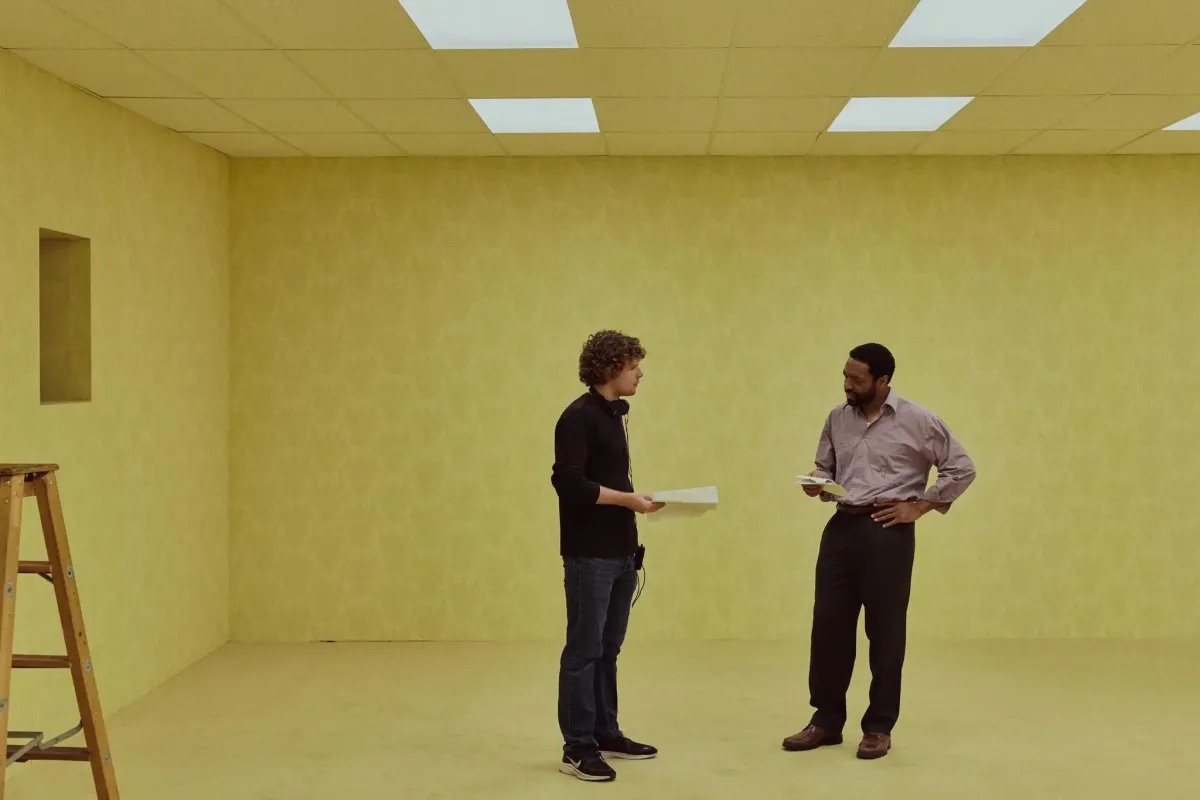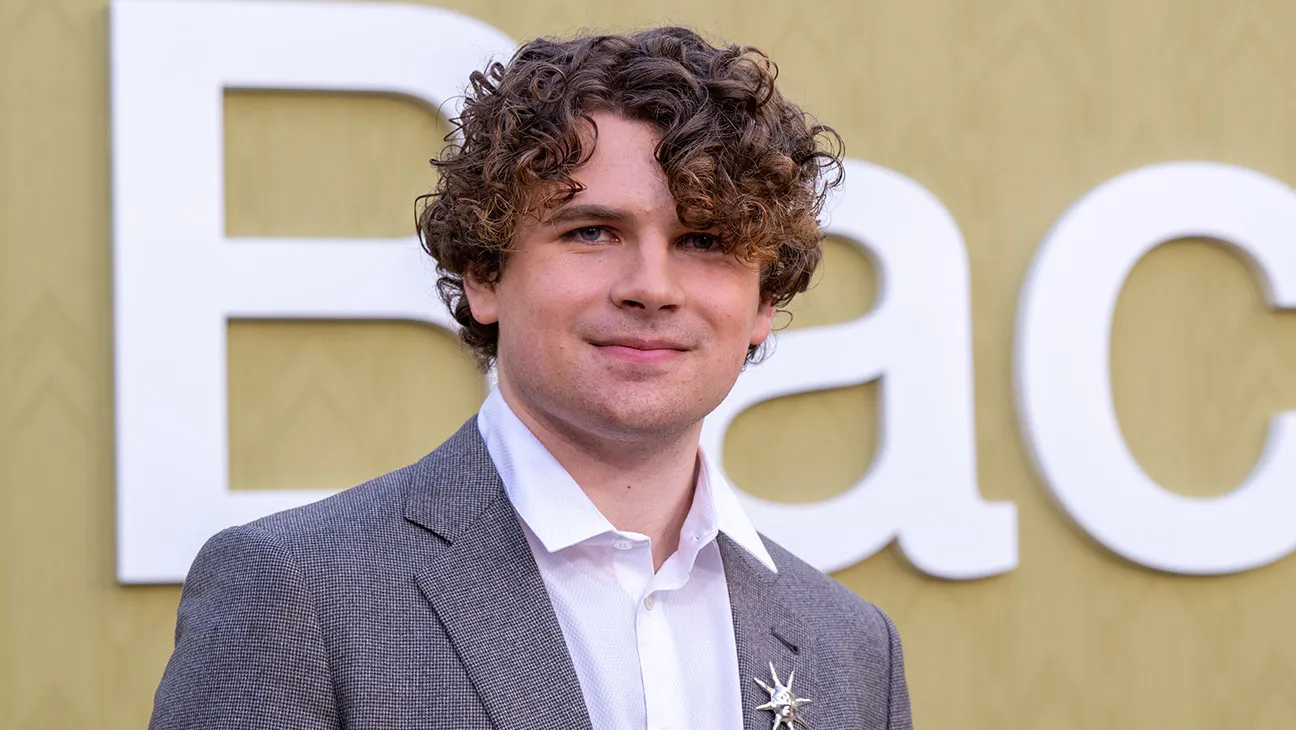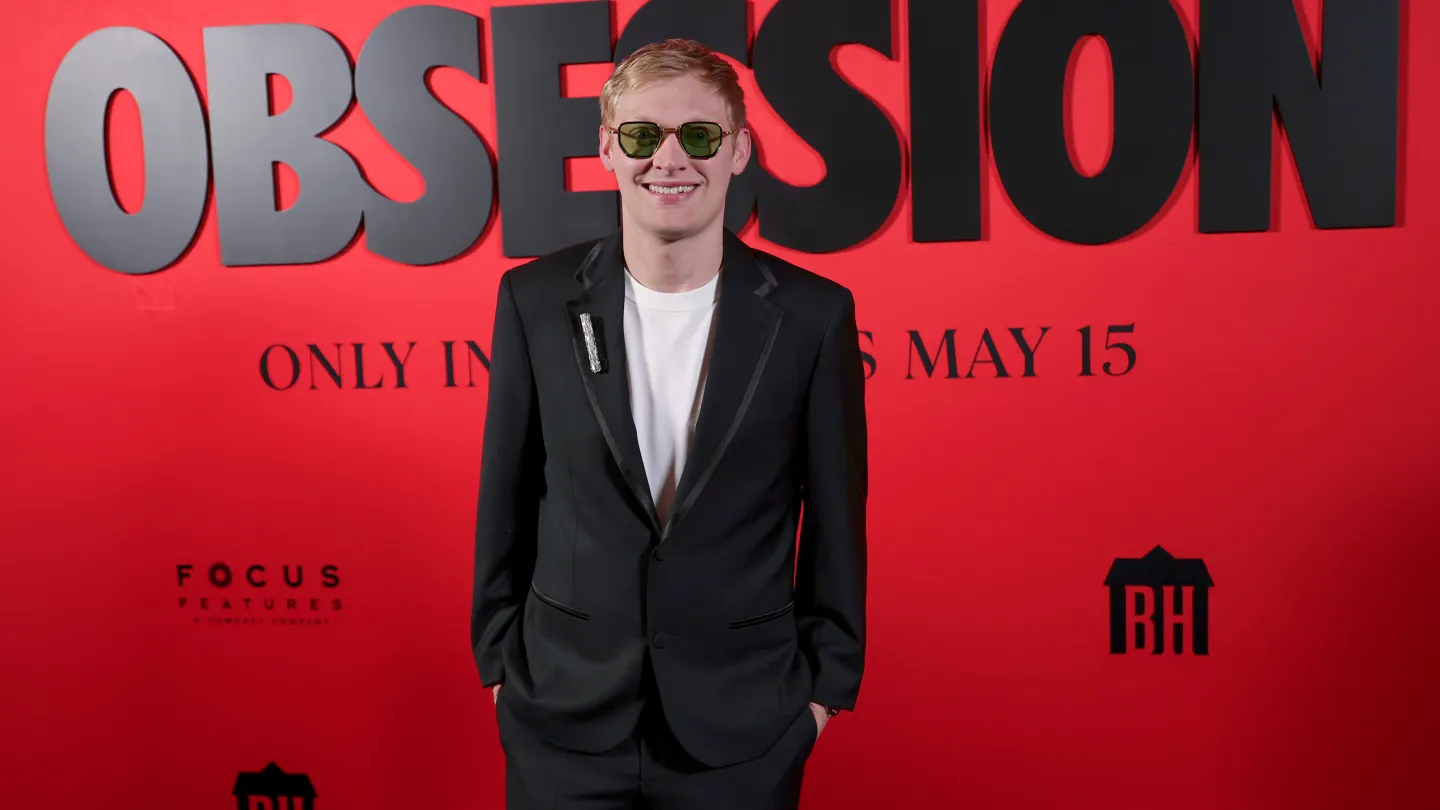
Ari Aster and Alex Garland can suck it — Kane Pixels is in town.So essentially have gone the headlines this weekend, as the A24 baton transferred from its hipster staples to 20-year-old Backrooms director Kane Parsons (aka Kane Pixels to his 3 million YouTube followers).Parsons sat in a second-grade classroom when A24 released its first movie. No matter: in one weekend his film outgrossed every A24 movie in history but one. Yes, bigger than Civil War, bigger than Lady Bird, bigger than Midsommar, bigger than Everything Everywhere All at Once. The only A24 movie it hasn’t caught? Marty Supreme. Give it a few days.Backrooms sets new marks for low-budget movies even as Curry Barker’s Obsession does the same — and just several months after the self-distributed low-budget horror movie Iron Lung from the creator Markiplier broke its own records (and as the movie lands exclusively for rental and purchase on YouTube Sunday; with Markiplier’s 38 million subscribers, expect a windfall).But to see these three films as a set of fortuitous one-offs — a breath of fresh air for the business but no more lasting than a passing wind — is, I think, to seriously miss the nature of what’s happening here. In a word: a teetering, if not the first hints of a collapse, of a legacy-driven studio system. That system will give way from the kind of top-down mega-budgeted gatekeeping that began roughly a quarter-century ago with Lord of the Rings and Harry Potter (improbably, both still dragging on via subscription television in the late 2020’s) to a fresh kind of bottom-up entertainment that, given its enablement by the biggest company in the world, is both more capitalistic than the current model and yet, given its auspices, also the most unruly and democratic that entertainment has been in a half-century. Nothing captures this new reality like the sight this weekend of Obsession and Backrooms packing in theaters while screening rooms for Star Wars: The Mandalorian and Grogu sat empty. People who got famous on YouTube were major draws, while a corporate franchise from the world’s biggest entertainment company was a goner. Of course that franchise itself embodied rebel youth when it came out 49 years ago this week. The guard changes; what was once new is now old. Indeed, Jason Blum on Saturday compared this moment to the ’70s. And while cinematically that evidence may not yet be persuasive, in the face of a young generation listening only to its own instincts, economically jolting a sclerotic system, the parallel feels bang-on. I’ve spent the past few days talking to people inside and outside the traditional film business to determine what this moment means and concluded that to explain the significance as one of talent discovery — YouTube as the new film school, YouTube as the new film festival, YouTube as the new music-video breeding ground — is to dramatically underplay it. Sure, believe that everything found there will just be absorbed into a system that will go on merrily churning if you like. But I think that greatly underestimates the sheer force of Google and the full business quake that awaits us.Just listen to the intentions of YouTube executives themselves. “We say YouTube is the new Hollywood,” Angela Courtin, YouTube’s vp for marketing brand, creative, culture & media, said when I asked her on Friday what this trio represents. “It’s where people go to connect with everything they love. We’re going to keep building that.” The service already laps all its competitors in TV viewing time. It’s worth taking these pledges seriously.First, the disclaimer. YouTube has no desire to be a theatrical distributor itself, which is why the Focus and A24s of the world still have a place. And YT is not really interested in financing movies, though they could do it with Google pocket lint.But the qualifiers end there. And the ways this all will change the model for theatrical releasing begin. Some of this may sound a little wild. But stick with me.
The Movie Business Is About to Get VidCon-ized
Three YouTubers' theatrical hits this year — including Kane Parsons' 'Backrooms' this weekend — hint at a new economic order even many in the business may not be ready for
TL;DRAI
Kane Parsons, 20, directed Backrooms to A24's second-best debut ever, outgrossing Civil War and Midsommar. YouTube's audience infrastructure, brand partnership pipeline, and elastic post-theatrical windowing give creator-driven films structural leverage that directly undercuts the legacy studio gatekeeping model.
2,370 words~11 min read