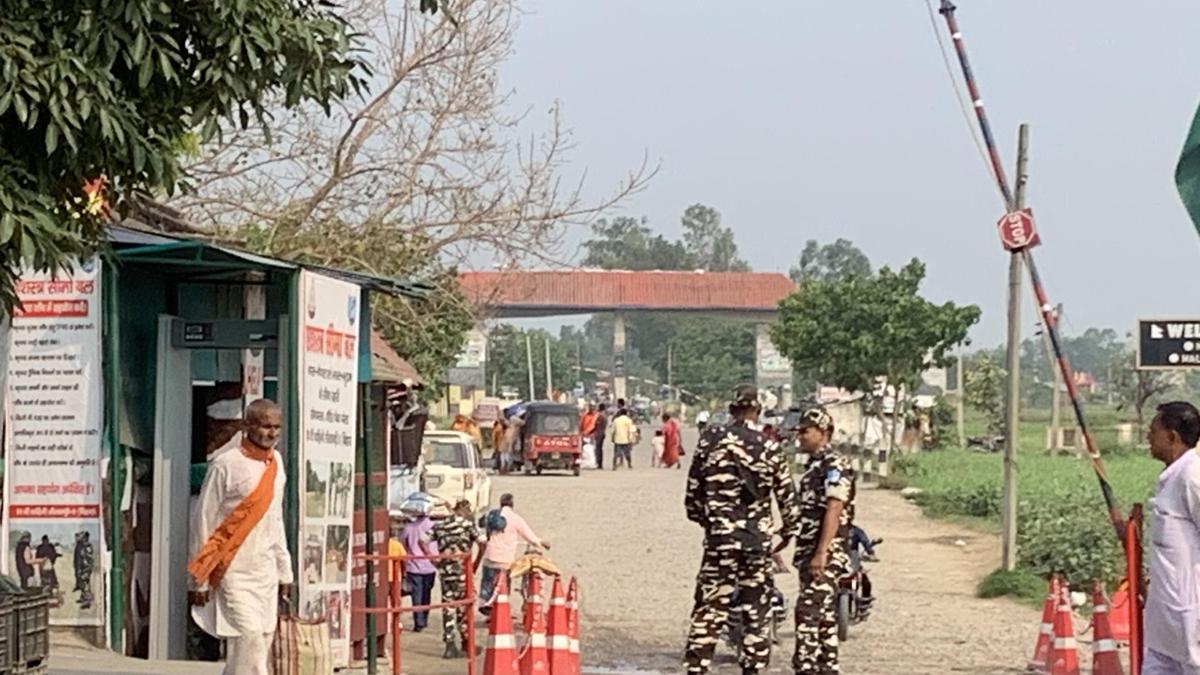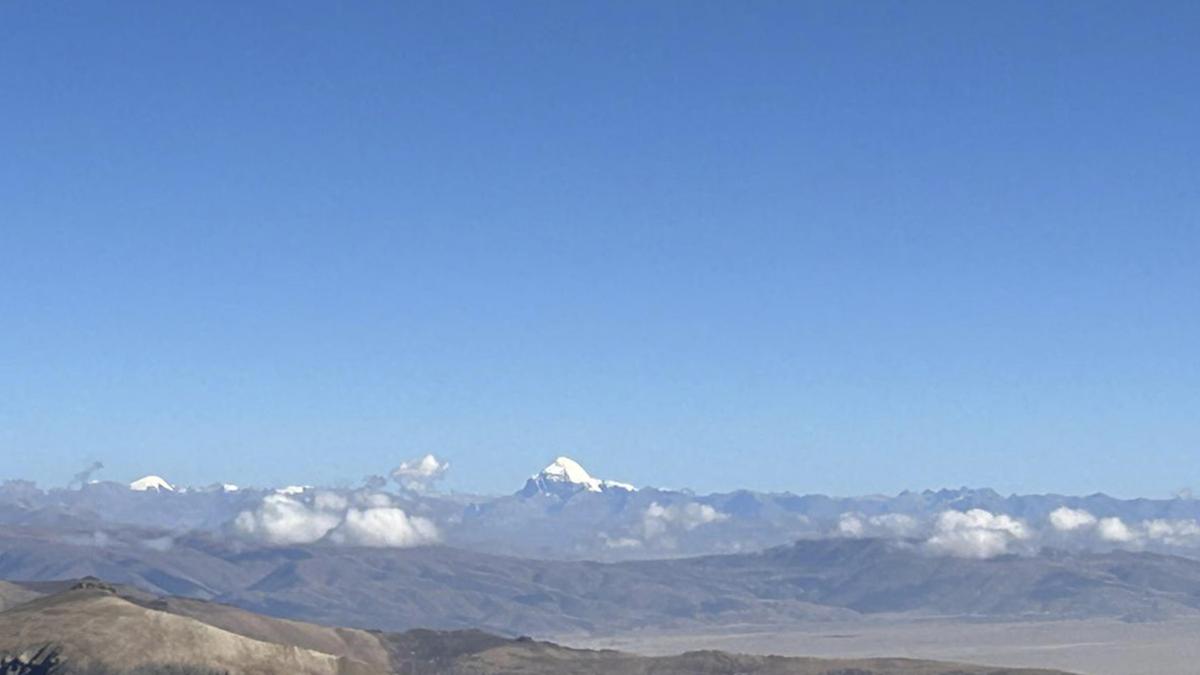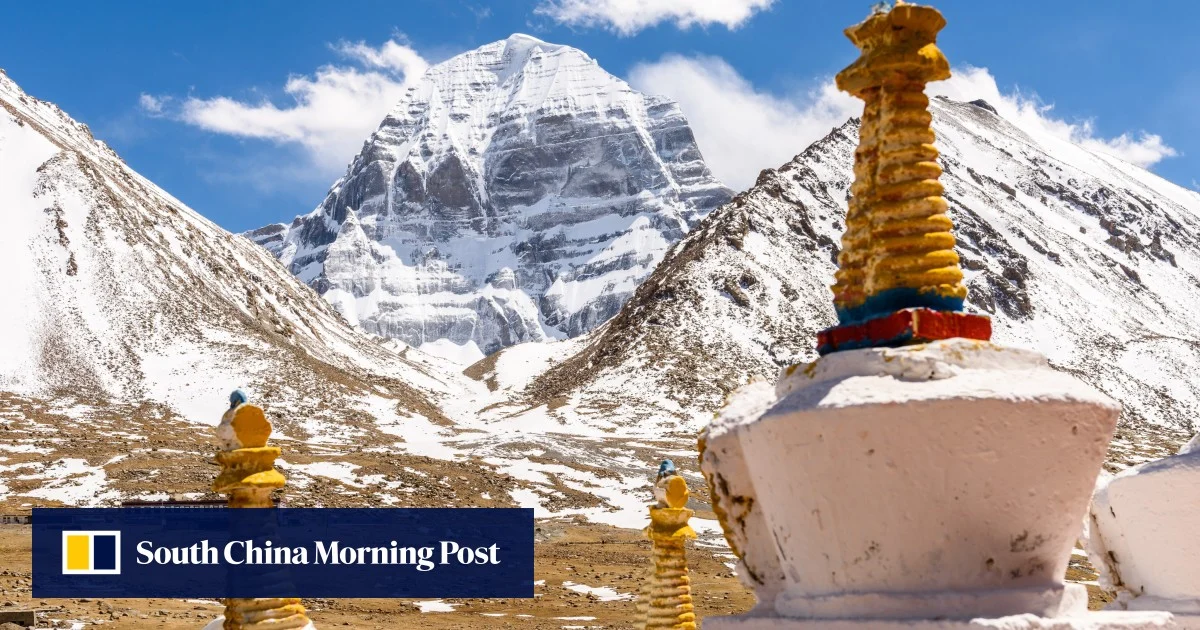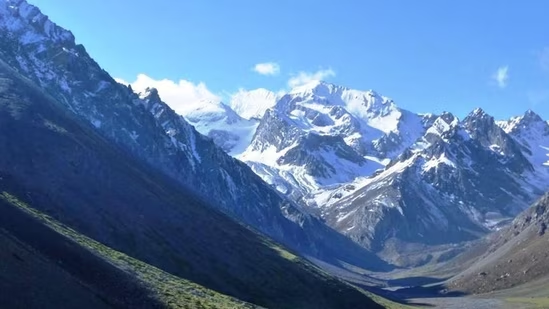
The dispute between India and Nepal over the Lipulekh pass is once again in the headlines. The latest comes after Nepal's prime minister, Balendra Shah, stated that the matter regarding the boundary dispute will also be raised with the United Kingdom since the issue dates back to the British Raj in India.Among the two routes used for this pilgrimage is the Lipulekh Pass in Uttarakhand. However, Nepal has staked a territorial claim over the pass, stating that it is part of Nepali territory. (FILE PHOTO/Gopal Karki)The latest dispute over the pass follows India and China's announcement of the 2026 Kailash Mansarovar Yatra, a pilgrimage to Mount Kailash and Lake Mansarovar in Tibet, as part of their renewed diplomatic ties.Among the two routes used for this pilgrimage is the Lipulekh Pass in Uttarakhand. However, Nepal has staked a territorial claim over the pass, stating that it is part of Nepali territory.With the dispute dating back to 1816, even 210 years later, the matter still remains a point of contention between the neighbouring countries.What is the Lipulekh pass?The Lipulekh pass is a Himalayan pass situated at the trijunction of India, Nepal and China. While the pass runs through Tibet, due to Chinese governance in the autonomous zone, it is considered part of China.The pass serves as a vital border for Indo-China trade and the Kailash Mansarovar Yatra pilgrimage. Located in the Kumaon Himalayas, the pass connects Uttarakhand with Purang (Taklakot) in Tibet.What are the territorial disputes?The root cause of the disagreement between India and Nepal over the pass is over the exact source of the Kali river. Under the 1816 Sugauli Treaty, the river forms a natural border between the two nations.In an adjustment in 1865, the British in India shifted the border near Lipulekh to the watershed of the Kalpani stream, which would come to be known as the Kalpani territory.Also Read | 'Issue dates back to British India': Nepal to rope in UK, China amid dispute over Lipulekh PassFollowing independence from the British, India inherited these regions and argues that Kalapani, Lipulekh, and Limpiyadhura are part of the state of Uttarakhand. Furthermore, India also claims due to its control and administration of the region since the 1962 India-China war.However, Nepal maintains that these areas lie to the east of the Kali River and therefore fall within its territory.Key flashpoints and how China comes into the mixWhat adds to the dispute is that Nepal argues that trade between India and China through this pass is often held without Nepali consent.In 2015, India and China agreed to use Lipulekh for bilateral trade and the Kailash Mansarovar pilgrimage, triggering widespread protests in Nepal.Five years later, in 2020, India inaugurated a newly constructed road by the Border Roads Organisation, connecting Dharchula in Uttarakhand to Lipulekh to ease travel for pilgrims.However, in response, Nepal updated its political map and constitution to include the disputed territory as part of its territory.India has strongly rejected this claim and slammed Nepal for its "unilateral and unjustified actions."In 2025, tensions once again reignited after India and China renewed their diplomatic relations, which had come to a pause due to a clash between Indian and Chinese forces at the Galwan Valley.From 2026 onwards, India and China announced the resumption of the Kailash Mansarovar Yatra pilgrimage, and one of the key routes for pilgrims will be the Lipulekh pass.Nepal has objected to this use and lodged a formal protest with both India and China, stating that the route was decided without Nepal being consulted.
All about Lipulekh: The key pass that has India and Nepal locked in a 210-year-old dispute | Explained
The latest dispute over the pass follows India and China's announcement of the 2026 Kailash Mansarovar Yatra. | India News
TL;DRAI
India and China's 2026 Kailash Mansarovar Yatra via Lipulekh has reignited a 210-year border dispute with Nepal over the 1816 Sugauli Treaty. Nepal's formal protest and push to involve the UK signal escalating risk at a key India-China trade corridor.
583 words~3 min read