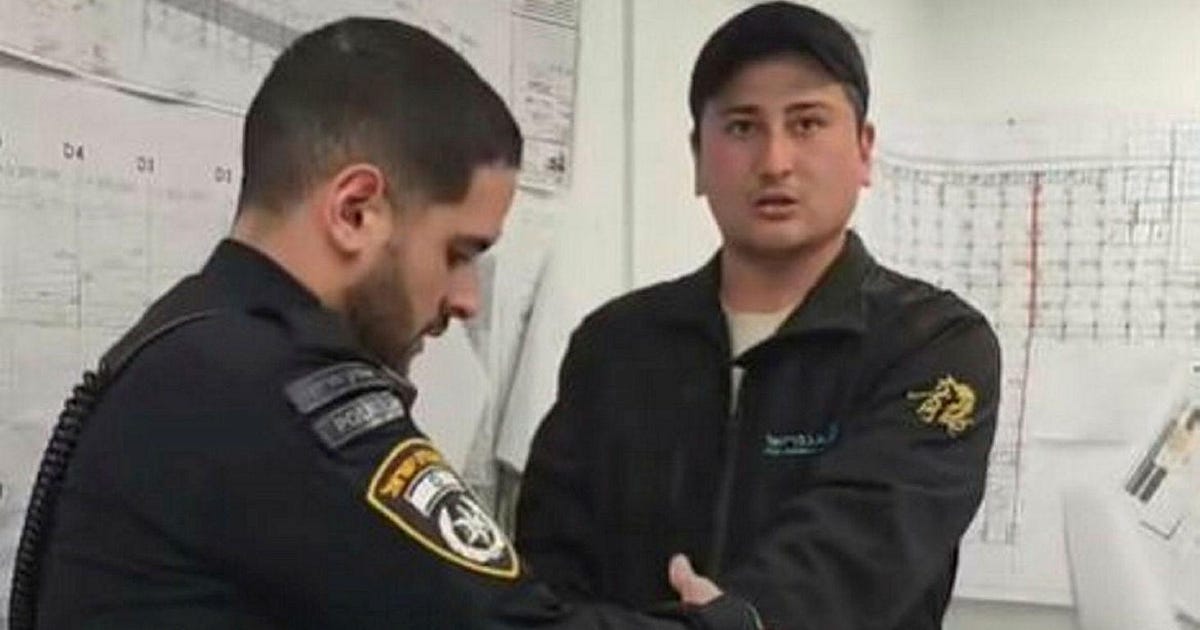
Share to FacebookShare to XArticle printing is available to subscribers onlyPrint in a simple, ad-free formatSubscribeComments: Zen reading is available to subscribers onlyAd-free and in a comfortable reading formatSubscribe06:32 PM • May 31 2026 IDTFor hours, Nikolai had no idea why he had been arrested. In the middle of a shift at a Tel Aviv restaurant, his manager called him out of the kitchen with an unusual message: the police were looking for him. Outside the restaurants, two policemen were waiting and ordered him to get into a police car.CommentsIn the NewsFour Israeli Teens Charged With Murder of 19-year-old After Attack Knife FoundNorthern Israel Hit With Persistent Hezbollah Rocket Fire Amid IDF Lebanon PushAIPAC Is Funneling pro-Israel Money to Candidates and Covering Its TracksHalf of Young U.S. Jews Would Replace Israel With Binational State, Poll FindsNetanyahu's Coalition Pushes Judicial Overhaul, Expecting Imminent DissolutionRemembering and rebuilding two years laterICYMIIsrael Orders Unprecedented Seizure of Religious Site From Palestinian Authority'Israelis Are More Genocidal Than You Think': The 'Counter Hasbara' of Andrey XFormer Israeli Soldier Dies by Suicide in Miami at Age 23Netanyahu's Promises of Victory in Iran End in a Glorious U.S. CapitulationIsrael 2026 Election Poll Tracker: The Latest ProjectionsUN Report Accuses Israeli Forces of Rape, Sexual Abuse of Palestinian Detainees
Ukrainian refugee jailed by Israel Police for a month without questioning
Nikolai Was Taken From His Workplace After Police Told Him They Had 'Just a Few Questions.' Within Hours He Was Told He Would Be Deported. After Israel Sought to Withdraw the Case, the Supreme Court Said the Authorities' Conduct Raises Questions
TL;DRAI
Nikolai, a Ukrainian refugee working in a Tel Aviv restaurant, was arrested mid-shift by Israeli police and held for one month without a single interrogation. The case exposes systemic due process gaps for foreign workers in Israel, with direct relevance for companies employing refugee talent under precarious legal frameworks.
208 words~1 min read