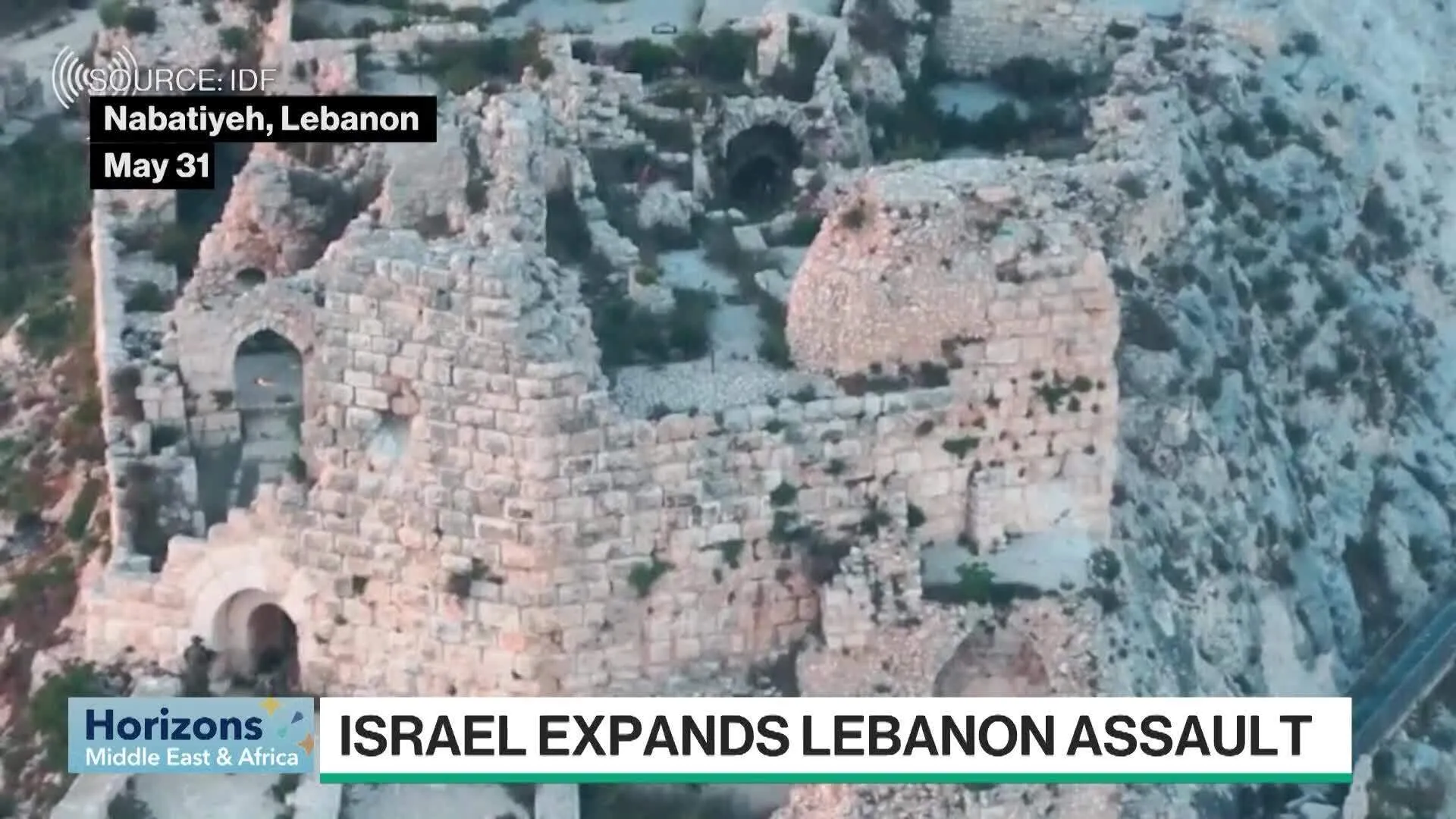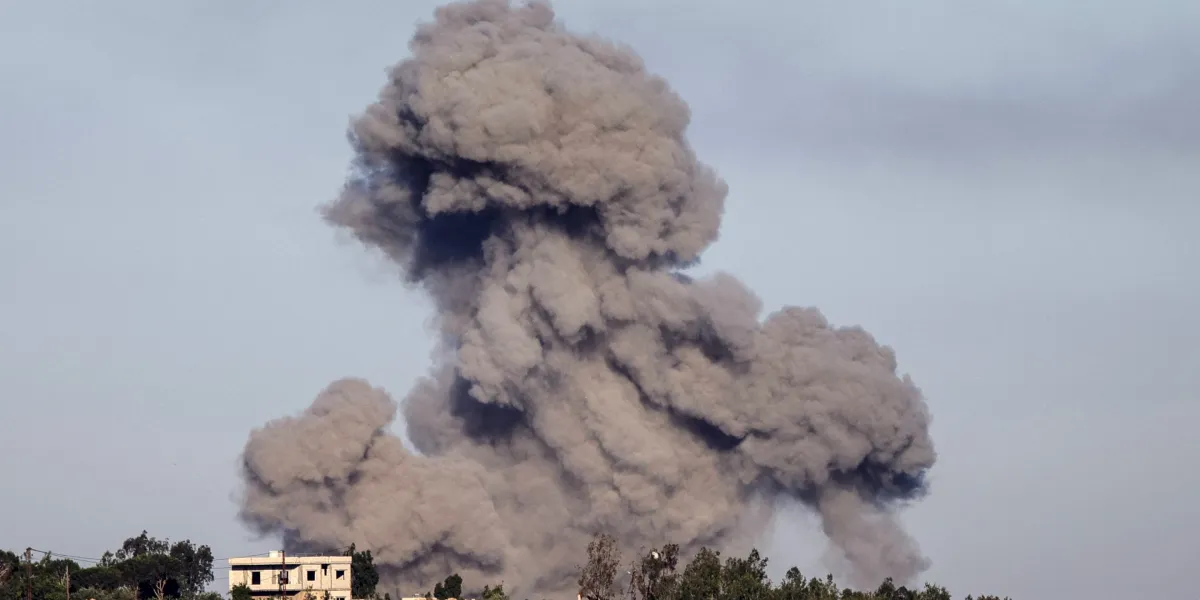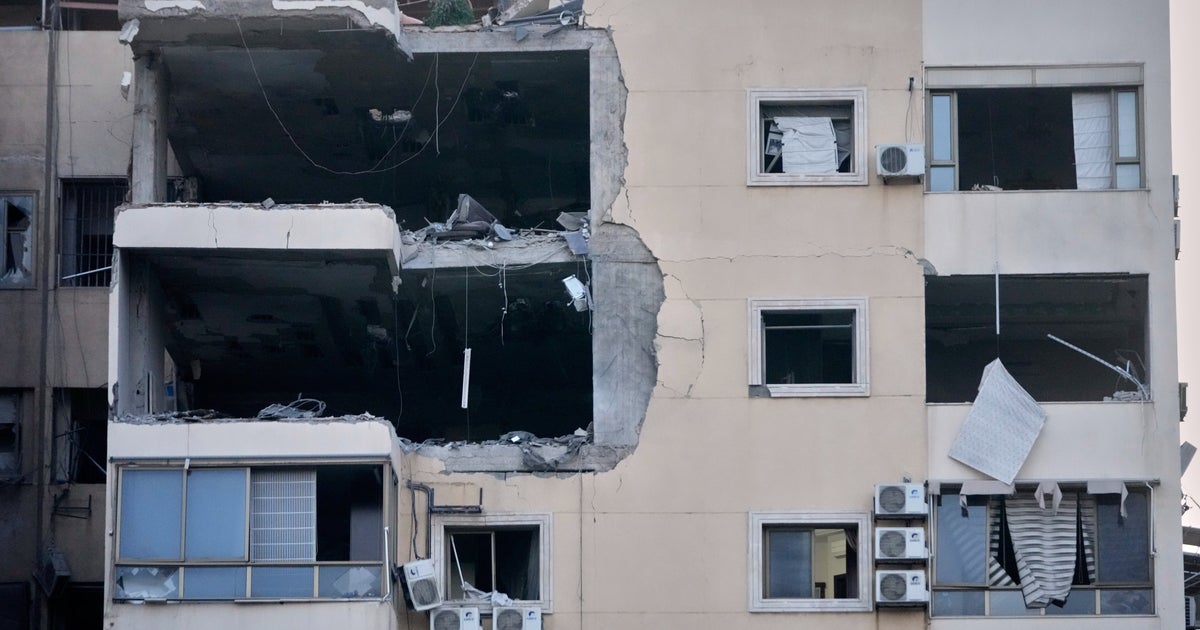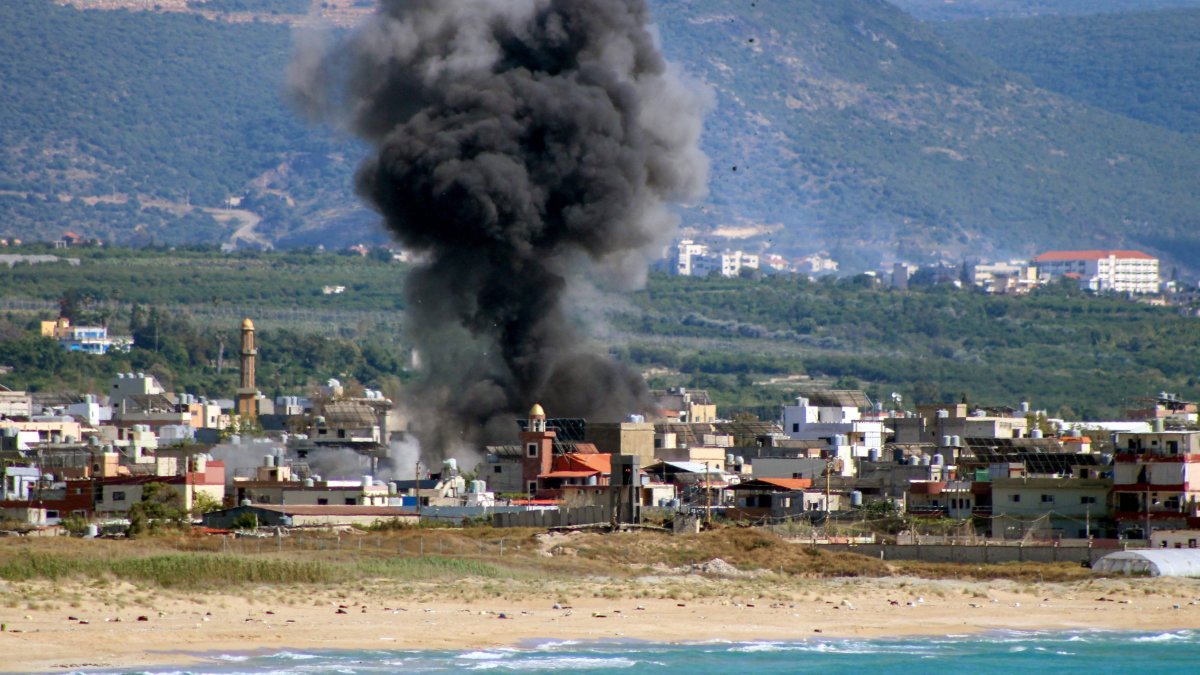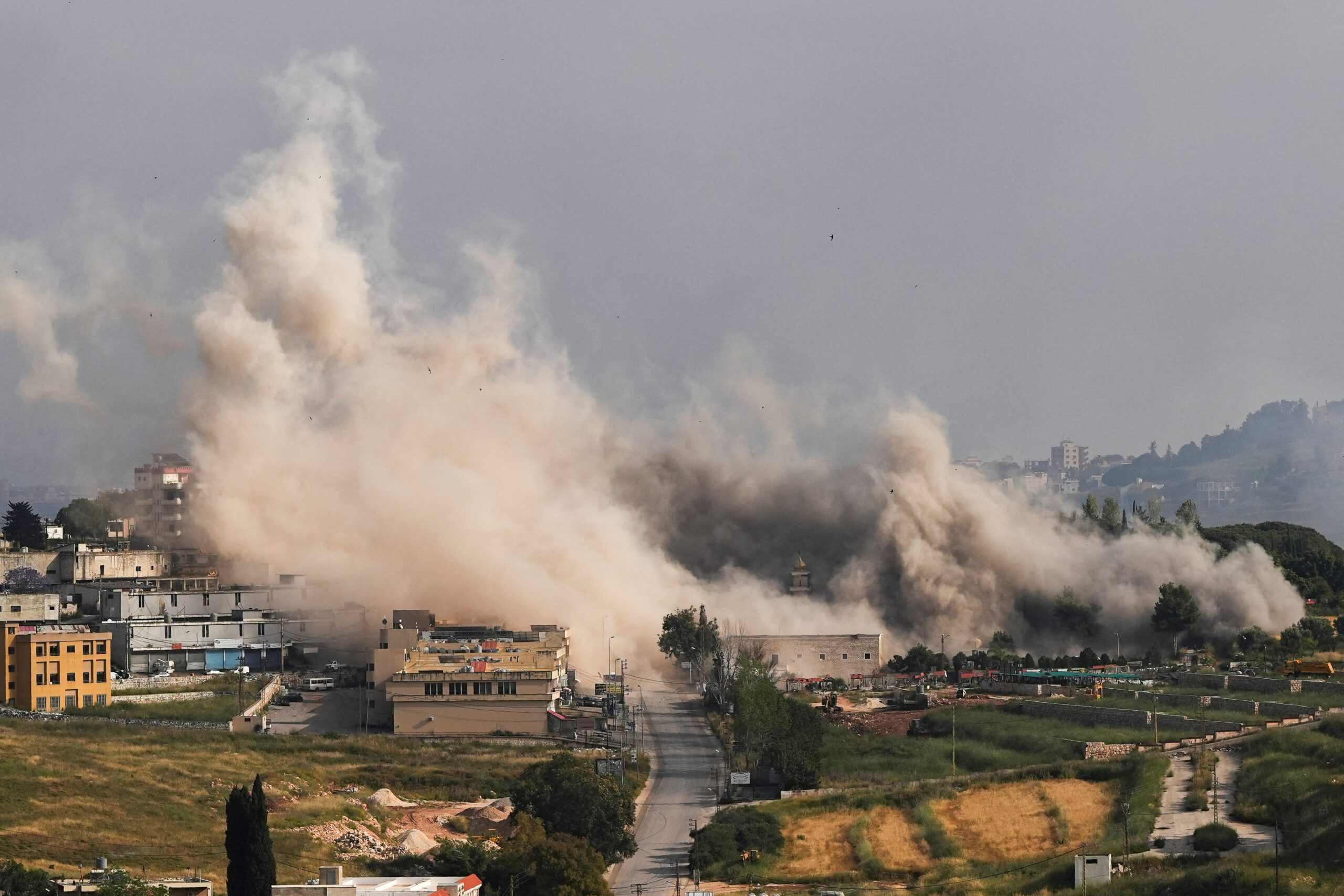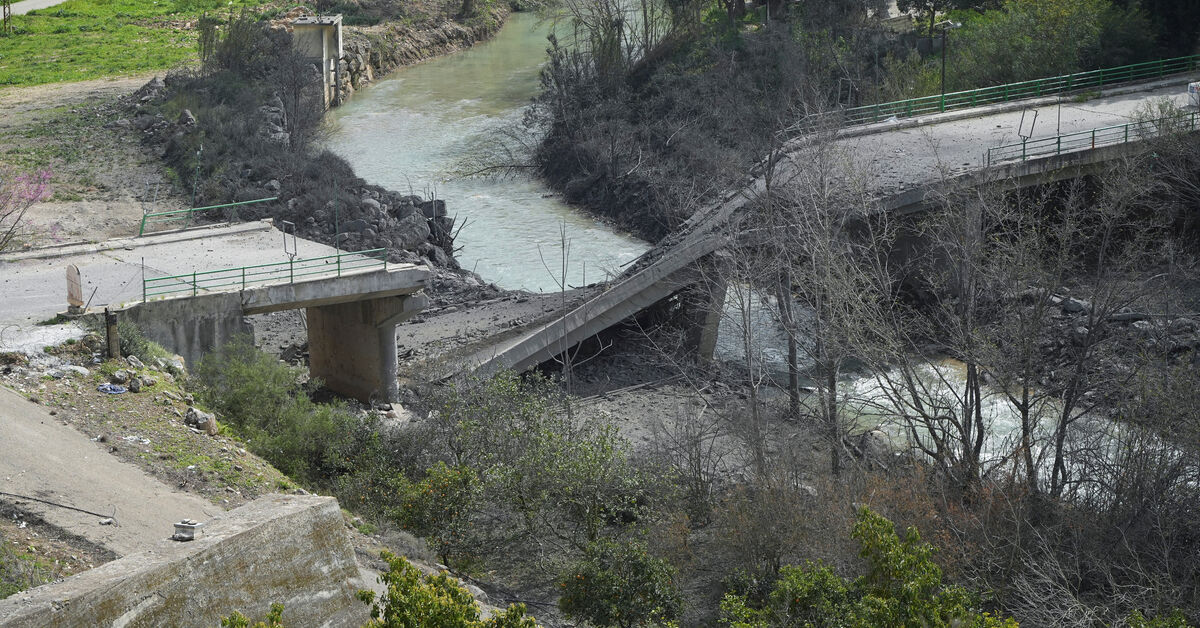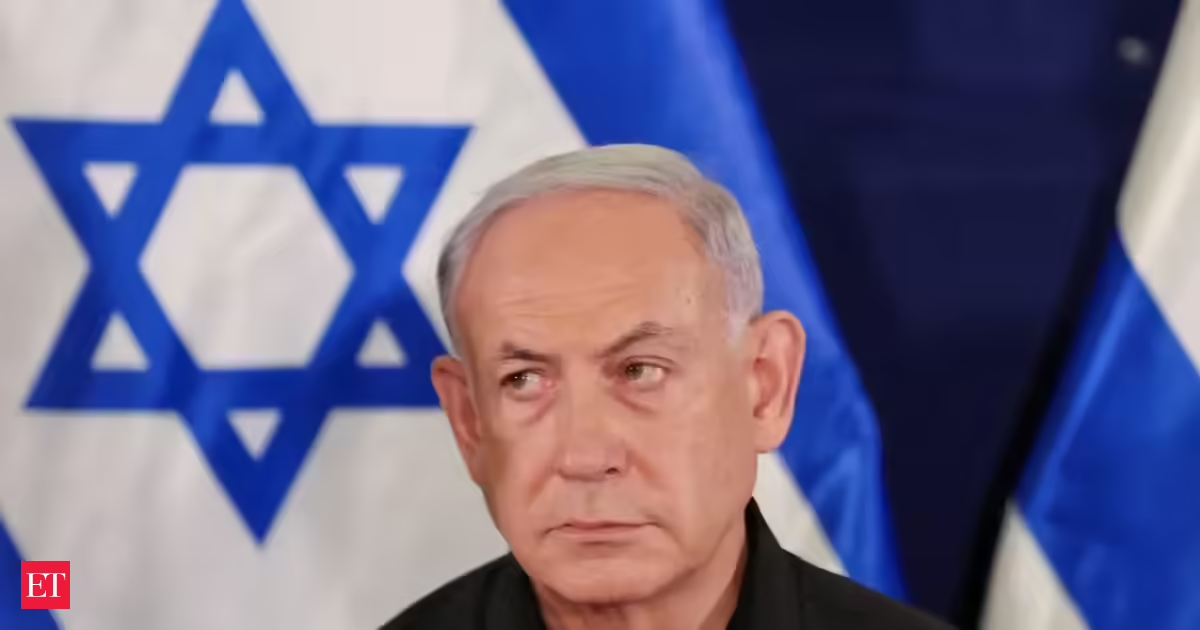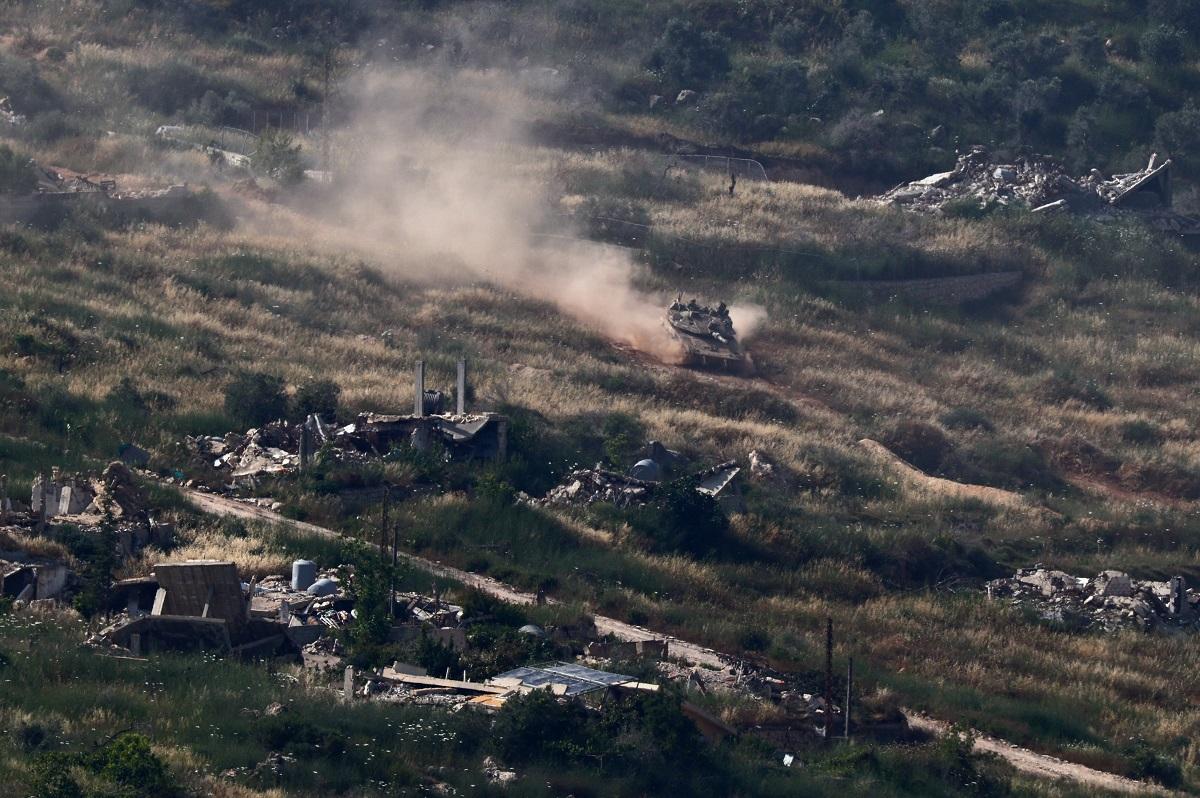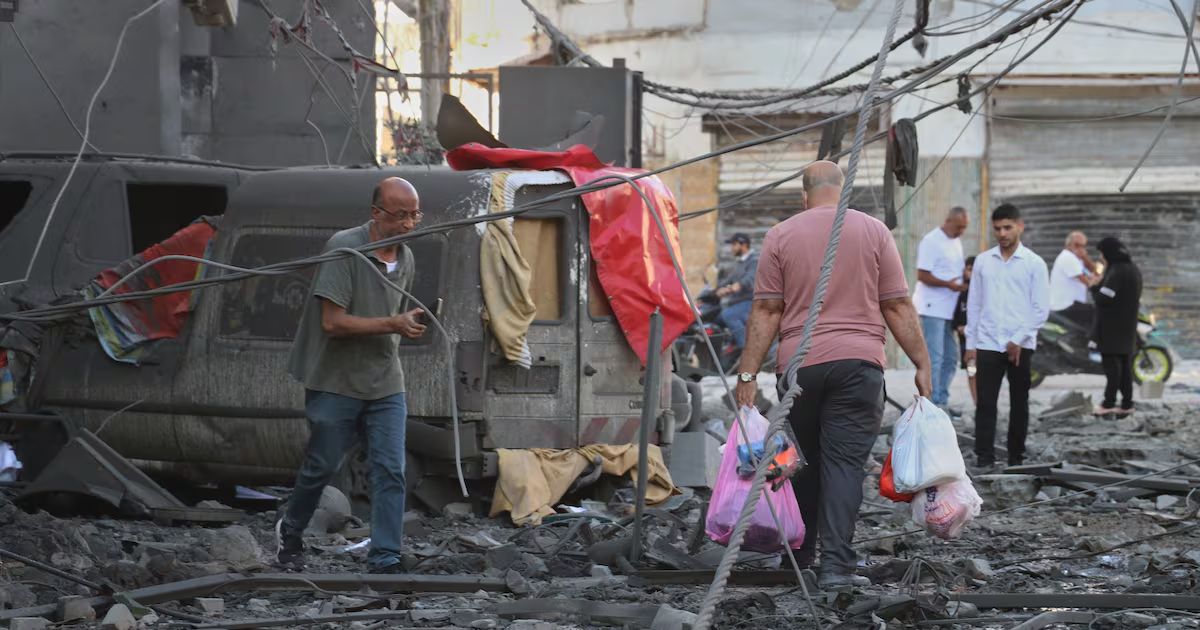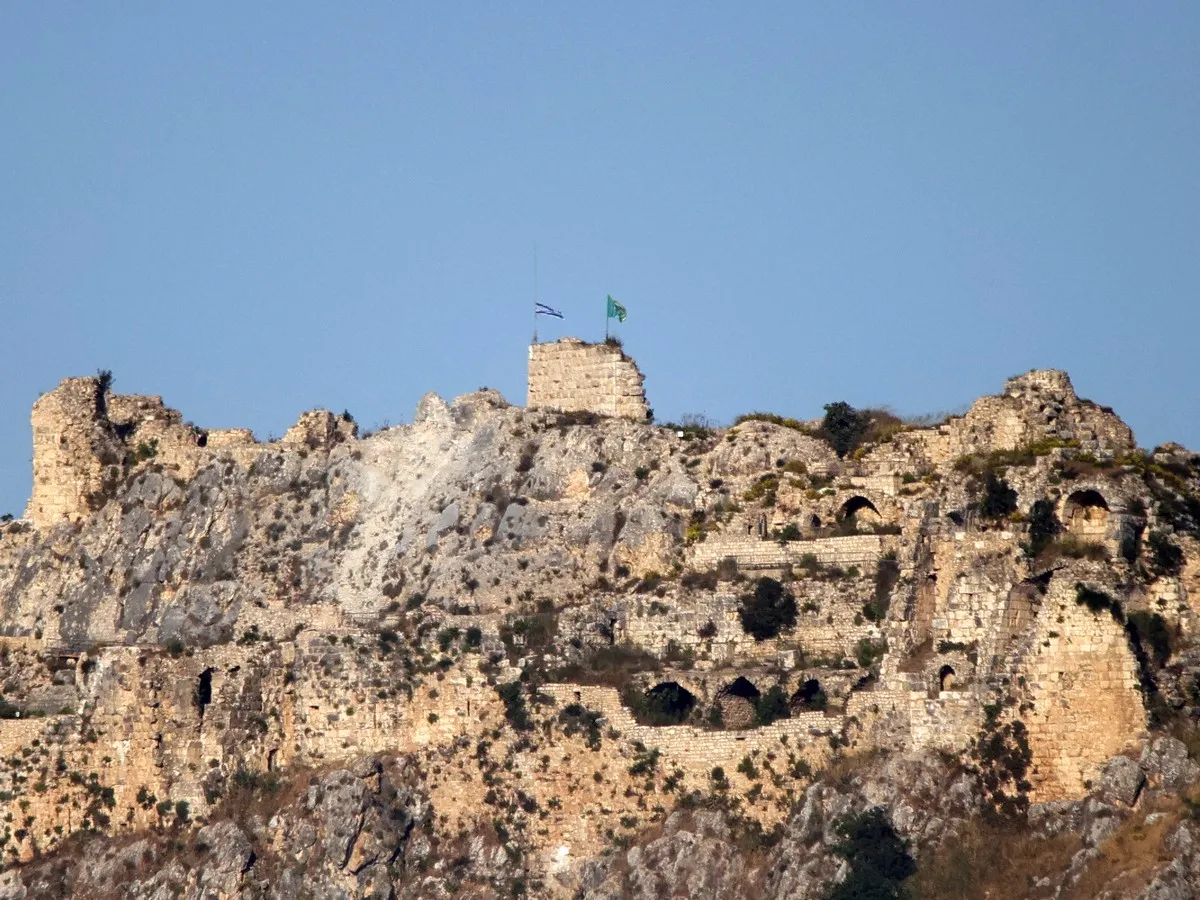
Skip to Content Subscribe Our Offers My Account Manage My Subscriptions FAQ Newsletters Canada Canadian True Crime Canadian Politics Health World Israel & Middle East Financial Post NP Comment Longreads Puzzmo Diversions Comics NP News Quiz New York Times Crossword Horoscopes Life Eating & Drinking Style Sponsored Play for Ontario Travel Travel Canada Travel USA Travel International Cruises Travel Essentials Culture Books Celebrity Movies Music Theatre Television Business Essentials Advice Lives Told Tails Told Shopping Buy Canadian Home Living Outdoor Living Tech Style & Beauty Kitchen & Dining Personal Care Entertainment & Hobbies Gift Guide Travel Guide Deals Savings National Post Store More Sports Hockey Baseball Basketball Football Soccer Golf Tennis Driving Vehicle Research Reviews News Gear Guide Obituaries Place an Obituary Place an In Memoriam Classifieds Place an Ad Celebrations Working Business Ads Archives Healthing Epaper Manage Print Subscription Profile Settings My Subscriptions Saved Articles My Offers Newsletters Customer Service FAQ Newsletters Canada World Financial Post NP Comment Longreads Puzzmo Diversions Life Shopping Epaper Manage Print Subscription HomeNewsWorldIsrael & Middle EastIsrael expands push into Lebanon as Hezbollah launches barrageDefence minister Israel Katz said the IDF had planted an Israeli flag on the historic Beaufort castle near Nabatieh and said the expansion amounted to 'a permanent presence' in the regionAuthor of the article: You can save this article by registering for free here. Or sign-in if you have an account.An Israeli flag flies over the medieval Beaufort Castle in southern Lebanon on Sunday. Israeli Defense Minister Israel Katz said the IDF had seized the fortress the regiona where it has expanded its operations against the pro-Iranian Hezbollah. Photo by AFP STRINGER /AFP via Getty ImagesIsrael expanded its ground assault in Lebanon with its broadest incursion into the country for a quarter of a century as Hezbollah — Iran’s most powerful regional ally — stepped up attacks on Israel’s north.Enjoy the latest local, national and international news.Exclusive articles by Conrad Black, Barbara Kay and others. Plus, special edition NP Platformed and First Reading newsletters and virtual events.Unlimited online access to National Post.National Post ePaper, an electronic replica of the print edition to view on any device, share and comment on.Daily puzzles including the New York Times Crossword.Support local journalism.Enjoy the latest local, national and international news.Exclusive articles by Conrad Black, Barbara Kay and others. Plus, special edition NP Platformed and First Reading newsletters and virtual events.Unlimited online access to National Post.National Post ePaper, an electronic replica of the print edition to view on any device, share and comment on.Daily puzzles including the New York Times Crossword.Support local journalism.Create an account or sign in to continue with your reading experience.Access articles from across Canada with one account.Share your thoughts and join the conversation in the comments.Enjoy additional articles per month.Get email updates from your favourite authors.Create an account or sign in to continue with your reading experience.Access articles from across Canada with one accountShare your thoughts and join the conversation in the commentsEnjoy additional articles per monthGet email updates from your favourite authorsSign In or Create an AccountorAccording to the Israeli military, Hezbollah fired more than 300 “projectiles” at its soldiers in Lebanon and at northern Israel over the weekend. The latest escalation has shattered a brittle ceasefire declared after the Tehran-backed group attacked Israel in response to its war on Iran, which it launched with the U.S. on Feb. 28.Topping a military operation that started several days ago, the Israeli Defence Forces said in a statement that they’d crossed the Litani River and are near Shi’ite-majority Nabatieh — one of the biggest cities in south Lebanon — which the IDF describes as a stronghold of Hezbollah.Columnist Jesse Kline keeps you up to date with what’s happening in Israel and the effects of antisemitism on life here in Canada. Friday mornings.By signing up you consent to receive the above newsletter from Postmedia Network Inc.A welcome email is on its way. If you don't see it, please check your junk folder.The next issue of Channel Israel will soon be in your inbox.We encountered an issue signing you up. Please try again“I have instructed the IDF to expand the incursion in Lebanon. Our forces have crossed the Litani River and took dominant terrain,” Prime Minister Benjamin Netanyahu said in a statement citing the capture of the Beaufort ridge.Sunday’s escalation comes against the backdrop of a tense stalemate between Israel’s top ally, the U.S., and Iran over an agreement that could potentially pave the way for a permanent ceasefire between the long-time foes.“Now my instruction is to deepen and expand our hold on places that were under Hezbollah’s control. The capture of Beaufort is a dramatic change in the policy we are leading,” he said, adding that so-called security zones had now been established by Israel in Syria, Gaza and Lebanon.Earlier on Sunday, Israel Katz, the Israeli defence minister, said the IDF had planted an Israeli flag on the historic Beaufort castle near Nabatieh and said the expansion amounted to “a permanent presence” in the region.Israeli airstrikes in response to renewed attacks by Hezbollah in March have devastated swathes of southern Lebanon and the capital, Beirut, and killed at least 3,370 people, according to the Lebanese health ministry. A photograph taken from the Marjayoun area in southern Lebanon shows smoke rising after an Israeli air strike on the village of Arnoun on May 30. Photo by - /AFPSince the weekend, thousands of residents of dozens of towns and villages in south Lebanon have been ordered to leave their homes by the IDF ahead of its deeper push into the region. The displacement is compounding an already dire humanitarian situation.More than 20 Israeli soldiers have been killed, as well as four Israeli civilians. Many residents in communities close to the border with Lebanon have abandoned their homes. Israeli schools in a zone stretching 20 kilometres (12.427 miles) south of the border have been instructed to shut down, and restrictions have been imposed on public gatherings.The U.S. hosted another round of talks between Lebanese government officials and Israel, in historic negotiations that aim to end hostilities between the two and eventually lead to a peace agreement.Lebanon is demanding a complete truce and Israel wants a guarantee that Hezbollah — which has rejected the negotiations and isn’t taking part in them — is completely uprooted from Lebanon’s south.Iran has demanded that its own peace deal with the U.S. include an end to the conflict in Lebanon, effectively tying it to the fate of its febrile talks with Washington. U.S. President Donald Trump had suggested earlier in the week that an agreement with Iran was near, but the absence of any announcement after a two-hour Situation Room meeting on Friday was the latest conflicting signal from the White House over the prospects for a deal with Tehran.Netanyahu has been highly critical of previous efforts by the U.S. to broker agreements with the Islamic Republic because of its hostility to Israel.He’s used his military strikes on Iran to repeatedly urge Iranians to rise up against the theocratic system governing their country, but the regime has remained intact despite Israeli airstrikes killing scores of its top leaders, including its supreme leader. Iran has closed the vital Strait of Hormuz since the start of the war, disrupting energy supplies out of the Persian Gulf and sending oil prices soaring.Exchanges of messages between Iran and the U.S. over the text of a potential memorandum of understanding are still ongoing, and the two sides are proposing changes, periodically, the semi-official Tasnim news agency, which has close ties to the Islamic Revolutionary Guard Corps, said without citing anyone. It added that no agreement has been reached and it’s still possible that any deal could collapse.Lebanon’s Prime Minister Nawaf Salam said his country didn’t choose this war with Israel and said negotiations were the least costly alternative. “Do the negotiations come with guaranteed result? Certainly not. But it’s the least costly path for our country and our people compared with today’s alternatives,” Salam told reporters at the Grand Serail on Saturday night.Israel has also started scaling up its operations in Gaza in recent weeks as it prepares to expand its occupation of the devastated Palestinian enclave to 70% of the land, in line with a directive issued by Israeli Prime Minister Benjamin Netanyahu.Netanyahu did not give a time frame for the expanded land seizure, which would further stretch an Israeli military that’s been at war for the past two and a half years. The multi-front conflict sparked by Hamas’ attack on Israel in October 2023 is the longest and most expensive in the Jewish State’s history, bearing a price tag of 405 billion shekels (US$144.5 billion) through the end of this year, according to the Bank of Israel.— With assistance from Arsalan Shahla. Join the Conversation This website uses cookies to personalize your content (including ads), and allows us to analyze our traffic. Read more about cookies here. By continuing to use our site, you agree to our Terms of Use and Privacy Policy.
Israel expands push into Lebanon as Hezbollah launches barrage
Israel expanded its largest military operation in Lebanon in 25 years as Hezbollah escalated attacks and regional tensions rise amid U.S.-Iran negotiations.
1,498 words~7 min read