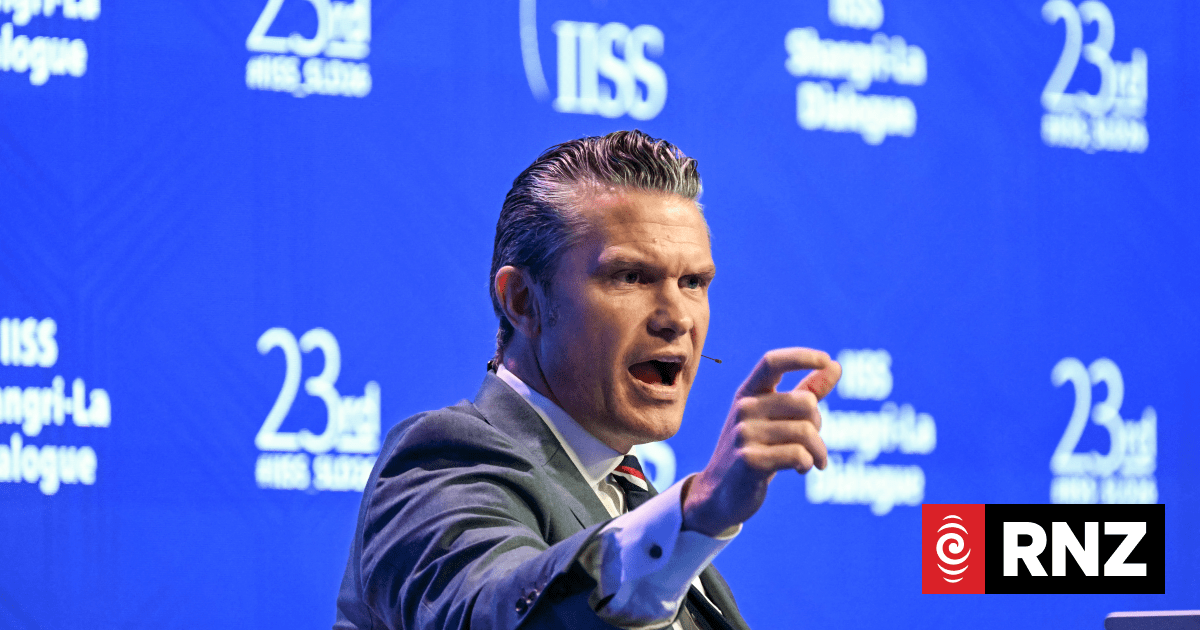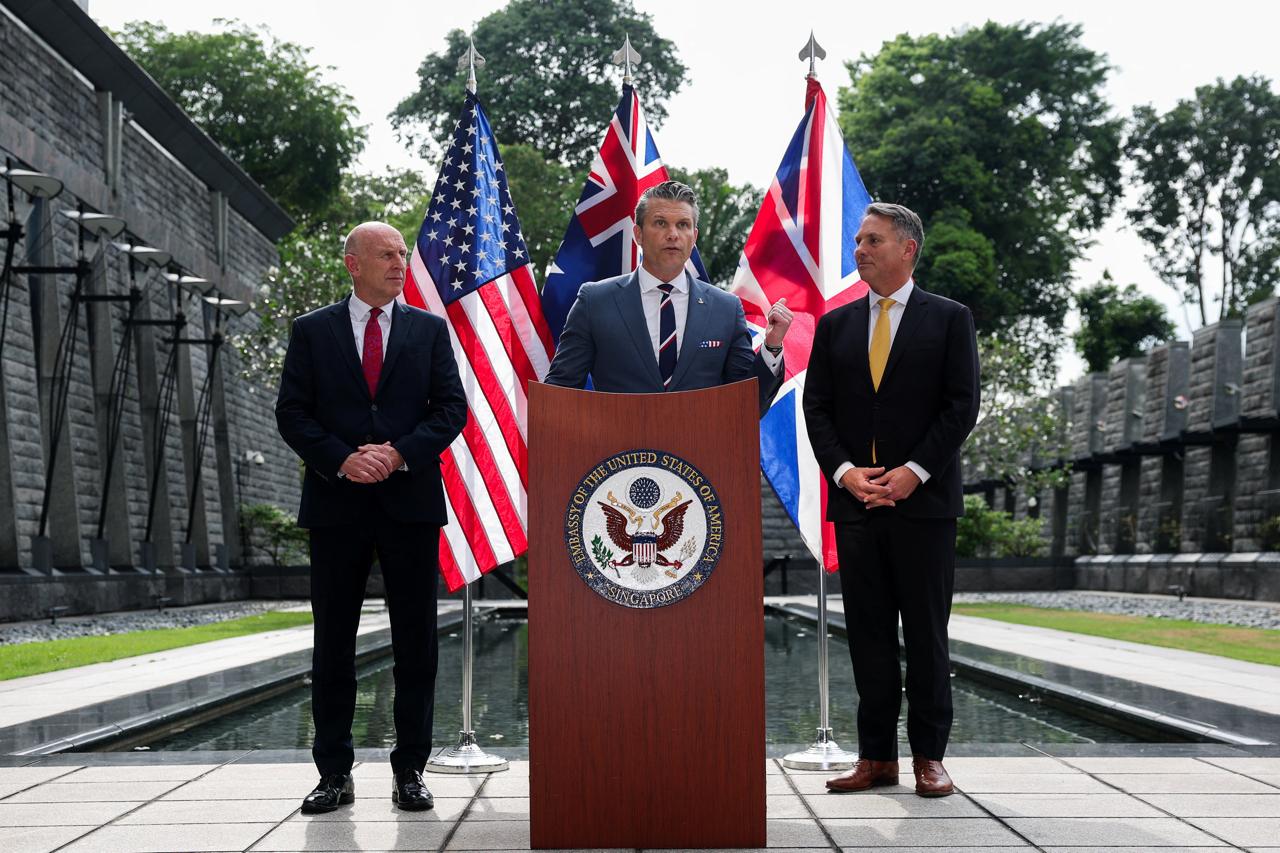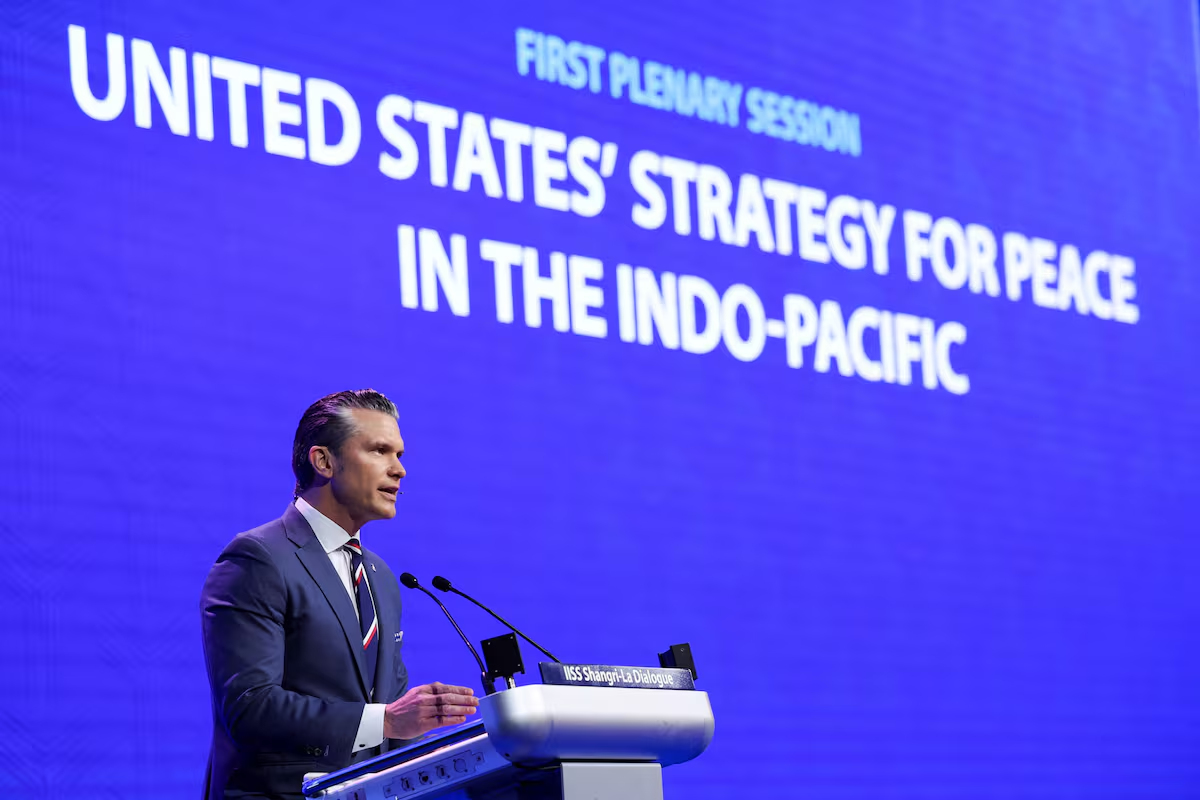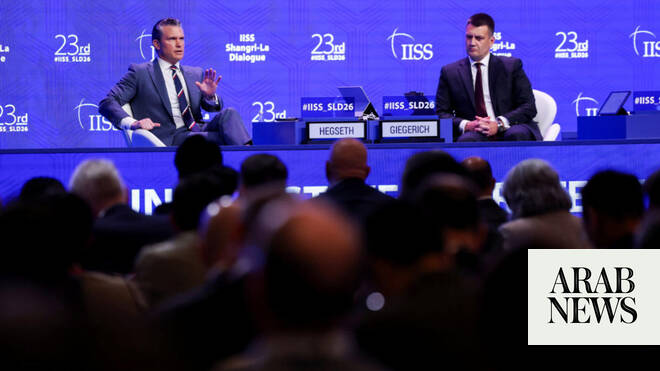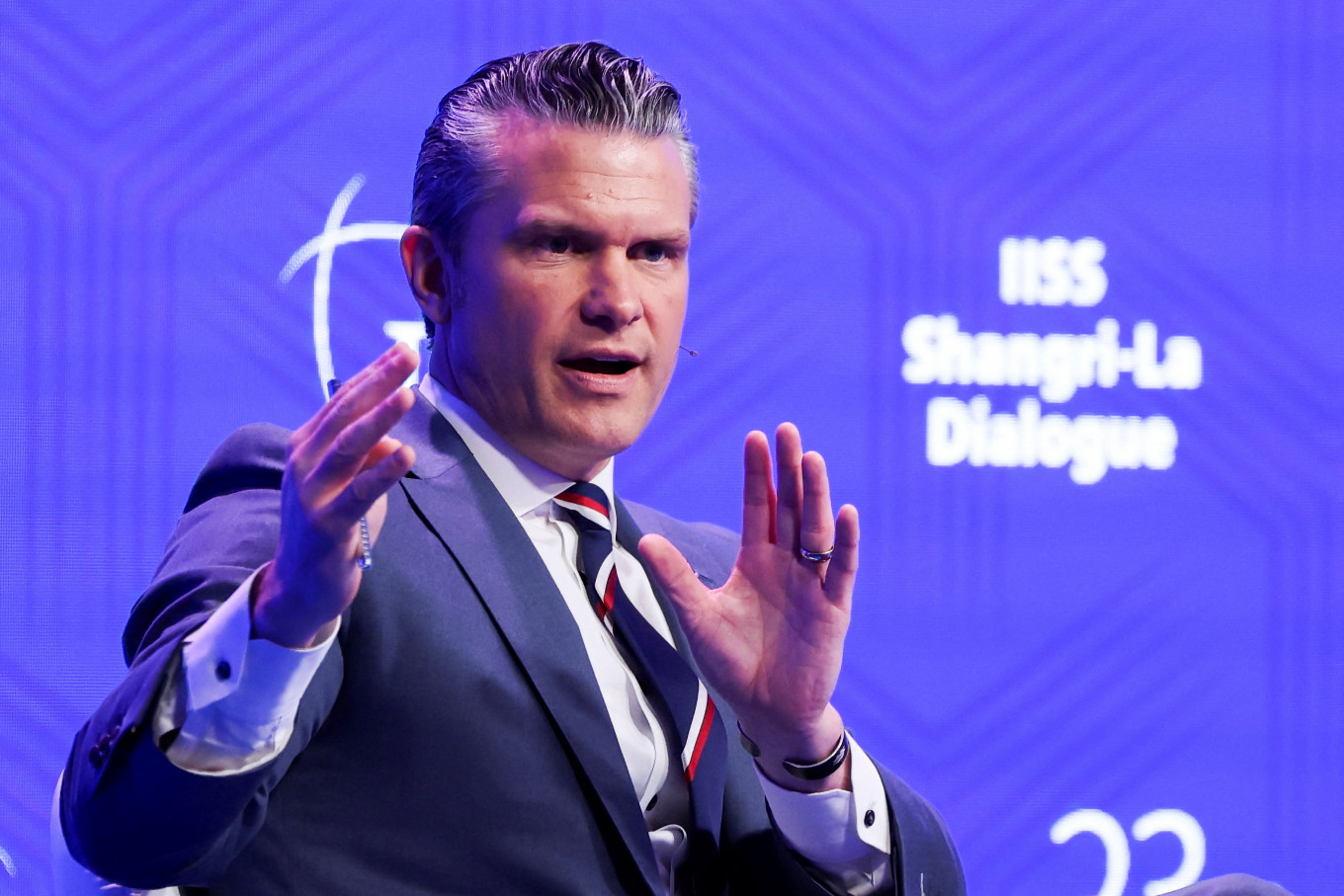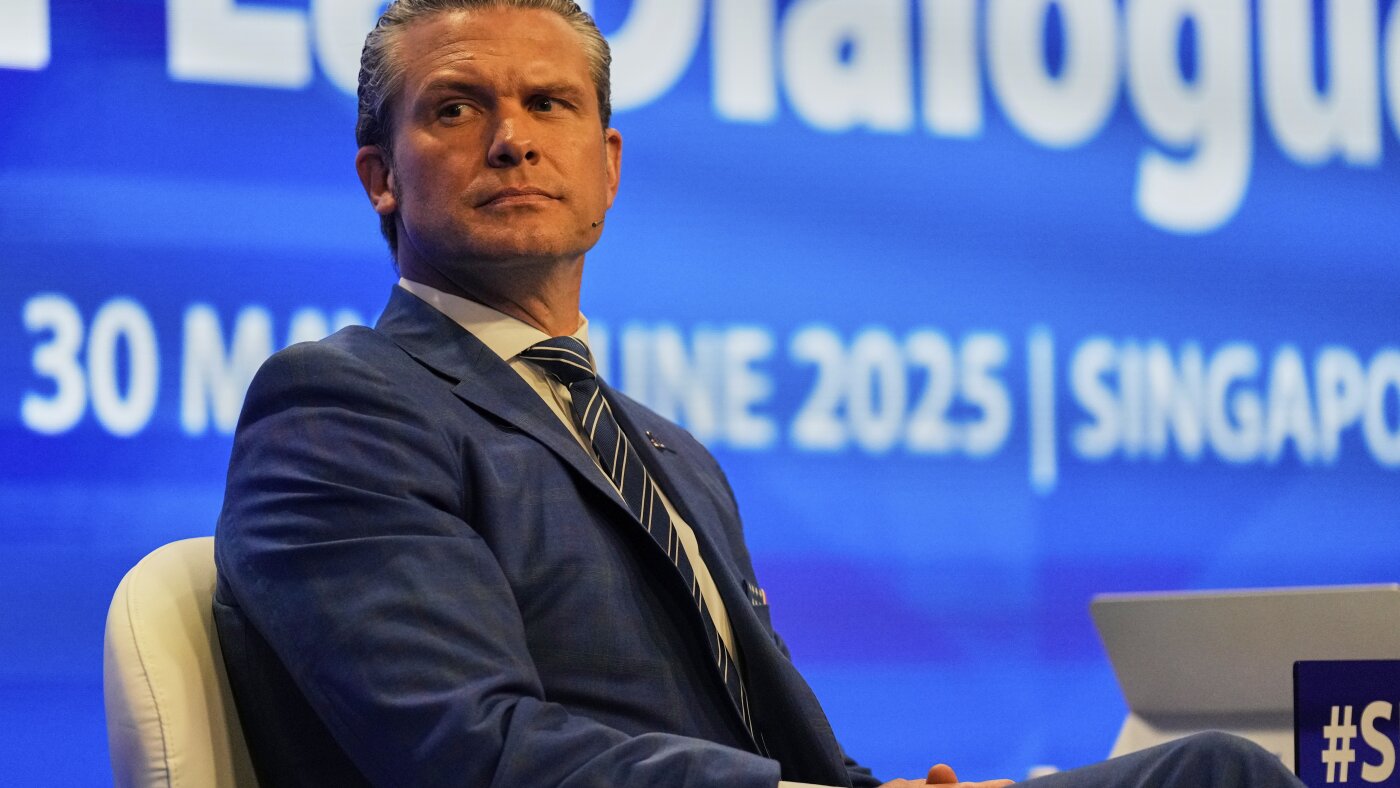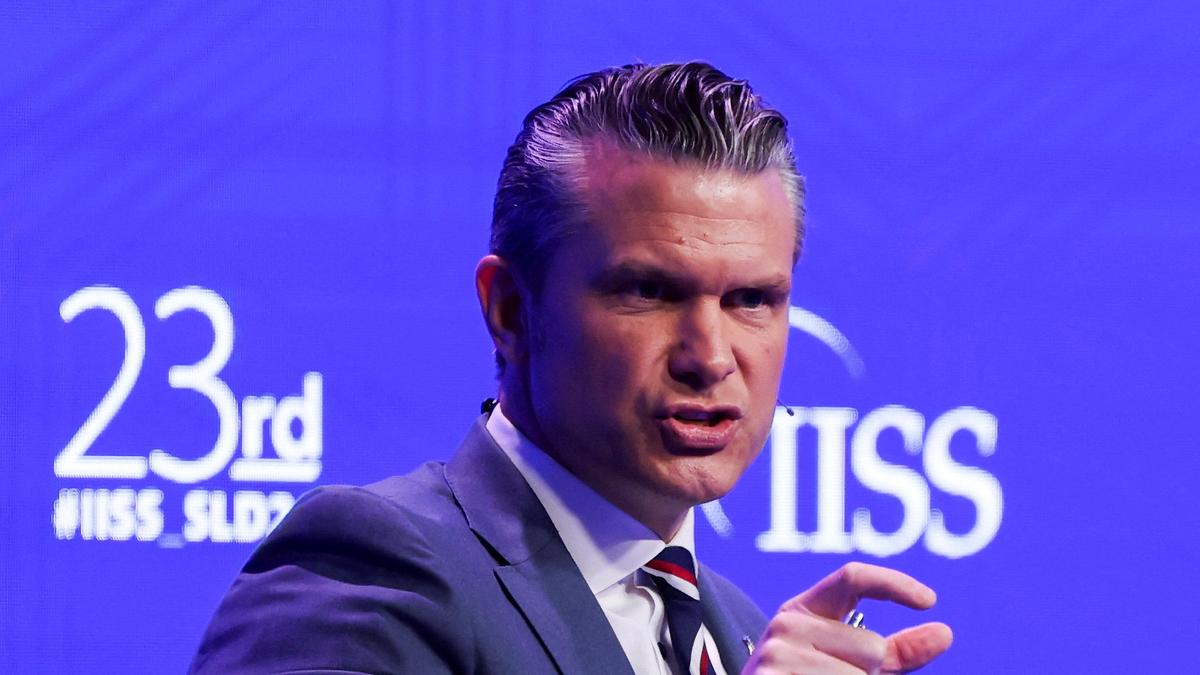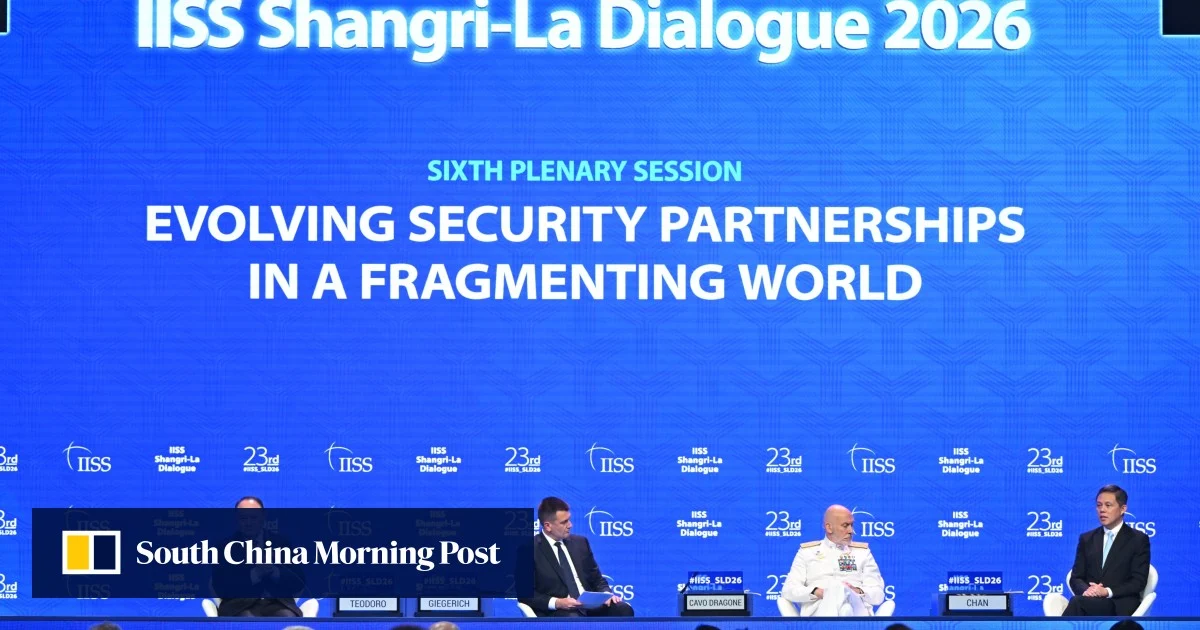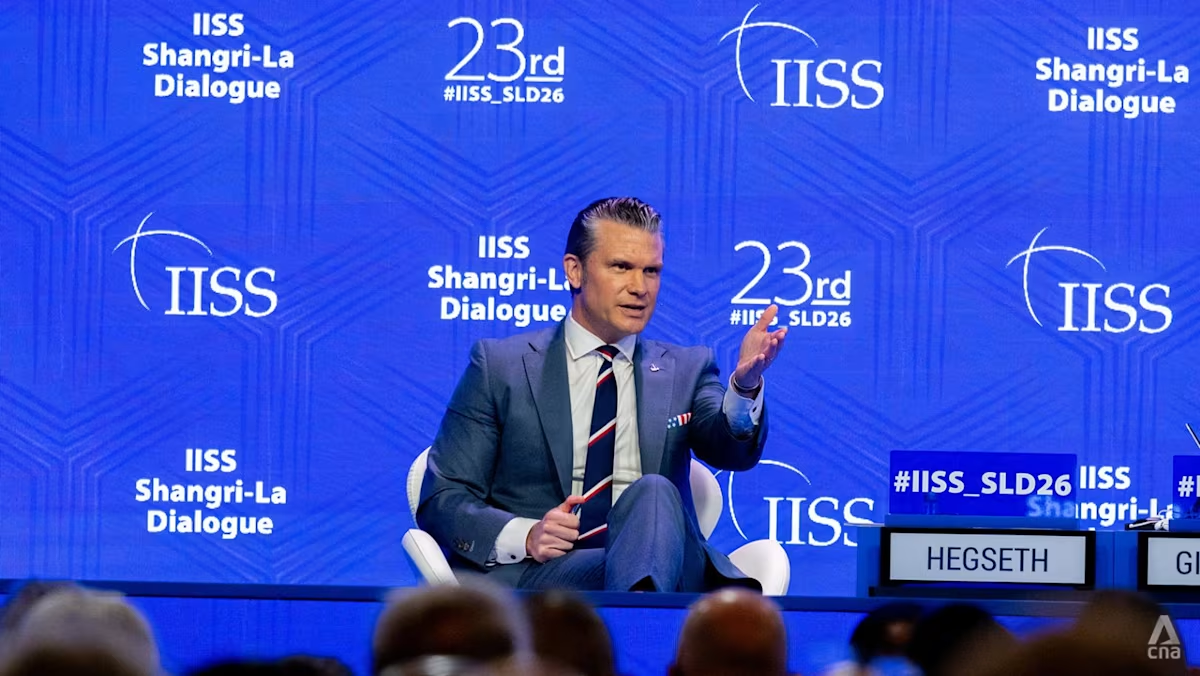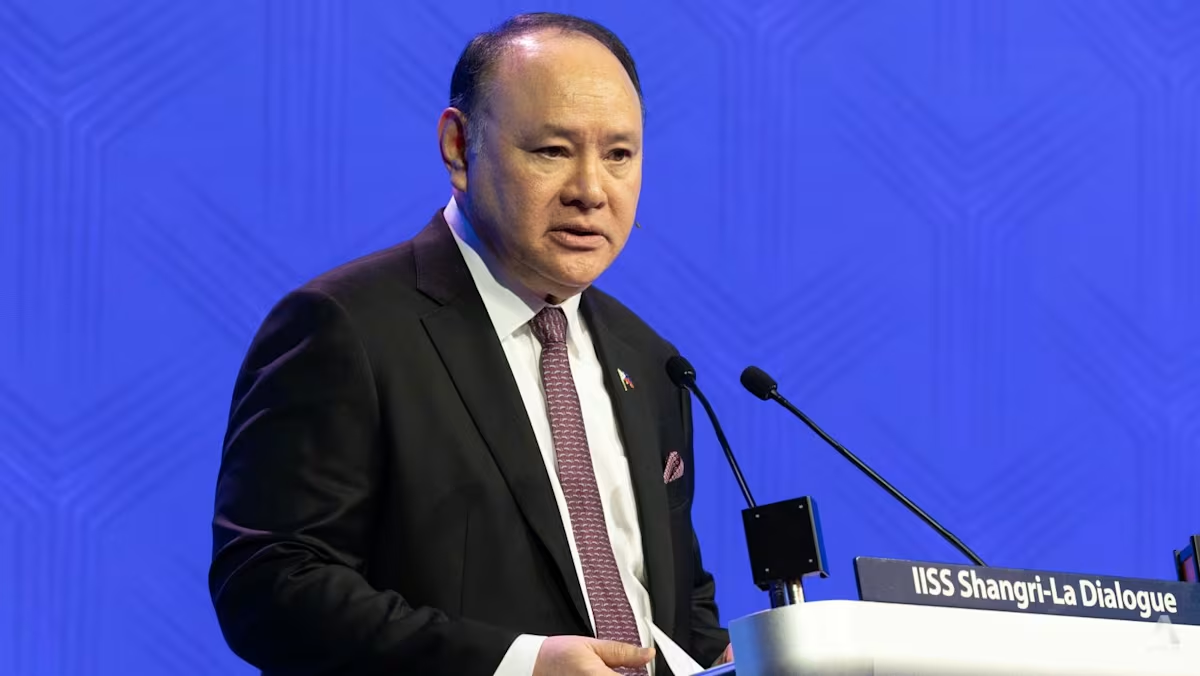
SINGAPORE: No country can afford to neglect its own defence and all nations must invest in strengthening their military capabilities, Philippine Defence Secretary Gilberto Teodoro Jr said on Sunday (May 31). “It is imperative of all countries to increase their defence spending. There is no one country that is exempt from building your own national defence,” he said during an interview on the sidelines of the Shangri-La Dialogue in Singapore. “Even for ASEAN, if our own individual capabilities are not matured, are not evolving … how can we, as a bloc, protect ourselves?”His remarks came a day after United States Defence Secretary Pete Hegseth told delegates at the security forum that Washington expected its Asian allies to raise defence spending to 3.5 per cent of gross domestic product (GDP).
Teodoro said the call reflected a broader consensus among defence ministers rather than simply an American position. “It’s not only Secretary Hegseth … that is a consensus (among) all defence ministers,” he said. He stressed that security partnerships required burden-sharing and that countries could not rely solely on the US or other allies to shoulder the responsibility. “The US will not be the go-to country for protection (when) these countries do not pull their fair share,” he told CNA. “It is a two-way street. Security is burden sharing, and one party to the arrangement, especially in a coalition, cannot punch below its weight.”Pointing to the war in Ukraine, Teodoro said recent events had underscored the importance of preparedness. "Ukraine was unthinkable, but it happened, and it could happen anywhere,” he said. ALLIES MUST PULL THEIR WEIGHTAt the same time, Teodoro rejected suggestions that higher defence spending should be viewed as an entry fee for continued US engagement in the region. He acknowledged that spending 3.5 per cent of GDP on defence would be difficult for many Southeast Asian economies, particularly those with large agricultural sectors. However, he said countries could contribute in other ways, including through technology transfers, closer access and shared strategic interests with partners. "You may not be spending 3.5 per cent, but (if) you have some technology which will allow you to leverage the depth that a big power has, that could be a substitute,” he said. Teodoro said countries should focus on investing in deterrent capabilities and accelerating military modernisation. "It takes time (to push budgets through), and that time window has to close. If not, we will be outpaced by technology, and to catch up is very, very difficult," he said. Teodoro said that Association of Southeast Asian Nations (ASEAN) defence ministers broadly agreed at a meeting last year that a strong American presence remained necessary for regional stability. EXERCISE BALIKATAN, SOUTH CHINA SEA TENSIONS During the interview, Teodoro also defended the growing scale of the annual Balikatan military exercises involving the Philippines, the US and other partners, saying they are essential for strengthening the country's resilience and ability to deter threats. The latest edition, held from late April to early May, was the largest ever and featured advanced weapons systems and expanded multinational participation. “There are incursions into our territory on both the East Sea and the South China Sea, and that is a daily reality for us. We need to do what we need to do to protect ourselves,” Teodoro said. China has criticised the drills, saying they heighten tensions in the region, particularly around the disputed South China Sea, which Beijing claims virtually in its entirety. Teodoro dismissed those concerns, saying: “There is only one country which voices concern – it's only China.” He added that Beijing has “preconceived designs against the exclusive economic zone of the Philippines”. “The nine-dash line, for one, that is a design to occupy most, if not all, of the West Philippine Sea portion of the South China Sea. That is a part of their claim which we cannot abide by.” He blamed what he described as China's "expansionism" for much of the region's current tensions. "The tensions here are because of expansionism by China, plain and simple,” he said. The South China Sea has become an increasingly frequent flashpoint between Manila and Beijing, with repeated confrontations involving coast guards and maritime vessels.