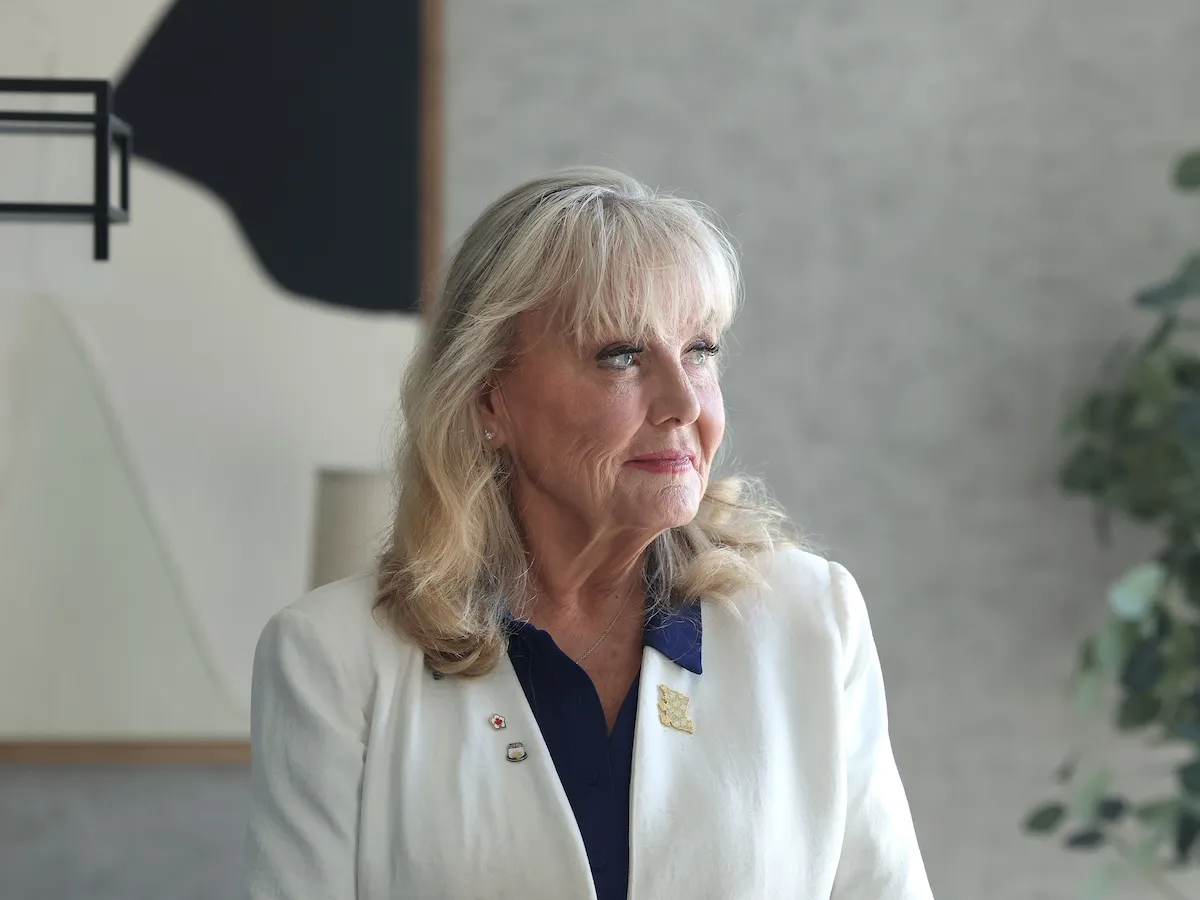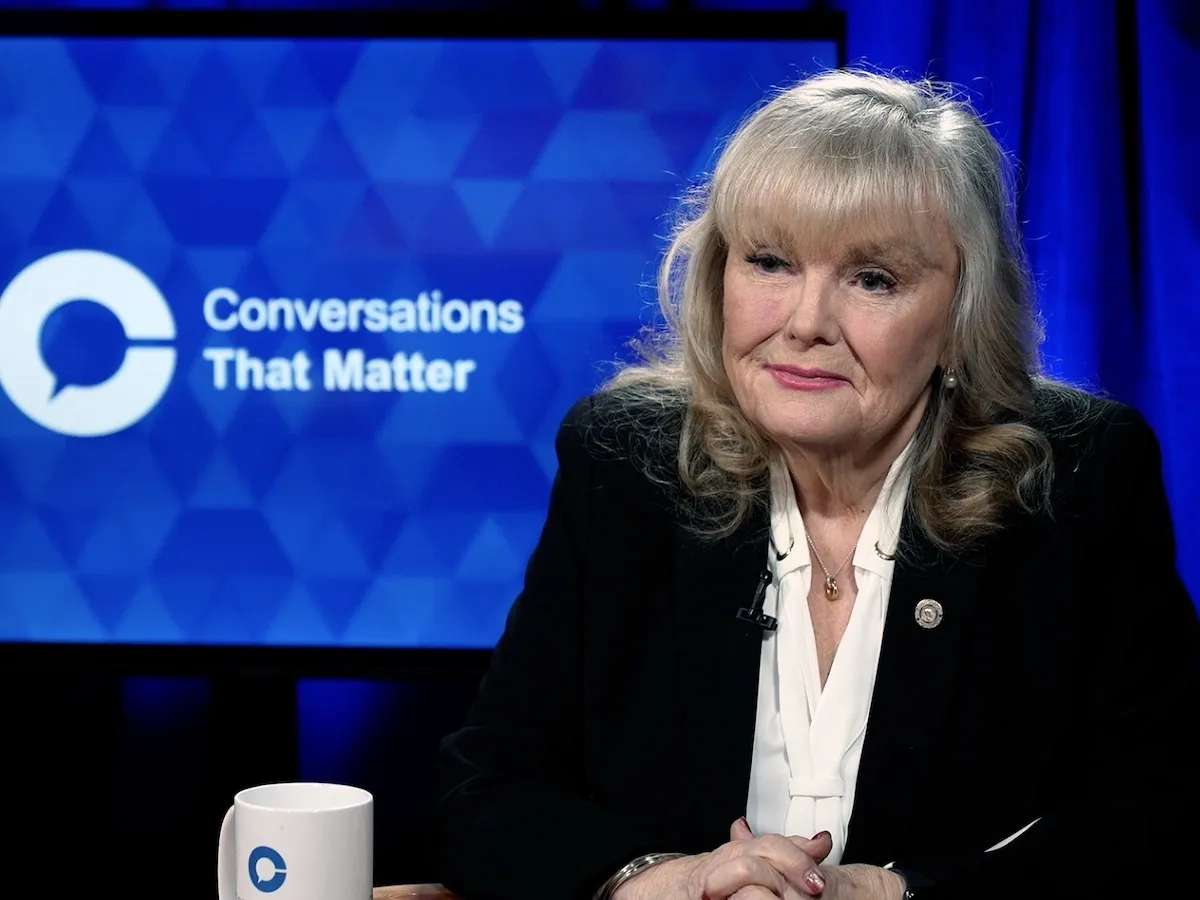
Skip to Content Subscribe Our Offers My Account Manage My Subscriptions FAQ Newsletters Canada Canadian True Crime Canadian Politics Health World Israel & Middle East Financial Post NP Comment Longreads Puzzmo Diversions Comics NP News Quiz New York Times Crossword Horoscopes Life Eating & Drinking Style Sponsored Play for Ontario Travel Travel Canada Travel USA Travel International Cruises Travel Essentials Culture Books Celebrity Movies Music Theatre Television Business Essentials Advice Lives Told Tails Told Shopping Buy Canadian Home Living Outdoor Living Tech Style & Beauty Kitchen & Dining Personal Care Entertainment & Hobbies Gift Guide Travel Guide Deals Savings National Post Store More Sports Hockey Baseball Basketball Football Soccer Golf Tennis Driving Vehicle Research Reviews News Gear Guide Obituaries Place an Obituary Place an In Memoriam Classifieds Place an Ad Celebrations Working Business Ads Archives Healthing Epaper Manage Print Subscription Profile Settings My Subscriptions Saved Articles My Offers Newsletters Customer Service FAQ Newsletters Canada World Financial Post NP Comment Longreads Puzzmo Diversions Life Shopping Epaper Manage Print Subscription HomeNP CommentAdam Zivo: New B.C. Conservative leader Kerry-Lynne Findlay has a golden opportunityIf she can unite the factions in her party, the NDP doesn't stand a chanceLast updated 22 minutes ago You can save this article by registering for free here. Or sign-in if you have an account.File photo: Kerry-Lynne Findlay is the new leader of the B.C. Conservative party. Credit: Stuart McNish. March 2026Kerry-Lynne Findlay narrowly won the B.C. Conservative leadership race this weekend, following a months-long campaign that was occasionally marred by acrimony. Having run as a “true blue” candidate, her victory ensures that the party will take a tough stance on cultural issues, but, if she is to become premier, she will need to unite a movement that remains vulnerable to factionalism. Enjoy the latest local, national and international news.Exclusive articles by Conrad Black, Barbara Kay and others. Plus, special edition NP Platformed and First Reading newsletters and virtual events.Unlimited online access to National Post.National Post ePaper, an electronic replica of the print edition to view on any device, share and comment on.Daily puzzles including the New York Times Crossword.Support local journalism.Enjoy the latest local, national and international news.Exclusive articles by Conrad Black, Barbara Kay and others. Plus, special edition NP Platformed and First Reading newsletters and virtual events.Unlimited online access to National Post.National Post ePaper, an electronic replica of the print edition to view on any device, share and comment on.Daily puzzles including the New York Times Crossword.Support local journalism.Create an account or sign in to continue with your reading experience.Access articles from across Canada with one account.Share your thoughts and join the conversation in the comments.Enjoy additional articles per month.Get email updates from your favourite authors.Create an account or sign in to continue with your reading experience.Access articles from across Canada with one accountShare your thoughts and join the conversation in the commentsEnjoy additional articles per monthGet email updates from your favourite authorsSign In or Create an AccountorThis year’s leadership race was unusually competitive, featuring five strong candidates with energetic followings. Unlike government elections, the party uses a ranked ballot system wherein members list out candidates in order of preference, after which point the least popular candidates are eliminated, and their votes automatically redistributed by ranking, until someone wins a majority. This newsletter from NP Comment tackles the topics you care about. (Subscriber-exclusive edition on Fridays)By signing up you consent to receive the above newsletter from Postmedia Network Inc.We encountered an issue signing you up. Please try againIt took four ballot rounds for Findlay to win with 51 per cent of the redistributed vote, narrowly beating Caroline Elliott, an academic and political commentator, who received 49 per cent. Peter Milobar and Ian Black, representing the centrist business wing of the party, collectively received 31 per cent of the initial vote and were eliminated first and third, respectively. Yuri Fulmer, who promised a power-sharing deal with the hard-right One BC party, was eliminated second. The dynamics of the race and vote redistribution spoke volumes — mainly because it signalled a victory for establishment conservatism over centrism and millennial populism. Findlay and Elliott together represented the culturally conservative wing of the party. They argued that economic policies cannot alone fix the province’s rot, and that a broader restoration of values is in order. Among other things, they criticized radical Indigenous reconciliation, gender ideology and the leftist politicization of Canadian institutions. Broadly aligned in this respect, the two women mostly differed in presentation, symbolism and perceived authenticity. Findlay, who is 71-years-old, emphasized her extensive experience in federal Conservative politics and her connection to its current leader, Pierre Poilievre. Having been an MP from 2011 to 2015, and again from 2019 and 2025, she served in cabinet under former Prime Minister Stephen Harper and then became Poilievre’s party whip — two roles which precluded any doubts about her ideological and establishment credibility. In contrast, Elliott had never run for office before. Though previously associated with the B.C. Liberals, she had made a name for herself through her conservative political commentary, particularly her erudite criticisms of Indigenous reconciliation. At 39-years old, Elliott represented the insurgent “new conservatism” simmering across Canada — a movement driven by younger, populist voters focused on cultural identity, affordability and generational fairness. Critically, she was able to present her politics with an academic thoughtfulness that could appeal to moderate voters. Elliott’s campaign was run by a team of experienced conservative strategists, most of whom were from outside the province. She seemingly out-fundraised her competitors by a wide margin, received glowing media coverage (including an endorsement from the National Post’s editorial board) and was generally perceived as the front-runner throughout the race. But her opponents characterized her as a fake conservative and a puppet of out-of-province handlers — a message which, judging from online discourse, gained serious traction and was compounded by some of Elliott’s strategic missteps and political inexperience. Her decision to skip a leadership debate hosted by Juno News led some to question her commitment to engaging with the party base. She then underperformed at the Canada Strong and Free Network’s leadership debate, where she tensely presented her ideas with a demagogic air that seemed incongruous with her usual sophistication. Meanwhile, Findlay projected a stabler, if less exciting, image — one of calm strength. Her main misstep occurred at a Vancouver Sun-organized leadership debate where she controversially suggested that Milobar’s Indigenous family members constituted a conflict of interest on Indigenous policymaking, but this error was minor, even if some tried to blow it out of proportion. Deeply divided, the party membership ultimately opted for the more conventional choice, selecting Findlay, an experienced establishment candidate, over Elliott, the young disruptive academic populist. Based on how the votes were redistributed between rounds, the party’s moderates clearly felt that Elliott was the better option, which suggests that she could have performed strongly in a general election. Yet, their voices were overruled by those within the party who place a greater premium on ideological reliability. Findlay now faces the unenviable challenge of leading a deeply divided party, and of defining an unabashedly conservative vision for the future that does not alienate moderate voters. The B.C. NDP seems intent on exploiting any possible vulnerabilities here, and is already trying to smear her as a far-right extremist akin to U.S. President Donald Trump, which has little bearing in reality.To maintain party unity, Findlay should invite her former competitors into her movement, and shepherd Elliott, Black and Milobar to powerful positions. All of them are talented in their own ways (such is the benefit of a strong leadership race), and it is incumbent that their supporters focus their energies against the current government, not each other. While Findlay’s principled conservatism is commendable, she and her team should remember that general elections cannot be won without big tents. The B.C. NDP’s profound dysfunction under Premier David Eby has pushed many centrists into the arms of the B.C. Conservatives, who now have a 10-point lead in the polls, but this dynamic could easily change. Should the BC NDP rapidly pivot to the centre under a new charismatic leader, they could conceivably win reelection if Findlay is perceived as dogmatic or too hardline, mirroring Prime Minister Mark Carney’s surprise victory last year. Such is the risk of taking an opponent’s weakness for granted. National Post Get the latest from Adam Zivo straight to your inbox Join the Conversation This website uses cookies to personalize your content (including ads), and allows us to analyze our traffic. Read more about cookies here. By continuing to use our site, you agree to our Terms of Use and Privacy Policy.
Adam Zivo: New B.C. Conservative leader Kerry-Lynne Findlay has a golden opportunity
If she can unite the factions in her party, the NDP doesn't stand a chance
1,439 words~7 min read