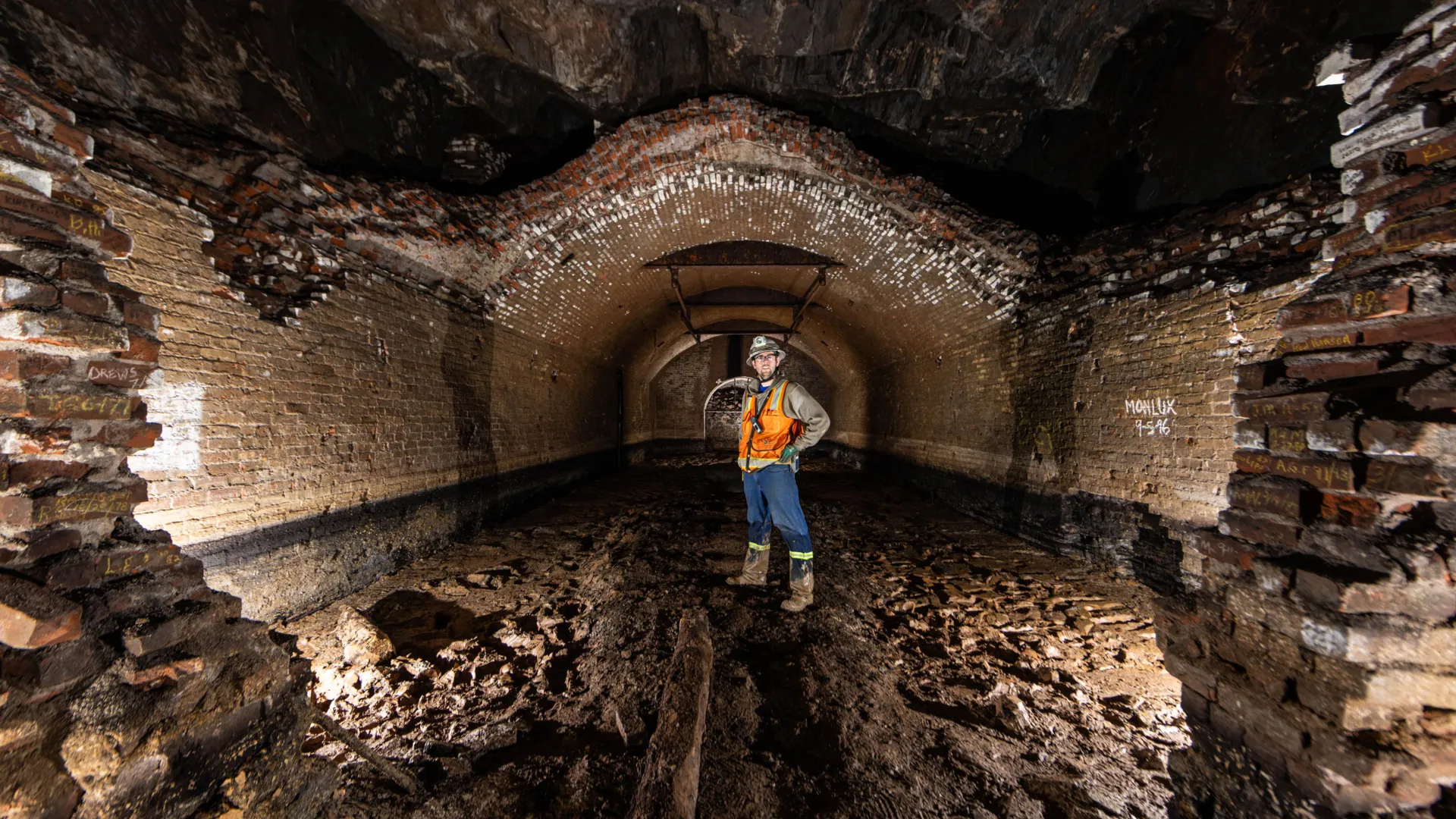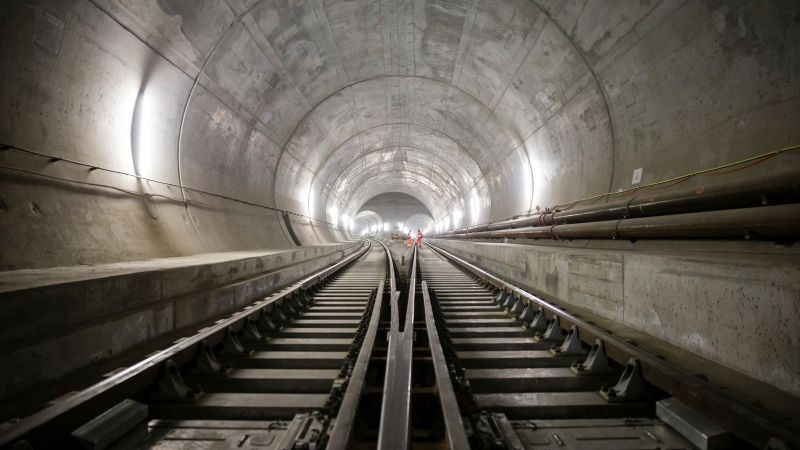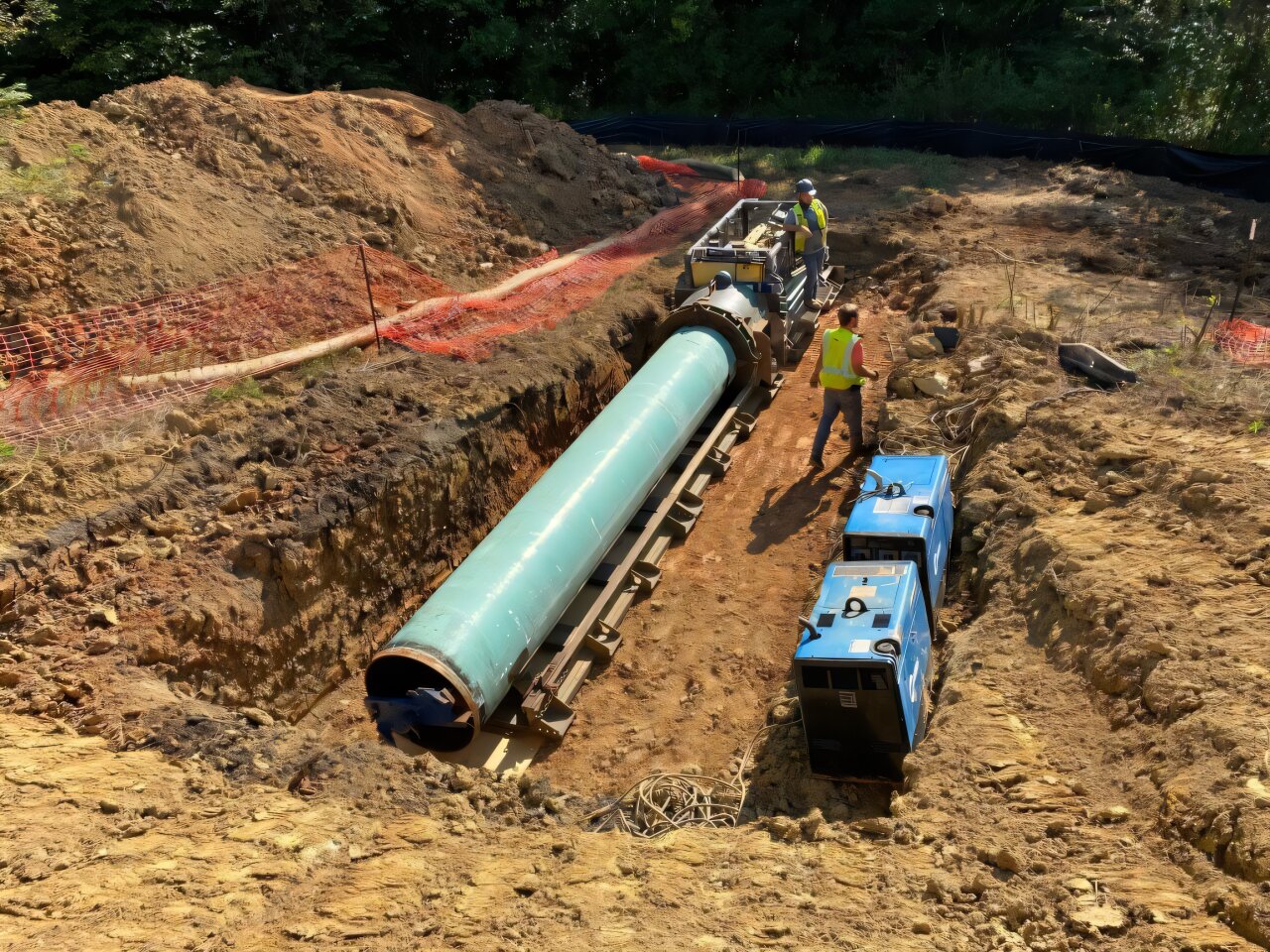
On ORNL’s campus in Oak Ridge, Tennessee, researchers constructed an underground tunnel during a field experiment to test a new detection method. Credit: ORNL, U.S. Dept. of Energy
For decades, engineers have searched for underground tunnels by sending signals from the surface downward—an approach that can miss what lies below. By reversing that approach, researchers at the Department of Energy's (DOE) Oak Ridge National Laboratory (ORNL) have demonstrated a method to reveal hidden underground structures using acoustic signals generated below ground.
The findings are detailed in the DOE technical report, "Advancing Tunnel Detection Via Vertical Acoustic Profiling."
Tested in a field experiment on the laboratory's campus, the approach detected tunnels by transmitting sound upward from boreholes. The directional shift addresses a blind spot in tunnel detection and could help identify concealed underground features that pose risks to transportation and critical infrastructure by altering ground stability or creating hidden voids beneath roads, rail lines, and facilities.
"Our hypothesis was that if we reversed direction, sending the signal from below a potential tunnel instead of above, we could improve detection by capturing signal scatter that otherwise is lost," said ORNL's Mike Kass, lead researcher on the study.