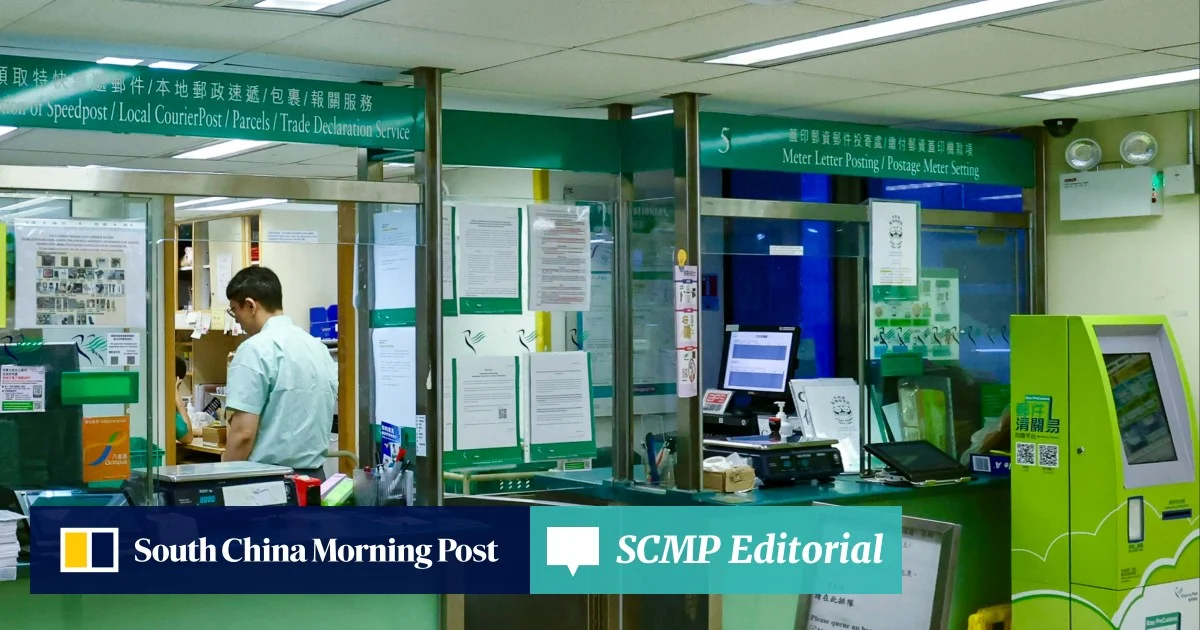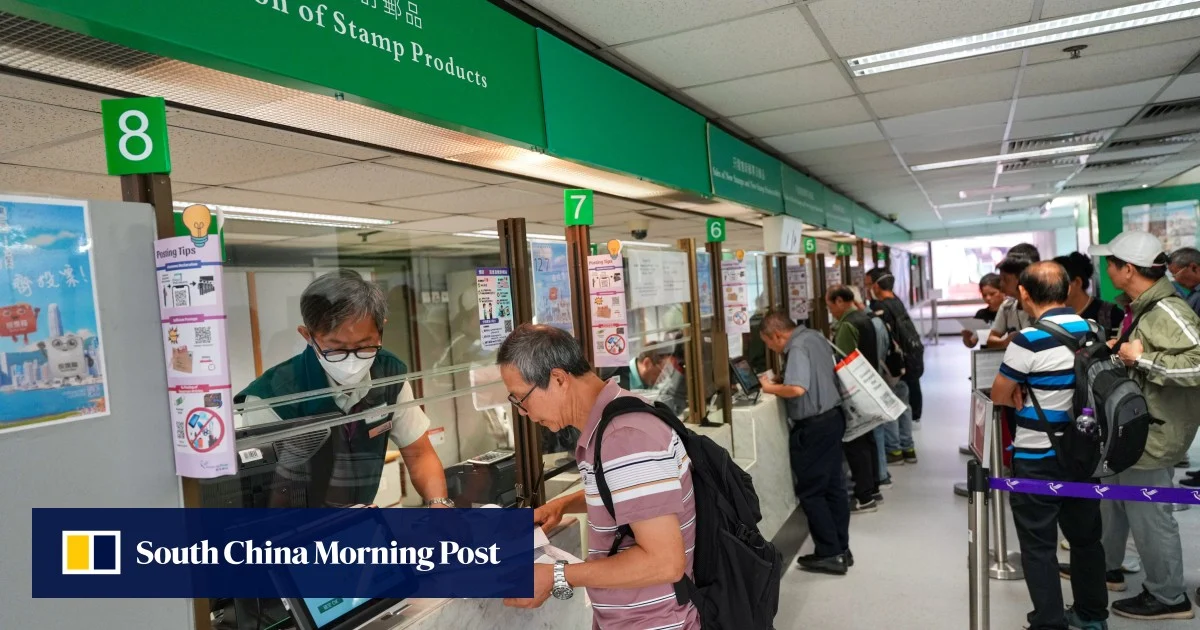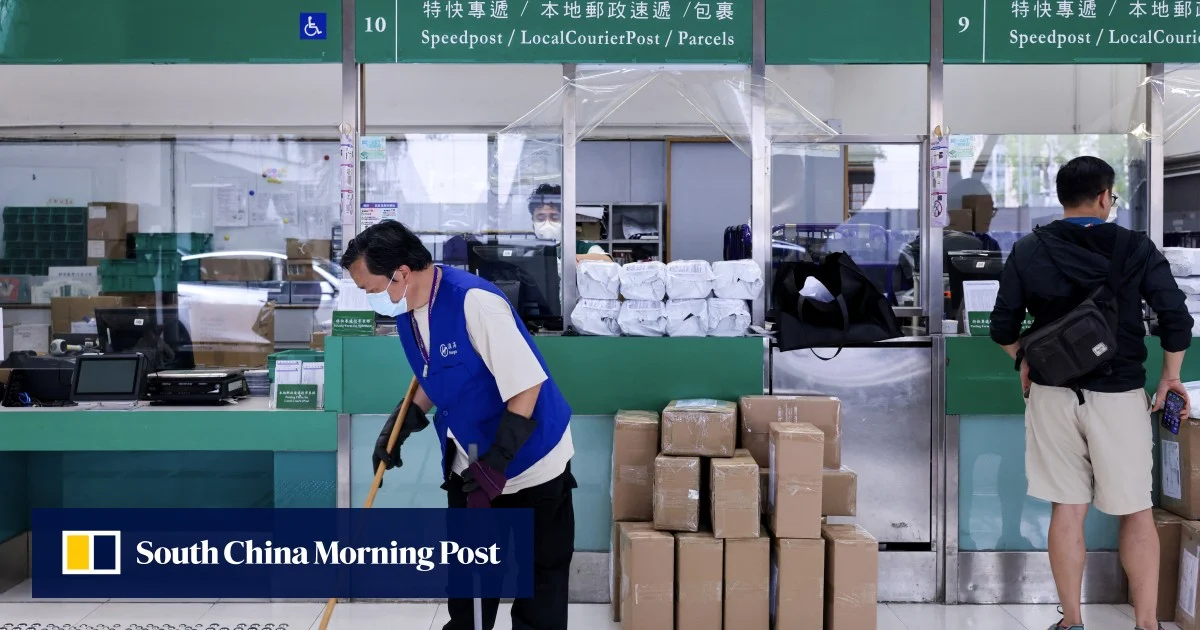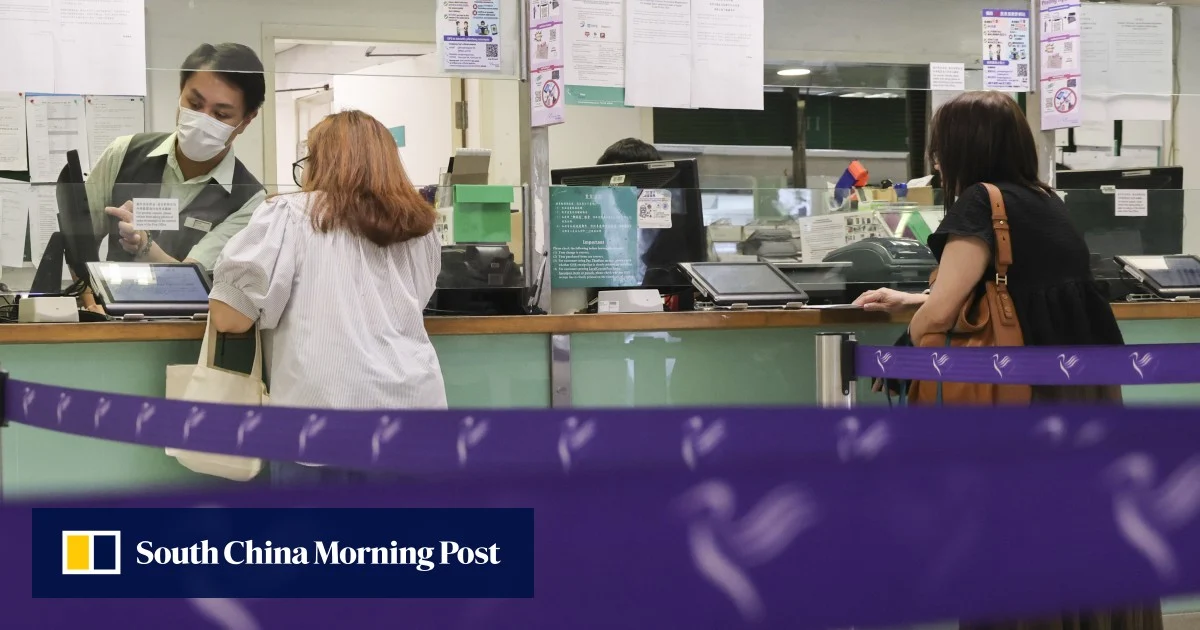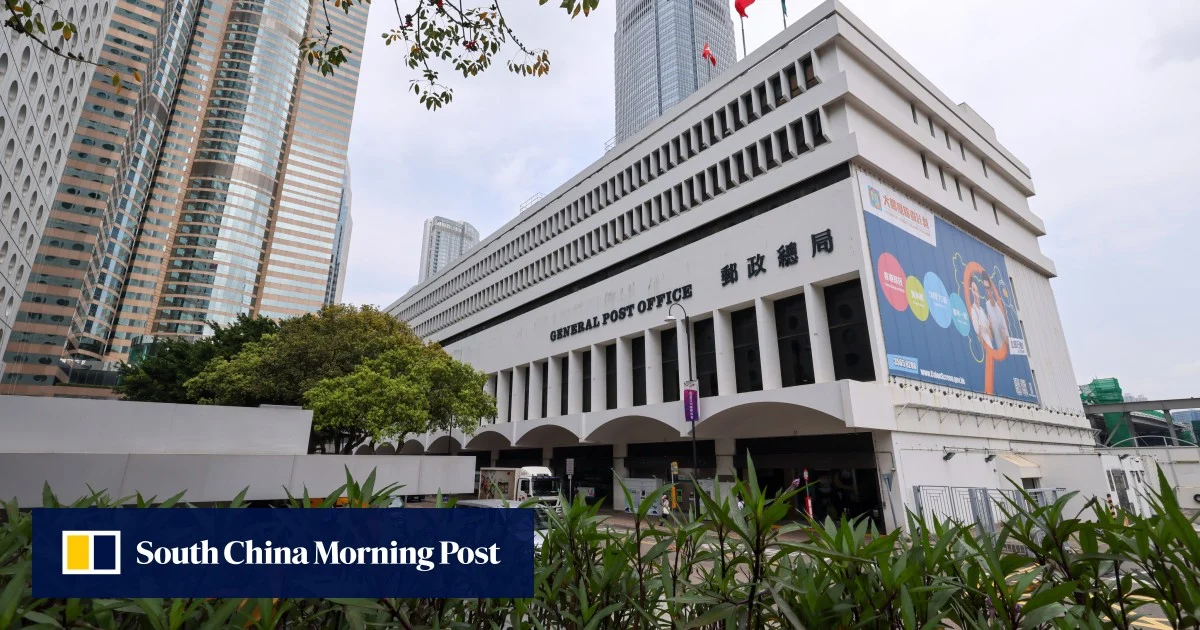
Hongkong Post’s worsening financial situation may require not only an injection of funds but also a return to being a government-funded department providing basic public services, observers have said.The analysts’ views follow the authorities’ plan to inject HK$4.6 billion (US$587 million) as a lifeline to support Hongkong Post’s operations over the next three years, amid similar losses faced by postal operators worldwide.Hongkong Post has operated on a self-funding basis since 1995, following the establishment of the Post Office Trading Fund. Its income is generated from postal services, philatelic products and courier service fees.However, it has recorded eight consecutive annual losses since the 2017-18 financial year, with the deficit reaching HK$821 million in 2024-25.“The Hongkong Post has not been able to operate as the trading fund initially intended … There is a lot of competition for its e-commerce and its local courier [services],” said John Burns, an emeritus professor in the University of Hong Kong’s department of politics and public administration.Mail volume at Hongkong Post has also declined over the period. It rose from 1.17 billion items in 2017-18 to 1.24 billion the following year, before falling steadily to 611 million in 2024-25.
Can Hongkong Post be saved or should it become a taxpayer-funded public service?
Observers say HK$4.6 billion rescue plan only buys time as officials must decide whether basic public services should override push for profit.
TL;DRAI
Hongkong Post will receive a HK$4.6 billion government injection to cover three years of losses, after running eight consecutive annual deficits totalling over HK$821 million in 2024-25 alone, with mail volume halved since 2018. Analysts argue the self-funding model has failed against e-commerce competition, signalling that legacy postal infrastructure may need to revert to public-service funding rather than commercial operation.
192 words~1 min read