Kareem’s father was furious when he heard the rumors circulating in Ramallah about the sexuality of his 22-year-old son. “My dad aimed his gun towards me,” Kareem recalled, “and said that if he ever finds out that I’m gay, he would ‘rest a bullet between my eyes.’”
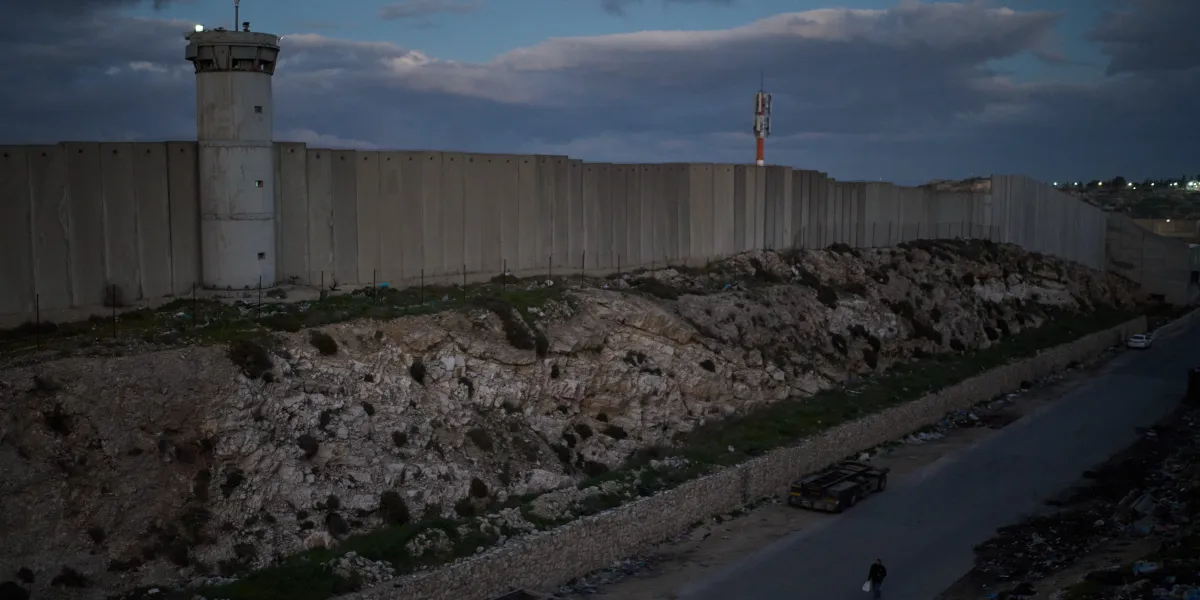
Kareem, whose name has been changed to protect his safety, had lived in the close-knit West Bank city for years, but he’d long known he would one day need to leave. It was March 2024, and the Tel Aviv Court for Administrative Affairs had recently ruled that LGBTQ+ Palestinians can petition for asylum in Israel — upending years of precedent that considered them ineligible. The following month, Kareem crossed into Israel, a country that has occupied the West Bank for more than twice as long as he’d been alive.
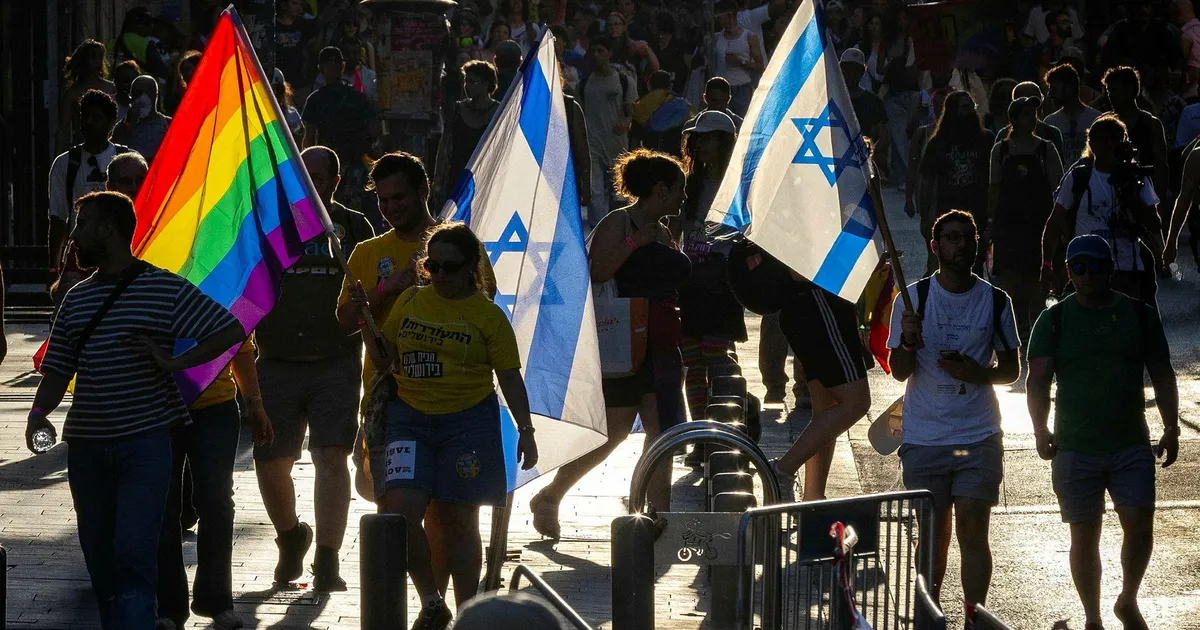
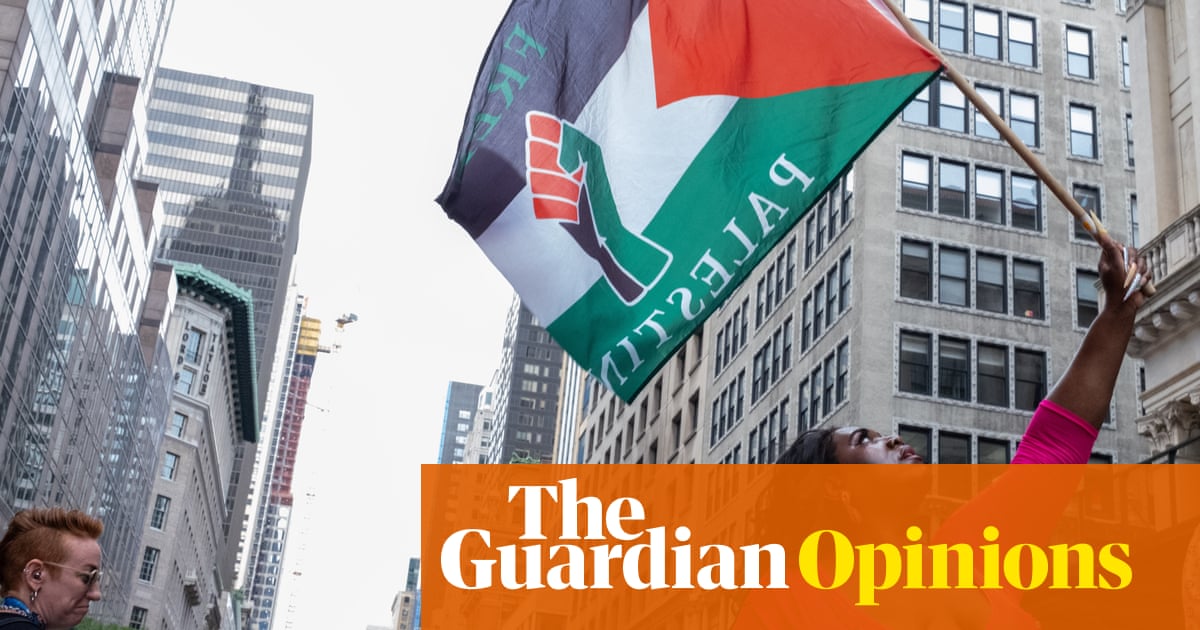
Supporters of Israel have long pointed to the “only democracy in the Middle East” as a purported safe haven for the LGBTQ+ community. While detractors say the argument amounts to “pinkwashing,” the use of LGBTQ+ inclusion to distract from moral and legal violations in other spheres, the Israeli government has doubled down on the concept, invoking it often to distract from violations of international law. In a speech before the United States Congress on July 24, 2024, for example, Israeli Prime Minister Benjamin Netanyahu mocked protesters holding “Gays for Gaza” signs, saying they “might as well hold up signs saying ‘Chickens for KFC.’”