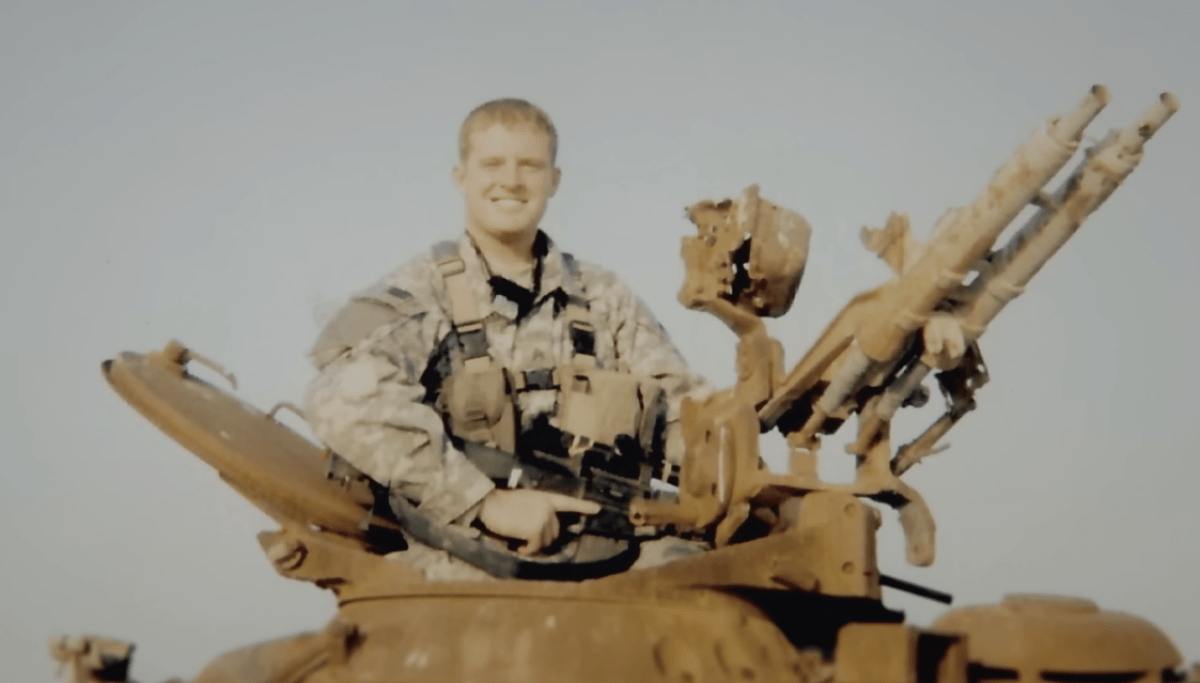
After his life as a Navy SEAL ended, Jonathan “Johnny” Wilson found it difficult to function in society. After deployments to Iraq and Afghanistan, his mind racked with post-traumatic stress disorder (PTSD). Wilson tried healing his wounds with alcohol. He became increasingly isolated. Even his own family couldn’t understand his pain. He looked fine on the outside but was fighting ongoing turmoil on the inside. “That was one of the most challenging experiences of my life,” Wilson told Military.com. “That’s where I really hit rock bottom. I lost purpose, I lost my team, I lost the passion for the job.” Wilson tried conventional therapy to improve his mental health, but nothing seemed to work. He finally opted for an ibogaine treatment that changed his life. While both federal and state funding have opened more doors for research and understanding of the powerful, psychedelic drug, ibogaine remains somewhat controversial. Wilson admits it’s not for everyone, but it helped him and he’s encouraged other struggling veterans to try it. The former Navy SEAL’s experience led him to ponder: what if there was a way to effectively track mental health before it’s too late? Hence, he created INVI (Invisible-Visible) MindHealth, an app using continuous biometric and behavioral data allowing users to see meaningful changes in their mental health, prompting them to reach out for help based off real data. Users wear a device around their wrists, sumilar to a Fitbit or Apple Watch, to track the data.
Navy Veteran Creates App to Track Mental Health Changes From Psychedelics
After a former Navy SEAL struggled to find help, he turned to ibogaine. Now, he wants to encourage others.
1,418 words~6 min read