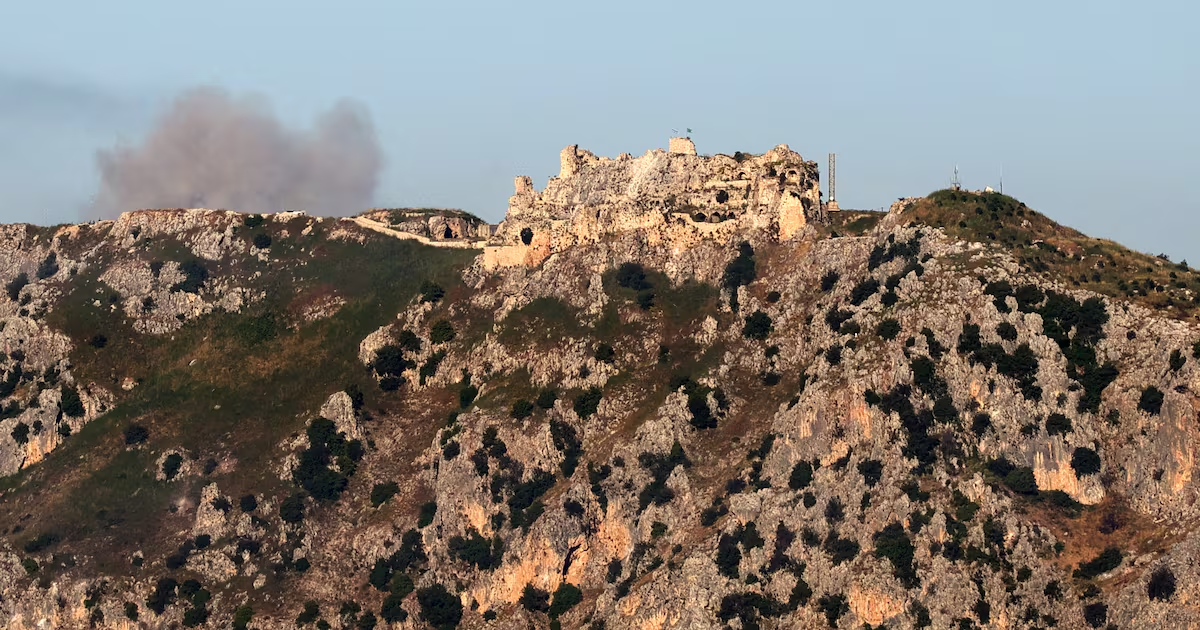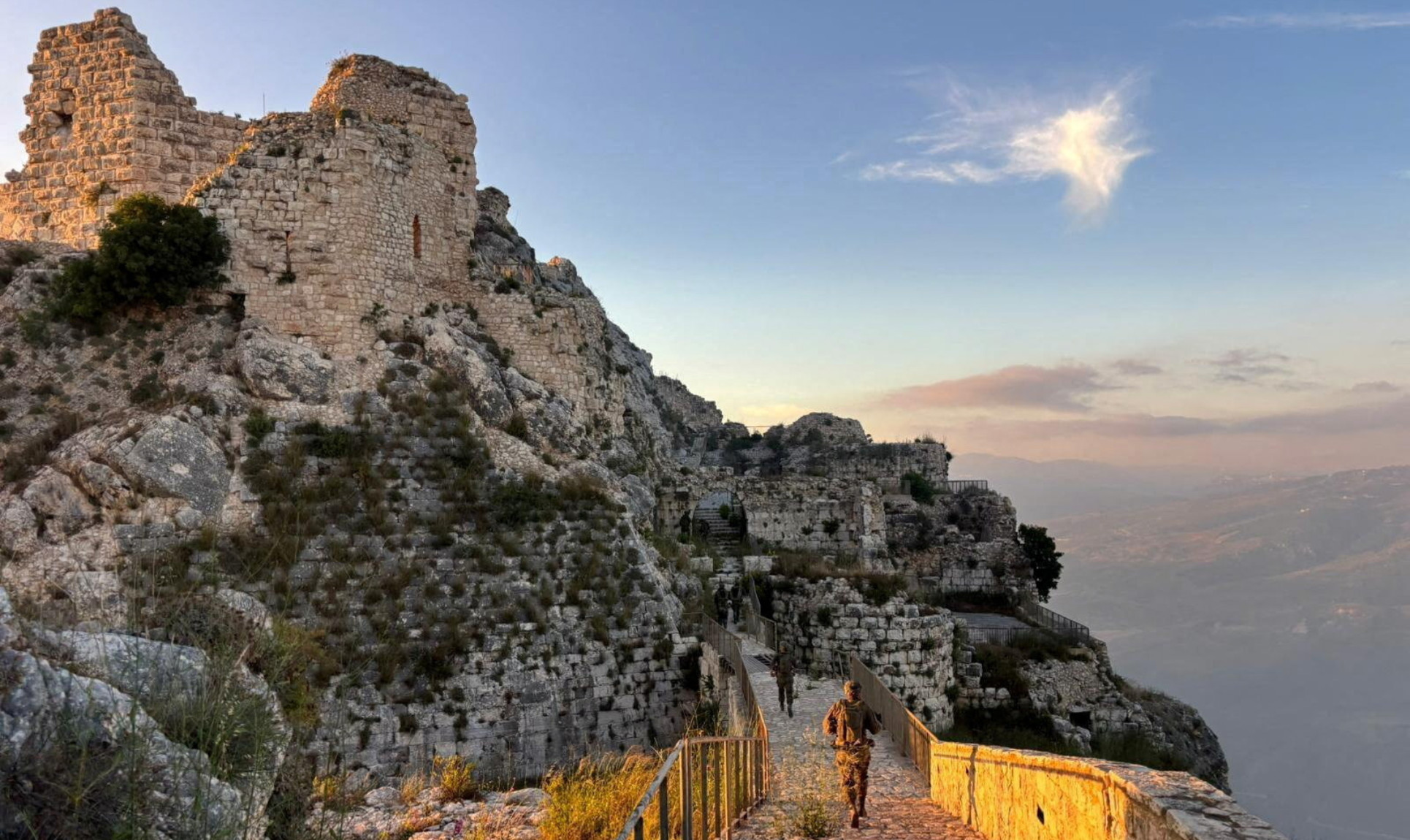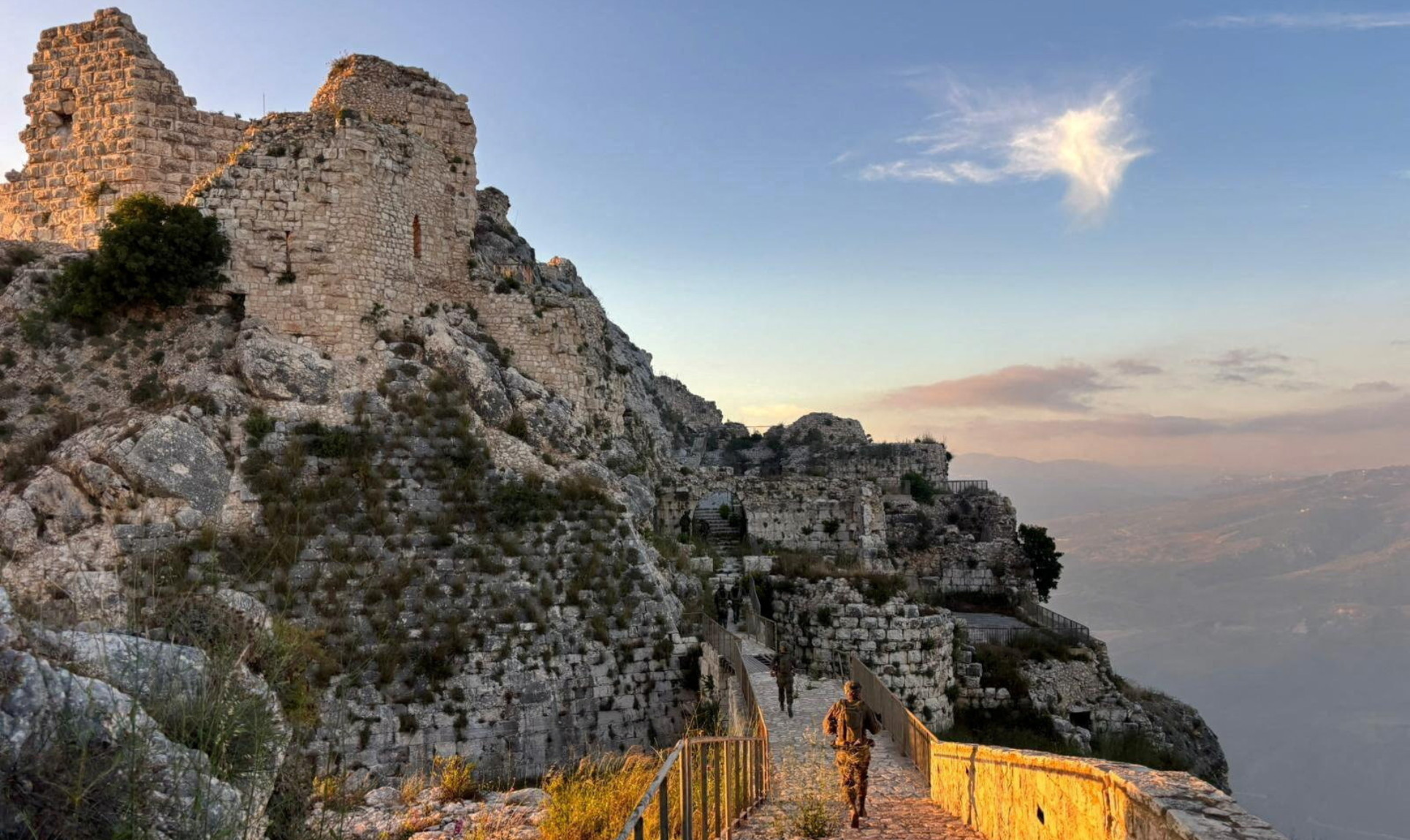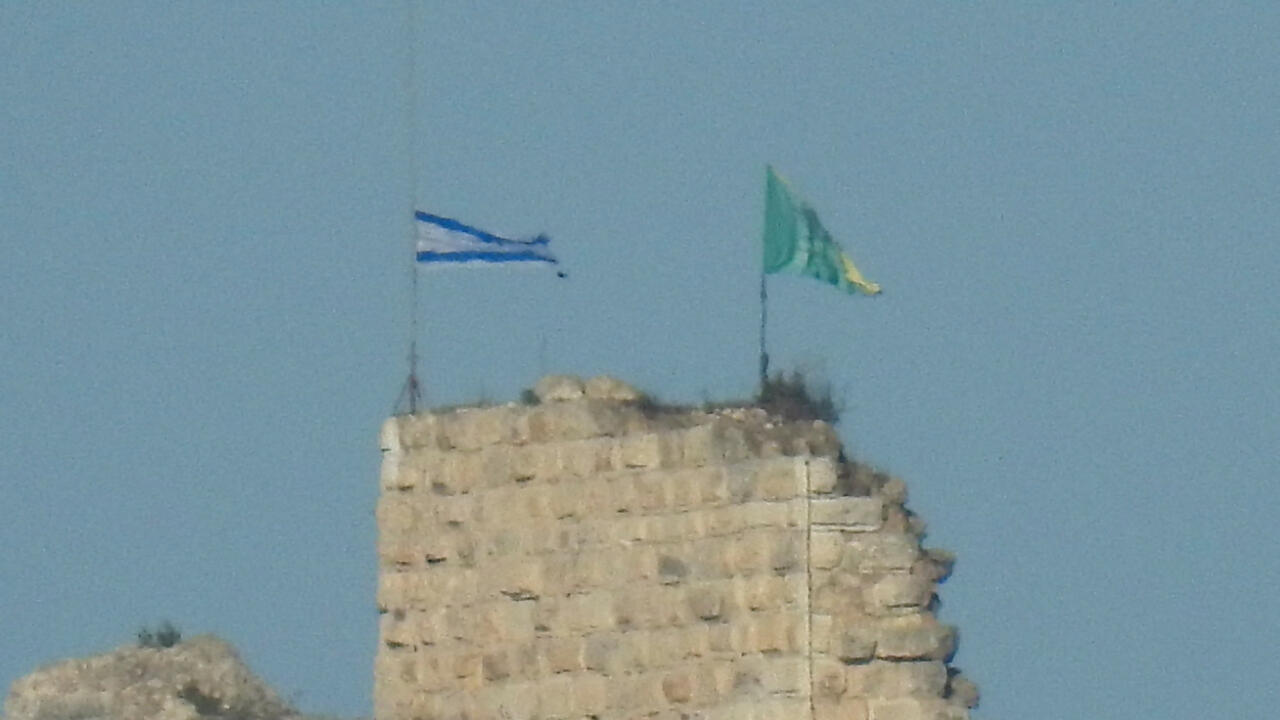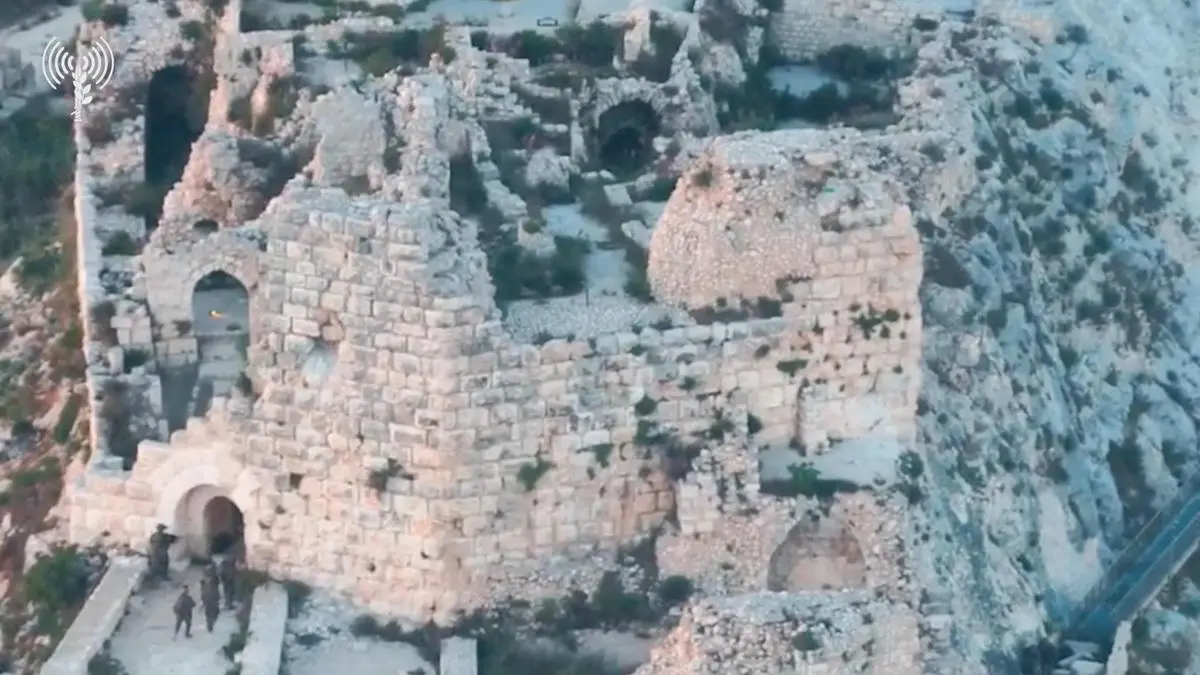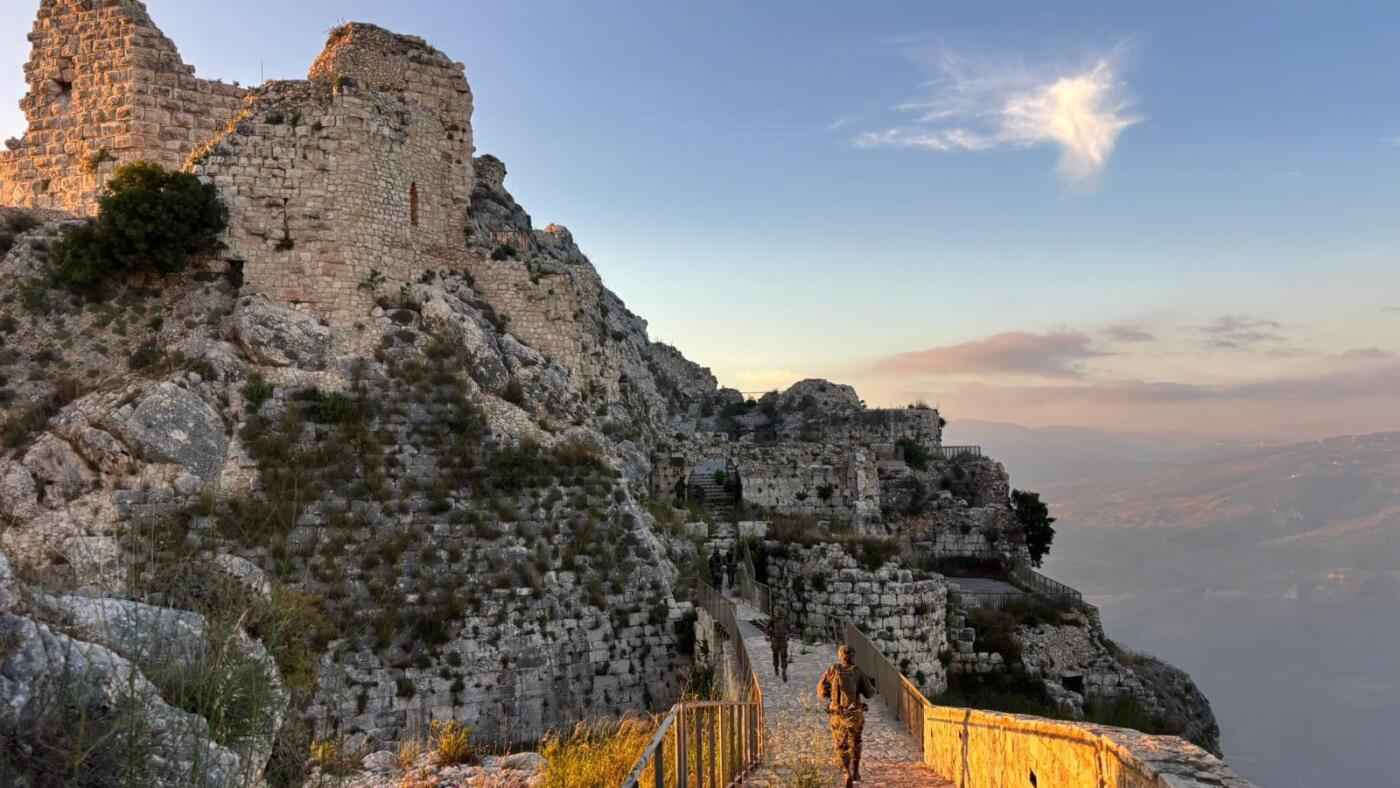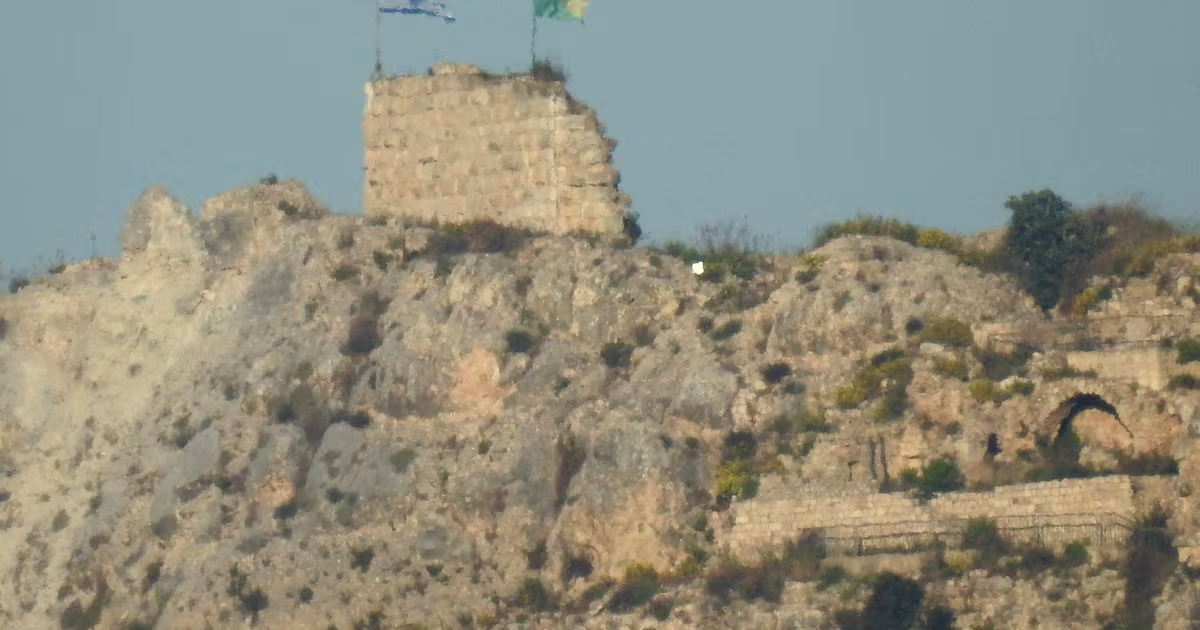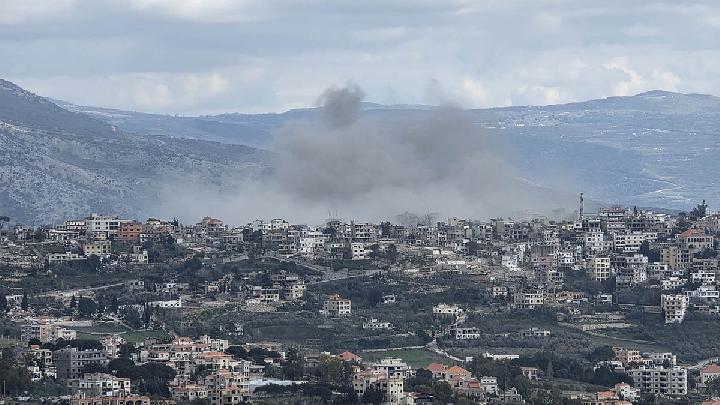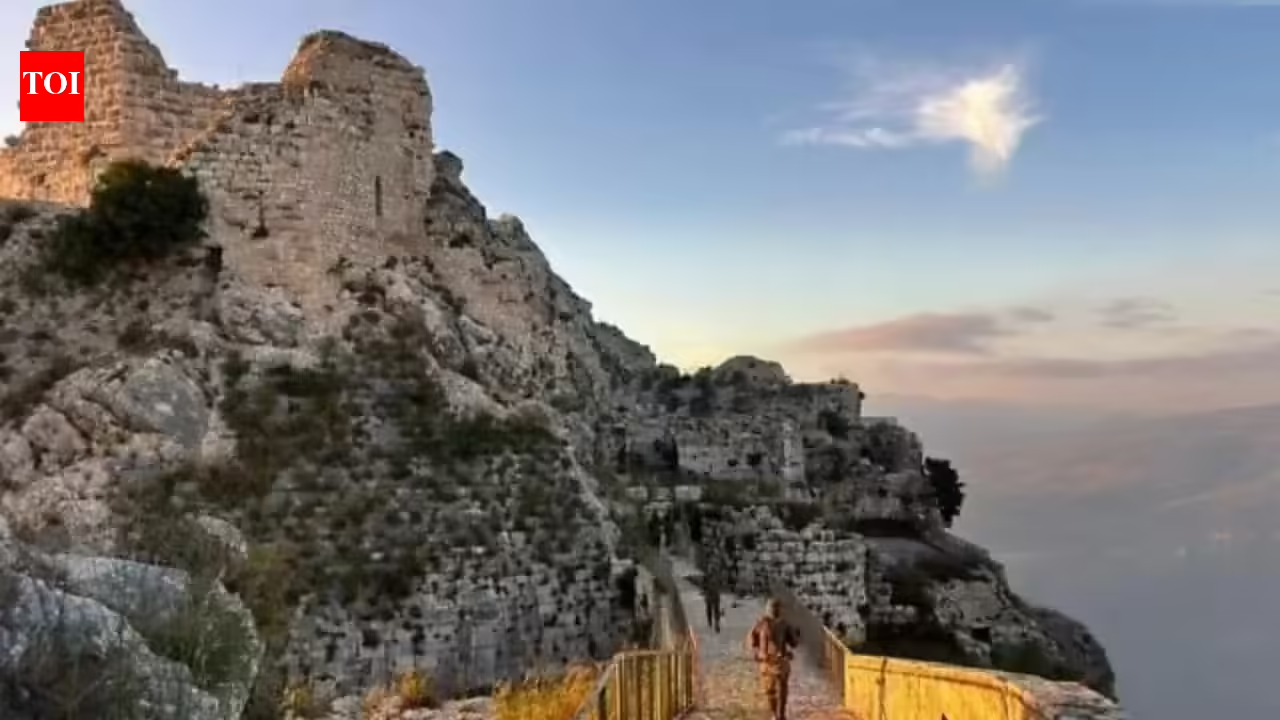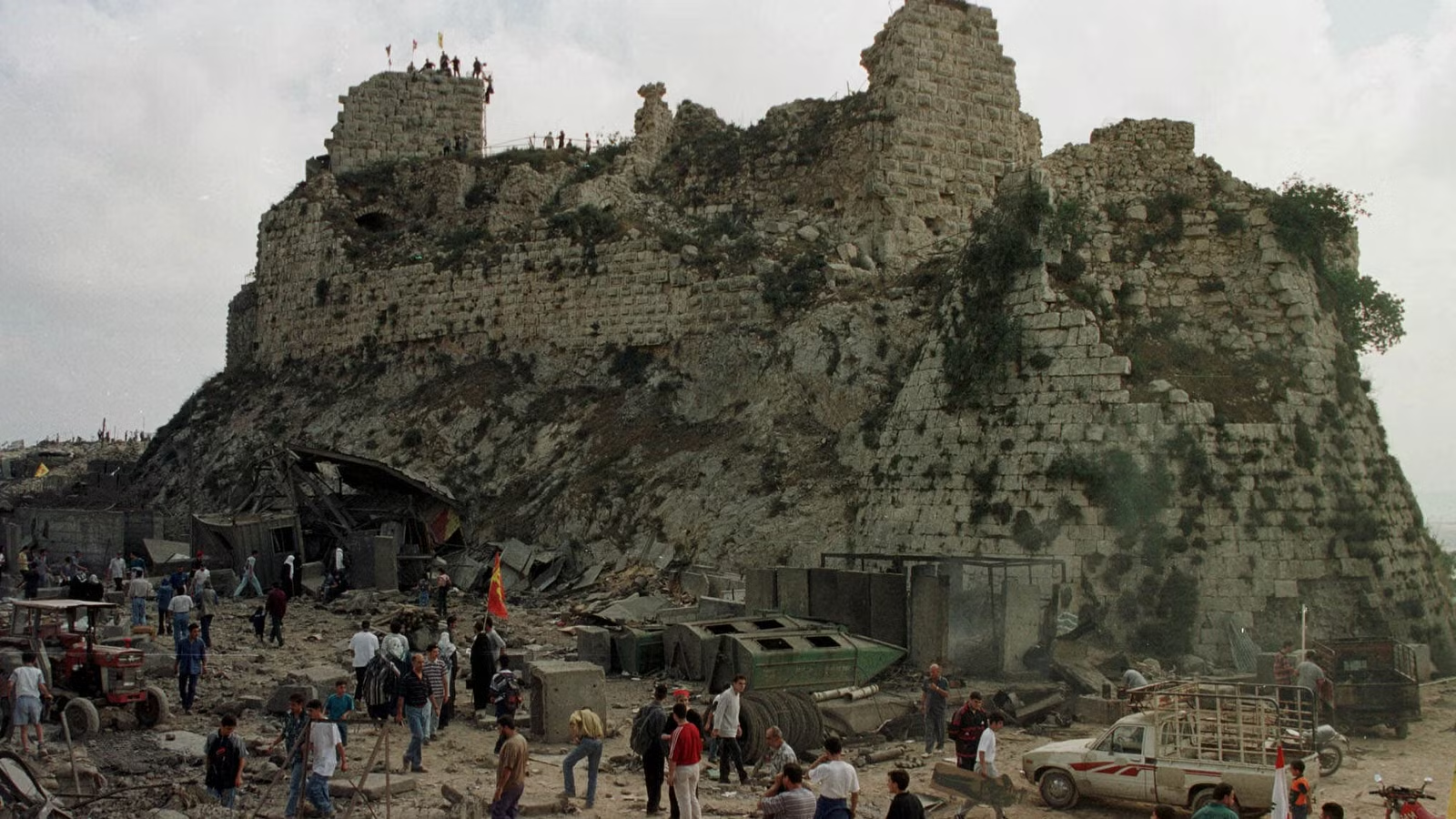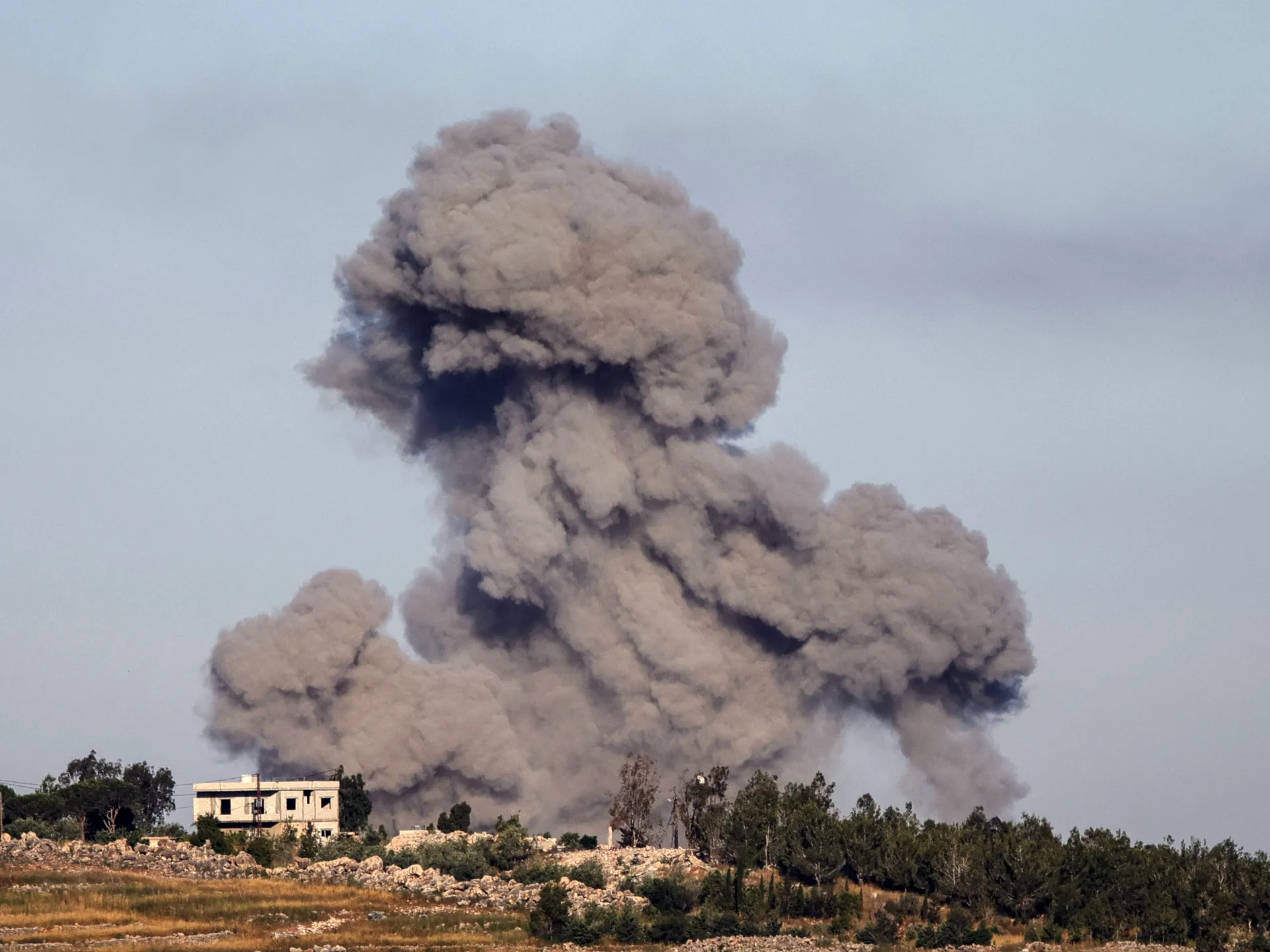
Israeli Defence Minister Israel Katz describes the capture of Beaufort Castle as a significant tactical victory.Israel has ordered the forced displacement of all residents living south of the Zahrani River in southern Lebanon as it expands its invasion of the country before a possible assault on the city of Nabatieh.In a post on the social media platform X on Sunday, Israeli military Arabic spokesperson Avichay Adraee instructed residents to move immediately north of the Zahrani River, warning that anyone who remained in the area risked being killed. Israel had issued more than 10 displacement orders in the previous 24 hours as it expanded its offensive against Hezbollah after its forces crossed the Litani River on Friday for the first time since 2006.Recommended Stories list of 3 itemslist 1 of 3Harvard Medical School graduate dedicates speech to Lebanon and Palestinelist 2 of 3Netanyahu says Israeli forces have crossed Lebanon’s Litani Riverlist 3 of 3Israeli soldiers reach Nabatieh, one of southern Lebanon’s biggest citiesend of listIsrael seized Beaufort Castle, which sits atop a strategic hill near Nabatieh, Lebanon’s fifth largest city. The Israeli military previously captured the 12th-century fortress in 1982 and maintained control of it until withdrawing from Lebanon 18 years later.Israeli Defence Minister Israel Katz described the capture as a significant tactical victory.“Under Prime Minister Benjamin Netanyahu and my direction, the [Israeli military] expanded the operations in Lebanon, crossed the Litani River, and captured the Beaufort Ridge – one of the most important strategic points for defending the communities of the Galilee and safeguarding the security of our forces.”Israel has been encircling Nabatieh, a city that is key to southern Lebanon’s economy and a cultural hub for the region.Nabatieh is viewed by many Lebanese as a symbol of resistance due to its historic role on the front line of Israeli assaults.Despite Israel’s advances in southern Lebanon, Hezbollah, which is backed by Iran, has continued to target Israeli forces. On Sunday, Israel confirmed that one of its soldiers was killed in a Hezbollah drone attack a day earlier, bringing the total number of Israeli soldiers killed since the current round of fighting escalated on March 2 to 25.‘Scorched-earth policy’Lebanese Prime Minister Nawaf Salam has denounced Israel’s invasion of the country, accusing its southern neighbour of pursuing a “scorched-earth policy” and imposing “collective punishment” on residents of southern Lebanon. Israel also has repeatedly been accused of collective punishment against Palestinians in Gaza over its genocidal war and blockade of the enclave, including severe restrictions on the flow of humanitarian aid.Reporting from the southern city of Tyre, Al Jazeera’s Obaida Hitto said Israel’s invasion had caused a humanitarian crisis.“The Israeli military has created a zone that is essentially one-fifth of Lebanon’s territory where Lebanese citizens can’t go. Many families can’t return to their homes. There’s ongoing demolitions. Today, Israeli troops continued [to] demolish homes and businesses.”Israel and Lebanon are currently engaged in peace talks facilitated by the United States. Officials from both countries met at the Pentagon in Washington, DC, on Friday to discuss the implementation of the nominal “ceasefire” that came into effect in mid-April, which Israel has repeatedly violated. The negotiations are expected to resume next week.Both Lebanon and Israel want to see Hezbollah disarmed, but Beirut has struggled with the task. Hezbollah, which is stronger than the official state army, argues that it is the country’s only means of defence against Israel.
Israel issues more displacement orders in Lebanon, seizes strategic castle
Israeli Defence Minister Israel Katz describes the capture of Beaufort Castle as a significant tactical victory.
562 words~3 min read